
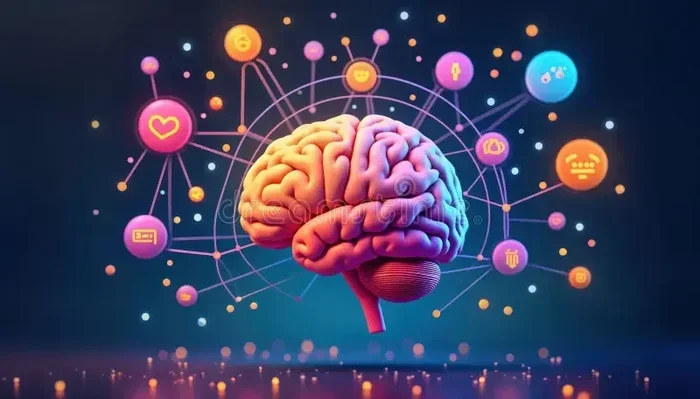
Your brain processes emotion primarily through the limbic system, with the amygdala acting as the emotional alarm center. Understanding what part of the brain processes emotion can help you manage reactions, improve relationships, and develop stronger emotional intelligence in daily life.
[FEATURED IMAGE_PLACEHOLDER]
Have you ever wondered why your heart races before you even realize you’re afraid? Or why certain songs instantly transport you back to a specific moment in time? The answer lies deep inside your skull, in a fascinating network of structures that work together to create every feeling you experience. Understanding what part of the brain processes emotion isn’t just a biology lesson. It’s a roadmap to better relationships, smarter decisions, and a deeper connection with yourself and the people you love.
Your brain is essentially running two systems at once. One system reacts instantly to emotional triggers. The other takes a step back to think things through. When these systems work together beautifully, you feel balanced and in control. When they clash, you might find yourself saying things you regret or shutting down when you need to open up. Let’s explore the incredible architecture behind your emotions and discover why this knowledge matters more than you might think.
Key Takeaways
- The limbic system is the emotional center: This network of brain structures handles emotional processing, memory formation, and behavioral responses.
- The amygdala triggers fear and anxiety: This almond-shaped structure acts as your brain’s threat detection system, firing before you consciously think.
- The prefrontal cortex regulates emotions: This rational brain region helps you manage impulses and make thoughtful decisions instead of reactive ones.
- The hippocampus connects emotion to memory: It helps you remember emotional experiences and learn from past situations.
- Emotional intelligence can be developed: Understanding your brain’s emotional wiring helps you build stronger relationships and better self-control.
- Chronic stress reshapes emotional brain circuits: Prolonged anxiety can enlarge the amygdala and shrink the prefrontal cortex over time.
- Relationships are deeply affected by emotional processing: How your brain handles emotion directly impacts communication, trust, and intimacy with others.
📑 Table of Contents
- The Limbic System: Your Brain’s Emotional Headquarters
- The Amygdala: Your Brain’s Emotional Alarm System
- The Prefrontal Cortex: Your Emotional Regulator
- The Hippocampus: Where Emotion Meets Memory
- The Insula: Your Brain’s Interpreter of Body Signals
- Brain Structures and Their Emotional Functions
- How Emotional Processing Affects Your Relationships
- Quick Tips for Better Emotional Regulation
- Common Mistakes in Emotional Processing
- Expert Insights on Emotional Brain Function
- How to Apply This Knowledge in Daily Life
- The Future of Emotional Brain Research
The Limbic System: Your Brain’s Emotional Headquarters
When scientists talk about what part of the brain processes emotion, they’re usually pointing to the limbic system. This isn’t a single structure. It’s a collection of interconnected regions deep within your brain that work as a team. Think of it as the emotional headquarters of your entire nervous system.
The limbic system sits right on top of your brain stem and underneath your cerebral cortex. It evolved millions of years ago to help our ancestors survive. Back then, quick emotional reactions meant the difference between life and death. That rustle in the bushes? Your limbic system decided whether to fight, flee, or freeze before your thinking brain even caught up.
Key Components of the Limbic System
The limbic system includes several critical structures that each play a unique role in emotional processing:
- The amygdala: Your emotional alarm system and threat detector
- The hippocampus: Memory formation and emotional context
- The hypothalamus: Connects emotions to physical responses
- The thalamus: Routes sensory information to emotional centers
- The cingulate gyrus: Regulates attention and emotional focus
These structures constantly communicate with each other. When you see a loved one’s face, your amygdala recognizes the emotional significance while your hippocampus pulls up associated memories. Meanwhile, your hypothalamus might trigger that warm feeling in your chest. It’s a beautifully orchestrated dance happening beneath your awareness every single moment.
The Amygdala: Your Brain’s Emotional Alarm System
Visual guide about emotional brain illustration
Image source: c8.alamy.com
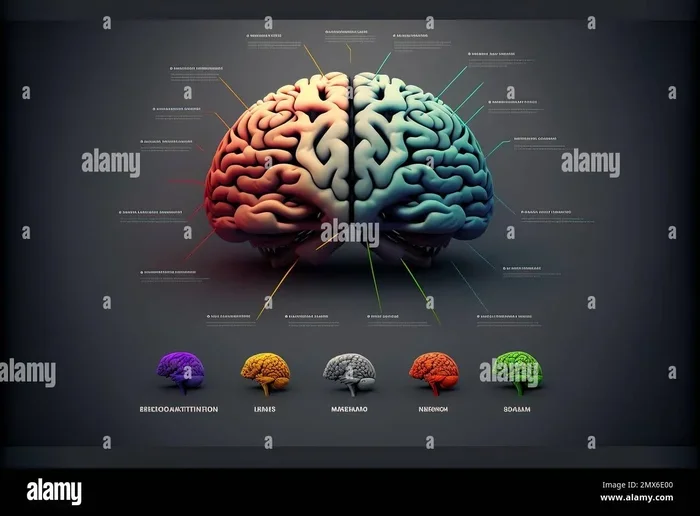
If the limbic system is the emotional headquarters, then the amygdala is the security guard who never sleeps. This small, almond-shaped structure (the name literally means “almond” in Greek) sits deep in your temporal lobe on both sides of your brain. It’s the single most important answer to the question of what part of the brain processes emotion, especially when it comes to fear and threat detection.
Your amygdala receives sensory information directly from your thalamus before it ever reaches your conscious awareness. This means your amygdala can trigger a fear response before you even know what you’re looking at. Ever jumped at a shadow before realizing it was just a coat on a chair? Thank your amygdala for that split-second reaction.
How the Amygdala Processes Fear
Here’s something fascinating. Your amygdala processes fear through two different pathways. The fast pathway sends information directly from your senses to your amygdala, triggering an immediate response. The slow pathway routes information through your cerebral cortex first, allowing for more detailed analysis.
This dual-pathway system is incredibly efficient. It keeps you safe from genuine threats while also allowing you to correct false alarms. When you realize that shadow is just a coat, your cortex sends a calming signal to your amygdala. The danger has passed. You can breathe again.
The Amygdala Beyond Fear
While fear is the amygdala’s most famous job, it processes many emotions. It’s particularly active during:
- Reward processing: Recognizing pleasurable experiences and motivating you to seek them again
- Social emotions: Reading facial expressions and detecting emotional cues from others
- Aggression: Triggering defensive or hostile responses when you feel threatened
- Attachment: Forming emotional bonds with people who matter to you
This is why the amygdala is so crucial in relationships. It helps you detect whether someone is genuinely happy to see you or hiding something. It reads micro-expressions that flash across a partner’s face in milliseconds. When you get a “gut feeling” about someone, that’s often your amygdala picking up on subtle emotional signals.
The Prefrontal Cortex: Your Emotional Regulator
Visual guide about emotional brain illustration
Image source: thumbs.dreamstime.com
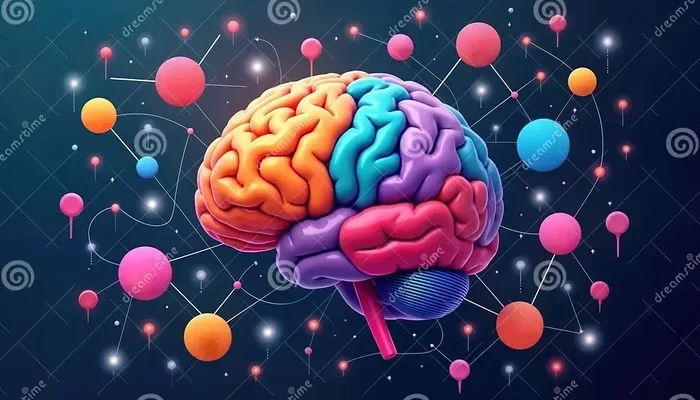
Now let’s talk about the brain’s CEO. The prefrontal cortex sits right behind your forehead and serves as the rational counterbalance to your amygdala’s emotional impulses. This is the part of your brain that helps you think before you speak, consider consequences, and manage your emotional responses.
The prefrontal cortex and amygdala are locked in a constant conversation. When everything works well, your prefrontal cortex can calm an overactive amygdala. It sends signals that essentially say, “I’ve evaluated this situation, and you can stand down.” This process is called emotional regulation, and it’s one of the most important skills for healthy relationships.
The Connection Between Thinking and Feeling
Research shows that people with stronger connections between their prefrontal cortex and amygdala tend to have better emotional control. They’re less likely to lash out in anger or shut down during conflict. This connection can be strengthened through practice, much like building a muscle.
Consider how this plays out in real relationships. When your partner says something that triggers you, your amygdala fires first. It wants to react defensively. But your prefrontal cortex can step in and say, “Wait. Let me think about what they actually meant.” This pause between trigger and response is where emotional intelligence lives.
Related reading: Understanding emotional patterns can help you recognize when you’re falling into unhealthy cycles. Breaking the cycle of broken promises often starts with understanding your own emotional triggers.
How the Prefrontal Cortex Develops
Here’s something remarkable. Your prefrontal cortex isn’t fully developed until your mid-twenties. This explains so much about teenage behavior and young adult decision-making. The emotional brain comes online early, but the rational brain takes much longer to mature.
This developmental timeline has real implications for relationships. Young adults may struggle more with emotional regulation simply because their prefrontal cortex is still under construction. Understanding this can foster compassion and patience in relationships where one partner might be more emotionally reactive than the other.
The Hippocampus: Where Emotion Meets Memory
Visual guide about emotional brain illustration
Image source: as2.ftcdn.net
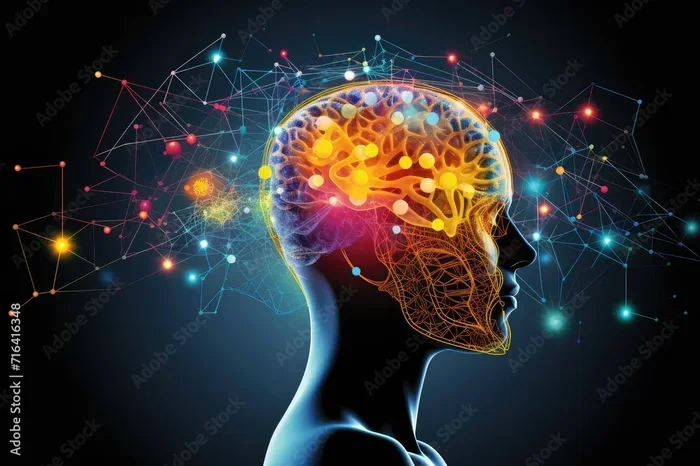
Ever wondered why certain smells or songs trigger powerful emotional memories? That’s your hippocampus at work. This seahorse-shaped structure plays a crucial role in forming new memories and connecting them to emotional experiences.
The hippocampus works closely with the amygdala to tag memories with emotional significance. This is why you might forget what you had for lunch last Tuesday but remember exactly where you were during a particularly emotional event. Your brain prioritizes emotionally charged information because it might be important for future survival.
How Emotional Memories Shape Relationships
Your hippocampus stores emotional memories that directly influence how you relate to others. If you experienced betrayal in a past relationship, your hippocampus helps store that emotional memory. Later, when something similar happens, your brain retrieves that memory and your amygdala responds as if the old threat is happening again.
This is why emotional wounds from past relationships can bleed into new ones. Your brain is literally using old emotional data to interpret new situations. Recognizing this pattern is the first step toward understanding emotional responses that might not fit the current moment.
The Insula: Your Brain’s Interpreter of Body Signals
Tucked deep within your cerebral cortex lies the insula, a region that processes internal bodily sensations and translates them into emotional experiences. This is where your brain interprets that knot in your stomach or the warmth spreading through your chest.
The insula helps you feel emotions in your body. It’s responsible for what scientists call interoceptive awareness, which is your ability to sense what’s happening inside your body. People with stronger interoceptive awareness tend to have higher emotional intelligence because they can read their own emotional states more accurately.
The Insula and Gut Feelings
That “gut feeling” you get about someone? It’s partly your insula interpreting subtle bodily signals that your conscious mind hasn’t fully processed yet. Your body often knows something before your thinking brain catches up. This is why mindfulness and body awareness practices can dramatically improve emotional intelligence.
When you learn to listen to your body’s signals, you gain access to a wealth of emotional information. A tight chest might signal anxiety. A relaxed jaw might indicate trust. A fluttering stomach could mean excitement or nervousness. The insula helps decode these physical messages into emotional understanding.
Brain Structures and Their Emotional Functions
Here’s a comparison table showing the major brain structures involved in emotional processing:
| Brain Structure | Primary Emotional Function | Impact on Behavior | |
|---|---|---|---|
| Amygdala | Fear detection, threat response, emotional salience | Triggers fight-or-flight responses, reads facial expressions | |
| Prefrontal Cortex | Emotional regulation, decision-making, impulse control | Helps you think before acting, manages reactions | |
| Hippocampus | Emotional memory formation and retrieval | Connects past experiences to present emotional responses | |
| Insula | Interoceptive awareness, bodily emotion signals | Creates gut feelings, connects body sensations to emotions | |
| Hypothalamus | Physical emotional responses (heart rate, sweating) | Links emotions to autonomic nervous system changes | |
| Anterior Cingulate Cortex | Emotional awareness, conflict monitoring | Helps regulate emotional responses and attention |
How Emotional Processing Affects Your Relationships
Understanding what part of the brain processes emotion isn’t just academic knowledge. It has profound implications for how you connect with others. Every argument, every moment of intimacy, every misunderstanding is shaped by the neural processes we’ve been discussing.
When your amygdala is overactive, you might misinterpret neutral comments as attacks. When your prefrontal cortex is tired or stressed, you might say something hurtful that you don’t mean. When your hippocampus pulls up old emotional wounds, you might react to your partner based on past experiences rather than present reality.
The Neuroscience of Conflict
During relationship conflict, both partners’ amygdalas tend to activate simultaneously. This creates a feedback loop where each person’s emotional reactivity amplifies the other’s. Scientists call this amygdala hijacking, and it’s why arguments can escalate so quickly.
The key to breaking this cycle is engaging the prefrontal cortex. Taking a break during heated moments allows your rational brain to come back online. Deep breathing, counting to ten, or simply stepping away for a few minutes can help deactivate the amygdala and restore emotional balance.
Building Stronger Emotional Connections
Positive emotional experiences also have a neural basis. When you share a meaningful moment with someone, your brain releases oxytocin, often called the “bonding hormone.” This chemical strengthens the connection between your prefrontal cortex and amygdala, making it easier to feel safe and regulated around that person.
People with different attachment styles often have different patterns of amygdala activation. Someone with an avoidant attachment style might have learned to suppress amygdala responses, while someone with an anxious attachment style might have an overactive amygdala that constantly scans for signs of rejection.
Quick Tips for Better Emotional Regulation
Here are practical strategies to strengthen your brain’s emotional processing:
- Practice mindful breathing: Slow, deep breaths activate your parasympathetic nervous system and calm your amygdala
- Label your emotions: Naming what you feel engages your prefrontal cortex and reduces amygdala activity
- Get adequate sleep: Sleep deprivation weakens the connection between your prefrontal cortex and amygdala
- Exercise regularly: Physical activity reduces stress hormones and promotes neuroplasticity in emotional brain regions
- Take a pause: When triggered, wait at least 10 seconds before responding to let your rational brain catch up
- Practice gratitude: Regularly acknowledging positive experiences strengthens positive neural pathways
Common Mistakes in Emotional Processing
Many people unknowingly sabotage their emotional health through these common errors:
- Suppressing emotions: Pushing feelings down doesn’t make them disappear. It often intensifies amygdala activation over time
- Overthinking everything: Excessive rumination can keep your amygdala activated and prevent emotional resolution
- Ignoring body signals: Dismissing physical emotional cues means missing valuable information from your insula
- Blaming your brain: Saying “my amygdala made me do it” avoids personal responsibility for emotional regulation
- Neglecting self-care: Poor sleep, diet, and exercise habits directly impair emotional brain function
Expert Insights on Emotional Brain Function
Neuroscientists have discovered that the brain is far more flexible than previously believed. Neuroplasticity means that your emotional brain circuits can change throughout your life. Every time you practice emotional regulation, you’re literally rewiring your brain.
Dr. Daniel Siegel, a clinical professor at UCLA, coined the term window of tolerance to describe the optimal zone of arousal where emotions can be processed effectively. When you’re within this window, your prefrontal cortex and amygdala work together harmoniously. When you’re outside it, you might experience hyperarousal (anxiety, panic) or hypoarshutting down, numbness).
The exciting news is that you can widen your window of tolerance through consistent practice. Therapy, mindfulness, healthy relationships, and self-awareness all contribute to a more flexible and resilient emotional brain.
How to Apply This Knowledge in Daily Life
Now that you understand what part of the brain processes emotion, how do you use this information? Start by noticing your emotional patterns. When do you tend to react impulsively? What situations trigger your amygdala? When do you feel most regulated and balanced?
Build your emotional vocabulary. The more precisely you can identify your emotions, the better your prefrontal cortex can regulate them. Instead of saying “I feel bad,” try “I feel disappointed” or “I feel anxious.” This specificity helps your brain process emotions more effectively.
Create space between stimulus and response. Viktor Frankl famously said that between stimulus and response lies our freedom. That space is where your prefrontal cortex can override your amygdala’s automatic reactions. Even a few seconds of pause can dramatically change the outcome of an emotional situation.
Practice self-compassion. Your emotional brain developed over millions of years to protect you. When it overreacts, it’s trying to help. Thank it for its concern, then gently engage your rational mind to evaluate whether the threat is real.
The Future of Emotional Brain Research
Scientists continue to discover new insights about what part of the brain processes emotion. Recent research has revealed that emotional processing is even more distributed throughout the brain than previously thought. Regions once considered purely cognitive are now known to play important roles in emotional experience.
Advances in neuroimaging allow researchers to watch the living brain process emotions in real time. This technology is leading to better treatments for anxiety, depression, PTSD, and relationship difficulties. Understanding the neural basis of emotion is opening doors to more effective therapies and interventions.
The bottom line is this: your emotional brain is not your enemy. It’s a sophisticated system designed to keep you safe and connected. By understanding how it works, you can work with it rather than against it. You can build stronger relationships, make better decisions, and live a more emotionally balanced life.
Frequently Asked Questions
What part of the brain processes emotion the most?
The limbic system is the primary emotional processing center of the brain, with the amygdala playing the most prominent role in detecting threats and triggering emotional responses. The amygdala fires before conscious awareness, making it your brain’s first responder to emotionally significant events.
Can you control which part of your brain processes emotion?
You can’t directly control which brain regions activate, but you can influence emotional processing through practices like mindfulness, deep breathing, and cognitive reframing. These techniques strengthen the connection between your prefrontal cortex and amygdala, giving you better emotional regulation over time.
How does the brain process positive emotions differently from negative ones?
Research suggests that negative emotions tend to activate the amygdala more strongly and quickly than positive ones, a phenomenon called the negativity bias. Positive emotions often involve broader activation across the prefrontal cortex and reward circuits, creating a more diffuse and sustained feeling compared to the sharp intensity of negative emotions.
Does emotional trauma change the brain’s emotional processing?
Yes, emotional trauma can physically alter brain structures involved in emotional processing. Chronic trauma can enlarge the amygdala, making it hyperactive, while shrinking the prefrontal cortex and hippocampus. This is why trauma survivors often experience heightened emotional reactivity and difficulty with emotional regulation.
How does sleep affect emotional brain processing?
Sleep deprivation weakens the connection between your prefrontal cortex and amygdala, making you more emotionally reactive and less able to regulate responses. Even one night of poor sleep can increase amygdala activation by up to 60 percent, which explains why everything feels more emotional when you’re tired.
Can emotional intelligence be improved by understanding brain function?
Absolutely. Understanding what part of the brain processes emotion gives you a framework for developing emotional intelligence. When you know that your amygdala triggers before your rational brain, you can consciously create pauses that allow better decision-making and more thoughtful responses in relationships.
