
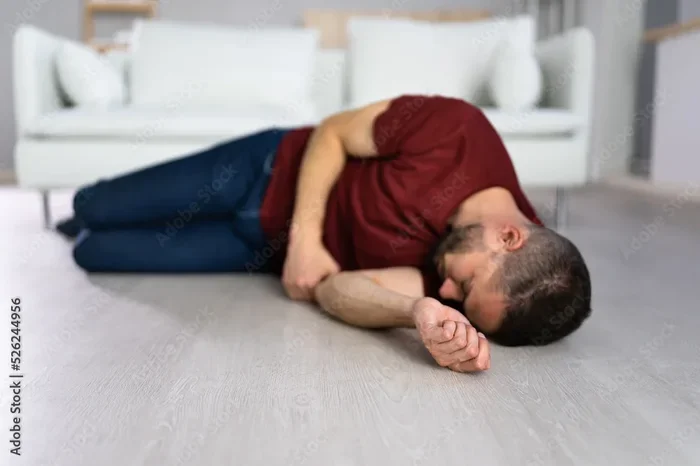
Ever wondered what happens when you get knocked out? A knockout is a serious brain injury that causes temporary loss of consciousness. Your brain shuts down to protect itself from trauma. Understanding the medical truth can save a life.
Have you ever watched a movie where a character gets a bump on the head and wakes up fine? Real life is very different. Understanding what happens when you get knocked out is vital. This is a serious medical event.
When you get knocked out, your brain literally shuts down. It is a defense mechanism. But the effects can last a long time. This is especially true if you are dating or in a relationship. A head injury changes how you act and feel.
Today, we will break down the medical truth. We will look at the science, the symptoms, and the recovery. Knowing this could help you or your partner someday. Let us dive into the facts.
Key Takeaways
- Brain Shutdown: A knockout occurs when the brain suffers trauma, causing a sudden loss of consciousness to protect itself.
- Concussion Connection: Every knockout is a concussion, but not every concussion involves a knockout.
- Immediate Danger: The biggest risk after a knockout is brain swelling or a second impact injury.
- Recovery Matters: Cognitive and physical rest are crucial for healing a knocked-out brain.
- Relationship Strain: Head injuries can cause mood swings, affecting your dating life and relationships.
- Seek Help: Anyone who gets knocked out needs immediate medical evaluation to rule out severe damage.
📑 Table of Contents
- The Science Behind the Blackout
- Immediate Aftermath: What Happens Right After You Wake Up
- First Aid and What to Do When Someone Gets Knocked Out
- Fainting vs. Knockout: What is the Difference?
- The Recovery Process and How It Affects Your Life
- Long-Term Effects of Repeated Knockouts
- Common Mistakes People Make After a Knockout
- Expert Insights on Brain Injuries
- Quick Tips for Caregivers and Partners
- Conclusion
The Science Behind the Blackout
To understand what happens when you get knocked out, you need to know about the brain. Your brain floats inside your skull in fluid. It is soft like gelatin. When your head hits something hard, your brain slams into the skull bone.
How the Brain Reacts to Trauma
A sudden stop causes a massive electrical surge. Your neurons fire all at once. This is the brain’s circuit breaker tripping. To save energy and prevent cell death, the brain shuts down. You lose consciousness instantly.
This state is called a concussion. A concussion is a mild traumatic brain injury. But do not let the word “mild” fool you. It is still a brain injury. The technical term for a knockout is loss of consciousness following head trauma.
The Reticular Activating System
Deep in your brain sits the reticular activating system, or RAS. The RAS controls your sleep and wake cycles. It keeps you alert. When trauma occurs, the RAS gets disrupted. It stops sending signals to the rest of the brain. Because the RAS goes offline, you fall asleep or pass out.
Immediate Aftermath: What Happens Right After You Wake Up
Waking up after a knockout is confusing. You might not know where you are. You might not remember the event. This is called post-traumatic amnesia.
Common Symptoms to Expect
After a knockout, the brain is in a crisis state. Here are the immediate symptoms:
- Confusion: You might stare blankly or ask the same question repeatedly.
- Nausea: The brain controls balance. Trauma makes you feel dizzy and sick.
- Headache: The brain itself does not feel pain, but the nerves and blood vessels around it do.
- Blurred Vision: The eyes and brain are not communicating well yet.
The Danger of Second Impact Syndrome
If you get knocked out and then get hit in the head again before healing, you risk second impact syndrome. This causes rapid, severe brain swelling. It can be fatal. This is why you must never let someone return to a sport or physical activity after a knockout.
First Aid and What to Do When Someone Gets Knocked Out
Seeing someone get knocked out is scary. You might freeze up. But knowing what to do when you don’t know what to do can save a life.
Steps to Take Immediately
Follow these steps right away:
- Call 911: Always call for emergency help. Internal bleeding is a real risk.
- Keep Them Still: Do not move the person unless they are in danger. A neck or spine injury could exist.
- Check Breathing: Make sure their airway is clear. If they are not breathing, start CPR.
- Apply Pressure: If there is bleeding, use a clean cloth to apply gentle pressure.
- Do Not Shake Them: Never shake an unconscious person to wake them up.
When to Call 911
You should always call 911 after a knockout. However, it is an absolute emergency if:
- They do not wake up after one minute.
- They have a seizure.
- They vomit repeatedly.
- One pupil is larger than the other.
Fainting vs. Knockout: What is the Difference?
People often confuse fainting with a knockout. They are very different. Fainting is usually a drop in blood pressure. A knockout is direct brain trauma.
| Feature | Fainting (Syncope) | Knockout (Concussion) |
|---|---|---|
| Cause | Drop in blood pressure or heart rate | Direct blow to the head or violent shaking |
| Speed of Recovery | Usually wakes up quickly, feels fine | Wakes up slowly, feels confused and sick |
| Memory Loss | Rarely loses memory of the event | Often has amnesia surrounding the event |
| Medical Risk | Usually not dangerous | Can indicate severe brain injury |
The Recovery Process and How It Affects Your Life
Healing from a knockout takes time. The brain needs rest. This means both physical rest and cognitive rest. You cannot just push through it.
Cognitive Rest Explained
Cognitive rest means limiting brain activity. You need to avoid:
- Looking at phone screens
- Watching TV
- Reading books
- Listening to loud music
- Doing complex math or work tasks
This is hard for active people. But pushing through makes symptoms last longer.
Emotional Changes and Relationship Strain
A brain injury changes your personality temporarily. You might feel irritable, sad, or angry. This can strain your relationship. Your partner might not understand why you are acting differently.
If your partner refuses to rest or seek help, it can be incredibly frustrating. Sometimes, you have to get someone help when they refuse to take their recovery seriously. You might also need to explain that your mood swings are from the injury, not your true feelings.
Returning to Normal Life and Dating
You might want to jump back into your normal routine. You might want to go out on dates or have fun with friends. But rushing back is dangerous.
Overstimulation can bring back headaches and dizziness. You need to ease back into social situations. If you try to have fun too soon, you will set your recovery back. Start with quiet, low-key dates in calm environments.
Long-Term Effects of Repeated Knockouts
What happens when you get knocked out multiple times? The damage adds up. Repeated head trauma leads to a condition called Chronic Traumatic Encephalopathy, or CTE.
Understanding CTE
CTE is a degenerative brain disease. It is common in athletes and people in violent relationships. CTE causes brain tissue to die over time. Symptoms include:
- Severe memory loss
- Impulsive behavior
- Depression and anxiety
- Difficulty thinking and reasoning
Currently, CTE can only be diagnosed after death. But the effects are devastating.
Protecting Your Brain for the Future
You only get one brain. Protect it. Wear helmets when biking or playing contact sports. Never ignore a head injury. If you are in a relationship where head trauma occurs, seek help immediately.
Common Mistakes People Make After a Knockout
People make dangerous mistakes after a knockout. Avoid these at all costs:
- Going to Sleep Immediately: It is a myth that you cannot sleep. But someone needs to wake you every few hours to check your pupils and responsiveness.
- Drinking Alcohol: Alcohol thins the blood and increases brain swelling. Never drink after a head injury.
- Taking Aspirin or Ibuprofen: These pain relievers increase the risk of brain bleeding. Use Tylenol instead.
- Ignoring Symptoms: Just because you feel okay does not mean you are okay. Bleeding can be slow.
Expert Insights on Brain Injuries
Neurologists emphasize that every knockout is a medical emergency. The brain is locked inside the skull. If bleeding occurs, pressure builds fast. This pressure kills brain cells.
Doctors recommend a slow return to activity. First, rest. Then, light walking. Then, moderate exercise. Finally, normal activity. If symptoms return at any step, stop and rest.
Quick Tips for Caregivers and Partners
If your partner gets knocked out, here is how to help:
- Be patient with their mood swings.
- Keep the room dark and quiet.
- Remind them to drink water and eat light meals.
- Help them track their symptoms in a journal.
- Go with them to medical appointments.
Conclusion
Visual guide about person unconscious on floor
Visual guide about person unconscious on floor
Image source: as2.ftcdn.net
Image source: as2.ftcdn.net
Understanding what happens when you get knocked out is crucial for everyone. A knockout is a severe brain injury that causes temporary loss of consciousness. Your brain shuts down to protect itself from trauma.
The recovery process requires both physical and cognitive rest. It can strain your relationships and your dating life. But with proper care and medical attention, most people recover fully. Never ignore a head injury. Protect your brain. It is the most valuable thing you have.
Visual guide about person unconscious on floor
Image source: as1.ftcdn.net
Frequently Asked Questions
How long are you unconscious when you get knocked out?
Most people are unconscious for a few seconds to a few minutes. If someone is unconscious for more than a minute, it is a severe medical emergency requiring immediate hospitalization.
Can you die from getting knocked out?
Yes, you can. The knockout itself is usually not fatal, but the underlying brain swelling or bleeding can be deadly. This is why immediate medical attention is always required.
Is it okay to sleep after getting knocked out?
Yes, it is okay to sleep, but you should not be alone. Someone needs to wake you every two to three hours to ensure you are easily aroused and your pupils react normally to light.
What should you never do after a knockout?
Never return to sports or physical activity. Never drink alcohol. Never take aspirin or ibuprofen, as these can increase the risk of fatal brain bleeding.
How long does it take to recover from a knockout?
Physical symptoms usually resolve within 7 to 10 days. However, full cognitive recovery can take weeks or even months, especially if you do not rest properly.
Can a knockout affect your memory permanently?
A single knockout usually causes temporary memory loss around the event. However, repeated knockouts can lead to permanent memory issues and degenerative brain diseases like CTE.
