
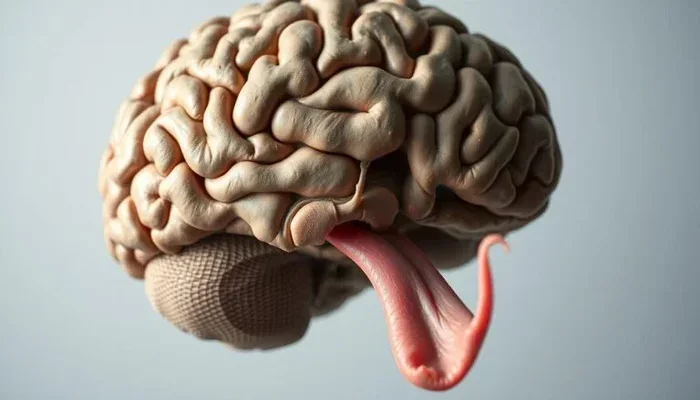
The brain processes taste primarily in the gustatory cortex, located in the insula and frontal operculum. Understanding this reveals how flavor shapes your emotions, memories, and even your connection with others. This article breaks down the neural pathways and explains why taste matters far more than you think.
Have you ever wondered why a single bite of chocolate can flood you with comfort, or why a bad meal can ruin your entire day? The answer lies deep inside your head. What part of the brain processes taste is a question that opens a fascinating window into how we experience pleasure, form bonds, and even protect ourselves from harm. This isn’t just about food. It’s about how your brain turns chemical signals into the rich, emotional experience of flavor.
In this article, we’ll walk through the exact brain regions that handle taste, explain the journey from tongue to cortex, and reveal why this knowledge can transform your health, your mood, and your relationships. By the end, you’ll see every meal as a chance to nourish not just your body, but your brain’s intricate taste network.
Key Takeaways
- The gustatory cortex is the main brain region responsible for processing taste, situated deep within the insula and frontal operculum.
- Taste signals travel from taste buds through cranial nerves to the brainstem, then the thalamus, and finally the gustatory cortex.
- Flavor is a multisensory experience combining taste, smell, texture, and temperature, processed in the orbitofrontal cortex.
- Taste perception influences mood and memory because the gustatory cortex connects directly to the amygdala and hippocampus.
- Damage to taste-processing areas can lead to loss of appetite, depression, and social disconnection.
- Understanding taste neuroscience can improve your eating habits, emotional well-being, and even your romantic life.
- Simple lifestyle changes like mindful eating and diversifying your diet can sharpen your brain’s taste response.
📑 Table of Contents
- The Brain’s Taste Processing Center: More Than One Spot
- How Taste Signals Travel to the Brain
- Beyond Basic Tastes: The Flavor Experience
- Why Taste Processing Matters for Your Emotions and Memory
- Common Taste Disorders and What They Reveal About the Brain
- How Taste Perception Influences Your Daily Energy and Mood
- Practical Ways to Enhance Your Brain’s Taste Processing
- Conclusion
The Brain’s Taste Processing Center: More Than One Spot
When scientists first looked for the brain’s taste center, they expected a single “taste spot.” Instead, they found a distributed network. The primary region is the gustatory cortex, which includes two key structures: the anterior insula and the frontal operculum. These areas sit on the sides of the brain, tucked inside the lateral sulcus.
The anterior insula is the first cortical stop for taste information. It identifies the basic qualities: sweet, salty, sour, bitter, and umami. Right next to it, the frontal operculum helps refine that signal. Together, they form the primary gustatory cortex. But taste doesn’t stop there. The orbitofrontal cortex, just above your eyes, combines taste with smell, texture, and even visual cues to create the full perception of flavor. This is why food tastes bland when your nose is clogged.
Think of it like an orchestra. The insula and frontal operculum are the section leaders for basic tastes, while the orbitofrontal cortex is the conductor, blending all the senses into a harmonious flavor experience.
How Taste Signals Travel to the Brain
Visual guide about tongue brain connection
Image source: assets.cdn.filesafe.space
The journey of a taste begins on your tongue, but the real magic happens along the neural highway. Here’s the step-by-step path:
- Taste buds detect chemicals. Each taste bud contains 50-100 receptor cells that respond to specific molecules.
- Cranial nerves carry the signal. Three nerves—the facial nerve (VII), glossopharyngeal nerve (IX), and vagus nerve (X)—transmit taste information from the tongue and throat to the brainstem.
- The brainstem relays it. The nucleus of the solitary tract in the brainstem receives the signal and does some initial processing, like triggering salivation or gagging.
- The thalamus acts as a switchboard. The ventroposteromedial nucleus of the thalamus routes the taste signal to the cortex.
- The gustatory cortex interprets it. Finally, the insula and frontal operculum identify the taste, and the orbitofrontal cortex adds context.
This entire trip takes less than a second. But the speed isn’t the only remarkable part. The brain doesn’t just passively receive taste data. It actively shapes it based on your expectations, emotions, and past experiences. That’s why the same wine can taste different if you’re told it’s expensive.
The Role of the Thalamus in Taste
The thalamus is often called the brain’s relay station, but for taste, it does more than just pass signals. It filters and prioritizes taste information. When you’re hungry, the thalamus amplifies sweet and umami signals, making food seem more appealing. When you’re full, it dampens them. This helps regulate your eating behavior without you even realizing it.
Beyond Basic Tastes: The Flavor Experience

Visual guide about tongue brain connection
Image source: i.ytimg.com
Most people think taste is just what happens on the tongue. In reality, what we call “flavor” is a multisensory illusion. The brain combines taste with:
- Smell (olfaction): Retronasal olfaction, where aromas travel from the mouth to the nose, accounts for up to 80% of flavor.
- Texture (somatosensation): Creamy, crunchy, or slimy textures are sensed by touch receptors in the mouth.
- Temperature: Warm foods often taste sweeter; cold can mute flavors.
- Even sound: The crunch of a chip influences freshness perception.
The orbitofrontal cortex is the master integrator here. It receives input from the gustatory cortex, olfactory cortex, and somatosensory cortex to create a unified flavor percept. This is why a strawberry isn’t just sweet—it’s a burst of red, fragrant, juicy goodness. The brain binds these features into a single experience.
If you’ve ever enjoyed a meal that felt like a celebration, you’ve experienced this integration. And if you’re looking for ways to make everyday eating more joyful, exploring tasty party food ideas can inspire you to engage all your senses at the table.
Why Taste Processing Matters for Your Emotions and Memory
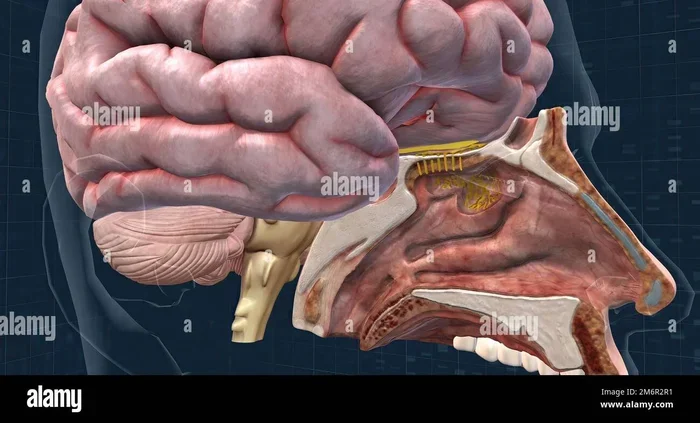
Visual guide about tongue brain connection
Image source: c8.alamy.com
Taste isn’t just about identifying nutrients. It’s deeply wired into your emotional brain. The gustatory cortex has direct connections to the amygdala (emotion center) and the hippocampus (memory hub). This is why a certain dish can instantly transport you back to your grandmother’s kitchen or why comfort food actually makes you feel better.
Taste and emotion are inseparable. Sweet tastes can reduce pain perception in infants. Bitter tastes trigger disgust, a protective emotion. Umami, the savory taste of protein, signals safety and satisfaction. These emotional responses are not learned from scratch; they’re hardwired into our brain’s taste circuitry.
This connection also explains why taste disorders often lead to depression. When the brain can’t process taste correctly, the emotional reward of eating disappears. People lose interest in food, withdraw socially, and experience a drop in mood. Understanding this link highlights why maintaining a healthy taste system is crucial for mental well-being. In fact, researchers have found that the brain’s response to taste can be as predictive of emotional resilience as other factors, echoing the idea that finding happiness in dark times can sometimes start with the simple pleasure of a favorite flavor.
Taste and Social Bonding
Sharing a meal is one of the most universal human bonding activities. The brain’s taste centers are part of this social glue. When you eat with others, the orbitofrontal cortex processes not just the food, but the social context. A meal shared with a loved one literally tastes better because the brain releases dopamine, a reward chemical, in response to both the taste and the companionship.
This is why dinner dates work. The combination of good food and good company creates a powerful positive association. It’s also why breaking bread together can resolve conflicts—the shared sensory experience lowers defenses and fosters connection.
Common Taste Disorders and What They Reveal About the Brain
When the taste system malfunctions, it often points to underlying neurological issues. Here are some common disorders:
- Ageusia: Complete loss of taste, rare but can follow head trauma or neurological disease.
- Dysgeusia: Distorted taste, often a persistent metallic or bitter sensation. Common in chemotherapy patients or those with zinc deficiency.
- Hypogeusia: Reduced taste sensitivity, frequently seen in aging or after viral infections like COVID-19.
- Phantogeusia: Tasting something that isn’t there, sometimes linked to migraines or epilepsy.
These disorders can originate at any point along the taste pathway—from damaged taste buds to lesions in the gustatory cortex. A sudden change in taste perception should never be ignored. It can be an early sign of conditions like Parkinson’s disease, Alzheimer’s, or multiple sclerosis. The brain’s taste network is so integrated that its disruption often signals broader neurological trouble.
Quick Tip: Protect Your Taste Brain
To keep your taste system sharp, stay hydrated, avoid smoking, and eat a varied diet rich in zinc and vitamin B12. These nutrients support nerve function and taste bud regeneration.
How Taste Perception Influences Your Daily Energy and Mood
Ever notice how a sugary snack gives you a quick high followed by a crash? That’s your brain’s taste and reward system in action. Sweet tastes trigger a dopamine release in the nucleus accumbens, a key part of the brain’s reward circuit. This is the same circuit activated by social media, drugs, and romantic love. It’s powerful, but it can be hijacked.
Processed foods are engineered to hit the “bliss point”—the perfect combination of sugar, salt, and fat that maximizes dopamine release. Over time, this can dull your brain’s taste response, requiring more stimulation to get the same pleasure. The result: cravings, overeating, and a dampened ability to enjoy natural flavors like vegetables.
On the flip side, a balanced diet that includes all five tastes can stabilize your energy and mood. Bitter greens, for example, stimulate digestion and alertness. Sour foods can cut through mental fog. Umami-rich foods promote satiety. By understanding how taste affects your brain, you can make food choices that support sustained energy rather than spikes and crashes. This is closely tied to the broader relationship between energy and mental health, where stable blood sugar and neural satisfaction play key roles.
Practical Ways to Enhance Your Brain’s Taste Processing
You can actually train your brain to process taste more effectively. Here are some evidence-based strategies:
Practice Mindful Eating
Slow down and pay attention to each bite. Notice the texture, aroma, and flavor evolution. This activates the orbitofrontal cortex more fully, increasing satisfaction. You’ll likely eat less and enjoy more.
Diversify Your Diet
Expose yourself to all five basic tastes regularly. Try new herbs, spices, and fermented foods. Novel tastes stimulate neuroplasticity, keeping your gustatory cortex adaptable.
Limit Ultra-Processed Foods
These foods can overwhelm your taste receptors and dull your sensitivity. Gradually reduce added sugar and artificial flavors. Within weeks, your brain will recalibrate, and natural foods will taste more vibrant.
Engage Other Senses
Set the table nicely, play soft music, and savor the visual presentation of your meal. The orbitofrontal cortex integrates all sensory inputs, so a pleasant environment literally enhances taste.
Stay Socially Connected
Eat with friends and family whenever possible. The social context amplifies the brain’s reward response to food, making meals more satisfying and memorable.
Conclusion
So, what part of the brain processes taste? The answer is a beautifully coordinated network centered on the gustatory cortex in the insula and frontal operculum, with crucial support from the orbitofrontal cortex, thalamus, and limbic system. This network does far more than identify flavors—it shapes your emotions, cements memories, and connects you to others.
Understanding this science empowers you to make smarter food choices, protect your brain health, and deepen your relationships. Every meal is an opportunity to nourish not just your body, but the very neural circuits that make life rich and flavorful. Start paying attention to your taste experience, and you might just find that the path to well-being is paved with delicious, mindful bites.
Frequently Asked Questions
What is What Part Of The Brain Processes Taste?
What Part Of The Brain Processes Taste is an important topic with many practical applications.
