
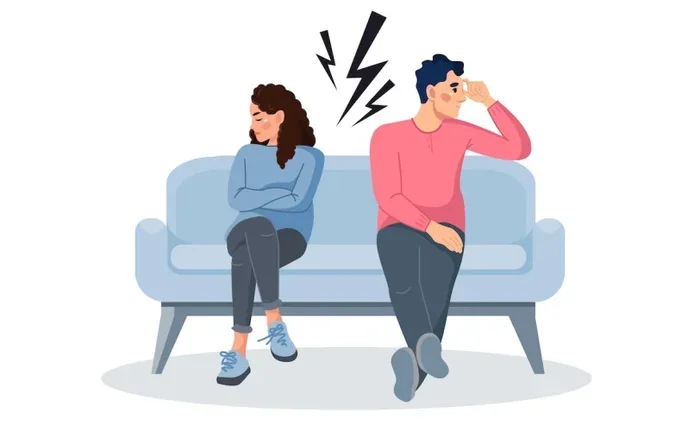
Knowing when to end a relationship or work on it is one of the hardest decisions you’ll ever face. This guide reveals the critical warning signs you must not ignore, helping you distinguish between fixable problems and dealbreakers. You’ll learn to trust your instincts and make choices that protect your emotional well-being.
Should you end your relationship or work on it? This question keeps countless people awake at night, torn between love and self-preservation. The truth is, not every struggling relationship deserves to be saved. Some need healing, while others need to end. Recognizing the difference can save you years of heartache and help you build the healthy, fulfilling partnership you deserve. In this guide, we’ll walk you through the warning signs that tell you whether to stay or go, so you can make a clear-headed decision about your future.
Every relationship faces challenges. That’s normal. But there’s a big difference between rough patches and fundamental incompatibilities. Learning to tell them apart is a skill that will serve you well throughout life. Let’s dive into the signs you absolutely must not ignore.
Key Takeaways
- Trust your gut feelings: Your intuition often recognizes problems before your mind accepts them.
- Abuse is always a dealbreaker: Physical, emotional, or verbal abuse means it’s time to leave immediately.
- Effort must be mutual: A relationship cannot survive when only one person is trying to fix things.
- Core values matter more than love: Shared fundamental beliefs are essential for long-term compatibility.
- Patterns predict the future: Repeated negative behaviors rarely change without professional intervention.
- Your mental health is non-negotiable: A relationship that consistently damages your well-being isn’t worth saving.
- Seeking help is a sign of strength: Couples therapy can work, but only when both partners are fully committed.
📑 Table of Contents
The Difference Between a Rough Patch and a Relationship Emergency
Not every problem means your relationship is doomed. Understanding the difference between temporary struggles and serious red flags is crucial.
What a Normal Rough Patch Looks Like
Every couple goes through difficult seasons. Maybe you’re dealing with financial stress, a new baby, or career changes. These external pressures can strain even the strongest bonds.
Healthy rough patches typically involve:
- Open communication, even when it’s uncomfortable
- Both partners acknowledging the problem exists
- Willingness to try new approaches together
- Maintaining basic respect during disagreements
- Physical affection and emotional connection still present
When both people are genuinely invested in working through problems, these periods can actually strengthen your bond. The key word here is “both.” Relationship communication mistakes can make rough patches worse, but they’re usually fixable with effort and patience.
When Problems Signal Something Deeper
Some issues point to fundamental incompatibilities that won’t resolve with simple compromise. These require honest evaluation.
You might be facing a deeper problem when:
- The same arguments repeat endlessly without resolution
- One or both partners have stopped trying altogether
- Respect has eroded to the point of contempt
- Core values clash in ways that affect daily life
- Trust has been broken repeatedly
Recognizing these deeper issues early prevents you from wasting years on a relationship that cannot work.
Warning Signs You Should Not Ignore
Certain behaviors and patterns are clear indicators that your relationship may be beyond repair. Pay close attention to these red flags.
1. Consistent Disrespect and Contempt
Disrespect is one of the most destructive forces in any relationship. It slowly erodes love and connection until nothing healthy remains.
Watch for these signs of disrespect:
- Mocking or belittling your opinions and feelings
- Rolling eyes, sneering, or using sarcasm as a weapon
- Consistently interrupting or dismissing what you say
- Making decisions without consulting you
- Speaking poorly about you to others
Dr. John Gottman’s research found that contempt is the number one predictor of divorce. When your partner treats you with consistent disdain, love cannot survive.
2. Any Form of Abuse
This point cannot be stated strongly enough. Abuse in any form is never acceptable and always warrants ending the relationship.
Abuse includes:
- Physical violence: Hitting, pushing, grabbing, or any unwanted physical contact
- Emotional abuse: Gaslighting, manipulation, isolation from loved ones
- Verbal abuse: Name-calling, screaming, threats, constant criticism
- Financial control: Controlling access to money, preventing you from working
- Sexual coercion: Pressuring or forcing sexual acts without consent
If you’re experiencing abuse, please reach out to the National Domestic Violence Hotline at 1-800-799-7233. You deserve safety and respect.
3. Chronic Dishonesty and Broken Trust
Trust is the foundation of every healthy relationship. Once it’s shattered repeatedly, rebuilding becomes nearly impossible.
Warning signs of a trust-damaging relationship:
- Lies about significant matters, not just small things
- Secret-keeping about finances, friendships, or activities
- Broken promises that become a pattern rather than an exception
- Discovering your partner has been living a double life
- Feeling the need to constantly check up on them
Everyone deserves honesty. If your partner consistently chooses deception over truth, they’re telling you where you stand in their priorities.
Quick Tip:
Trust your instincts. If something feels off, it probably is. Don’t talk yourself out of your own perceptions just because you want the relationship to work.

Visual guide about couple relationship conflict
Image source: focusonthefamily.com
4. One-Sided Effort and Emotional Exhaustion
A relationship should feel like a partnership, not a solo project. When you’re the only one trying, something is seriously wrong.
Signs you’re carrying the relationship alone:
- You initiate all difficult conversations
- You’re always the one apologizing, even when you’re not wrong
- Your partner shows no interest in understanding your perspective
- Date nights, plans, and special moments are always your responsibility
- You feel more like a caretaker than a partner
Being in a one-sided relationship is emotionally draining. Over time, it destroys your self-esteem and leaves you feeling empty. Emotional needs you should never ignore include the need for reciprocity and mutual care.
5. Fundamental Value Differences
Love alone cannot bridge certain gaps. When your core values clash, everyday life becomes a constant battle.
Common value differences that often prove irreconcilable:
- Life goals: One wants children, the other doesn’t
- Financial philosophy: Savers paired with chronic spenders
- Spiritual beliefs: Deeply held religious or philosophical differences
- Lifestyle choices: Ambition versus contentment, city versus rural living
- Family boundaries: How to handle relationships with extended family
These aren’t problems that compromise can fix. Someone has to sacrifice their core values, which breeds resentment over time.
6. Your Mental and Physical Health Are Suffering
A healthy relationship should enhance your well-being, not destroy it. Pay attention to what your body and mind are telling you.
Warning signs your relationship is harming your health:
- Chronic anxiety or depression linked to relationship stress
- Sleep problems, including insomnia or nightmares
- Changes in appetite or unexplained weight changes
- Physical symptoms like headaches, stomach issues, or chest tightness
- Loss of interest in activities you once enjoyed
- Feeling constantly on edge or walking on eggshells
Your health is sending you an important message. Don’t ignore it. No relationship is worth sacrificing your well-being.
When Working on the Relationship Makes Sense
Not every struggling relationship should end. Some partnerships are worth fighting for.
Signs Your Relationship Can Be Saved
Your relationship may be salvageable if:
- Both partners are willing: You both genuinely want to make things work
- The foundation is still there: Love and respect haven’t completely disappeared
- Problems are situational: Stress from external factors is the main issue
- Communication still exists: You can still talk, even if it’s difficult
- There’s no abuse: The relationship is strained but not harmful
- Both are open to help: Couples therapy or counseling is welcomed
Steps to Rebuild a Struggling Relationship
If you’ve decided to work on things, here’s how to start:
- Have an honest conversation: Sit down and share your feelings without blame
- Identify specific problems: Move beyond “we have issues” to concrete concerns
- Set clear expectations: Define what needs to change and by when
- Seek professional help: A couples therapist can provide tools and guidance
- Create accountability: Check in regularly about progress
- Be patient: Healing takes time, and setbacks are normal
Common Mistake: Waiting too long to address problems. The earlier you tackle issues, the better your chances of resolution. Don’t let resentment build for years before seeking help.

Visual guide about couple relationship conflict
Image source: anchorlighttherapy.com
How to Make the Final Decision
Deciding whether to stay or go requires honest self-reflection. Here’s a framework to help you think clearly.
Questions to Ask Yourself
Take time to journal your answers to these questions:
- Do I feel safe, respected, and valued in this relationship?
- Am I staying because I love this person or because I fear being alone?
- Has my partner shown genuine effort to change problematic behaviors?
- Can I envision a happy future with this person five years from now?
- Would I want my child to be in a relationship like this?
- Am I giving 100% while receiving very little in return?
The “Best Friend” Test
Imagine your closest friend described their relationship sounding exactly like yours. What would you tell them? Sometimes we give others better advice than we give ourselves.
If you’d tell a friend to leave, you should probably take your own advice.
Creating an Exit Plan
If you decide to end the relationship, having a plan makes the process smoother and safer.
Your exit plan should include:
- A safe place to stay, whether with family, friends, or your own apartment
- Financial preparation, including separate accounts if possible
- A support system of people who will help you through the transition
- Important documents and belongings gathered in advance
- A clear timeline for when and how you’ll have the conversation
- Professional support from a therapist if needed
Life After the Decision
Whether you stay or go, healing is essential. Both paths require courage and self-compassion.
If You Choose to Stay and Work on It
Commit fully to the process. Half-hearted efforts produce half-hearted results.
- Attend couples therapy consistently
- Practice new communication skills daily
- Celebrate small improvements
- Hold each other accountable with kindness
- Remember why you chose this person in the first place
If You Choose to Leave
Leaving is not failure. Sometimes it’s the bravest and healthiest choice you can make.
- Allow yourself to grieve the relationship
- Lean on your support system
- Consider individual therapy to process the experience
- Focus on rebuilding your identity outside the relationship
- Take your time before jumping into something new
Expert Insight: Many people who leave unhealthy relationships report that within a year, they wonder why they waited so long. Trust that choosing yourself is always the right decision.
Visual guide about couple relationship conflict
Image source: static.vecteezy.com
Comparison: Stay vs. Go Decision Framework
| Factor | Work On It | End It |
|---|---|---|
| Mutual Effort | Both partners are trying | Only one person is trying |
| Abuse Present | No abuse of any kind | Any form of abuse exists |
| Core Values | Fundamentally aligned | Irreconcilably different |
| Trust Level | Damaged but rebuildable | Repeatedly destroyed |
| Your Well-being | Mostly positive impact | Consistently harmful |
| Willingness to Change | Both open to growth | Refusal to acknowledge problems |
Conclusion
Deciding whether to end a relationship or work on it is deeply personal. There’s no universal answer that applies to every situation. However, certain warning signs should never be ignored. Abuse, chronic disrespect, one-sided effort, and fundamental incompatibilities are serious red flags that deserve your attention.
Trust yourself. You know your relationship better than anyone else. If something feels consistently wrong, honor that feeling. Whether you choose to fight for your relationship or walk away from it, make sure your decision comes from a place of clarity rather than fear.
You deserve a partnership built on mutual respect, genuine love, and shared values. Don’t settle for less. And remember, seeking help from a therapist or counselor is always a wise choice when you’re facing such an important decision.
Your future self will thank you for having the courage to choose what’s truly best for you.
Frequently Asked Questions
What is End Relationship Or Work?
End Relationship Or Work is an important topic with many practical applications.