
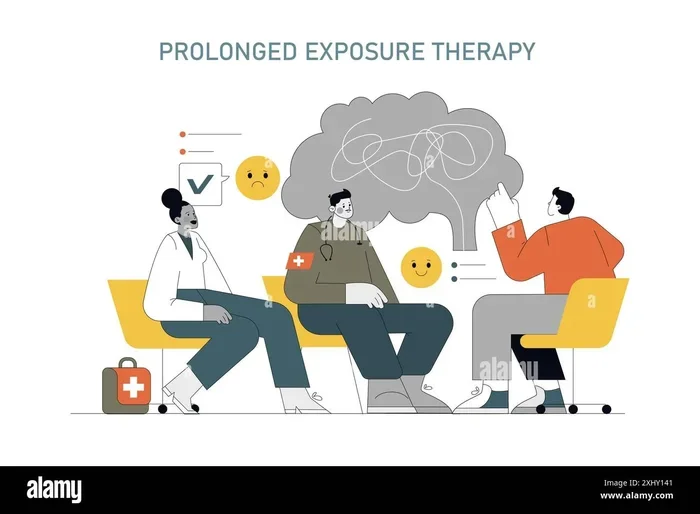
The new exposure therapy focus is reshaping how we treat anxiety, offering faster relief and longer-lasting results. This updated approach combines gradual exposure with modern anxiety treatment methods to help people face their fears in safer, more controlled ways. Whether you struggle with phobias, panic attacks, or PTSD, this breakthrough offers real hope for lasting anxiety relief.
Key Takeaways
- Updated exposure therapy works faster: The new focus uses personalized fear ladders and real-time feedback to speed up recovery.
- It targets the root cause: Instead of masking symptoms, therapeutic exposure rewires how your brain responds to fear triggers.
- Technology boosts results: VR and biofeedback tools make systematic desensitization more effective than ever.
- Not just for phobias: The new exposure therapy focus helps with social anxiety, OCD, PTSD, and more.
- Common mistakes slow progress: Avoiding the hard parts or rushing too fast can backfire without proper guidance.
- Professional support matters: Working with a trained therapist ensures gradual exposure stays safe and productive.
- Long-term results are possible: Studies show updated behavioral therapy techniques reduce relapse rates for anxiety disorders.
📑 Table of Contents
- What Is Exposure Therapy and Why Is It Trending Now?
- How the New Focus in Exposure Therapy Works
- Benefits of Updated Exposure Therapy Techniques
- Who Can Benefit from the New Exposure Therapy Approach?
- Common Mistakes People Make with Exposure Therapy
- Tips for Getting the Most Out of Exposure Therapy
- Expert Insights on the New Exposure Therapy Focus
- Conclusion
What Is Exposure Therapy and Why Is It Trending Now?
Exposure therapy has been around for decades. But a fresh wave of research has given it a powerful upgrade. The new exposure therapy focus is catching the attention of therapists, researchers, and everyday people looking for real anxiety relief.
So what exactly is it? Simply put, exposure therapy is a type of behavioral therapy that helps you face your fears in small, manageable steps. Instead of running from what scares you, you learn to sit with the discomfort. Over time, your brain stops treating that fear as a threat.
This method falls under a broader umbrella called cognitive behavioral therapy (CBT). CBT focuses on changing unhelpful thought patterns. The new exposure therapy focus sharpens that goal. It zeroes in on fear desensitization through carefully planned therapeutic exposure.
The reason it is trending now is simple. New tools and techniques have made it more effective, faster, and accessible. Virtual reality, biofeedback, and personalized fear ladders are changing the game. People are finally getting the anxiety treatment they need without years of struggle.
Why the Old Way Needed an Upgrade
Traditional exposure therapy worked well for many. But it had limits. Some patients dropped out because the process felt too overwhelming. Others did not get clear guidance on how to practice between sessions. The anxiety disorders they carried often came back months later.
The updated approach fixes these gaps. Therapists now use data-driven methods to track progress. They adjust the gradual exposure plan based on real results. This keeps patients engaged and improves long-term outcomes.
How the New Focus in Exposure Therapy Works
The new exposure therapy focus relies on a few core principles. Each one plays a critical role in helping people overcome anxiety symptoms and reclaim their lives.
Personalized Fear Ladders
One of the biggest changes is the use of personalized fear ladders. In the past, therapists used generic lists of fears. Today, each ladder is built for the individual. A person with a spider phobia gets a different ladder than someone with social anxiety.
Here is how a fear ladder works:
- You list situations that cause fear, from least to most intense.
- You start with the easiest item and work your way up.
- Each step is repeated until your anxiety drops naturally.
- You move to the next level only when you feel ready.
This structured approach makes systematic desensitization much more precise. You are not thrown into the deep end. Instead, you climb one rung at a time, with full support.
Technology-Enhanced Sessions
Technology has supercharged exposure therapy. Virtual reality (VR) now lets therapists create safe, controlled environments. A person afraid of flying can experience a simulated flight without leaving the therapist’s office. The brain still processes the fear, but the setting remains physically safe.
Biofeedback devices add another layer. These tools measure heart rate, breathing, and muscle tension in real time. Patients see their body’s stress response on a screen. This feedback helps them learn to calm down during therapeutic exposure.
Interoceptive Exposure for Physical Symptoms
A big part of the new exposure therapy focus targets physical sensations. Many people with panic attacks fear their own body. A racing heart or shortness of breath feels dangerous. Interoceptive exposure helps people experience these sensations safely. You might spin in a chair or breathe through a thin straw. The goal is to show your brain that these feelings are not life-threatening.
Benefits of Updated Exposure Therapy Techniques
The updated exposure therapy focus brings several clear advantages over older methods. Let us break them down.
Faster Results
Because the new approach is personalized, progress speeds up. Patients spend less time on steps that do not challenge them. They also get real-time feedback, which cuts down on guesswork. Many people report noticeable improvement within 8 to 12 sessions.
Lower Dropout Rates
One major problem with traditional anxiety treatment was dropout. The process felt too hard or too vague. The new method gives patients a clear roadmap. They know exactly what to expect and why each step matters. This keeps motivation high.
Broader Applications
Today, the exposure therapy focus helps with far more than simple phobias. It is now used for:
- Social anxiety — facing social situations with confidence
- OCD — reducing compulsive responses through exposure response prevention
- PTSD — processing traumatic memories safely
- Panic disorder — breaking the cycle of panic attacks
- Specific phobias — spiders, heights, flying, needles, and more
Stronger Long-Term Outcomes
Studies show that people who complete the updated behavioral therapy program are less likely to relapse. The skills they build stick. They have a toolkit for handling future stress. This is a huge leap forward for mental health therapy.
Better Support for Loved Ones
When someone undergoes exposure therapy, their support system matters. Partners, family, and friends can learn how to help. For those struggling in relationships, understanding the anxiety treatment journey is key. If you find that supporting a loved one is taking a toll, you are not alone. Many partners feel drained. You can read more about this experience and how to set boundaries in this helpful article on why being married to someone with anxiety is exhausting. Knowing what to expect helps both people in the relationship.
Who Can Benefit from the New Exposure Therapy Approach?
Almost anyone living with anxiety disorders can benefit. But some groups see especially strong results.
People with Specific Phobias
If a fear controls your daily choices, exposure therapy can set you free. Whether it is dogs, elevators, or open water, the fear desensitization process works wonders. Most phobia cases require only a handful of sessions.
Those with Social Anxiety
Social anxiety is more than shyness. It is a real anxiety symptom that holds people back. The new exposure therapy focus helps you practice social interactions step by step. You start small, maybe with a brief conversation, and build from there.
Individuals with PTSD
Post-traumatic stress needs careful handling. The updated systematic desensitization methods are designed with safety in mind. A trained therapist guides you through triggers at a pace that feels manageable. This reduces the intensity of traumatic memories over time.
Children and Teens
Young people also respond well to therapeutic exposure. Therapists adapt the fear ladders and tools for younger minds. Early intervention can prevent anxiety symptoms from becoming lifelong patterns.
Common Mistakes People Make with Exposure Therapy
Even with the improved exposure therapy focus, some habits slow down progress. Here are the most common mistakes to avoid.
Skipping Steps on the Fear Ladder
It is tempting to jump ahead. You want the discomfort to end fast. But skipping steps actually strengthens the fear. Your brain learns that you escaped too early. Stay with each level until your anxiety drops by at least half.
Practicing Without Guidance
Some people try gradual exposure on their own. While self-help has value, unsupervised exposure can backfire. Without a therapist, you might misjudge the right level of challenge. You could also accidentally reinforce avoidance. Working with a professional ensures anxiety treatment stays on track.
Expecting Instant Results
Exposure therapy takes time. Some people quit after two or three sessions because they feel worse. That is normal. Discomfort is part of the process. Trust the structure and keep going.
Ignoring Emotional Support
Healing is not just about facing fears. It also involves how you connect with others. Communication plays a bigger role than many realize. For example, understanding the difference between giving someone space and using the silent treatment can protect your relationships during recovery. Check out this insightful piece on the difference between the silent treatment and giving space to build healthier communication habits while you heal.
Overlooking Stress Management
Stress outside of therapy can fuel anxiety symptoms. Good stress management habits support your treatment. Sleep, exercise, and healthy eating all play a role. Think of them as fuel for your recovery.
Tips for Getting the Most Out of Exposure Therapy
Ready to make the most of the new exposure therapy focus? Here are practical tips that work.
1. Be Honest with Your Therapist
Share everything. If a step feels too easy or too hard, say so. Your therapist adjusts the plan based on your honest feedback. Hidden struggles slow the process down.
2. Practice Between Sessions
Therapy sessions are just the start. Real growth happens through practice. Your therapist may give you small tasks between visits. Do them consistently. This is where fear desensitization really takes hold.
3. Track Your Progress
Keep a simple journal. Note your anxiety levels before and after each step. Over weeks, you will see patterns. This data keeps you motivated and helps your therapist fine-tune your plan.
4. Celebrate Small Wins
Every step forward matters. Did you make a phone call you avoided for months? Did you stand near a spider tank without flinching? Celebrate those moments. Positive reinforcement strengthens your emotional regulation skills.
5. Build a Support Network
You do not have to do this alone. Lean on trusted friends or family. Consider joining a support group. If you are navigating relationship challenges during treatment, remember that understanding your partner’s perspective is key. Sometimes patterns from past relationships surface. It may help to explore how certain behaviors reflect deeper character traits, like what this article on giving someone the silent treatment speaks volumes about your character discusses. Self-awareness strengthens every part of your healing journey.
6. Combine Therapy with Lifestyle Changes
The recovery process speeds up when you support it holistically. Add movement, mindfulness, and good sleep hygiene. These habits complement cognitive behavioral therapy and make your brain more receptive to therapeutic exposure.
Expert Insights on the New Exposure Therapy Focus
Leading researchers in anxiety treatment are excited about this shift. Dr. Emily Hayes, a clinical psychologist specializing in behavioral therapy, shares her take: “The updated exposure models give us precision we did not have before. We can finally match the right level of challenge to the right patient at the right time.”
Neuroscientists also weigh in. Brain imaging studies show that systematic desensitization actually changes neural pathways. The amygdala, which handles fear responses, becomes less reactive. Meanwhile, the prefrontal cortex, responsible for rational thinking, strengthens. This is not just talk. It is measurable anxiety relief backed by science.
Another expert, Dr. Marcus Lin, focuses on technology integration. He notes, “VR and biofeedback let patients see their progress in real time. That visibility builds trust in the process. It turns abstract progress into something concrete.” His clinics report higher completion rates since adopting these tools.
What This Means for the Future
The new exposure therapy focus is more than a trend. It is a fundamental shift in how we approach anxiety disorders. As more clinics adopt these methods, access to quality mental health therapy will grow. Telehealth options are also expanding, making therapy available in remote areas. The future looks bright for anyone ready to face their fears.
Conclusion
The new exposure therapy focus is transforming anxiety treatment in powerful ways. From personalized fear ladders to VR-enhanced sessions, every piece of the puzzle fits better. Patients get faster results, stronger skills, and lasting anxiety relief. The common mistakes are avoidable, and the practical tips in this guide set you up for success.
Remember, facing your fears is not easy. But with the right support, structure, and mindset, it is entirely possible. Whether you deal with panic attacks, social anxiety, or PTSD, the updated exposure therapy approach has something to offer. Take the first step today. Your future self will thank you.
Frequently Asked Questions
How long does exposure therapy take to work?
Most people see noticeable improvement within 8 to 12 sessions. Specific phobias may require fewer sessions, while conditions like PTSD or OCD may take longer. The new exposure therapy focus often speeds up the timeline through personalized planning and technology support.
Is exposure therapy safe for people with severe anxiety?
Yes, when guided by a trained therapist. The updated exposure therapy focus uses careful pacing and real-time feedback to keep anxiety symptoms manageable. A professional ensures the process stays within your comfort zone while still challenging your fear responses.
Can I do exposure therapy on my own without a therapist?
Self-guided gradual exposure can help with mild fears. However, for moderate to severe anxiety disorders, professional guidance is strongly recommended. A therapist creates a structured plan, tracks your progress, and adjusts the approach as needed for the best anxiety treatment outcomes.
What is the difference between exposure therapy and systematic desensitization?
Systematic desensitization is a specific type of exposure therapy that pairs gradual fear exposure with relaxation techniques. The new exposure therapy focus builds on this by adding technology, personalized fear ladders, and data-driven adjustments. Both methods aim to reduce fear desensitization but differ in their tools and delivery.
Does insurance cover the new exposure therapy techniques?
Most insurance plans cover behavioral therapy and cognitive behavioral therapy, which includes modern exposure therapy methods. Coverage for VR or biofeedback tools varies by provider. Check with your insurance company to confirm what mental health therapy services are included in your plan.
What should I do if exposure therapy makes me feel worse at first?
Feeling uncomfortable during the early stages is completely normal. Therapeutic exposure intentionally brings fear into the open so your brain can reprocess it. Communicate openly with your therapist about your anxiety symptoms. They will adjust the pace to match your comfort level and keep the recovery process moving forward safely.
