
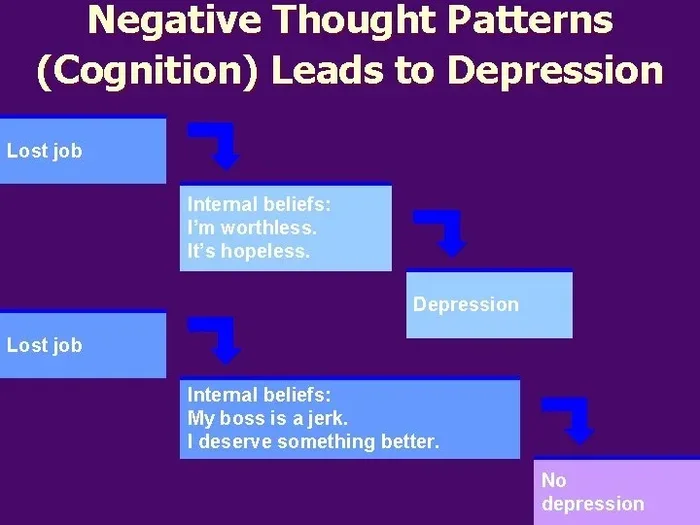
Negativity bias in emotional and cognitive dysregulation is the brain’s tendency to fixate on negative experiences, thoughts, and emotions, which disrupts healthy emotional regulation and distorts thinking patterns. This powerful mental habit can amplify stress, damage relationships, and weaken your psychological resilience over time. Understanding this bias is the first step toward reclaiming control of your emotional health and building stronger coping strategies. In this guide, we break down what negativity bias is, how it connects to emotional and cognitive dysregulation, and the proven methods you can use to overcome it.
We all have moments where everything seems to go wrong. A single critical comment from a coworker can overshadow an entire day of praise. A bad test score feels like proof that you are failing at life. This tendency to zoom in on the negative is not just a bad mood. It is a well-documented psychological phenomenon called negativity bias, and when it intersects with emotional and cognitive dysregulation, it can seriously affect your mental health and quality of life.
The good news is that understanding this bias is the first step toward change. Your brain is not broken. It is simply operating on outdated wiring that once helped our ancestors survive dangerous situations. Today, that same wiring can make you feel overwhelmed, anxious, and stuck in cycles of negative thinking. The more you learn about how negativity bias drives emotional and cognitive dysregulation, the better equipped you become to manage it.
This guide walks you through everything you need to know. We will explore what negativity bias actually is, how it disrupts your emotional regulation and thought processes, and the practical steps you can take to build a more balanced mindset. Whether you are dealing with everyday stress or more serious mental health challenges, the insights here will give you a clear path forward.
Key Takeaways
- Negativity bias is a natural brain mechanism: Your mind is wired to prioritize negative experiences, which can trigger emotional and cognitive dysregulation if left unchecked.
- It affects both emotions and thinking patterns: Negativity bias fuels cognitive distortions, rumination, and emotional overwhelm that impact daily life.
- Recognizing the signs is essential: Common symptoms include catastrophic thinking, emotional flooding, and difficulty bouncing back from setbacks.
- Practical strategies work: Techniques like cognitive reframing, mindfulness, and emotional awareness can help rewire your response to negative stimuli.
- Professional support makes a difference: Therapy approaches like cognitive behavioral therapy are highly effective for managing chronic negativity bias.
- Relationships are deeply affected: Negativity bias can distort how you perceive partners, friends, and family, leading to miscommunication and conflict.
- Change takes time and practice: Overcoming negativity bias is a gradual process that requires consistency, patience, and self-compassion.
📑 Table of Contents
- What Is Negativity Bias and Why Does It Matter?
- Common Signs of Negativity Bias in Daily Life
- Practical Strategies to Overcome Negativity Bias
- When Negativity Bias Signals Something Deeper
- How to Protect Your Relationships from Negativity Bias
- The Science Behind Negativity Bias and the Brain
- Key Takeaways
- Conclusion
What Is Negativity Bias and Why Does It Matter?
Negativity bias is the brain’s natural tendency to give more weight to negative experiences than positive ones. Psychologists have studied this phenomenon for decades, and the findings are consistent. A single negative event often has a stronger impact on your mood, thoughts, and behavior than several positive events combined.
Think about it this way. Imagine you receive nine compliments and one piece of criticism at work. Chances are, that one criticism will stick with you far longer than the nine compliments. This is negativity bias at work. It is not a character flaw. It is an evolutionary survival mechanism. Our ancestors needed to remember dangers and threats to stay alive, so the brain evolved to prioritize negative information.
How Negativity Bias Affects Emotional Regulation
When negativity bias takes over, your emotional regulation suffers significantly. Emotional regulation is your ability to manage and respond to emotional experiences in a healthy way. Without it, you may find yourself reacting intensely to situations that others handle with ease.
Negativity bias amplifies your stress response. A minor disagreement with a partner can trigger feelings of anger, sadness, or fear that feel disproportionate to the situation. You might ruminate on the negative comment for hours or days, replaying it in your mind and analyzing every word. This rumination keeps your body in a heightened state of stress, which drains your energy and weakens your ability to cope with future challenges.
Over time, chronic emotional dysregulation can lead to anxiety, depression, and relationship problems. The constant flood of negative thoughts and emotions can make you feel like you are always walking on eggshells, waiting for the next thing to go wrong.
The Connection to Cognitive Dysregulation
Cognitive dysregulation refers to difficulties in organizing, processing, and managing your thoughts. When negativity bias enters the picture, it distorts your thinking in powerful ways. You start to believe that your negative thoughts are facts, even when they are not.
For example, if a friend does not reply to your text right away, your negativity bias might tell you that they are angry at you or that you said something wrong. This is a cognitive distortion. Your mind fills in the gaps with worst-case scenarios, and before you know it, you are spiraling into anxiety. Cognitive distortions like these are at the heart of many mental health struggles, from generalized anxiety to mood disorders.
Negativity bias also affects your decision-making. When you focus too heavily on potential risks and negative outcomes, you may avoid opportunities, second-guess yourself constantly, or struggle to make choices confidently. This pattern of negative thinking patterns can hold you back in every area of life.
Common Signs of Negativity Bias in Daily Life
Recognizing negativity bias in your own life is not always easy. It operates quietly, shaping how you interpret events without you even realizing it. Here are some common signs that negativity bias may be driving emotional or cognitive dysregulation in your daily routine.
You dwell on mistakes longer than successes. You might make a mistake at work and think about it for days, even though you completed ten tasks perfectly that same day. Your mind gives the mistake all the attention.
You assume the worst in ambiguous situations. When something is unclear, you automatically jump to the most negative interpretation. A partner being quiet becomes proof they are upset with you, rather than just having a bad day.
You struggle to accept compliments or positive feedback. When someone praises you, you brush it off or attribute it to luck rather than your own effort and ability.
You experience frequent emotional overwhelm. Small setbacks trigger intense emotional responses that feel impossible to manage. You may cry, shut down, or lash out in ways that surprise you afterward.
You engage in rumination. You replay negative events over and over in your mind, trying to analyze what went wrong. This cycle of rumination keeps you stuck and prevents you from moving forward.
Your relationships suffer. Negativity bias can cause you to misinterpret your partner’s or friend’s intentions. You may pick up on perceived slights that are not there, leading to unnecessary conflict and miscommunication. If you notice this pattern, understanding how to deal with miscommunication and different love languages can be a helpful step toward healthier interactions.
Practical Strategies to Overcome Negativity Bias
The brain is remarkably adaptable. Through a process called neuroplasticity, you can train your brain to notice positive experiences and reduce the grip of negativity bias. It takes consistent effort, but the results are worth it.
1. Practice Cognitive Reframing
Cognitive reframing is a technique used in cognitive behavioral therapy that involves changing how you interpret negative events. Instead of seeing a setback as a failure, you learn to view it as a learning opportunity. For instance, if you receive negative feedback on a project, reframe it as valuable information that can help you grow rather than as a personal attack.
This strategy directly addresses cognitive dysregulation by giving your brain a new script to follow. Over time, reframing becomes more automatic, and the emotional intensity of negative events decreases.
2. Build Emotional Awareness
Emotional awareness means paying attention to your feelings without judgment. When a negative emotion arises, pause and name it. Say to yourself, “I am feeling anxious right now” or “I notice anger coming up.” This simple act creates distance between you and the emotion, making it easier to manage.
Emotional awareness is a cornerstone of emotional regulation. When you can identify what you are feeling, you are less likely to be controlled by it. This practice also strengthens your emotional intelligence, which helps you navigate relationships and challenges with greater skill.
3. Use Mindfulness to Stay Present
Mindfulness is the practice of paying attention to the present moment without getting caught up in negative thoughts about the past or future. When you feel a wave of negativity washing over you, mindfulness helps you observe it without being swept away by it.
Even a few minutes of mindful breathing each day can reduce the intensity of your stress response. Over time, mindfulness trains your brain to let negative thoughts pass through your awareness without attaching to them. This is one of the most effective ways to calm both emotional and cognitive dysregulation.
4. Create a Positivity Log
Since negativity bias makes you focus on the negative, a deliberate counter-practice can help balance the scales. At the end of each day, write down three positive things that happened, no matter how small. Did you enjoy a good cup of coffee? Did someone smile at you? Did you complete a task you had been putting off?
This simple exercise trains your brain to scan for positive experiences throughout the day. Over weeks and months, you will notice that your default pattern of negative emotions begins to shift. You start to see more good in your life, which strengthens your psychological resilience.
5. Strengthen Your Coping Strategies
Having a toolkit of healthy coping strategies is essential for managing the effects of negativity bias. Physical exercise, spending time in nature, talking to a trusted friend, and engaging in creative hobbies all help regulate your emotions and calm your mind.
If you are going through personal challenges, staying healthy and positive requires intentional effort. Check out resources on how to stay healthy and positive in personal challenges for additional strategies that can support your mental and emotional well-being.
When Negativity Bias Signals Something Deeper
Sometimes, negativity bias is more than just a habit. It can be a symptom of deeper emotional or psychological issues that need professional attention. If your negative thinking patterns are persistent, intense, or interfering with your daily functioning, it is important to take that seriously.
For example, people living with mood disorders like bipolar disorder often experience heightened negativity bias. When someone is dealing with someone who is bipolar and angry, the negativity can feel overwhelming and confusing. Understanding the condition and learning effective communication strategies can make a significant difference for both the person experiencing the symptoms and their loved ones.
Similarly, chronic negativity bias can sometimes be linked to experiences of emotional abuse. Why stonewalling is the most overlooked form of emotional abuse is a topic worth exploring if you notice that shutting down or withdrawing has become your default response to conflict. Recognizing these patterns is a brave and important step toward healing.
Therapy, especially cognitive behavioral therapy, is one of the most effective ways to address deep-rooted negativity bias. A trained therapist can help you identify your specific cognitive distortions, challenge them, and replace them with healthier thought patterns. There is no shame in seeking help. It is one of the strongest things you can do for your mental health.
How to Protect Your Relationships from Negativity Bias
Negativity bias does not just affect you. It affects everyone around you. When you are wired to focus on the negative, your relationships can suffer in ways you might not immediately recognize.
You might criticize your partner more than you compliment them. You might interpret their neutral actions as hostile. You might withdraw during conflicts instead of communicating openly. All of these behaviors stem from the brain’s negative filtering system, and all of them can be changed.
One of the most powerful things you can do is schedule regular check-ins with your partner. Asking each other relationship check-in questions every couple should ask weekly creates a safe space for honest communication and helps both partners feel heard and valued. This simple habit can counteract the distortion that negativity bias creates in intimate relationships.
Additionally, working on your own emotional regulation benefits your entire social circle. When you respond to situations with balance and clarity rather than reacting from a place of negativity, people around you feel safer and more connected.
The Science Behind Negativity Bias and the Brain
Understanding the science of negativity bias can be empowering. When you know why your brain does what it does, it becomes easier to work with it rather than against it.
Research in neuroscience shows that negative stimuli activate the amygdala, the brain’s threat detection center, more strongly than positive stimuli. This means your brain literally processes negative information faster and more deeply. The fight-or-flight response kicks in more readily when faced with perceived threats, even those that are not truly dangerous.
Brain chemistry also plays a role. Neurotransmitters like serotonin and dopamine influence your mood and thought patterns. When negativity bias disrupts the balance of these chemicals, it can contribute to emotional dysregulation and persistent low mood. This is why strategies that boost brain health, such as exercise, good nutrition, and quality sleep, are so important for managing negativity bias.
The brain’s plasticity means it can change at any age. Every time you practice a new thought pattern, you strengthen the neural pathways associated with that pattern. Over time, the pathways associated with negativity weaken, and the pathways associated with balanced, positive thinking grow stronger. This is the foundation of lasting change.
Key Takeaways
- Negativity bias is a natural brain mechanism: Your mind is wired to prioritize negative experiences, which can trigger emotional and cognitive dysregulation if left unchecked.
- It affects both emotions and thinking patterns: Negativity bias fuels cognitive distortions, rumination, and emotional overwhelm that impact daily life.
- Recognizing the signs is essential: Common symptoms include catastrophic thinking, emotional flooding, and difficulty bouncing back from setbacks.
- Practical strategies work: Techniques like cognitive reframing, mindfulness, and emotional awareness can help rewire your response to negative stimuli.
- Professional support makes a difference: Therapy approaches like cognitive behavioral therapy are highly effective for managing chronic negativity bias.
- Relationships are deeply affected: Negativity bias can distort how you perceive partners, friends, and family, leading to miscommunication and conflict.
- Change takes time and practice: Overcoming negativity bias is a gradual process that requires consistency, patience, and self-compassion.
Conclusion
Negativity bias in emotional and cognitive dysregulation is a challenge that millions of people face every day, but it is not a life sentence. Your brain has the incredible ability to change and grow, even well into adulthood. By understanding how negativity bias works and committing to practical strategies like cognitive reframing, mindfulness, and emotional awareness, you can gradually shift your thought patterns and emotional responses.
Remember that progress is not about perfection. Some days will be harder than others, and that is completely normal. What matters is that you keep showing up for yourself. Every small step you take toward managing your negativity bias is a step toward a healthier, more balanced life. Start with one strategy today, be patient with yourself, and trust that the effort will pay off over time.
If you find that negativity bias is deeply affecting your mental health or relationships, do not hesitate to reach out for professional support. You deserve to feel balanced, hopeful, and in control of your emotional world.
Frequently Asked Questions
What is negativity bias in simple terms?
Negativity bias is the brain’s tendency to give more attention and weight to negative experiences than positive ones. It means a single bad event can affect your mood and thoughts more strongly than several good events combined. This is a natural survival mechanism, but it can cause problems when it dominates your thinking.
How does negativity bias cause emotional dysregulation?
Negativity bias amplifies your emotional responses to negative events. It makes small setbacks feel overwhelming and keeps your body in a prolonged stress state. This constant emotional flooding makes it harder to manage your feelings in a healthy way, leading to emotional dysregulation over time.
Can negativity bias be reversed?
Yes, negativity bias can be significantly reduced through consistent practice. Techniques like cognitive reframing, mindfulness, and keeping a positivity log help train your brain to notice and appreciate positive experiences. The brain’s neuroplasticity means it can form new thought patterns at any age.
Is negativity bias linked to anxiety and depression?
Yes, chronic negativity bias is closely linked to anxiety and depression. When your brain constantly focuses on negative thoughts and experiences, it can create a cycle of rumination and hopelessness that fuels both conditions. Addressing negativity bias is often a key part of treating these mental health challenges.
How does negativity bias affect relationships?
Negativity bias can cause you to misinterpret your partner’s or friend’s actions in a negative light. You may focus on criticisms more than compliments, assume the worst in ambiguous situations, and react defensively during conflicts. This pattern can erode trust and communication over time if not addressed.
When should I seek professional help for negativity bias?
You should consider professional help if negativity bias is significantly impacting your daily life, relationships, or mental health. If you find that your negative thinking is persistent, intense, or leading to anxiety, depression, or emotional overwhelm, a therapist can provide targeted strategies and support to help you regain balance.
