
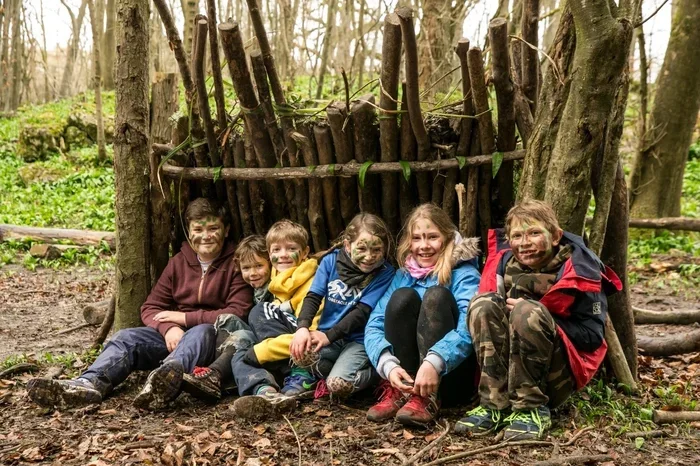
Cultivating grit through outdoor education versus physical education offers two powerful but distinct paths to student growth. Outdoor education builds resilience through real-world challenges and adventure, while physical education develops discipline through structured fitness and sports. Understanding both approaches helps educators create stronger, more well-rounded learning experiences.
Every parent and teacher wants to see kids grow into resilient, determined adults. But how do we actually build that inner strength? The debate between cultivating grit outdoor education versus physical education has sparked important conversations in schools and communities everywhere. Both approaches promise to develop character, but they take very different paths to get there.
Outdoor education throws students into unpredictable, real-world situations. They climb rocks, navigate trails, and solve problems in the wild. Physical education takes a more structured approach. Students build strength, endurance, and discipline through organized sports and fitness routines. Each method has real value. The question is which one best develops lasting grit.
In this article, we will explore both approaches in depth. You will learn what makes each one effective, where they differ, and how combining them creates the strongest outcomes for students. Let us dive in.
Key Takeaways
- Outdoor education builds grit through real-world challenges: Students face unpredictable situations that teach perseverance and problem-solving.
- Physical education strengthens discipline and body-mind connection: Structured activities build mental toughness through consistent effort.
- Both approaches develop character but in different ways: Outdoor learning focuses on adaptability while PE focuses on structured growth.
- Combining both methods creates the best outcomes: A balanced approach gives students the full spectrum of grit-building experiences.
- Educators must sometimes compromise vs sacrifice program time: Finding the right balance ensures neither approach gets shortchanged.
- Grit is a learnable skill: With the right environment and guidance, any student can develop resilience and determination.
📑 Table of Contents
- What Is Grit and Why Does It Matter in Education
- Understanding Outdoor Education and Its Role in Building Grit
- Physical Education: Building Strength and Discipline
- Key Differences Between Outdoor Education and Physical Education
- How to Combine Both Approaches for Maximum Impact
- Common Mistakes in Grit Development Programs
- Final Thoughts on Cultivating Grit Through Education
What Is Grit and Why Does It Matter in Education
Grit is more than just toughness. It is the ability to keep going when things get hard. Psychologist Angela Duckworth popularized the concept, showing that perseverance and passion for long-term goals predict success better than talent alone.
In education, grit shows up in many ways. A student who struggles with a math problem but keeps trying demonstrates grit. A child who falls during a hike but gets back up and keeps walking shows it too. Both examples matter, but they come from different learning environments.
Why Grit Matters More Than Ever
Today’s students face more distractions and pressures than previous generations. Social media, academic stress, and social challenges can all wear down a young person’s resolve. Building grit helps students push through these obstacles. It gives them tools to handle failure, setbacks, and uncertainty.
Schools that focus on character development see better attendance, higher graduation rates, and stronger student well-being. Grit is not just a buzzword. It is a foundational life skill that prepares young people for real-world success.
Understanding Outdoor Education and Its Role in Building Grit
Outdoor education takes learning beyond the classroom walls. Students engage with nature, face physical challenges, and work together to overcome obstacles. Programs might include hiking, camping, rock climbing, kayaking, or survival skills training.
The core idea is simple. When students step outside their comfort zones, they discover what they are truly made of. They learn that they can handle discomfort, uncertainty, and even fear.
How Outdoor Challenges Build Mental Toughness
Imagine a student standing at the base of a rock wall for the first time. Their heart races. Their palms sweat. They are scared. But with encouragement from peers and instructors, they start climbing. Halfway up, they want to quit. But they keep going. And then they reach the top.
That moment changes something inside them. They realize they are stronger than they thought. This is how outdoor education builds grit. It creates experiences that cannot be replicated in a gym or classroom.
The Power of Experiential Learning
Outdoor education relies heavily on experiential learning. Students learn by doing, not just by listening. They make mistakes in real time and adjust their approach. This hands-on method creates deep, lasting lessons.
Research shows that students who participate in outdoor programs show improved confidence, better emotional regulation, and stronger leadership skills. The natural environment adds an extra layer of challenge that indoor settings simply cannot match.
When schools choose to invest time in outdoor programs, they often have to compromise vs sacrifice some traditional classroom hours. This trade-off is worth it because the lessons learned outdoors stick with students for life.
Key Benefits of Outdoor Education for Grit Development
- Builds adaptability: Weather changes, terrain shifts, and unexpected obstacles teach students to adjust on the fly.
- Encourages risk-taking: Students learn to assess risks and push past fear in a supported environment.
- Strengthens problem-solving skills: Real-world challenges require creative thinking and quick decisions.
- Fosters teamwork: Group activities build trust and communication skills.
- Creates lasting memories: Experiential moments create emotional connections that reinforce learning.
Physical Education: Building Strength and Discipline
Physical education has been a staple of school curricula for decades. It focuses on physical fitness, motor skills, and health education. PE classes typically include sports, drills, stretching, and fitness assessments.
While outdoor education emphasizes adventure and unpredictability, PE emphasizes structure and consistency. Both build grit, but through different mechanisms.
How Structured Physical Activity Develops Perseverance
Think about a student running laps or practicing free throws over and over. It is repetitive. It is sometimes boring. But the discipline required to show up, put in the work, and keep improving builds mental strength. This is the grit that comes from consistent effort over time.
Physical education teaches students that progress comes from showing up every day. Not every workout is exciting. Not every game goes their way. But pushing through the mundane builds a kind of resilience that serves students well in all areas of life.
The Role of Competition in Character Building
Many PE programs include competitive sports. Winning and losing are powerful teachers. Losing a game hurts, but it also teaches students how to cope with disappointment. They learn to get back up, analyze what went wrong, and try again.
Competition also teaches humility and sportsmanship. Students learn to congratulate opponents, support teammates, and handle both victory and defeat with grace. These are all components of a strong character.
Key Benefits of Physical Education for Grit Development
- Develops discipline: Regular practice and structured routines build habits of persistence.
- Improves physical confidence: Getting stronger and faster gives students a sense of achievement.
- Teaches goal-setting: Fitness goals require planning, effort, and patience.
- Builds social skills: Team sports teach communication, cooperation, and respect.
- Creates healthy habits: Students learn that taking care of their body is a form of self-respect.
Key Differences Between Outdoor Education and Physical Education
While both approaches develop grit, they do so in fundamentally different ways. Understanding these differences helps educators choose the right mix for their students.
| Aspect | Outdoor Education | Physical Education |
|---|---|---|
| Learning Environment | Natural, unpredictable settings | Gym, field, or structured indoor space |
| Primary Focus | Adventure, exploration, survival skills | Fitness, sports, motor skills |
| Grit Trigger | Unpredictable challenges and risk | Repetition and structured effort |
| Team Dynamic | Collaborative problem-solving | Competition and cooperation |
| Skill Development | Adaptability and resourcefulness | Discipline and consistency |
| Emotional Impact | High intensity, transformative moments | Gradual, cumulative growth |
The table above shows that neither approach is better than the other. They simply target different aspects of grit development. Outdoor education excels at building adaptive resilience, while physical education strengthens disciplined perseverance.
Schools that understand these differences can design programs that draw from both worlds. The key is recognizing that students need both types of challenges to develop fully rounded character.
How to Combine Both Approaches for Maximum Impact
The most effective programs do not choose between outdoor education and physical education. They blend both approaches to create a comprehensive grit-building experience. This integrated model gives students the best of both worlds.
Designing a Balanced Program
Start by identifying what students need most. Are they lacking confidence? Do they struggle with teamwork? Are they physically inactive? Each need points toward a different emphasis in the program mix.
Here are some practical ways to combine both approaches:
- Start with outdoor adventure days: Use quarterly outdoor excursions to build bonds and challenge students in new ways.
- Maintain regular PE classes: Keep the structured fitness and sports activities that build daily discipline.
- Integrate outdoor elements into PE: Take some PE sessions outside to add variety and natural challenges.
- Use reflection sessions: After any challenging activity, have students discuss what they learned and how they felt.
- Set personal goals in both areas: Encourage students to set fitness goals and outdoor adventure goals.
Finding the right balance sometimes requires educators to compromise vs sacrifice certain traditional activities. For example, reducing time on a less impactful indoor lesson to add an outdoor experience can pay dividends in student engagement and character growth.
Measuring Grit Development
How do you know if these programs are working? Look for observable changes in student behavior. Do students persist longer when tasks get difficult? Do they encourage peers who are struggling? Do they show more confidence in new situations?
Some schools use surveys and assessments to track grit growth over time. The Grit Scale developed by Angela Duckworth is one popular tool. Regular check-ins help educators adjust their programs for better results.
Common Mistakes in Grit Development Programs
Even well-meaning educators can make mistakes when trying to build grit. Avoiding these pitfalls leads to better outcomes for students.
- Overemphasizing competition: Too much focus on winning can discourage students who struggle athletically.
- Ignoring individual differences: Not every student thrives in the same environment. Some love outdoor adventure while others prefer structured sports.
- Skipping reflection: The learning happens when students process their experiences. Without reflection, challenges become just hard work.
- Pushing too hard too fast: Students need gradual progression. Throwing them into extreme challenges too early can cause burnout or fear.
- Neglecting safety: Outdoor activities carry real risks. Proper supervision and safety protocols are non-negotiable.
When programs avoid these mistakes, they create safe spaces where students can grow, challenge themselves, and develop genuine resilience.
Final Thoughts on Cultivating Grit Through Education
The conversation between cultivating grit outdoor education versus physical education is not about picking a winner. Both approaches play vital roles in developing resilient, determined young people. Outdoor education ignites transformation through adventure and challenge. Physical education builds steady, disciplined strength over time.
The best approach combines elements of both. Students need the unpredictable thrill of outdoor challenges. They also need the structured consistency of regular physical activity. Together, these experiences create a strong foundation of grit that serves them throughout life.
As educators, parents, and community members, our job is to give students access to both types of experiences. We must advocate for outdoor programs alongside quality PE classes. We must support schools that understand the value of both approaches.
When we invest in grit development, we invest in the future. Every student who learns to push through difficulty, who discovers their own strength, and who grows in confidence becomes a stronger member of our community. That is a return on investment that pays forever.
Start today. Look at your school’s current programs. Ask what is working and what could be better. Then take steps to bring more grit-building experiences into the lives of the students you serve. They will thank you for it.
Frequently Asked Questions
What is the main difference between outdoor education and physical education?
Outdoor education focuses on adventure, exploration, and unpredictable challenges in natural settings. Physical education focuses on structured fitness, sports, and consistent physical training. Both build grit, but through different methods and environments.
Can outdoor education replace physical education in schools?
Not entirely. Outdoor education and physical education serve complementary roles. PE provides structured fitness and health education that outdoor programs may not fully cover. The best approach combines both for well-rounded student development.
How does grit benefit students beyond school?
Grit helps students persist through challenges in college, careers, and personal life. Resilient individuals handle setbacks better, stay motivated toward long-term goals, and adapt more easily to change. These skills are valuable in every area of life.
What age is best for starting outdoor education programs?
Children can benefit from outdoor education at almost any age. Programs can be adapted for elementary, middle, and high school students. The key is matching the challenge level to the students’ age and experience for safety and growth.
How can teachers measure if a grit program is working?
Teachers can look for behavioral changes like increased persistence, better teamwork, and greater confidence in challenging situations. Some schools also use formal assessments like the Grit Scale to track progress over time.
Why is compromise sometimes necessary when designing education programs?
Schools have limited time and resources. Choosing to invest in outdoor experiences often means adjusting traditional schedules or activities. A thoughtful compromise ensures students get the benefits of both outdoor and physical education without sacrificing quality in either area.
=== CONCLUSION ===
Cultivating grit outdoor education versus physical education is not a battle. It is an opportunity to create a more complete learning experience for students. Outdoor education brings adventure, adaptability, and transformative moments. Physical education brings discipline, consistency, and physical confidence. Together, they build the kind of grit that lasts a lifetime.
Start small if you need to. Add an outdoor day to your school calendar. Extend a PE unit with a nature challenge. Watch how students respond. The results will speak for themselves.
