
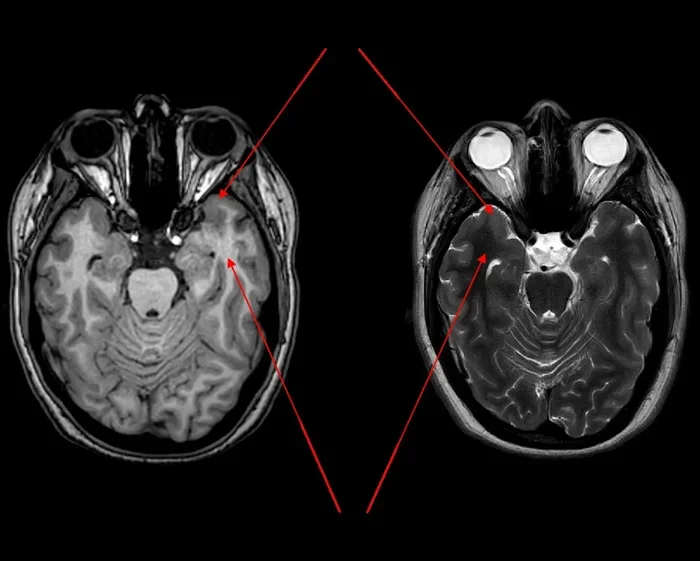
White matter in the brain is the tissue made of bundled nerve fibers that connects different brain regions and allows them to communicate. It plays a critical role in everything from thinking and learning to emotional regulation and motor control. Understanding white matter brain health helps explain how neural pathways shape our daily lives and long-term cognitive function.
Key Takeaways
- White matter is the communication highway of the brain: It connects gray matter regions and enables signals to travel across brain regions.
- Myelin is essential for speed and efficiency: The fatty sheath around nerve fibers determines how fast your brain processes information.
- White matter damage affects cognition and mood: Problems with white matter integrity can lead to memory loss, slowed thinking, and emotional difficulties.
- Brain health habits protect white matter: Exercise, sleep, nutrition, and stress management all support healthy cerebral tissue.
- White matter changes with age: Natural decline is normal, but lifestyle choices can slow the process significantly.
- Brain imaging can reveal white matter health: Tools like MRI help doctors assess brain connectivity and detect early problems.
- Children’s brain development depends on white matter growth: Early experiences shape the formation of neural pathways that last a lifetime.
📑 Table of Contents
- What Is White Matter In The Brain
- Why White Matter Matters For Brain Function
- Gray Matter Vs White Matter: What Is The Difference
- What Damages White Matter In The Brain
- How To Protect And Improve White Matter Health
- White Matter Changes Across The Lifespan
- When To See A Doctor About White Matter Concerns
- Conclusion
What Is White Matter In The Brain
The brain is made of two main types of tissue. One type is gray matter, which handles processing and decision-making. The other type is white matter in the brain, and it does something equally important. White matter acts as the wiring that connects different parts of the brain together.
Without white matter, your brain regions would work in isolation. You would not be able to think, move, speak, or feel the way you do now. White matter brain tissue gets its color from a fatty substance called myelin. Myelin wraps around nerve fibers like insulation around an electrical wire. This wrapping speeds up the signals that travel between brain cells.
Think of it this way. Gray matter is your computer’s processor. White matter is the cables that connect the processor to the keyboard, the screen, and the printer. If the cables are damaged or degraded, the whole system slows down. That is exactly what happens when white matter integrity declines.
How White Matter Forms
White matter development begins before birth and continues well into adulthood. During childhood, the brain produces massive amounts of myelin. This process is called myelination. It is what allows babies to gradually learn to crawl, walk, talk, and think more complex thoughts.
The frontal lobe, which controls planning and decision-making, is one of the last areas to fully myelinate. This is why teenagers often struggle with impulse control. Their brain connectivity is still under construction. This developmental timeline shows just how important white matter is for every stage of life.
Why White Matter Matters For Brain Function
White matter is not just structural filler. It is the backbone of every cognitive function you rely on daily. When white matter is healthy, signals travel quickly and efficiently between brain regions. This means faster thinking, better memory, and smoother coordination.
Here are the key functions that depend on healthy white matter in the brain:
- Memory formation and recall: Signals must travel between the hippocampus and the cortex to store and retrieve memories.
- Emotional regulation: Connections between the prefrontal cortex and the amygdala rely on intact white matter tracts.
- Motor control: Messages from the brain to the muscles travel through white matter pathways in the spinal cord.
- Language processing: Speaking, reading, and understanding language require communication between multiple brain regions.
- Attention and focus: The ability to concentrate depends on networks that span across large areas of the brain.
When these pathways are damaged, the effects can be wide-ranging. People with white matter disease often experience slowed thinking, difficulty walking, mood changes, and memory problems. This is why researchers now consider white matter health a central factor in overall brain function.
White Matter And Mental Energy
Have you ever wondered why your brain feels tired after a long day? The answer partly lies in white matter efficiency. When neural pathways are well-insulated with myelin, the brain uses less energy to send signals. This is one reason why brain energy and white matter health are closely linked. Research on what does energy have to do with mental health shows that poor white matter connectivity can contribute to mental fatigue and low motivation.
Gray Matter Vs White Matter: What Is The Difference
People often confuse gray matter and white matter. They are both essential, but they serve very different roles. Understanding the difference helps you appreciate how the brain works as a unified system.
| Feature | Gray Matter | White Matter |
|---|---|---|
| Location | Outer layer of the brain | Deeper inner regions |
| Main Components | Cell bodies, dendrites, synapses | Axons wrapped in myelin |
| Primary Role | Processing information | Transmitting signals between regions |
| Color | Grayish-pink | White (due to myelin) |
| Damage Effects | Loss of specific functions | Disrupted communication between regions |
| Development | Mostly complete by early adulthood | Continues developing into the 30s |
Both types of tissue work together constantly. Gray matter processes what you see, hear, and feel. White matter sends that information to the right places for action. Neither can function well without the other. This is why brain health depends on protecting both gray and white matter.
What Damages White Matter In The Brain
White matter damage can happen for many reasons. Some causes are within your control. Others are not. Here are the most common threats to white matter integrity:
Age-Related Decline
As you get older, myelin naturally thins. This is a normal part of aging. However, the rate of decline varies greatly from person to person. Some people maintain sharp cognitive function well into old age. Others experience significant slowdowns. The difference often comes down to lifestyle factors and genetics.
Chronic Stress And Mental Health
Long-term stress takes a serious toll on the brain. Cortisol, the stress hormone, can break down myelin over time. Studies have shown that chronic stress reduces white matter connectivity in key brain regions. This is especially true for people who experienced childhood trauma. The impact of childhood mental health on adult work capacity is closely tied to how early stress affects brain development and white matter formation.
Vascular Disease And Poor Blood Flow
White matter is highly dependent on a steady blood supply. Conditions like high blood pressure, diabetes, and high cholesterol can damage the small blood vessels that feed white matter. This is called small vessel disease. Over time, it leads to white matter lesions that disrupt signal transmission.
Traumatic Brain Injury
A blow to the head can shear nerve fibers and tear myelin. Even mild concussions can cause temporary white matter damage. Repeated injuries, such as those seen in contact sports, can lead to cumulative white matter deterioration over time.
Lack Of Physical Activity
Exercise is one of the most powerful protectors of white matter. Sedentary lifestyles are linked to faster white matter decline. Physical activity increases blood flow to the brain and promotes the production of growth factors that support myelin maintenance.
How To Protect And Improve White Matter Health
The good news is that white matter in the brain is more resilient than many people think. Your brain has the ability to adapt and even repair itself. This property is called neuroplasticity. You can take active steps to support healthy white matter integrity at any age.
Exercise Regularly
Aerobic exercise is the single best thing you can do for your white matter. Activities like brisk walking, swimming, and cycling increase blood flow and stimulate myelin production. Aim for at least 150 minutes of moderate exercise per week. Even short daily walks make a measurable difference.
Prioritize Quality Sleep
Sleep is when your brain repairs and rebuilds. During deep sleep, the glymphatic system clears waste products from brain tissue. Poor sleep over time accelerates white matter damage. Most adults need 7 to 9 hours of quality sleep per night to support optimal brain health.
Eat Brain-Supporting Foods
Myelin is made largely of fat, so dietary fats matter for white matter. Omega-3 fatty acids found in fish, walnuts, and flaxseed support myelin repair. Leafy greens, berries, and whole grains provide antioxidants that protect cerebral tissue from oxidative stress. A Mediterranean-style diet is one of the best patterns for brain health.
Manage Stress Effectively
Chronic stress is one of the biggest enemies of white matter. Finding healthy ways to manage stress can protect your neural pathways over the long term. Practices like meditation, deep breathing, and spending time in nature have all been shown to reduce stress hormones and support brain health.
Stay Socially And Mentally Active
Engaging in challenging activities keeps your brain forming new connections. Learning a new skill, reading, doing puzzles, and having meaningful conversations all stimulate brain connectivity. Social interaction is especially powerful because it engages multiple brain regions at once.
White Matter Changes Across The Lifespan
White matter development follows a unique trajectory across the human lifespan. Understanding this timeline helps you know what to expect and how to support your brain at every stage.
In infancy and early childhood, myelination happens rapidly. This is why young children learn so quickly. They are building the foundational neural pathways that will serve them for life. Children in foster care often face disruptions during this critical period. Research shows that do children in foster care have mental health issues is a question tied directly to how early environments affect brain development, including white matter formation.
During adolescence, the frontal lobe undergoes significant myelination. This is the brain’s final major construction project. It explains why young adults develop better judgment and impulse control in their twenties.
In adulthood, white matter reaches its peak efficiency. This is the time to build habits that will protect your brain for decades to come. After age 40, gradual thinning of myelin begins. But as mentioned earlier, lifestyle choices can significantly slow this process.
In older age, maintaining white matter integrity becomes even more important. Regular exercise, cognitive engagement, and social connection are the three pillars of healthy brain aging. The brain retains remarkable plasticity even in later years, which means it is never too late to start caring for your white matter brain health.
When To See A Doctor About White Matter Concerns
Most changes in white matter are gradual and age-related. However, sudden or severe changes warrant medical attention. If you or a loved one experience any of the following, consult a healthcare provider:
- Sudden confusion or difficulty thinking clearly
- Unexplained mood swings or personality changes
- Difficulty walking or loss of coordination
- Significant memory loss that interferes with daily life
- Numbness or weakness on one side of the body
Doctors can use brain imaging techniques like MRI to assess white matter condition. Early detection of white matter disease allows for intervention before significant damage occurs. Do not wait for symptoms to become severe. Your brain health deserves proactive attention.
Conclusion
White matter in the brain is far more than just background tissue. It is the communication network that makes everything you think, feel, and do possible. From childhood development to aging, your white matter health shapes your quality of life in profound ways.
The good news is that you have more control than you might think. Exercise, sleep, nutrition, stress management, and social engagement all support the health of your neural pathways. By taking care of your white matter today, you invest in a sharper, healthier brain for tomorrow. Start with one small change. Your future self will thank you.
Frequently Asked Questions
What is the function of white matter in the brain?
White matter connects different regions of the brain and allows them to communicate. It transmits signals between gray matter areas, enabling thinking, movement, memory, and emotional regulation. Without white matter, your brain regions would work in isolation and could not coordinate complex tasks.
Can white matter in the brain regenerate or repair itself?
Yes, the brain has some ability to repair white matter through a process called remyelination. However, this ability decreases with age and depends heavily on lifestyle factors. Exercise, good nutrition, and quality sleep all support the brain’s natural repair processes and help maintain white matter integrity.
What are the early signs of white matter damage?
Early signs often include slowed thinking, difficulty finding words, mild memory problems, and changes in mood or motivation. Some people also experience balance issues or fatigue. These symptoms can be subtle at first, which is why regular attention to brain health is important, especially as you age.
How does white matter affect mental health?
White matter connects the brain regions responsible for mood regulation, decision-making, and emotional processing. When white matter connectivity is disrupted, it can contribute to conditions like depression, anxiety, and difficulty managing stress. Research on what does energy have to do with mental health further confirms that poor white matter health can lead to persistent mental fatigue and low emotional resilience.
Is white matter loss a normal part of aging?
Some degree of white matter thinning is a normal part of aging. However, the rate of loss varies widely among individuals. People who stay physically active, eat well, and keep their minds engaged often experience much slower decline. Lifestyle choices play a bigger role than many people realize in protecting white matter brain health over time.
Can children’s white matter be affected by their environment?
Absolutely. Early childhood experiences have a powerful impact on myelination and white matter development. Children raised in stressful or unstable environments may experience altered white matter formation, which can affect their cognitive and emotional development. This is why early intervention and supportive environments are so critical for healthy brain development.
