
ADHD symptom severity looks very different depending on whether you are male or female. While boys often show obvious hyperactivity, girls tend to battle quiet inattention and emotional turmoil that gets overlooked. This article breaks down the real differences in ADHD symptom severity, explains why females are misdiagnosed, and offers practical strategies to manage symptoms.
ADHD symptom severity is not a one-size-fits-all experience. When we look at how ADHD symptom severity shows up, the differences between males and females can be striking. Many people still picture a hyperactive little boy when they think of ADHD, but that image misses a huge portion of the population. Girls and women often live with a quieter, harder-to-spot form of the condition that flies under the radar for years.
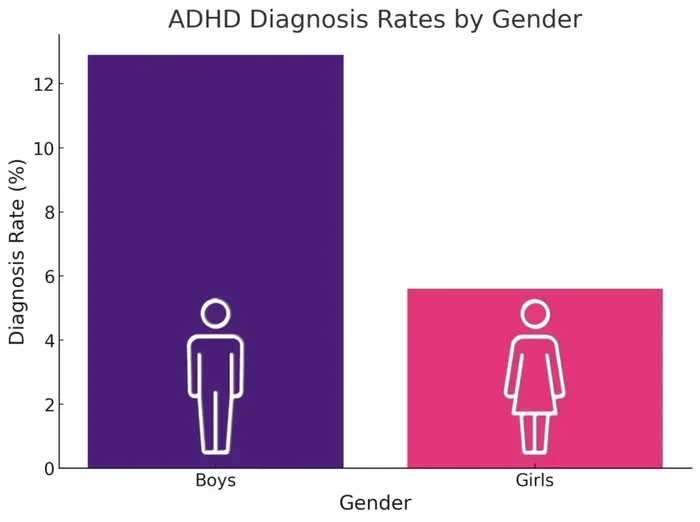
The gap in diagnosis is real. Research shows that boys are far more likely to be identified with ADHD in childhood, while girls are often overlooked until adulthood. This means many women spend decades struggling with ADHD symptom severity without the support they need. Understanding these gender differences is the first step toward getting the right help.
In this article, we will explore how ADHD symptom severity differs in males and females, from the types of symptoms that appear to the biological reasons behind them. We will also look at why women are so often misdiagnosed and share practical strategies for managing symptoms at any age. If you have ever wondered why your ADHD looks different from someone else’s, you are in the right place.
Key Takeaways
- Males often display hyperactive-impulsive symptoms that are more visible and easier to spot early.
- Females frequently struggle with inattentive ADHD, which can be missed because it looks like daydreaming.
- Hormonal fluctuations worsen ADHD symptom severity in women, especially during puberty and menopause.
- Emotional dysregulation and rejection sensitivity are common in both genders but often dismissed in females.
- Masking and people-pleasing cause many women to hide their struggles, leading to burnout.
- Early recognition and tailored treatment can reduce the long-term impact of ADHD symptom severity.
📑 Table of Contents
What Is ADHD Symptom Severity And Why Does Gender Matter?
ADHD symptom severity refers to how intensely the symptoms of attention-deficit/hyperactivity disorder affect daily life. It is not just about being a little forgetful or restless. It is about how much these struggles interfere with work, relationships, and self-esteem. Gender plays a huge role in shaping which symptoms stand out and how severely they impact a person.
The Two Main Presentation Types
ADHD is often divided into three presentations: predominantly hyperactive-impulsive, predominantly inattentive, and combined. Males are more likely to be diagnosed with the hyperactive-impulsive type, which involves fidgeting, talking excessively, and difficulty waiting turns. Females, on the other hand, are more frequently diagnosed with the inattentive type, which involves trouble focusing, losing things, and struggling to follow through on tasks. Both types can have severe ADHD symptom severity, but they look very different on the surface.
Why Gender Bias Affects Diagnosis
Because hyperactive symptoms are loud and disruptive, they tend to get noticed by teachers and parents. Quiet inattention is easy to ignore. A girl who sits still and stares out the window may not raise any red flags, even if she is working twice as hard as her peers just to stay focused. This bias means that many females reach adulthood with unmanaged ADHD symptom severity and a long history of feeling broken or lazy.
How ADHD Symptoms Present Differently In Males
Boys with ADHD often display symptoms that are easy to see in a classroom or playground setting. The hyperactive-impulsive pattern is the most commonly recognized form of the condition. These boys may blurt out answers, have trouble sitting still, and struggle with impulse control in social situations.
The Hyperactive-Impulsive Pattern
When ADHD symptom severity leans toward hyperactivity, the signs are hard to miss. A boy might constantly fidget, leave his seat in class, or run around when it is not appropriate. He may talk excessively and have difficulty engaging in quiet play. Impulsivity can lead to interrupting others, grabbing toys, or making risky decisions without thinking about the consequences.
These behaviors often result in early referrals for evaluation. Teachers and parents notice the disruption and seek help. As a result, many boys receive a diagnosis and access to support during childhood. However, not all males with ADHD are hyperactive. Some struggle silently with the inattentive type, and their ADHD symptom severity may go unrecognized for years.
Emotional Dysregulation In Males
Boys with ADHD can also experience intense emotional reactions. They may become easily frustrated, have meltdowns over small issues, or struggle with rejection sensitivity. This emotional side of ADHD symptom severity is often overshadowed by the behavioral problems it causes. Many males learn to mask their feelings, which can lead to anxiety or depression later in life.
Quick Tips For Supporting Males With ADHD
- Provide clear, immediate consequences for impulsive actions.
- Use physical breaks and movement to help burn off excess energy.
- Teach emotional vocabulary so boys can name their feelings.
- Focus on strengths and avoid labeling the child as “bad” or “lazy.”
How ADHD Symptoms Present Differently In Females
The female experience of ADHD is often hidden in plain sight. Girls with ADHD are more likely to have the inattentive type, which does not come with the obvious physical restlessness that adults expect. Instead, their ADHD symptom severity shows up as daydreaming, forgetfulness, and difficulty keeping track of belongings.
The Inattentive Pattern
A girl with inattentive ADHD might sit quietly in class and seem to be paying attention, but her mind is elsewhere. She may lose her pencil, forget homework instructions, or struggle to finish assignments on time. Her ADHD symptom severity might not be noticed until academic demands increase or she takes on more responsibilities. Many women are diagnosed only in college or adulthood when the workload becomes overwhelming.
Internal restlessness is another hallmark. Instead of running around, a woman with ADHD might feel a constant mental buzz. She may have racing thoughts, difficulty unwinding at night, or a sense of being overwhelmed by simple tasks. This inner turmoil can be just as debilitating as hyperactivity, but it is far less visible.
Emotional Dysregulation And Rejection Sensitivity
Females with ADHD often experience intense emotional responses. Rejection sensitivity dysphoria, a term used to describe the overwhelming pain of feeling rejected or criticized, is common. Even a small comment from a friend can feel devastating. This emotional side of ADHD symptom severity is frequently mislabeled as moodiness, drama, or being overly sensitive. Many women hide these feelings, which leads to isolation and low self-worth.
Some women cope by becoming people-pleasers. They work overtime to avoid conflict, say yes to every request, and neglect their own needs. This masking behavior can hide the ADHD symptom severity from others and from themselves. Over time, the effort of masking leads to burnout, anxiety, and depression.
Common Mistakes When Observing ADHD In Females
- Assuming quietness means everything is fine.
- Attacking forgetfulness or disorganization to a personality flaw.
- Ignoring the impact of hormonal cycles on symptom intensity.
- Focusing only on academic performance while missing emotional struggles.
The Role Of Hormones And Brain Chemistry
Biology plays a major role in how ADHD symptom severity unfolds. While both males and females have differences in brain structure and neurotransmitter activity, hormonal fluctuations add another layer of complexity for women and girls.
Estrogen And Dopamine
Estrogen influences dopamine production, which is a key neurotransmitter involved in attention and motivation. When estrogen levels drop, as they do during the menstrual cycle, postpartum period, or perimenopause, dopamine levels can also dip. This means that ADHD symptom severity can worsen right before a period or during menopause. Many women report feeling more forgetful, irritable, and overwhelmed during these phases.
Testosterone And Hyperactivity
Testosterone is often higher in males and is linked to impulse control and activity levels. Higher testosterone may contribute to the more hyperactive-impulsive presentation seen in many boys. However, this does not mean that all males have severe hyperactivity or that females cannot experience it. The relationship between hormones and ADHD symptom severity is complex and varies from person to person.
Brain Structure Differences
Research suggests that the brains of males and females with ADHD may develop at different rates. Some studies indicate that females with ADHD show a slower maturation of the prefrontal cortex, the area responsible for planning, organization, and impulse control. This can explain why executive function challenges are so prominent in women with ADHD. Understanding these differences helps clinicians tailor treatment plans that address the unique needs of each gender.
Expert Insight
Dr. Ellen Littman, a clinical psychologist specializing in ADHD, notes that “the presentation of ADHD in females is often subtle and internalized, which leads to a profound sense of shame when symptoms are finally recognized.” This highlights the importance of looking beyond behavioral disruptions when evaluating ADHD symptom severity.
Why ADHD Is Often Missed In Females
The reasons females slip through the cracks of the diagnostic system are numerous and deeply rooted. Many of these factors relate to societal expectations and the way ADHD symptom severity is perceived.
The Stereotype Of The “Bad Boy” With ADHD
For decades, the public image of ADHD has been a young boy bouncing off the walls. This stereotype means that teachers, parents, and even some doctors look for that exact pattern. When a girl is quiet, dreamy, or anxious, ADHD rarely enters the conversation. The result is a missed diagnosis that can follow a woman for decades.
Masking And The Effort Of Fitting In
Many girls learn to mask their ADHD symptoms from a very young age. They might copy the behavior of classmates, work extra hard to hide disorganization, or avoid drawing attention to themselves. This constant effort to appear “normal” is exhausting and can make ADHD symptom severity feel worse over time. The burnout from masking is a major reason why women seek help later in life.
Being humble enough to ask for help is crucial, and we discuss how humility supports goal achievement in our piece on why humility matters for personal and academic goals. Admitting you need support is a brave step that can change your entire trajectory.
Comorbid Conditions That Complicate Diagnosis
Females with ADHD are more likely to develop comorbid conditions like anxiety, depression, and eating disorders. These secondary issues often take center stage in treatment, while the underlying ADHD goes unaddressed. A thorough evaluation must look at the full picture of ADHD symptom severity and its overlap with other mental health challenges.
Managing ADHD Symptom Severity: Practical Strategies
Whether you are male or female, managing ADHD symptom severity requires a combination of self-awareness, support, and practical tools. What works for one person may not work for another, so it is important to experiment and find what fits your life.
Medication And Therapy
Stimulant and non-stimulant medications can be effective for many people. Therapy, especially cognitive behavioral therapy (CBT), helps individuals develop coping skills for time management, emotional regulation, and organization. A good therapist will understand the gender-specific ways ADHD symptom severity shows up and tailor their approach accordingly.
Daily Habits That Reduce Symptom Impact
Small changes in routine can make a big difference. Here are some strategies that many people find helpful:
- Use timers and visual schedules to break tasks into smaller steps.
- Create a dedicated workspace free from distractions.
- Incorporate physical movement into your morning and afternoon breaks.
- Set alarms for medication reminders and important appointments.
- Practice mindfulness or deep breathing to manage emotional spikes.
For more practical tips on getting things done when your brain resists, check out our guide on ADHD-friendly ways to get shit done when your brain says nope. These strategies are designed for real life, not perfection.
Building A Support System
Having a strong support system is vital. This might include a therapist, a psychiatrist, a supportive partner, or a community of people who understand ADHD. Open communication about ADHD symptom severity helps loved ones offer the right kind of help. Support groups, both online and in person, can also reduce the shame and isolation that often accompany this condition.
When Silence Feels Unbearable
Some individuals with ADHD find that quiet environments heighten their restlessness and mental noise. If you have ever wondered why silence feels so difficult, our article on is it normal to dislike silence when you have ADHD explores this experience in depth. You are not alone in finding that a lack of sound can make it even harder to focus.
Quick Tips For Reducing ADHD Symptom Severity Day To Day
- Start your day with a short, achievable task to build momentum.
- Use the “two-minute rule” to tackle tiny tasks immediately.
- Keep a “dump sheet” nearby to capture random thoughts quickly.
- Batch similar tasks together to reduce context-switching fatigue.
- Celebrate small wins to build confidence and reinforce positive habits.
Conclusion
ADHD symptom severity does not look the same in everyone, and the differences between males and females are profound. Males often display the hyperactive-impulsive pattern that gets noticed early, while females battle quiet inattention, emotional intensity, and a lifelong habit of masking. Hormonal shifts, brain chemistry, and societal expectations all shape how ADHD symptom severity unfolds across a lifetime. Recognizing these differences is essential for getting the right diagnosis and the right support. If you see yourself in these descriptions, know that help is available and you are not broken. With the right strategies and a compassionate team around you, managing ADHD symptom severity becomes an achievable, daily practice.
Frequently Asked Questions
Can ADHD symptom severity change over time?
Yes, ADHD symptom severity can fluctuate with age, stress, and hormonal changes. Many people find that their symptoms shift during puberty, pregnancy, or menopause, requiring adjustments to their management strategies.
Why are females with ADHD often misdiagnosed?
Females are often misdiagnosed because their symptoms tend to be internal and inattentive rather than overtly hyperactive. The stereotype of ADHD as a “male” disorder leads clinicians and loved ones to overlook the quieter struggles of women and girls.
Do hormonal cycles really affect ADHD symptoms?
Absolutely. Estrogen directly affects dopamine levels, so when estrogen drops during the menstrual cycle or perimenopause, ADHD symptom severity can spike. Many women report feeling significantly worse in the days before their period.
Is masking a sign of high-functioning ADHD?
Masking is a coping strategy, not a sign of high functioning. It often indicates that a person is working extremely hard to hide their struggles, which can lead to burnout and make ADHD symptom severity feel worse over time.
What is the difference between hyperactive ADHD in males and internal restlessness in females?
Males with hyperactive ADHD often display physical restlessness like fidgeting and leaving their seat. Females are more likely to experience internal restlessness, racing thoughts, and a sense of mental overwhelm that is not as visible to others.
Can managing ADHD symptom severity improve relationships?
Yes, when ADHD symptom severity is properly managed, communication improves, emotional outbursts decrease, and the ability to follow through on commitments strengthens. This can have a positive ripple effect on romantic partnerships, friendships, and family dynamics.
