
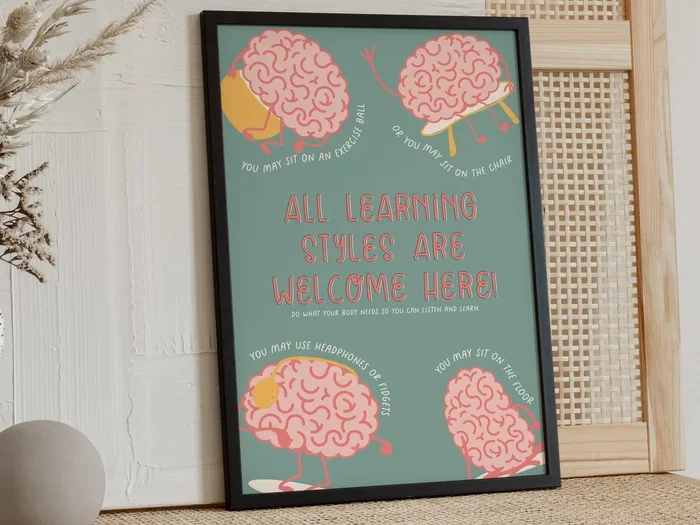
A diagnosed autistic neurodiversity affirming welcome pack is a curated collection of resources designed to support autistic individuals after their diagnosis. It offers practical tools, community connections, and identity-affirming materials that celebrate neurodiversity. Whether you are newly diagnosed or supporting someone who is, this pack helps you navigate the journey with confidence, self-acceptance, and pride. It replaces outdated deficit-based approaches with empowering, respectful guidance rooted in the autistic community’s voice.
Getting an autism diagnosis can feel like a turning point. For many, it brings a mix of relief, confusion, and excitement all at once. A diagnosed autistic neurodiversity affirming welcome pack can make this transition smoother and more meaningful. It gives you a starting point filled with understanding, tools, and encouragement.
Unlike older resources that focus on “fixing” autistic traits, a neurodiversity affirming welcome pack celebrates who you are. It is built on the idea that autistic brains are not broken. They simply work differently, and that difference has real value. This pack helps you embrace that truth from day one.
In this article, we will explore what goes into a welcome pack, why it matters, and how you can use it to build a strong foundation after diagnosis. Whether you are an autistic adult, a parent, or a supporter, you will find practical ideas you can use right away.
Key Takeaways
- Empowerment-focused: A neurodiversity affirming welcome pack centers autistic identity and strengths rather than deficits.
- Practical resources: It includes sensory tools, communication aids, and self-regulation strategies tailored to individual needs.
- Community connection: The pack connects you with the autistic community, peer support, and advocacy networks.
- Identity-first language: It uses respectful, preferred language that honors how autistic people see themselves.
- Customizable: You can adapt the pack to fit your sensory preferences, communication style, and personal goals.
- Evidence-informed: The resources are grounded in neurodiversity principles and the latest autism research.
- For all ages: Welcome packs can be adapted for autistic adults, teens, children, and their families.
📑 Table of Contents
What Is a Neurodiversity Affirming Welcome Pack?
A diagnosed autistic neurodiversity affirming welcome pack is a curated set of resources, tools, and information designed for autistic people who have recently received their diagnosis. The goal is simple: to provide support that respects and honors neurodiversity.
Think of it as a care package for your mind and identity. It is not about teaching you how to be “less autistic.” It is about helping you understand yourself better, find your community, and access tools that work with your brain, not against it.
What Makes It Different from Traditional Resources?
Traditional autism resources often take a medical model approach. They focus on deficits, challenges, and ways to make an autistic person appear more “neurotypical.” A neurodiversity affirming welcome pack flips this completely.
Here is how the two approaches compare:
- Traditional approach: Focuses on masking, suppressing stimming, and “fixing” social difficulties.
- Neurodiversity affirming approach: Focuses on self-acceptance, accommodations, and leveraging autistic strengths.
- Traditional approach: Uses person-first language like “person with autism.”
- Neurodiversity affirming approach: Often uses identity-first language like “autistic person,” which many in the community prefer.
- Traditional approach: Relies on non-autistic experts as the sole authority.
- Neurodiversity affirming approach: Centers autistic voices, self-advocates, and lived experience.
These differences matter. They shape how you see yourself after diagnosis. A welcoming, affirming pack helps you build a positive autistic identity from the start.
Why Does a Welcome Pack Matter After Diagnosis?
Receiving an autism diagnosis as an adult can be overwhelming. You might suddenly understand why certain things have always felt hard. You might also feel a wave of grief for the years you spent masking or feeling misunderstood. A diagnosed autistic neurodiversity affirming welcome pack helps you process all of this in a healthy way.
Emotional Support During the Adjustment Period
After diagnosis, many autistic people experience what is sometimes called “recovery” or “re-evaluation.” You may question past experiences, relationships, and choices. The right welcome pack includes emotional support resources that normalize these feelings.
It helps you understand that masking, burnout, and sensory overwhelm are real experiences. And it reminds you that understanding your diagnosis is a step toward freedom, not a limitation.
Building a Positive Autistic Identity
One of the most powerful things a welcome pack can do is help you see autism as part of your identity worth celebrating. The neurodiversity movement has shown that autistic people contribute unique perspectives, talents, and strengths to the world.
A good welcome pack includes stories from autistic adults who thrive. It highlights autistic artists, scientists, writers, and advocates. It shows you that you are not alone and that your neurotype is something to be proud of.
What Is Typically Included in a Welcome Pack?
The contents of a diagnosed autistic neurodiversity affirming welcome pack can vary widely. But most well-designed packs include several core categories of resources. Let us break them down.
Educational Materials and Guides
Every welcome pack should include clear, accurate information about autism. This might cover:
- A simple explanation of what autism is and how it shows up differently in different people
- Information about sensory processing differences and how they affect daily life
- Guides to understanding stimming, special interests, and executive function
- Resources on autistic burnout, masking, and emotional regulation
- Explainer documents on identity-first language vs. person-first language
The best educational materials are written by autistic people or in collaboration with them. They use clear, accessible language and avoid clinical jargon that can feel cold or pathologizing.
Sensory Tools and Self-Regulation Resources
Many welcome packs include practical sensory tools. These might be physical items or guides to creating your own sensory toolkit. Common inclusions are:
- Noise-canceling headphones or earplugs
- Fidget tools and stim toys
- Weighted blankets or lap pads
- Sensory diet templates and checklists
- Guides to creating a sensory-friendly home or workspace
These tools help you manage sensory input in a way that works for your nervous system. They are not about “fixing” anything. They are about making your environment more comfortable and manageable.
Communication and Self-Advocacy Tools
Self-advocacy is a key part of the neurodiversity affirming approach. A good welcome pack includes tools to help you communicate your needs effectively. This might include:
- Scripts for explaining your needs to friends, family, or coworkers
- Visual communication cards or templates
- Tips for setting boundaries and saying no without guilt
- Resources on autistic self-advocacy and rights
- Templates for requesting accommodations at work or school
These tools empower you to take control of your own experience. They remind you that your needs are valid and worth expressing.
Community and Connection Resources
One of the most valuable parts of any welcome pack is connection to the autistic community. This might include:
- Links to autistic-led organizations and online communities
- Information about local or virtual support groups
- Recommended social media accounts run by autistic advocates
- Event calendars for autism acceptance and neurodiversity celebration events
- Peer mentorship programs connecting newly diagnosed autistic people with experienced autistic adults
Finding community is often the most transformative part of the post-diagnosis journey. When you see other autistic people thriving, it changes how you see yourself.
Personalization Templates and Worksheets
No two autistic people are the same. A thoughtful welcome pack includes customizable templates so you can tailor resources to your own needs. These might include:
- A sensory profile worksheet to identify your triggers and preferences
- A communication preferences card you can share with others
- A daily routine template that accounts for executive function challenges
- A self-care plan based on your unique needs and strengths
- A journal prompt section for processing your diagnosis and identity
Personalization is key. A one-size-fits-all approach does not work for neurodivergent people. The best welcome packs let you build something that truly fits your life.
How to Personalize Your Welcome Pack
A diagnosed autistic neurodiversity affirming welcome pack is a starting point, not a rigid set of rules. The real magic happens when you adapt it to your own needs and preferences.
Start With Your Senses
Think about your sensory profile. Are you hypersensitive to certain sounds, lights, or textures? Or do you seek out strong sensory input through movement or touch? Your welcome pack should reflect this. If bright lights overwhelm you, prioritize visual tools like dim lighting guides and tinted glasses recommendations. If you love deep pressure, focus on weighted items and proprioceptive activities.
Choose Your Communication Style
Some autistic people prefer written communication. Others do better with visual supports or verbal scripts. Your welcome pack should match how you naturally communicate. If you use AAC (augmentative and alternative communication), make sure the pack includes AAC-compatible resources.
Focus on Your Strengths
Every autistic person has strengths. Maybe you have an incredible memory for details. Maybe you think in patterns or have deep expertise in a special interest. Build your welcome pack around activities and resources that celebrate what you are good at. This is not ignoring challenges. It is balancing them with a strong foundation of self-worth.
Where to Find or Create a Welcome Pack
You have several options when it comes to getting a diagnosed autistic neurodiversity affirming welcome pack. Let us look at the most common paths.
Pre-Made Packs from Autistic-Led Organizations
Several organizations run by autistic people offer welcome packs designed specifically for newly diagnosed individuals. These are often available as free downloads or affordable physical kits. Look for organizations that are led by and governed by autistic people. This ensures the content reflects actual community needs and values.
DIY Welcome Packs
Some people prefer to build their own welcome pack. This can be a powerful act of self-advocacy. You get to choose every resource, tool, and message included. Start with the categories we discussed above, then add or remove items based on what resonates with you.
Here is a quick checklist for building your own:
- Gather educational materials from autistic-led sources
- Select sensory tools that match your profile
- Include self-advocacy scripts and communication aids
- Add community connection resources
- Personalize with worksheets and templates
- Include something that brings you joy, like a book by an autistic author or a stim toy you love
Professional Support and Therapists
If you work with a therapist or support professional, ask if they can help you assemble a welcome pack. Many neurodiversity-affirming therapists are happy to collaborate on this. Just make sure they follow the neurodiversity paradigm and do not push normalization goals.
Common Mistakes to Avoid
When putting together or choosing a welcome pack, there are a few pitfalls to watch out for:
- Choosing resources that focus on “curing” autism: Any pack that frames autism as a disease or disorder to be fixed is not affirming. Steer clear of these materials.
- Ignoring autistic voices: If a pack was created without input from autistic people, it may contain harmful assumptions or outdated information.
- Overloading with too much information: A welcome pack should feel helpful, not overwhelming. Start small and build from there.
- Forgetting sensory needs: A pack that is text-heavy without sensory accommodations may not work well for autistic people with processing differences.
- Using ableist language: Avoid resources that use terms like “suffering from autism” or “afflicted by.” These are red flags for non-affirming content.
Being aware of these mistakes helps you curate a pack that truly serves you or your loved one.
Key Takeaways
- Empowerment-focused: A neurodiversity affirming welcome pack centers autistic identity and strengths rather than deficits.
- Practical resources: It includes sensory tools, communication aids, and self-regulation strategies tailored to individual needs.
- Community connection: The pack connects you with the autistic community, peer support, and advocacy networks.
- Identity-first language: It uses respectful, preferred language that honors how autistic people see themselves.
- Customizable: You can adapt the pack to fit your sensory preferences, communication style, and personal goals.
- Evidence-informed: The resources are grounded in neurodiversity principles and the latest autism research.
- For all ages: Welcome packs can be adapted for autistic adults, teens, children, and their families.
Conclusion
A diagnosed autistic neurodiversity affirming welcome pack is more than a collection of resources. It is a statement of self-worth and a roadmap for a fulfilling autistic life. It says: “You are not broken. You are not alone. And your neurotype is something to celebrate.”
Whether you build your own or find one created by autistic advocates, the right welcome pack can transform your post-diagnosis experience. It gives you tools, community, and confidence. It helps you move from confusion to clarity, from masking to authenticity, and from isolation to connection.
Take the time to find or create a pack that truly reflects who you are. You deserve support that honors your whole self. And the journey of understanding and embracing your autistic identity starts with a single step. Let this welcome pack be that step.
Remember, you are not late to the party. You are exactly where you need to be. Welcome to the autistic community. Welcome to yourself.
Frequently Asked Questions
What age is a neurodiversity affirming welcome pack suitable for?
A diagnosed autistic neurodiversity affirming welcome pack can be adapted for any age. There are versions designed for children, teens, and adults. The key is choosing resources and language that match the recipient’s developmental stage and communication preferences. Many packs are modular, so you can mix and match elements for different ages.
Can family members use a welcome pack too?
Absolutely. Many families benefit from having their own version of a welcome pack. These often include guides for parents, siblings, and partners on how to provide neurodiversity affirming support. When the whole family understands and accepts autism, the autistic person feels more supported and valued.
Where can I find a free neurodiversity affirming welcome pack?
Several autistic-led organizations offer free downloadable welcome packs. Look for organizations like the Autistic Self Advocacy Network (ASAN), Autism Women’s Network, or local neurodiversity groups in your area. Always check that the organization is led by or strongly includes autistic voices in its leadership.
What should I avoid in a welcome pack?
Avoid any pack that promotes masking as a primary goal, uses deficit-based language, or frames autism as something to be cured. Also be cautious of packs that do not cite autistic authors or advocates as sources. A truly affirming pack centers autistic perspectives and celebrates neurodiversity rather than trying to eliminate autistic traits.
How often should I revisit or update my welcome pack?
There is no set schedule. Some people update their welcome pack every few months as they learn more about themselves. Others revisit it when they face new challenges or transitions. Think of it as a living document. Add new resources, remove what no longer serves you, and let it grow with you.
Is a welcome pack a substitute for professional support?
A welcome pack is a supplement, not a replacement for professional support. It works best alongside therapy, coaching, or community support when needed. However, the best welcome packs empower you to understand yourself and advocate for your needs, which can enhance any professional support you receive.
