
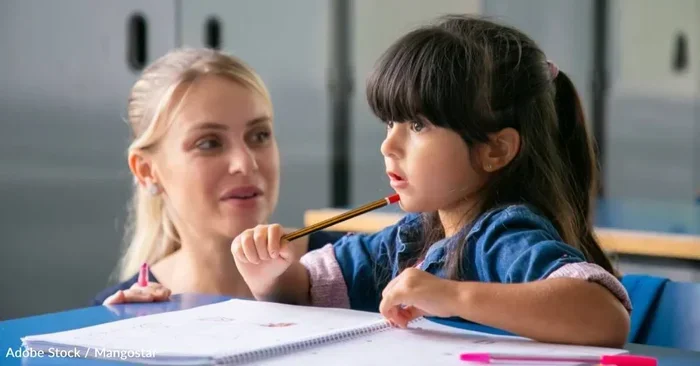
Autistic girls encounter unique challenges in secondary school that often go unnoticed. From social isolation to sensory overload, these barriers affect their education and well-being. Understanding these obstacles is the first step toward creating truly inclusive learning environments.
Secondary school is a tough time for most teenagers. But for autistic girls, the challenges go far deeper than typical adolescent struggles. The barriers autistic girls face in secondary education are real, significant, and often invisible to teachers and peers alike.
Many autistic girls learn to mask their traits from a very young age. They watch how others behave and copy them, even when it feels completely unnatural. This masking behavior helps them blend in, but it comes at a steep cost. By the time they reach secondary school, many are already exhausted, anxious, and struggling to keep up.
The truth is that autism looks different in girls. It often doesn’t match the stereotypes most people have. Because of this, many neurodivergent students slip through the cracks. They get overlooked by teachers, misunderstood by classmates, and unsupported by systems that were never designed with them in mind.
In this article, we will explore the specific barriers autistic girls face in secondary education. We will look at social challenges, sensory issues, academic hurdles, and mental health impacts. We will also discuss what schools can do better. If you are a parent, teacher, or autistic girl yourself, this guide will help you understand the full picture.
Key Takeaways
- Social Masking: Autistic girls often hide their traits to fit in, leading to burnout and misdiagnosis.
- Sensory Challenges: Secondary school environments can overwhelm autistic students in ways that go unrecognized.
- Peer Relationship Struggles: Navigating complex social dynamics poses significant barriers for autistic girls.
- Lack of Support: Many schools lack accommodations tailored to the unique needs of autistic girls.
- Mental Health Impact: Unaddressed barriers contribute to anxiety, depression, and school refusal.
- Gender Bias in Diagnosis: Autism in girls is often overlooked because it presents differently than in boys.
📑 Table of Contents
Social Isolation and Peer Relationships
Secondary school is built on social dynamics. Group work, lunch periods, hallway conversations, and after-school activities all require strong social skills. For autistic girls, navigating these situations can feel like walking through a maze blindfolded.
Many autistic girls desperately want friends. They try hard to connect, but the unwritten rules of social interaction don’t come naturally to them. They might not pick up on sarcasm, body language, or tone of voice. They might talk too much about a single interest without noticing that others have lost interest.
The Pressure to Fit In
Girls face enormous social pressure during the teenage years. They are expected to be friendly, approachable, and socially skilled. Autistic girls often feel like they are performing a role rather than being themselves. This constant performance is called masking, and it is incredibly draining.
Over time, masking leads to what experts call “autistic burnout.” The girl feels completely wiped out from trying to act neurotypical. She may withdraw from friends altogether. Some stop attending social events. Others develop anxiety or depression as a result of the constant effort required to fit in.
Bullying and Misunderstanding
Autistic girls are at a higher risk of being bullied in secondary school. Their differences may be subtle, but classmates often notice. They might be teased for their interests, their communication style, or their reactions to sensory input. Because autistic girls often mask their traits, bullying can go unnoticed by adults who assume everything is fine.
Even without outright bullying, many autistic girls experience social exclusion. They might be left out of group chats, not invited to parties, or ignored during group projects. This kind of subtle exclusion hurts just as much as overt bullying. It sends the message that they don’t belong.
Sensory Overload in the Classroom
Secondary school environments are sensory nightmares for many autistic students. Bright fluorescent lights, loud hallways, buzzing fluorescent lights, the smell of cafeteria food, and the constant noise of crowded classrooms all add up. For autistic girls, this sensory input can become overwhelming very quickly.
Unlike boys with autism, who often show their sensory struggles openly, girls tend to internalize them. They might put on headphones and pretend they are listening to music. They might sit in a corner and stare at their phone to avoid eye contact. Teachers rarely recognize these as signs of sensory overload.
Impact on Learning
When a student’s brain is overwhelmed by sensory input, learning becomes nearly impossible. The autistic girl is not ignoring the lesson. Her nervous system is simply too flooded to process information. This leads to declining grades, missed assignments, and frustrated teachers who assume the student is not trying hard enough.
Common sensory triggers in secondary schools include:
- Loud locker doors slamming in hallways
- Overhead fluorescent lighting
- Crowded cafeterias during lunch
- Unexpected fire drills or announcements
- Physical education classes with loud music
- Tight, uncomfortable school uniforms
Many schools make accommodations for students with visible disabilities. But autistic girls often fly under the radar because their struggles are not always obvious. Without proper school accommodations, these students continue to suffer in silence.
Academic Challenges and Learning Differences
Autistic girls often have strong verbal skills, which can trick teachers into thinking they are performing well academically. In reality, many struggle with executive functioning, organization, and processing speed. The educational barriers they face are often hidden beneath a surface of competence.
Secondary school demands increase significantly compared to primary school. Students must manage multiple teachers, different classrooms, complex schedules, and long-term assignments. For an autistic girl, these demands can feel impossible. She might lose track of assignments, forget deadlines, or struggle to break large projects into manageable steps.
Executive Functioning Difficulties
Executive functioning includes skills like planning, prioritizing, time management, and task initiation. Many autistic students struggle with these skills, regardless of their intelligence level. A girl might have an IQ of 130 but still fail to turn in homework on time because she does not know how to organize her materials.
Teachers often interpret this as laziness or carelessness. They do not realize that the student’s brain processes information differently. This misunderstanding can lead to poor grades, disciplinary action, and damaged self-esteem. The girl starts to believe she is simply not smart enough, when in reality she just needs different tools and strategies.
Special Interests and Classroom Engagement
Autistic girls often have intense, focused interests. These special interests can be a tremendous strength. A girl passionate about history might become an expert on ancient civilizations. One who loves biology might devour every book on the subject. However, secondary school classrooms rarely allow space for these passions.
The curriculum moves at a fixed pace. Teachers cover specific topics within strict time limits. An autistic girl whose interest lies outside the current lesson may struggle to stay engaged. Conversely, a teacher who dismisses her special interest as irrelevant misses an opportunity to use it as a teaching tool.
Mental Health and Emotional Well-Being
The mental health toll of navigating secondary school as an autistic girl cannot be overstated. Studies show that autistic teenagers experience higher rates of anxiety, depression, and suicidal ideation than their neurotypical peers. For girls, these numbers are even more concerning.
Many autistic girls develop mental health conditions as a direct result of the barriers they face in school. The constant stress of masking, social struggles, sensory overload, and academic pressure builds up over time. Without proper support, these students reach a breaking point.
School Refusal
School refusal is a common outcome for autistic girls who feel overwhelmed. They may complain of stomach aches, headaches, or fatigue on mornings when school is in session. Some miss days regularly. Others stop attending altogether. Parents and schools often respond with punishment or frustration, not understanding that the girl is experiencing genuine distress.
School refusal is not a choice. It is a symptom of an environment that does not meet the student’s needs. When schools address the underlying causes, attendance often improves. When they do not, the situation typically gets worse.
The Connection Between Masking and Mental Health
Research has shown a strong link between chronic masking and poor mental health outcomes. Autistic girls who mask constantly throughout secondary school are more likely to experience burnout, identity confusion, and depression in young adulthood. They often describe feeling like they have no idea who they really are beneath the mask they have worn for years.
This is why it is so important to create environments where autistic girls can be themselves. When they do not have to hide their true selves, their mental health improves dramatically. They engage more in learning, form more authentic relationships, and develop a stronger sense of identity.
Gender Bias in Autism Diagnosis and Support
One of the biggest barriers autistic girls face is the simple fact that autism is often not recognized in girls. The diagnostic criteria were developed based on research with boys. As a result, autism in girls frequently goes undiagnosed or is misdiagnosed as anxiety, depression, or borderline personality disorder.
Many autistic girls do not receive a diagnosis until their 20s or 30s. By that point, they have spent years struggling in school without understanding why. They may have been labeled as “shy,” “dramatic,” “difficult,” or “not trying hard enough.” These labels follow them and shape their self-image in damaging ways.
Why Schools Need to Do Better
Schools play a critical role in identifying and supporting neurodivergent students. But too often, the systems in place are designed for boys with autism. Teachers receive training that focuses on the stereotypical presentation of autism, which does not match the experience of girls.
To truly support autistic girls, secondary schools need to:
- Train staff to recognize autism in girls, including the subtler presentations
- Provide quiet spaces where students can retreat during sensory overload
- Offer flexible deadlines and alternative assignment formats
- Create social skills groups that are welcoming to girls with different communication styles
- Build strong support systems that include counselors trained in neurodiversity
- Involve parents and students in developing individualized learning plans
When schools take these steps, the outcomes for autistic girls improve significantly. Students feel seen, supported, and valued for who they are rather than punished for who they are not.
What Parents and Educators Can Do
Advocacy is one of the most powerful tools for supporting autistic girls in secondary education. Parents and educators who understand the unique challenges these students face can make a tremendous difference in their educational experience and long-term outcomes.
Start by listening to the girl herself. She knows what she is experiencing better than anyone. Ask her what makes school difficult and what would help. Take her answers seriously, even if they seem small or insignificant to you.
For educators, small changes in the classroom can have a big impact. Allowing noise-canceling headphones during independent work, providing written instructions alongside verbal ones, offering flexible seating options, and checking in regularly with the student all make a difference. These accommodations cost little but mean everything to the student receiving them.
If you are looking for more guidance on supporting teenagers through difficult experiences, check out this resource on how to stay healthy and positive in personal challenges. It offers practical strategies that apply to many situations, including supporting neurodivergent students.
Understanding the emotional side of these struggles is also important. Many autistic girls carry deep emotional pain from years of feeling different. Resources like how happiness can be found even in the darkest of times can provide comfort and perspective for both students and those who support them.
Finally, remember that progress takes time. You will not fix everything overnight. But every small act of understanding and accommodation sends a message to the autistic girl in your life that she matters. That her differences are not deficits. That she belongs exactly as she is.
Conclusion
The barriers autistic girls face in secondary education are complex and interconnected. Social challenges, sensory overload, academic difficulties, mental health struggles, and diagnostic bias all work together to create an environment that was never designed with them in mind.
But awareness is growing. More educators, parents, and advocates are recognizing that autism looks different in girls. Schools are slowly beginning to adapt their approaches to be more inclusive and supportive. And autistic girls themselves are finding their voices and sharing their experiences with the world.
The most important thing we can do is listen. Listen to autistic girls. Believe them. Support them with genuine accommodations and understanding. When we do, we not only improve their secondary education experience. We set them up for healthier, happier, and more fulfilling lives beyond school.
Autistic girls deserve an education that sees them, supports them, and celebrates who they are. It is time for our schools to catch up with that reality.
Frequently Asked Questions
Why are autistic girls often overlooked in secondary school?
Autistic girls frequently mask their traits, meaning they copy neurotypical behaviors to fit in. This makes their struggles invisible to teachers and peers. Additionally, diagnostic criteria were originally based on male presentations of autism, so girls often go undiagnosed or misdiagnosed.
What is masking and why is it harmful?
Masking is when an autistic person hides their natural behaviors and copies others to appear neurotypical. It is harmful because it causes emotional exhaustion, burnout, and can lead to anxiety and depression over time. Many autistic girls mask throughout secondary school without anyone noticing.
How can schools better support autistic girls?
Schools can provide quiet spaces for sensory breaks, offer flexible deadlines, train staff to recognize autism in girls, and create inclusive social environments. Small classroom accommodations and trained counselors make a significant difference in these students’ educational experiences.
What are common signs that an autistic girl is struggling in school?
Signs include frequent stomach aches or headaches before school, declining grades despite effort, social withdrawal, excessive tiredness, school refusal, and emotional outbursts. Many girls also become very quiet or disappear into the background to avoid attention.
Can special interests help autistic girls in secondary school?
Yes, special interests can be powerful motivators for learning. When teachers incorporate a student’s special interest into lessons, engagement increases significantly. These interests can also help girls connect with peers who share similar passions, reducing social isolation.
What should parents do if they suspect their daughter is autistic?
Parents should seek a professional evaluation from a specialist experienced in diagnosing autism in girls. They should also document their daughter’s challenges at school and advocate for accommodations. Connecting with autism communities can provide valuable support and resources for both parent and child.
