
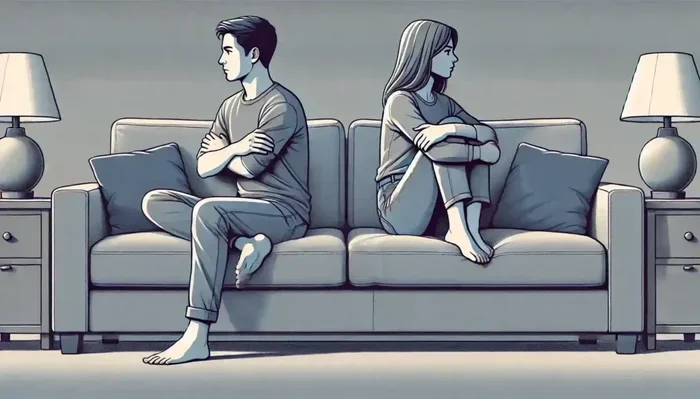
Does avoidant attachment get worse with age? The short answer is: not necessarily. While avoidant attachment patterns can feel deeply ingrained, they do not automatically worsen as you grow older. In fact, many people with a dismissive avoidant attachment style begin to shift toward secure attachment when they actively work on emotional healing and self-awareness. This article breaks down how attachment patterns change over time, what triggers avoidant behavior, and practical steps you can take to move forward.
Have you ever wondered does avoidant attachment get worse with age? Maybe you have noticed yourself pulling away more as the years go by. Or perhaps you have watched a friend become increasingly distant in their relationships. Either way, you are not alone in asking this question.
The truth is that avoidant attachment is one of the most common attachment styles people struggle with. It shapes how you connect with others, handle conflict, and express emotions. And yes, it can change over time. But the direction it moves depends on a lot of factors that we will explore in this article.
Whether you have a dismissive avoidant attachment style or you are trying to understand someone who does, this guide is for you. We will look at what science says, what real people experience, and what you can actually do about it. Let us break this down together.
Key Takeaways
- Avoidant attachment does not inevitably worsen with age: It can stabilize or even improve with intentional effort and self-awareness.
- Life experiences shape attachment patterns: Major events like relationships, loss, and personal growth can either reinforce or soften avoidant tendencies.
- Healing is always possible: Therapy, journaling, and honest self-reflection can help you shift from avoidant to more secure attachment over time.
- Avoidant behavior often masks deep fear of vulnerability: Understanding the root cause is the first step toward change.
- Relationships can either trigger or support growth: Being with a partner who respects your emotional boundaries makes a big difference.
- Small daily habits matter: Consistent micro-actions build lasting change in how you connect with others.
📑 Table of Contents
- What Is Avoidant Attachment, Really?
- So Does Avoidant Attachment Get Worse With Age?
- What Triggers Avoidant Behavior at Any Age?
- How Avoidant Attachment Shows Up in Different Life Stages
- Can Avoidant Attachment Be Healed? Absolutely.
- What Partners of Avoidant Individuals Should Know
- Key Takeaways
- Final Thoughts: Your Attachment Style Is Not Your Identity
What Is Avoidant Attachment, Really?
Before we answer whether avoidant attachment gets worse with age, let us make sure we understand what it actually is. Attachment theory was developed by psychologists John Bowlby and Mary Ainsworth. It explains how early bonds with caregivers shape the way you relate to others for the rest of your life.
People with an avoidant attachment style learned early on that depending on others was not safe. Maybe their needs were ignored as a child. Or perhaps they were told to “toughen up” when they felt emotional. As a result, they developed a strong sense of emotional independence and a deep discomfort with vulnerability.
There are two main types of avoidant attachment:
- Dismissive avoidant: This person values self-reliance above almost everything else. They often shut down during emotional conversations and prefer to handle problems alone.
- Fearful avoidant (disorganized): This person wants closeness but also fears it deeply. They may start a relationship enthusiastically and then suddenly pull away when things get too intimate.
Both types share a core belief: I am better off handling things on my own. That belief drives their behavior in relationships, at work, and even with close friends.
So Does Avoidant Attachment Get Worse With Age?
Here is the honest answer. Avoidant attachment does not automatically get worse with age. But it can feel that way if nothing changes. Let us look at the two possible paths.
Path One: Avoidant Patterns Can Intensify
For some people, avoidant behavior becomes more pronounced over time. Why does this happen? Several factors play a role:
- Repeated relationship failures: Each painful breakup or disappointment can reinforce the belief that closeness is dangerous. Over time, the fear of intimacy grows stronger.
- Unresolved childhood wounds: If the original attachment wounds from childhood are never addressed, they tend to deepen. The older you get, the more evidence your brain collects to support the idea that people cannot be trusted.
- Social isolation: As people age, their social circles can shrink. Avoidant individuals may find it easier to retreat into solitude rather than put in the effort required for meaningful connection.
- Stress and life transitions: Major life changes like job loss, divorce, or the death of a loved one can trigger a retreat into avoidant behavior. The older you are, the more of these transitions you may have experienced.
When these factors pile up, it can feel like avoidant attachment gets worse with age. But this is not a fixed destiny. It is a pattern that can be interrupted.
Path Two: Avoidant Patterns Can Soften
On the other side of the coin, many people find that their avoidant tendencies actually soften over time. Here is why:
- Self-awareness grows: As people mature, they often become more aware of their own patterns. A 30-year-old with avoidant attachment may have far more insight than a 15-year-old with the same style.
- Positive relationship experiences: Even one healthy, loving relationship can challenge the belief that vulnerability is dangerous. A patient partner who offers consistent emotional safety can slowly shift your attachment system.
- Therapy and personal development: Many people seek therapy or coaching as they age. This gives them tools to rewire deep-rooted patterns. Attachment healing is absolutely possible at any stage of life.
- Emotional regulation improves: The brain continues to develop well into adulthood. With practice, people can get better at managing their emotions and responding to connection in healthier ways.
The key takeaway here is that age alone does not determine whether your attachment style improves or declines. What matters is what you do with your experiences.
What Triggers Avoidant Behavior at Any Age?
Understanding your triggers is one of the most powerful things you can do. When you know what sets off your avoidant behavior, you can choose a different response. Here are the most common triggers:
| Trigger | What It Looks Like | Why It Happens |
|---|---|---|
| Emotional demands from a partner | Shutting down, giving the silent treatment, or withdrawing | The brain perceives emotional intensity as a threat to autonomy |
| Being told how to feel | Defensiveness, dismissing the other person’s concerns | Feeling controlled activates the core belief of “I don’t need anyone” |
| Deepening intimacy | Sabotaging the relationship right when things get serious | Vulnerability feels unsafe, so the avoidant person creates distance |
| Conflict or disagreement | Walking away mid-conversation or refusing to engage | Conflict is associated with rejection or punishment from childhood |
| Being vulnerable first | Hiding true feelings and maintaining a “strong” facade | Showing weakness was never safe or rewarded in early life |
These triggers do not change just because you get older. In fact, they can become more automatic over time if left unchecked. But the good news is that awareness alone starts to weaken their grip.
How Avoidant Attachment Shows Up in Different Life Stages
The way avoidant attachment manifests can shift as you move through different decades of life. Here is a closer look at how it often plays out at various stages.
In Your 20s and Early 30s
During young adulthood, avoidant attachment often shows up as a fear of commitment. You might enjoy casual dating but feel suffocated when someone wants more. Many people in this stage describe feeling “fine on their own” while secretly longing for deeper connection. This is the classic dismissive avoidant pattern in full swing.
In Your Mid-30s to 40s
This is often when avoidant patterns either strengthen or begin to crack. If you have had a series of short-term relationships or marriages that ended in distance, the fear of vulnerability can deepen. However, this is also the stage where many people start questioning their patterns. You might find yourself asking, “Why do I keep doing this?” That question is the beginning of change.
In Your 50s and Beyond
Older adults with avoidant attachment may find that their emotional walls become even higher. Life experience can reinforce the belief that depending on others is a recipe for pain. But it can also bring a kind of wisdom. Many people in this stage have the motivation to finally address their attachment wounds because they do not want to carry them into the rest of their life.
Can Avoidant Attachment Be Healed? Absolutely.
Here is the most important part of this article. Avoidant attachment is not a life sentence. No matter your age, you can shift toward a more secure attachment style. It takes work, patience, and courage. But it is entirely possible.
Steps You Can Take Today
- Acknowledge your pattern: The first step is simply naming it. You cannot change what you do not recognize. Say to yourself, “I have an avoidant attachment style, and it is affecting my relationships.”
- Explore your childhood: Look at the early experiences that shaped your beliefs about relationships. What did you learn about needing others? What happened when you tried to connect?
- Practice small moments of vulnerability: You do not have to bare your soul all at once. Start by sharing a small feeling with someone you trust. Notice what happens. Does the world end? Probably not.
- Seek therapy: A skilled therapist who understands attachment theory can help you work through deep-rooted patterns. Look for someone who specializes in attachment-focused therapy or emotionally focused therapy.
- Communicate with your partner: If you are in a relationship, let your partner know what you are working on. A supportive partner who understands your attachment style can be a powerful ally in your healing journey.
- Be patient with yourself: Change does not happen overnight. There will be setbacks. That is normal. What matters is that you keep showing up for yourself.
How Long Does Healing Take?
This is a question many people ask, and the honest answer is: it depends. Healing attachment wounds is not a linear process. Some people notice shifts within a few months of consistent work. For others, it takes years. What matters is progress, not perfection. And every small step counts.
If you are currently navigating a relationship where avoidant behavior is causing distance, know that how long it takes to get over a breakup or heal from relationship pain varies for everyone. The important thing is that you are willing to look at your patterns honestly.
What Partners of Avoidant Individuals Should Know
If you are loving someone with an avoidant attachment style, this section is for you. It can be incredibly frustrating to feel shut out by someone you care about deeply. But understanding their inner world can change everything.
Avoidant partners are not trying to hurt you. Their withdrawal is a self-defense mechanism. It is their brain’s way of protecting them from what they perceive as emotional danger. This does not mean their behavior is acceptable, but it does mean it comes from pain, not malice.
Here are a few things that can help you navigate this dynamic:
- Give them space without taking it personally: When your partner pulls away, resist the urge to chase. Giving them room often helps them come back on their own terms.
- Use “I” statements instead of blame: Saying “I feel disconnected when we don’t talk” is far more effective than “You never open up to me.”
- Celebrate small steps: When your partner shares a feeling or shows vulnerability, acknowledge it warmly. Positive reinforcement goes a long way.
- Know when to seek outside support: Couples therapy can be a game-changer for relationships affected by attachment style differences. A trained professional can help both of you feel heard.
Remember, loving someone with an avoidant style requires patience and strong healthy boundaries. You cannot fix them, but you can create a safe environment that encourages their growth.
Key Takeaways
- Avoidant attachment does not inevitably worsen with age: It can stabilize or even improve with intentional effort and self-awareness.
- Life experiences shape attachment patterns: Major events like relationships, loss, and personal growth can either reinforce or soften avoidant tendencies.
- Healing is always possible: Therapy, journaling, and honest self-reflection can help you shift from avoidant to more secure attachment over time.
- Avoidant behavior often masks deep fear of vulnerability: Understanding the root cause is the first step toward change.
- Relationships can either trigger or support growth: Being with a partner who respects your emotional boundaries makes a big difference.
- Small daily habits matter: Consistent micro-actions build lasting change in how you connect with others.
Final Thoughts: Your Attachment Style Is Not Your Identity
So, does avoidant attachment get worse with age? The answer is that it does not have to. Your attachment style is not a permanent label stamped on your soul. It is a pattern that was formed in response to early experiences, and it can be reshaped with awareness, effort, and support.
Whether you are in your 20s or your 60s, it is never too late to start building deeper, more authentic connections. The fact that you are reading this article shows that you are already on the path. That matters more than you might think.
Every person has the capacity for secure attachment. It might feel distant right now, but it is there. You just need the right tools, the right support, and the willingness to be honest with yourself. Start where you are. Take one small step today. Your future self will thank you.
If you want to explore more about how attachment styles affect your relationships, check out our guide on how to meet the needs of an avoidant attachment style. Understanding your partner’s perspective is a powerful first step.
You might also find value in learning about signs an avoidant ex misses you even if they won’t say it, which can help you understand the emotional world of avoidant individuals from the inside out.
Finally, if you are navigating a relationship with someone whose attachment style differs from yours, our article on how to be with someone with a disorganized attachment style offers practical strategies for building connection across attachment differences.
Frequently Asked Questions
Does avoidant attachment ever go away completely?
While it is rare for an attachment style to disappear entirely, it can shift significantly. Many people move from a dismissive avoidant attachment style to a more secure attachment pattern with consistent work. The goal is not perfection but progress and greater emotional flexibility.
Can therapy really change your attachment style?
Yes, therapy can be transformative. Approaches like emotionally focused therapy and attachment-focused counseling help you reprocess early attachment wounds and develop new relational habits. Change takes time, but research consistently shows that therapy can lead to lasting shifts in attachment patterns.
Why does avoidant attachment get worse during stressful times?
Stress activates the nervous system’s threat response. For people with an avoidant attachment system, the go-to response to threat is withdrawal. This is not a choice; it is an automatic survival response learned in childhood. Understanding this can help you respond with compassion instead of frustration.
Is avoidant attachment the same as being emotionally unavailable?
They overlap, but they are not exactly the same. Emotional unavailability is a behavior that can stem from many causes. Avoidant attachment is a specific attachment style rooted in early relational experiences. Someone with avoidant attachment may be emotionally unavailable, but the reasons run deeper than surface-level behavior.
How can I support my avoidant partner without losing myself?
Setting healthy boundaries is essential. You can offer patience and understanding while still honoring your own emotional needs. Communicate clearly about what you need, and encourage your partner to do the same. A relationship should never require you to abandon your own well-being.
At what age do people typically start working on their attachment style?
There is no right age. Some people begin exploring their attachment patterns in their 20s, while others do not address them until their 50s or beyond. The willingness to look inward matters far more than the number of years on your birth certificate. Healing can happen at any stage of life.
