
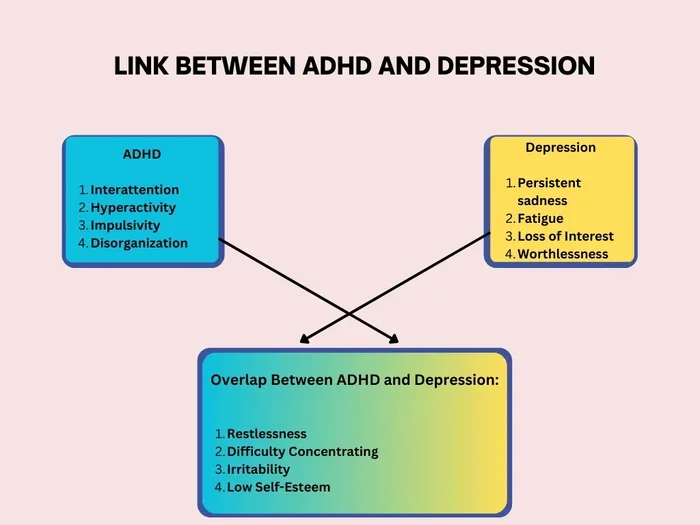
Depression rates higher in children with ADHD are a serious concern that many families face but few discuss openly. Research shows that kids with ADHD are significantly more likely to develop depression than their peers. Understanding this connection helps parents spot early warning signs and seek timely help. This guide breaks down the causes, symptoms, and practical steps families can take to support children dealing with both ADHD and depression.
Depression rates higher in children with ADHD is not just a statistic. It is a reality that millions of families navigate every single day. When a child deals with attention deficit hyperactivity disorder, their brain is already working overtime to manage focus, impulses, and energy levels. Adding depression into the mix makes everything harder. Yet many parents do not realize just how common this overlap really is.
Studies consistently show that kids with ADHD are several times more likely to experience depression than children without the condition. This is not a coincidence. The biological, social, and emotional factors that come with ADHD create a perfect storm for depressive symptoms. The good news? Awareness is the first step toward action. When parents understand the connection, they can catch warning signs early and get their children the help they need.
In this article, we will explore why depression rates higher in children with ADHD, what the signs look like, and what parents can do right now to make a difference. Let us break this down in a way that is clear, practical, and easy to understand.
Key Takeaways
- Children with ADHD face a much higher risk of developing depression compared to kids without ADHD, making awareness essential for parents and caregivers.
- ADHD and depression often share overlapping symptoms, which can make diagnosis tricky and lead to delayed treatment.
- Emotional struggles in children with ADHD are often worsened by social challenges, academic pressure, and low self-esteem.
- Early intervention and proper treatment can significantly reduce depression rates in children dealing with ADHD.
- Parental support and a nurturing home environment play a vital role in helping children manage both conditions effectively.
- Multiple treatment options exist, including therapy, medication, lifestyle changes, and behavioral interventions tailored to each child.
- Recognizing the signs early gives children the best chance at a healthy, happy childhood despite their challenges.
📑 Table of Contents
- What the Research Says About ADHD and Depression in Children
- Why Are Children With ADHD More Vulnerable to Depression?
- Recognizing the Signs of Depression in Children With ADHD
- Risk Factors That Increase Depression Rates in ADHD Kids
- How Parents Can Help Children With ADHD and Depression
- Treatment Options for Children Dealing With Both ADHD and Depression
- Common Mistakes Parents Make When Dealing With ADHD and Depression
- Final Thoughts: You Are Not Alone
What the Research Says About ADHD and Depression in Children
The numbers behind this connection are striking. Research published in major medical journals has found that children with ADHD face depression rates that are three to five times higher than those of their peers. This is not a small spike. It is a significant and well-documented pattern that researchers have studied for decades.
One reason for these higher rates is the shared biology between ADHD and depression. Both conditions involve brain chemicals called neurotransmitters, especially dopamine and serotonin. When these chemicals are out of balance, children struggle not only with attention and impulse control but also with mood regulation. This overlap means that a child with ADHD is already at a neurological disadvantage when it comes to emotional health.
How Common Is Depression in Kids With ADHD?
Here is a closer look at the numbers. Approximately 20 to 30 percent of children with ADHD also experience depression at some point during their childhood or adolescence. Compare that to about 3 to 5 percent of children in the general population. That gap is enormous. It tells us that ADHD is not just about being hyperactive or having trouble paying attention. It is a condition that affects a child’s entire emotional world.
Many families also deal with what energy has to do with mental health on a daily basis. Children with ADHD often feel drained by the constant effort of managing their symptoms. This fatigue can feed into feelings of hopelessness and sadness that characterize depression.
Why Are Children With ADHD More Vulnerable to Depression?
Understanding the “why” behind higher depression rates is crucial for parents. It is not simply bad luck. There are real, identifiable reasons that children with ADHD face a greater risk of developing depression.
Neurological Overlap
The brain structures involved in ADHD and depression overlap significantly. The prefrontal cortex, which handles decision-making, emotional control, and planning, often develops more slowly in children with ADHD. This delayed development affects mood regulation just as much as it affects attention. When a child’s brain struggles to manage emotions from a structural level, depression becomes a real threat.
Social Challenges and Rejection
Children with ADHD often struggle socially. They may interrupt conversations, have trouble reading social cues, or act impulsively in group settings. Over time, these challenges lead to peer rejection and isolation. Feeling different from other kids, being picked on, or constantly hearing criticism wears a child down emotionally. This kind of persistent social struggle is a well-known risk factor for depression.
Academic Pressure and Low Self-Esteem
School can be a daily battle for kids with ADHD. Despite being just as smart or even smarter than their classmates, they may consistently get lower grades because of focus issues and organizational challenges. Over time, this creates a cycle of frustration and low self-worth. When a child starts believing they are not capable or smart enough, depression often follows.
Every child deserves to feel valued and understood. When emotional needs go unmet for long periods, the damage builds up. This applies to children just as much as it does to adults in relationships. Kids with ADHD need consistent emotional support to feel safe and confident.
Parental Stress and Family Dynamics
Raising a child with ADHD is exhausting. Parents often feel overwhelmed, frustrated, or even guilty about their child’s behavior. This stress can affect the entire household atmosphere. Children pick up on tension, and a home environment filled with conflict or worry can worsen depressive symptoms in kids who are already vulnerable.
Recognizing the Signs of Depression in Children With ADHD
One of the biggest challenges parents face is telling the difference between ADHD symptoms and signs of depression. Some behaviors overlap, which makes diagnosis complicated. However, knowing what to look for can make all the difference.
Shared Symptoms That Make Diagnosis Tricky
Both ADHD and depression can cause:
- Difficulty concentrating and paying attention
- Fatigue and low energy levels
- Irritability and mood swings
- Trouble sleeping or changes in sleep patterns
- Loss of interest in activities the child once enjoyed
Because these symptoms overlap, many parents and even some doctors miss the depression piece. They assume the child is just having a hard time with ADHD. But depression is a separate condition that needs its own attention and treatment.
Signs That Point More Specifically to Depression
Watch for these red flags that suggest depression rather than just ADHD symptoms:
- Persistent sadness or crying spells that last for weeks
- Expressions of worthlessness, such as “I am stupid” or “I am a failure”
- Withdrawal from friends and family members
- Major changes in appetite, either eating too much or too little
- Complaints of physical pain like headaches or stomachaches with no medical cause
- Thoughts about death or self-harm
- A sudden drop in school performance that does not match ADHD-related struggles alone
If you notice several of these signs, it is important to seek a professional evaluation. Early detection of depression in children with ADHD leads to better outcomes and faster recovery.
Quick Tips for Parents: Spotting the Difference
Here is a simple way to think about it. ADHD symptoms tend to be ongoing and consistent across all settings. Depression symptoms often come in waves and may be triggered by specific events or situations. If your child seems suddenly different, more withdrawn, or unusually sad for no clear reason, trust your gut and get help.
Risk Factors That Increase Depression Rates in ADHD Kids
Not every child with ADHD will develop depression. But certain factors raise the risk significantly. Understanding these risk factors helps parents stay alert and take preventive steps.
Gender and Age
Research shows that adolescent girls with ADHD face particularly high depression rates. Teenagers with ADHD are also more vulnerable than younger children, likely because of the added social and academic pressures of adolescence. Boys with ADHD tend to show more externalizing behaviors like aggression, while girls are more likely to internalize their struggles, which can manifest as depression.
Comorbid Conditions
When a child has ADHD alongside another condition, the risk of depression increases. Common comorbidities include:
- Anxiety disorders – constant worry feeds into depressive thoughts
- Learning disabilities – ongoing academic struggles damage self-esteem
- Oppositional defiant disorder – behavioral challenges create more social rejection
- Sleep disorders – poor sleep directly affects mood regulation
The more conditions a child deals with, the higher their chances of developing depression. This is why comprehensive evaluation and treatment are so important.
Trauma and Adverse Experiences
Children who have experienced trauma, abuse, neglect, or significant loss are at even higher risk for depression when they also have ADHD. These adverse childhood experiences compound the neurological challenges of ADHD and create deep emotional wounds that need professional attention to heal.
How Parents Can Help Children With ADHD and Depression
The most important thing parents can do is take action. Waiting and hoping the problem will go away rarely works. Here are practical, evidence-based strategies that make a real difference.
Create a Supportive Home Environment
Your home should be a safe place where your child feels accepted and loved. This means:
- Avoiding harsh criticism for ADHD-related mistakes
- Celebrating small wins and efforts, not just outcomes
- Keeping communication open and non-judgmental
- Establishing consistent routines that reduce daily stress
- Showing patience and understanding during tough moments
Children with ADHD already feel like they are constantly failing. Your home should be the one place where they feel like they can succeed.
Encourage Physical Activity
Movement is a powerful tool for both ADHD and depression. Regular exercise boosts dopamine and serotonin levels in the brain, which are the same chemicals affected by both conditions. Even a simple 30-minute walk after school can make a noticeable difference in your child’s mood and focus.
Many families also find that staying healthy and positive during personal challenges requires small, consistent habits rather than big dramatic changes. Physical activity is one of the most accessible and effective habits you can build as a family.
Prioritize Sleep and Nutrition
Sleep and mood are deeply connected. Children with ADHD often struggle with sleep, and poor sleep makes depression worse. Establishing a calming bedtime routine, limiting screen time before bed, and keeping a consistent sleep schedule can help. Nutrition matters too. A balanced diet rich in omega-3 fatty acids, whole grains, and fruits and vegetables supports both brain health and emotional stability.
Seek Professional Help Early
Do not wait until things get really bad. If you suspect your child is depressed, talk to their pediatrician or a child psychologist. A professional can provide a proper diagnosis and recommend a treatment plan. Therapy, particularly cognitive behavioral therapy, has been shown to be highly effective for children dealing with both ADHD and depression.
Build Your Child’s Social Skills and Confidence
Helping your child build friendships and develop social confidence can protect against the isolation that feeds depression. Consider social skills groups, team sports, or extracurricular activities where your child can succeed and connect with peers in a positive environment.
Treatment Options for Children Dealing With Both ADHD and Depression
When a child faces both ADHD and depression, treatment needs to address both conditions simultaneously. A one-size-fits-all approach simply does not work.
Therapy
Cognitive behavioral therapy, or CBT, is one of the most effective treatments for depression in children. It teaches kids to identify negative thought patterns, challenge unhelpful beliefs, and develop healthier coping strategies. For children with ADHD, therapy can also address the emotional toll of living with the condition.
Family therapy can also be incredibly helpful. It gives parents tools to support their child and improves communication within the household. When the whole family understands what the child is going through, everyone benefits.
Medication
In some cases, medication may be recommended. Stimulant medications commonly used for ADHD can sometimes improve mood indirectly by helping children feel more successful and in control. However, some children may need additional medication specifically targeting depression. A qualified child psychiatrist can guide these decisions carefully.
Lifestyle Interventions
Beyond therapy and medication, lifestyle changes play a crucial role:
- Regular exercise – at least 30 to 60 minutes most days
- Mindfulness and relaxation techniques – simple breathing exercises or guided meditation
- Structured routines – predictability reduces anxiety for ADHD children
- Screen time management – excessive screen use is linked to worse mood in children
Each child is different. What works for one may not work for another. The key is to stay patient and keep trying different approaches until you find the right combination.
Common Mistakes Parents Make When Dealing With ADHD and Depression
Even well-meaning parents can make mistakes that unintentionally make things harder for their children. Here are some to avoid.
Dismissing Depression as Just ADHD
The most common mistake is assuming that every difficult emotion is just part of ADHD. Depression is a real, separate condition that needs its own treatment. If your child shows persistent signs of depression, take them seriously.
Overcorrecting With Strict Discipline
Some parents respond to ADHD-related challenges with harsh discipline. This approach damages a child’s self-esteem and worsens depressive symptoms. Firm but gentle boundaries work far better than punishment.
Neglecting Your Own Mental Health
Parents of children with ADHD and depression often burn out. When you are exhausted and stressed, you cannot give your child the support they need. Taking care of your own mental health is not selfish. It is essential.
Final Thoughts: You Are Not Alone
Depression rates higher in children with ADHD are a real and serious concern, but they are not a life sentence. With the right awareness, support, and treatment, children can and do recover from depression even when they also have ADHD. The journey is not always easy, but it is absolutely worth it.
If your child is struggling, take heart. You have already taken the most important step by seeking information and understanding. That shows you care deeply, and your child is lucky to have you in their corner. Reach out to professionals, lean on supportive communities, and never stop believing in your child’s ability to heal and grow.
Every small step you take toward understanding and supporting your child creates a ripple effect. Over time, those small steps add up to real, meaningful change. Your child deserves a childhood filled with joy, connection, and hope. And with your love and the right help, that future is absolutely within reach.
Frequently Asked Questions
What are the depression rates for children with ADHD compared to those without?
Research shows that children with ADHD are three to five times more likely to develop depression than children without ADHD. Approximately 20 to 30 percent of children with ADHD experience depression at some point, compared to 3 to 5 percent in the general population.
Can ADHD medication help with depression in children?
ADHD medication can sometimes improve mood indirectly by helping children feel more successful and in control of their symptoms. However, medication alone is usually not enough to treat depression. A combination of therapy, lifestyle changes, and sometimes additional medication works best.
How can I tell if my child’s sadness is ADHD-related or depression?
ADHD symptoms tend to be consistent across all settings, while depression often comes in waves or is triggered by specific situations. Signs that point more toward depression include persistent sadness lasting weeks, expressions of worthlessness, withdrawal from friends, and thoughts about self-harm.
What age group is most at risk for depression when they have ADHD?
Adolescents with ADHD face the highest risk, especially teenage girls. The added social pressures, academic demands, and hormonal changes during adolescence can amplify both ADHD symptoms and depressive feelings.
Is therapy effective for children dealing with both ADHD and depression?
Yes, cognitive behavioral therapy has been shown to be highly effective for children with both ADHD and depression. It helps kids identify negative thought patterns, build coping skills, and develop a more positive outlook on their challenges.
What role do parents play in managing their child’s ADHD and depression?
Parents are the single most important factor in a child’s recovery. Creating a supportive home environment, staying involved in treatment, encouraging healthy habits, and showing patience and understanding can make a profound difference in how well a child manages both conditions.
=== CONCLUSION ===
Depression rates higher in children with ADHD is a topic that deserves more attention and conversation. The connection between these two conditions is strong, well-researched, and deeply impactful on the lives of children and families. By understanding the causes, recognizing the signs, and taking action early, parents can change the trajectory of their child’s life.
Do not wait for things to get worse. Trust your instincts, seek professional guidance, and remember that help is always available. Your child’s mental health matters, and with the right support, they can thrive despite the challenges of ADHD and depression.
