
Schools mental health support has become a critical lifeline for millions of students worldwide. When schools prioritize emotional wellbeing, they transform into safe spaces where young people can thrive. This article explores how school mental health programs work, why they matter, and what you can do to advocate for better support.
Schools are no longer just places for math tests and science fairs. They have become something far more important. Schools mental health support is quietly transforming the way we think about childhood wellbeing. For millions of kids, the school building is the safest place they have all day. It is where they find counselors, trusted teachers, and sometimes the only adult who notices they are struggling.
The numbers tell a sobering story. According to recent studies, one in five children experiences a mental health challenge before age 18. Yet fewer than half of those kids receive any form of support. Schools sit at the intersection of this gap. They are uniquely positioned to catch problems early and offer emotional support in schools that can change a child’s entire trajectory. When we invest in school-based mental health, we invest in the future of an entire generation.
This article dives deep into how schools are stepping up as mental health lifelines. We will look at the programs that work, the challenges that remain, and what you can do right now to support student wellbeing in your own community. Whether you are a parent, teacher, or student, this guide is for you.
Key Takeaways
- Schools are the first line of defense: Many students only receive mental health support through their schools, making educators frontline responders.
- Early intervention saves lives: Identifying mental health struggles early in a school setting can prevent long-term crises.
- Social-emotional learning builds resilience: Teaching kids emotional skills in school creates lasting positive outcomes.
- Teacher training matters: Educators who recognize warning signs can connect students with help before situations escalate.
- School-based therapy works: On-site counselors and therapists remove barriers to access for families who can’t afford private care.
- You can advocate today: Parents, teachers, and students all have power to push for better school mental health resources.
📑 Table of Contents
- Why Schools Are the Frontline of Mental Health
- The Rise of Social-Emotional Learning in Classrooms
- School Counselors and Therapists: The Unsung Heroes
- Recognizing the Warning Signs in Students
- The Long-Term Impact of School Mental Health Programs
- How You Can Support School Mental Health Today
- Conclusion
Why Schools Are the Frontline of Mental Health
Think about a typical school day. Kids spend six to eight hours inside those walls. They interact with teachers, coaches, and counselors more than they do with their own parents during the week. Schools see children at their best and at their worst. They notice the quiet kid who suddenly stops turning in homework. They see the student who used to be social now sitting alone at lunch.
This daily visibility gives schools a superpower. Early intervention in a school setting can catch mental health struggles before they spiral. A teacher who has been trained to recognize signs of childhood anxiety can make a referral before a child reaches a crisis point. That is why school mental health support is not a luxury. It is a necessity.
The Trust Factor
Kids trust their schools. They may not trust a therapist’s office or a doctor’s waiting room, but they trust their classroom. A school counselor who has built a relationship with a student over months can have conversations that a stranger in an office never could. This trust is the foundation of effective school-based therapy. Without it, even the best programs fail.
For many families, school mental health services are the only option available. Private therapy can cost hundreds of dollars per session. Not every family has that kind of access. Schools bridge this gap. They provide mental health resources to kids who might otherwise go completely unsupported. This is especially true in rural communities and low-income neighborhoods where services are scarce.
The Rise of Social-Emotional Learning in Classrooms
Social-emotional learning, often called SEL, has become a buzzword in education. But the concept is simple and powerful. SEL teaches kids how to manage emotions, build relationships, and make responsible decisions. These are not soft skills. They are survival skills for the modern world.
When schools integrate social-emotional learning into daily lessons, something remarkable happens. Students become more self-aware. They learn to name their feelings instead of acting them out. They develop empathy for classmates who may be going through their own struggles. Research shows that SEL programs reduce behavioral problems and improve academic performance.
How SEL Works in Practice
Here is what social-emotional learning looks like in a real classroom:
- Morning check-ins: Teachers start the day with a quick emotional check. Students rate how they feel on a scale of one to five.
- Emotion vocabulary lessons: Kids learn words like “frustrated,” “anxious,” and “overwhelmed” so they can express themselves clearly.
- Conflict resolution role-play: Students practice handling disagreements in a safe, guided environment.
- Mindfulness breaks: Short breathing exercises help students reset during stressful moments.
- Gratitude journaling: Writing down one positive thing each day shifts focus toward wellness.
These practices may seem small, but they add up. A classroom that practices emotional support in schools every day creates a culture of safety. Kids feel seen. They feel heard. And when they feel safe, they can actually learn.
School Counselors and Therapists: The Unsung Heroes
School counselors carry an enormous weight. They are the first person a student visits when things feel overwhelming. They run groups, lead assemblies, and coordinate with parents and outside providers. Yet many counselors are stretched thin. The American School Counselor Association recommends one counselor for every 250 students. The national average is closer to one for every 400 or more.
Despite these challenges, school counselors do extraordinary work. They are often the ones who connect a struggling student with school-based therapy or help a family navigate the mental health system. Without them, many kids would fall through the cracks entirely.
When Schools Bring in Outside Therapists
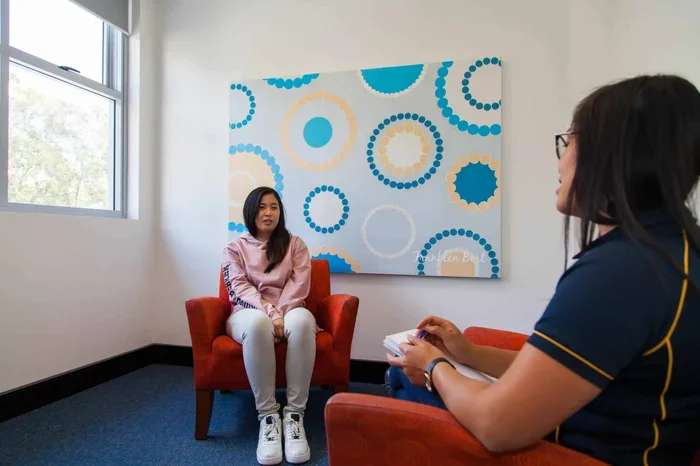
Some schools have taken a step further. They bring licensed therapists directly into the building. This model, called school-based mental health services, removes every barrier to access. There is no cost to the family. There is no need to take time off work for appointments. The therapist comes to the student.
This approach has shown remarkable results. Students who receive on-site therapy are more likely to attend consistently and less likely to end up in emergency rooms for mental health crises. For kids dealing with trauma-informed care needs, having a therapist at school can be life-changing.
Recognizing the Warning Signs in Students
Not every child who is struggling will ask for help. Many kids suffer in silence because they do not know how to speak up or because they fear being judged. This is where educator training becomes critical. Teachers and staff need to know what to look for.
Here are common warning signs that a student may be experiencing mental health challenges:
- Sudden changes in behavior: A student who was engaged becomes withdrawn or vice versa.
- Declining grades: Academic performance drops without an obvious reason.
- Physical complaints: Frequent headaches or stomachaches can signal anxiety or depression.
- Social isolation: The student stops eating lunch with friends or avoids group activities.
- Emotional outbursts: Uncharacteristic anger or tears may indicate deep emotional pain.
- Absenteeism: Missing school frequently can be a sign that the environment feels unsafe.
Recognizing these signs is not about diagnosing. It is about noticing and connecting. A teacher who says, “I have noticed you seem different lately. I am here if you want to talk,” can open a door that changes everything. If a student is reluctant to open up, connecting them with a counselor or using resources like guidance on how to get someone mental help when they refuse can provide strategies for reaching resistant students.
Building a Culture of Openness
Schools that prioritize mental health awareness create environments where talking about feelings is normal. They normalize conversations about mental health the same way they normalize conversations about physical health. When a school treats emotional wellbeing as a priority, students feel safer being honest about what they are going through.
This culture shift does not happen overnight. It starts with one teacher, one counselor, or one administrator who decides that student wellbeing matters as much as test scores. Over time, that message ripples through the entire school community.
The Long-Term Impact of School Mental Health Programs
What happens when a child receives mental health support at school? The effects go far beyond the classroom. Research consistently shows that early mental health intervention leads to better outcomes in adulthood. Students who get support are more likely to graduate, hold jobs, and build healthy relationships.
On the other hand, untreated childhood mental health challenges often follow people into adulthood. The impact of childhood mental health on adult work capacity is well documented. Kids who struggle with anxiety, depression, or trauma without support are more likely to face difficulties in their careers and relationships later in life.
This is why investing in school mental health support is not just a short-term fix. It is a long-term investment in human potential. Every dollar spent on school-based mental health services pays dividends for decades.
Addressing Mental Health Stigma
One of the biggest barriers to getting help is stigma. Many kids believe that needing support means something is wrong with them. Schools can fight this stigma directly. When mental health is talked about openly and without judgment, students learn that seeking help is a sign of strength, not weakness.
Schools can also combat stigma by including mental health education in the curriculum. When every student learns about emotions, coping strategies, and the importance of self-care, mental health becomes a normal topic of conversation. This is especially powerful for at-risk youth who may not have mental health discussions at home.
For children in challenging circumstances, such as those in foster care, school-based mental health support can be especially vital. Studies show that children in foster care face elevated mental health challenges, and school environments that understand these unique needs can provide crucial stability and care. Understanding the specific needs of these children, as explored in resources like do children in foster care have mental health issues, helps schools tailor their approach effectively.
How You Can Support School Mental Health Today
You do not need to be a school administrator to make a difference. Parents, community members, and students themselves all have a role to play in strengthening school mental health support. Here are practical steps you can take right now.
For Parents
- Talk to your child’s school: Ask what mental health resources are available. If there are none, ask why.
- Volunteer: Offer to help with SEL programs or mental health awareness events at your child’s school.
- Model openness: Talk about your own emotions at home. When kids see parents being honest about feelings, they feel safer doing the same.
For Teachers
- Get trained: Seek out professional development opportunities in trauma-informed care and mental health first aid.
- Check in daily: A simple “How are you doing today?” can make a student feel less alone.
- Create safe spaces: Designate a corner or room where students can go to regulate their emotions when they feel overwhelmed.
For Students
- Reach out: Talk to a counselor, teacher, or trusted adult if you are struggling. You are not a burden.
- Support your friends: Sometimes just listening to a friend who is going through a hard time is enough.
- Advocate: If your school does not have mental health resources, start a petition or write a letter to the principal.
Quick Tips for Building a Mentally Healthy School
- Start a peer support program where older students mentor younger ones.
- Host monthly mental health awareness workshops for families.
- Create a suggestion box where students can anonymously share concerns.
- Partner with local mental health organizations for training and resources.
- Celebrate mental health days alongside academic achievements.
Conclusion
Schools mental health support is not a trend. It is a transformation. As the mental health crisis among young people continues to grow, schools stand as the most accessible and trusted place for intervention. Every counselor hired, every SEL lesson taught, and every teacher trained in recognizing warning signs is a brick in the foundation of a healthier future.
The evidence is clear. When schools become lifelines for mental health, entire communities benefit. Students perform better academically. Families find stability. And kids who might otherwise feel invisible discover that someone cares. We all have a stake in this work. Whether you are a parent attending a PTA meeting, a teacher preparing lesson plans, or a student finding your voice, you can help make school mental health support a reality for every child.
Start today. Ask questions. Demand better. Because every child deserves a school that sees them, supports them, and believes in their healing.
Frequently Asked Questions
Why are schools so important for children’s mental health?
Schools are where children spend most of their waking hours. Teachers and counselors see students daily, which makes schools ideal for spotting early signs of mental health struggles. Schools also provide free access to support that many families cannot afford privately.
What is social-emotional learning and why does it matter?
Social-emotional learning teaches kids how to understand their emotions, build healthy relationships, and make good decisions. It matters because these skills reduce behavioral problems, improve academic performance, and build lifelong emotional resilience.
How can schools help students who are afraid to ask for help?
Schools can create a culture of openness where talking about feelings is normalized. Training teachers to approach students with care, offering anonymous check-in systems, and bringing therapists into the building all help remove the fear of seeking support.
What are the biggest challenges schools face in providing mental health support?
Funding shortages, high counselor-to-student ratios, and lack of training are the top challenges. Many schools also struggle with stigma around mental health, which makes it harder for students to feel comfortable asking for help.
Can school-based mental health programs really make a long-term difference?
Yes, research shows that early mental health intervention in schools leads to better outcomes in adulthood, including higher graduation rates, stronger relationships, and improved work capacity. The effects of school-based support can last a lifetime.
What can parents do if their child’s school lacks mental health resources?
Parents can advocate by speaking with school administrators, forming parent groups to push for funding, and connecting with local mental health organizations. Even starting a simple conversation at a PTA meeting can spark meaningful change.
