
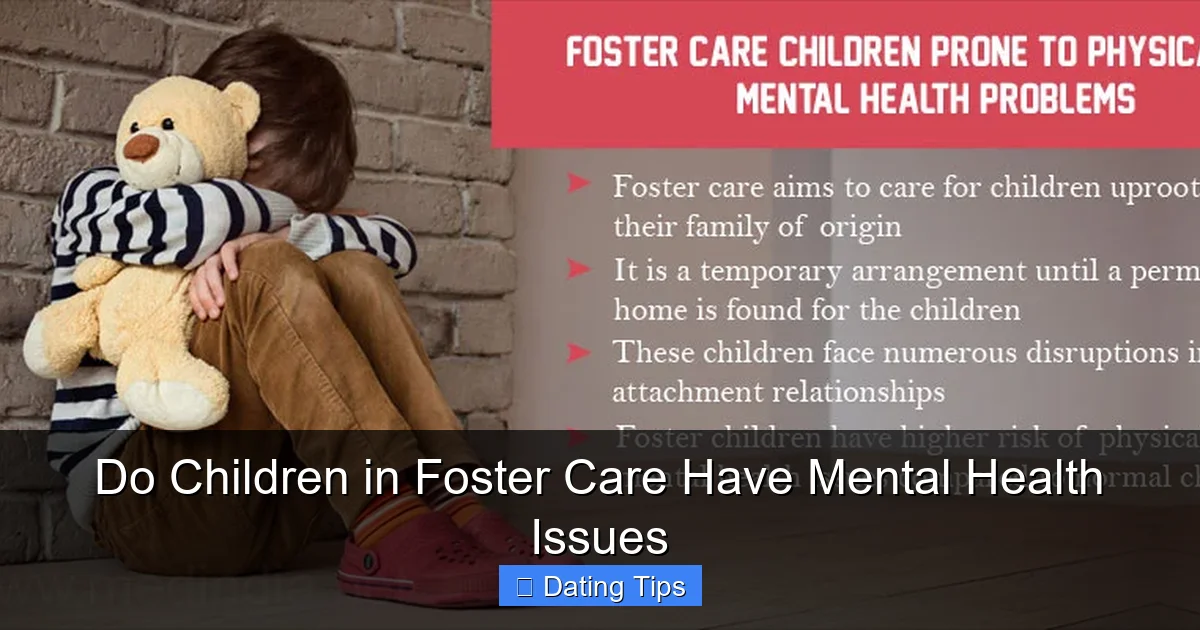
Children in foster care often experience higher rates of mental health issues due to trauma, instability, and loss. While not every child struggles, research shows a clear connection between foster care experiences and emotional challenges like anxiety, depression, and behavioral disorders. Understanding these risks helps caregivers, foster parents, and communities provide better support and healing opportunities.
Do Children In Foster Care Have Mental Health Issues
The question of whether children in foster care have mental health issues is both important and deeply human. When we think about foster care, images of temporary homes, paperwork, and legal proceedings often come to mind. But behind every case file is a real child—someone who may have experienced profound loss, fear, or uncertainty. These experiences don’t just fade away. They shape how children see themselves, others, and the world around them.
Research consistently shows that children entering foster care are more likely to struggle with mental health than their peers in stable family environments. It’s not that foster care causes mental illness—many children are resilient and thrive despite challenges. But the reality is complex. Trauma, instability, and separation from biological families create fertile ground for emotional difficulties. The good news? With proper support, understanding, and access to care, healing is possible. This article explores what we know about mental health in foster children, why it matters, and how communities can help.
Key Takeaways
- Foster children are at higher risk for mental health conditions: Studies show that up to 80% of children in foster care meet criteria for at least one mental health disorder, including anxiety, depression, and PTSD.
- Trauma is a major contributing factor: Many enter foster care due to abuse, neglect, or domestic violence, which can lead to long-term psychological effects.
- Placement instability worsens outcomes: Frequent moves between homes disrupt attachment and increase stress, making emotional regulation harder.
- Access to mental health services is critical: Early intervention with therapy and counseling can significantly improve long-term well-being.
- Support systems make a difference: Stable, nurturing relationships with caregivers and mentors help foster resilience and recovery.
- Education and awareness reduce stigma: Understanding mental health needs empowers foster families and professionals to respond with compassion.
- Transition planning includes mental health support: As youth age out, continued access to counseling and community resources improves life outcomes.
📑 Table of Contents
- The Reality of Mental Health in Foster Care
- Why Do Foster Children Struggle with Mental Health?
- Signs Your Foster Child May Be Struggling
- Supporting Mental Health in Foster Children: What Works
- Breaking the Cycle: Long-Term Strategies
- You’re Not Alone: Resources for Families
- Conclusion: Hope, Healing, and Humanity
The Reality of Mental Health in Foster Care
It’s no secret that children in foster care face unique challenges. From living through abuse or neglect to navigating multiple placements and court hearings, their lives are often marked by disruption. But what does this mean for their mental health?
Studies reveal that a significant number of foster children meet clinical criteria for mental health disorders. According to the U.S. Department of Health and Human Services, approximately 60–80% of children in foster care have at least one diagnosable mental health condition. That’s much higher than the general population, where estimates suggest about 15–20% of children experience mental health issues.
Common conditions include:
– Post-Traumatic Stress Disorder (PTSD)
– Anxiety disorders
– Depression
– Attention-Deficit/Hyperactivity Disorder (ADHD)
– Oppositional Defiant Disorder (ODD)
These aren’t just “bad behaviors” or mood swings. They’re real, treatable conditions that affect how children think, feel, and interact with the world. Without support, these challenges can follow them into adulthood—impacting education, employment, and relationships.
Why Do Foster Children Struggle with Mental Health?
Visual guide about Do Children in Foster Care Have Mental Health Issues
Image source: images.medindia.net
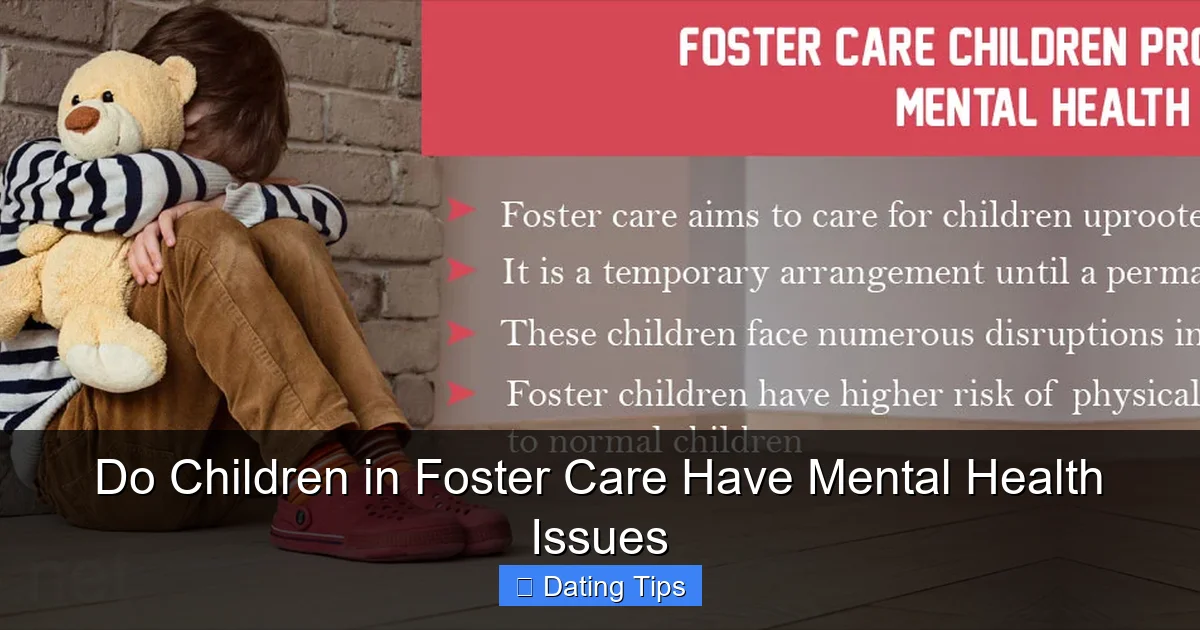
The link between foster care and mental health issues isn’t accidental. It stems from a combination of trauma, instability, and systemic gaps in support.
Trauma as the Foundation
Most children enter foster care because of abuse, neglect, or exposure to domestic violence. Even if they weren’t physically harmed, witnessing danger or losing trust in caregivers can leave deep emotional scars. Trauma affects the brain, especially in developing children. It can impair memory, attention, and emotional regulation—making school, friendships, and even sleep difficult.
For example, a child who witnessed domestic violence might startle easily, avoid eye contact, or struggle to trust adults. These reactions aren’t defiance—they’re survival mechanisms. Over time, untreated trauma can evolve into PTSD, depression, or anxiety.
Placement Instability Worsens Outcomes
Moving from home to home disrupts a child’s sense of safety and belonging. Each new placement means new rules, new schools, new caregivers. For a child already grappling with trauma, this constant change can feel overwhelming.
Research shows that frequent moves increase the risk of behavioral problems and academic struggles. A study published in *Child Abuse & Neglect* found that children with three or more placements were twice as likely to develop mental health issues compared to those with stable housing.
Stability isn’t just about a roof over your head. It’s about consistency, predictability, and feeling safe. Foster parents who offer patience, routine, and emotional availability play a crucial role in helping children heal.
Lack of Access to Mental Health Care
Even when mental health issues are recognized, many foster children face barriers to treatment. These include:
– Limited insurance coverage
– Long waitlists for therapists
– Lack of providers trained in trauma-informed care
– Transportation challenges
– Stigma around seeking help
In rural areas, finding a child psychologist might be nearly impossible. In urban centers, families may spend months on waiting lists before getting an appointment. Without timely intervention, symptoms can worsen over time.
Signs Your Foster Child May Be Struggling
Visual guide about Do Children in Foster Care Have Mental Health Issues
Image source: ipsos.com
How can you tell if a foster child is dealing with mental health challenges? Look for changes in behavior, mood, or daily functioning. Not all signs are obvious—some children hide their pain well.
Common indicators include:
– Persistent sadness or withdrawal
– Sudden anger or irritability
– Difficulty concentrating in school
– Nightmares or sleep disturbances
– Regressive behaviors (e.g., bedwetting, thumb-sucking)
– Avoidance of social situations
– Declining grades or school attendance
– Physical complaints (headaches, stomachaches) with no medical cause
If you notice several of these signs lasting more than a few weeks, it’s worth talking to a mental health professional. Early support can prevent problems from escalating.
Supporting Mental Health in Foster Children: What Works
Visual guide about Do Children in Foster Care Have Mental Health Issues
Image source: mind.family
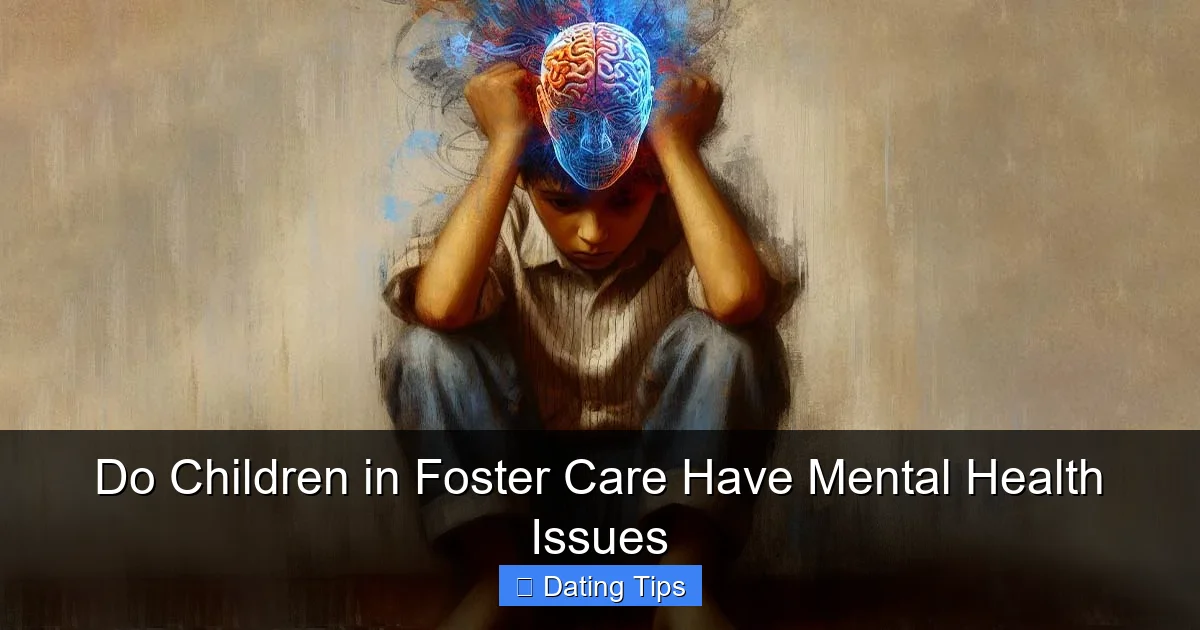
The good news is that with the right approach, foster children can heal and grow. Here’s how families, agencies, and communities can make a difference.
Build Trust Through Consistency
Children in foster care often struggle with trust. They may test boundaries, pull away, or act out—not because they’re “difficult,” but because they’re trying to protect themselves. Responding with patience, empathy, and consistency helps rebuild that trust.
Try these strategies:
– Keep promises, even small ones
– Maintain routines (meals, bedtime, homework)
– Use calm, clear communication
– Validate feelings without judgment
For instance, if a child lashes out during an argument, acknowledge their frustration: “I see you’re really upset. Let’s take a breath and talk about it when we’re calmer.” This teaches emotional regulation while showing you care.
Prioritize Trauma-Informed Care
Trauma-informed care means recognizing how past experiences shape current behavior. Instead of punishing a child for acting out, ask: “What happened earlier today that made you feel unsafe?”
Therapies like TF-CBT (Trauma-Focused Cognitive Behavioral Therapy) are proven effective for foster children. They help process traumatic memories in a safe way, reducing symptoms of PTSD and anxiety.
Foster parents don’t need to be therapists—but they do need training in trauma responses. Agencies should connect families with local resources, such as:
– Family counseling
– School-based mental health programs
– Support groups for foster parents
Collaborate with Schools and Agencies
Schools play a vital role in identifying and supporting mental health needs. Teachers can notice changes in behavior or academics and refer students to counselors. Foster parents should stay in close contact with teachers and school counselors.
Similarly, child welfare agencies should ensure regular mental health screenings. The American Academy of Pediatrics recommends annual mental health assessments for all children in foster care.
When everyone—foster parents, teachers, therapists, and caseworkers—works together, children get the wraparound support they need.
Encourage Healthy Expression
Art, music, journaling, and physical activity can help children express emotions they can’t put into words. These outlets also build self-esteem and reduce stress.
For example, a child struggling with anger might benefit from karate classes or boxing. Another who feels isolated might join a youth group or sports team. Simple activities like drawing or walking together can strengthen the caregiver-child bond.
Breaking the Cycle: Long-Term Strategies
Mental health challenges don’t disappear overnight. Healing takes time, but long-term strategies can set foster children up for success.
Permanency Planning Matters
Children need permanency—whether that’s reunification with biological parents, adoption, or another stable family. Research shows that kids with permanent connections are less likely to develop chronic mental health issues.
Permanency gives children a sense of belonging and reduces anxiety about the future. It also encourages caregivers to invest in long-term goals, like education and emotional growth.
Prepare for Aging Out
Many foster youth transition to adulthood without adequate support. In fact, up to 20% become homeless within a year of aging out. Poor mental health increases this risk.
To prevent this, foster youth should have access to:
– Life skills training (budgeting, cooking, job readiness)
– Mentorship programs
– College or vocational support
– Ongoing counseling and healthcare
Organizations like FosterClub and the Jim Casey Youth Opportunities Initiative offer resources specifically for older foster youth.
Advocate for Systemic Change
Change starts with awareness. Communities can advocate for:
– More funding for mental health services
– Training for foster parents and caseworkers
– Policies that reduce placement moves
– Integration of mental health into child welfare systems
By speaking up, we can create a system that truly supports vulnerable children.
You’re Not Alone: Resources for Families
Raising a child with mental health challenges is tough. You don’t have to do it alone. Here are some trusted resources:
– **National Child Traumatic Stress Network (NCTSN):** Offers free guides and tools for trauma-informed parenting.
– **Foster Club:** A peer network for foster youth with forums, mentorship, and college prep.
– **Child Welfare Information Gateway:** Provides state-specific resources on mental health and foster care.
– **Local mental health clinics:** Many accept Medicaid or sliding-scale fees.
Remember, seeking help isn’t a sign of failure—it’s a sign of strength. Taking care of yourself lets you take better care of your foster child.
Conclusion: Hope, Healing, and Humanity
Do children in foster care have mental health issues? The answer is yes—and no. Yes, because trauma and instability increase the risk of emotional struggles. No, because not every child will develop serious problems, and many will thrive with the right support.
What matters most is compassion. Behind every diagnosis is a child who deserves love, stability, and hope. By understanding their experiences, advocating for better systems, and offering consistent care, we can help foster children heal—and grow into confident, capable adults.
Healing isn’t linear. Some days will be hard. But with patience, resources, and community, progress is possible. Every small act of kindness—a listening ear, a warm meal, a patient response—adds up. Together, we can build a world where every child, no matter their past, has the chance to feel safe, valued, and whole.
Frequently Asked Questions
Are all children in foster care mentally ill?
No, not all children in foster care have mental health issues. However, due to trauma, instability, and adverse childhood experiences, they are at higher risk for conditions like anxiety, depression, and PTSD. Many children are resilient and thrive with proper support.
Why do foster children have higher rates of mental health problems?
Children enter foster care due to abuse, neglect, or unsafe home environments, which can cause trauma. Frequent placement changes, lack of stability, and limited access to mental health services further increase the risk of emotional difficulties.
How can I tell if my foster child is struggling emotionally?
Watch for changes in behavior, such as withdrawal, irritability, declining school performance, nightmares, or physical complaints without medical cause. If these persist for weeks, consult a mental health professional for evaluation.
Is therapy effective for foster children?
Yes. Trauma-focused therapies like TF-CBT are evidence-based treatments that help children process painful experiences. Early intervention significantly improves long-term emotional well-being and reduces symptom severity.
Can foster parents help improve a child’s mental health?
Absolutely. Providing consistency, emotional support, and a stable environment helps children feel safe and secure. Training in trauma-informed care and collaboration with therapists also makes a big difference.
What resources are available for foster families dealing with mental health issues?
Resources include local mental health clinics, school counselors, the National Child Traumatic Stress Network, Foster Club, and state-specific child welfare agencies. Many offer free or low-cost services and parent training programs.
