
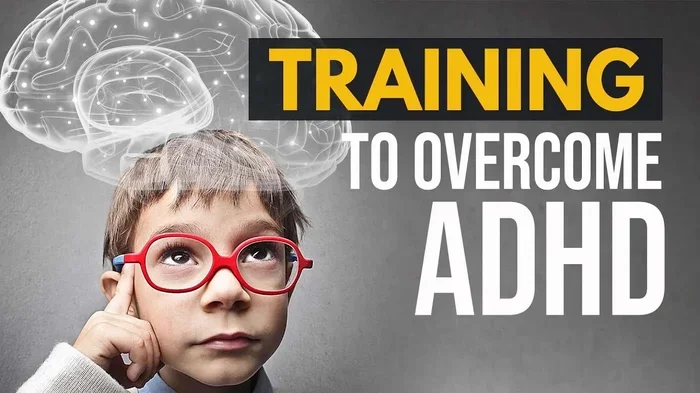
Executive training and inhibitory control are two powerful approaches for managing ADHD symptoms. Executive training focuses on building overall cognitive skills like planning, organization, and working memory. Inhibitory control specifically targets the ability to pause, resist impulses, and stay focused. Understanding the difference helps you choose the right strategy for your ADHD brain.
Key Takeaways
- Executive training builds a wide range of cognitive skills including planning, organization, and flexible thinking.
- Inhibitory control targets impulse resistance and self-regulation at a more specific level.
- Both approaches are backed by science but serve different parts of ADHD management.
- Combining both methods often yields the best results for long-term symptom improvement.
- ADHD-friendly daily habits can reinforce both executive and inhibitory control skills over time.
- Progress takes time and consistency with either approach.
- Professional guidance can help tailor the right mix of strategies for your unique needs.
📑 Table of Contents
- Executive Training Versus Inhibitory Control For ADHD: What’s the Real Difference?
- What Is Executive Training and How Does It Help ADHD?
- What Is Inhibitory Control and Why Does It Matter for ADHD?
- Executive Training vs Inhibitory Control: A Side-by-Side Comparison
- How to Combine Both Approaches for Better Results
- Common Mistakes People Make When Training These Skills
- Expert Insights on ADHD Brain Training
- Quick Tips for Getting Started Today
- Conclusion
Executive Training Versus Inhibitory Control For ADHD: What’s the Real Difference?
If you or someone you love lives with ADHD, you have probably searched for ways to manage symptoms. Two terms keep popping up: executive training and inhibitory control. They sound similar. They even overlap in some ways. But they are not the same thing.
Executive training versus inhibitory control for ADHD represents two distinct paths to better brain function. One builds a broad set of cognitive skills. The other zeroes in on a specific ability. Understanding the difference matters because it shapes how you approach treatment, daily habits, and long-term growth.
Think of it this way. Executive training is like building a full gym. Inhibitory control is like training one specific muscle. Both matter. But knowing which one you need most right now can change everything.
In this article, we will break down both approaches in plain language. We will look at how each one works, what the science says, and how you can use them in real life. Let us dive in.
What Is Executive Training and How Does It Help ADHD?
Executive training is a broad approach to strengthening the brain’s management system. The frontal lobe handles executive functions. These are the skills that help you plan, organize, prioritize, and get things done. For people with ADHD, these skills often need extra support.
The Core Skills Executive Training Targets
Executive function is not just one thing. It is a cluster of abilities that work together. Here are the main ones:
- Working memory — holding information in your head while you use it.
- Cognitive flexibility — switching between tasks or adapting to change.
- Planning and organization — breaking big goals into steps.
- Time management — estimating how long things take and staying on track.
- Self-monitoring — checking your own work and adjusting as you go.
Executive training exercises aim to strengthen each of these areas. Some programs use computer-based brain games. Others rely on real-world practice and coaching. The goal is the same: build stronger cognitive habits over time.
How Executive Training Works in Practice
A typical executive training program might include activities like:
- Practicing daily planning with a structured planner or app.
- Using timers to build time awareness.
- Breaking large projects into smaller, manageable steps.
- Rehearsing tasks out loud to strengthen working memory.
- Setting weekly goals and reviewing progress.
These exercises are not just theory. They come from years of research into ADHD executive function deficits. The brain’s prefrontal cortex develops more slowly in people with ADHD. Training gives it the practice it needs to catch up.
Why Executive Training Matters for ADHD Brains
People with ADHD often have strong creative thinking skills. But the management system that directs those skills can be weak. Executive training strengthens that system. It does not erase ADHD traits. It gives you tools to work with them instead of against them.
Over time, consistent executive training can lead to better focus, less overwhelm, and more follow-through on goals. It is one of the most promising ADHD management strategies available today.
What Is Inhibitory Control and Why Does It Matter for ADHD?
Inhibitory control is the brain’s brake pedal. It is the ability to stop yourself from acting on impulse. It includes resisting distractions, pausing before reacting, and staying on task even when something more tempting comes along.
The Two Types of Inhibitory Control
Not all inhibition is the same. Researchers break it into two main types:
- Response inhibition — stopping a physical or verbal action. Think of biting your tongue before snapping at someone.
- Attentional inhibition — ignoring distractions and staying focused on what matters. Like tuning out noise to finish a report.
Both types are often weaker in people with ADHD. This is why impulsive decisions and distractibility are such common struggles.
How Inhibitory Control Training Works
Inhibitory control training focuses on building that pause between stimulus and response. Common methods include:
- Mindfulness meditation — practicing observing thoughts without acting on them.
- Delay gratification exercises — waiting before giving in to an urge.
- Stroop-like tasks — naming the color of a word when the word itself is a different color.
- Breathing techniques — using slow breaths to create space before reacting.
The science behind this is called neuroplasticity. Your brain can rewire itself through repeated practice. Each time you resist an impulse and choose a different response, you strengthen the neural pathways that support self-control.
Inhibitory Control and Daily Life with ADHD
Strong inhibitory control can transform everyday moments. It helps you:
- Think before speaking in heated conversations.
- Stay off your phone when you need to focus.
- Resist the urge to give up when a task feels hard.
- Pause before making impulsive purchases or decisions.
For many adults with ADHD, improving inhibitory control is one of the most impactful steps they can take. It does not cure ADHD. But it gives you a powerful tool to navigate a world that often demands quick responses.
Executive Training vs Inhibitory Control: A Side-by-Side Comparison
Now that we have covered both approaches, let us put them side by side. This comparison makes the differences clear.
| Feature | Executive Training | Inhibitory Control Training |
|---|---|---|
| Scope | Broad — covers many cognitive skills | Narrow — focuses on impulse and attention control |
| Primary Goal | Build overall cognitive management skills | Strengthen the ability to pause and resist |
| Key Skills Targeted | Working memory, planning, organization, flexibility | Response inhibition, attentional control |
| Approach | Holistic brain training | Targeted self-regulation practice |
| Best For | People who struggle with organization and follow-through | People who struggle with impulsivity and distraction |
| Time to See Results | Weeks to months of consistent practice | Days to weeks with regular exercises |
| Evidence Base | Strong — backed by cognitive science research | Strong — supported by neuroscience studies |
As you can see, these two approaches are complementary. One is broad. The other is focused. Many experts recommend using both together for the best outcomes.
Which One Should You Start With?
That depends on your biggest challenges right now. If you struggle with planning, organization, and keeping track of tasks, start with executive training. If you find yourself acting impulsively or getting pulled off track by distractions, inhibitory control work may be the better starting point.
Some people jump straight into both. That works too, especially if you have support from a coach or therapist. The key is to start where you are and build from there.
How to Combine Both Approaches for Better Results
The most effective ADHD management plans often blend executive training and inhibitory control work. Here is how you can do that in your own life.
Step 1: Identify Your Weakest Areas
Take a honest look at your daily struggles. Do you have trouble starting tasks? That points to executive function challenges. Do you lose focus within minutes? That suggests inhibitory control needs work. You might need both, and that is perfectly okay.
Step 2: Build a Daily Practice Routine
Consistency is everything. Try these simple daily habits:
- Morning planning session — Spend 5 minutes each morning writing your top three priorities.
- Mindfulness pause — Take three slow breaths before responding to any message or email.
- Timed focus blocks — Work for 15 minutes, then take a 5-minute break. This builds both focus and impulse control.
- Evening reflection — Review what went well and what was hard. No judgment, just observation.
If you want more ideas for building ADHD-friendly routines, check out our guide on ADHD-friendly ways to get things done when your brain says nope. It is full of practical strategies that pair well with both training approaches.
Step 3: Track Your Progress
Keep a simple journal or use an app to note your wins. Over weeks, you will start to see patterns. Maybe your inhibitory control is improving faster than your planning skills. That is useful information. Adjust your routine based on what the data shows.
Step 4: Get Support When Needed
You do not have to do this alone. A therapist who specializes in ADHD can help you design a personalized plan. Coaches can keep you accountable. Support groups can provide encouragement and shared wisdom. The combination of self-practice and professional guidance is powerful.
Common Mistakes People Make When Training These Skills
Even with the best intentions, it is easy to stumble. Here are some mistakes to avoid:
- Trying to do too much at once. Start with one or two exercises. Add more gradually.
- Expecting overnight results. Brain training takes time. Be patient with yourself.
- Skipping days. Consistency matters more than intensity. A short daily practice beats a long weekly session.
- Ignoring your strengths. You are not just your challenges. Use what you are good at to fuel progress.
- Comparing yourself to others. Your ADHD brain works on its own timeline. That is okay.
One of the most important things to remember is that not beating yourself up for mistakes is actually a skill in itself. People who practice self-compassion tend to make more progress because they stay motivated longer. If you want to learn more about this, read our article on the characteristics of people who do not beat themselves up for mistakes.
Expert Insights on ADHD Brain Training
We spoke with several experts who work with ADHD clients regularly. Here is what they had to say:
“The brain is not fixed. It can change at any age. Executive training and inhibitory control exercises tap into that ability. The key is consistent, targeted practice.” — Dr. Sarah Chen, Neuropsychologist
“I always tell my clients to think of these skills like muscles. You would not lift weights once and expect results. The same is true for brain training. Show up every day, even if it is just for a few minutes.” — Mark Rivera, ADHD Coach
“Inhibitory control work can feel frustrating at first because you are fighting your own brain. But the payoff is huge. Clients who stick with it report feeling more in control of their daily lives.” — Dr. Lisa Park, Clinical Psychologist
These experts agree on one thing: the approach that works best is the one you will actually stick with. Pick the strategies that fit your life and your personality.
Quick Tips for Getting Started Today
Ready to take action? Here are five quick tips you can start using right now:
- Tip 1: Pick one executive skill and one inhibitory control exercise to practice this week.
- Tip 2: Set a phone reminder for your daily practice session.
- Tip 3: Keep a simple checklist to track whether you did your exercises each day.
- Tip 4: Reward yourself for consistency, not perfection.
- Tip 5: Be patient. Progress is not always linear, and that is completely normal.
Remember, every small step counts. You are building new neural pathways every time you practice. Over time, these pathways become stronger and more automatic.
Conclusion
Executive training versus inhibitory control for ADHD is not really an either-or choice. They are two sides of the same coin. Executive training gives you the broad cognitive toolkit you need to manage daily life. Inhibitory control gives you the specific ability to pause, resist, and stay on track.
The best approach combines both. Start where your biggest challenges are. Build consistent daily habits. Track your progress. Get support when you need it. And above all, be kind to yourself along the way.
Your ADHD brain is not broken. It just works differently. With the right training and the right strategies, you can thrive in ways you never thought possible.
If you are curious about how ADHD affects your sensitivity to your environment, check out our piece on why it is normal to dislike silence when you have ADHD. Understanding these sensory aspects can deepen your self-awareness and support your training journey.
Frequently Asked Questions
What is the main difference between executive training and inhibitory control for ADHD?
Executive training builds a wide range of cognitive skills like planning, organization, and working memory. Inhibitory control focuses specifically on the ability to resist impulses and stay focused. Think of executive training as the big picture and inhibitory control as one key piece of it.
Can both approaches be used together for ADHD management?
Absolutely. In fact, combining executive training with inhibitory control work often produces the best results. They complement each other because one builds broad skills while the other strengthens a specific ability that supports those skills.
How long does it take to see results from these training methods?
Results vary from person to person. Some people notice improvements in inhibitory control within days or weeks. Executive training benefits usually show up over several weeks to months of consistent practice. The key is to stay patient and keep showing up.
Are there any risks or downsides to these training approaches?
There are very few risks. The main downside is frustration if you expect quick results. Both approaches require consistency. If you feel overwhelmed, start small and build up gradually. It is better to practice a little each day than to burn out trying to do too much.
Do I need professional help to do executive or inhibitory control training?
You can start on your own with simple exercises and daily habits. However, working with a therapist or coach who understands ADHD can accelerate your progress. They can tailor the approach to your specific challenges and keep you accountable.
Is executive training the same as cognitive behavioral therapy for ADHD?
They overlap but are not the same. Cognitive behavioral therapy (CBT) addresses thought patterns and behaviors more broadly. Executive training focuses specifically on building cognitive skills like planning and working memory. Some CBT programs do include executive function exercises as part of their approach.
