
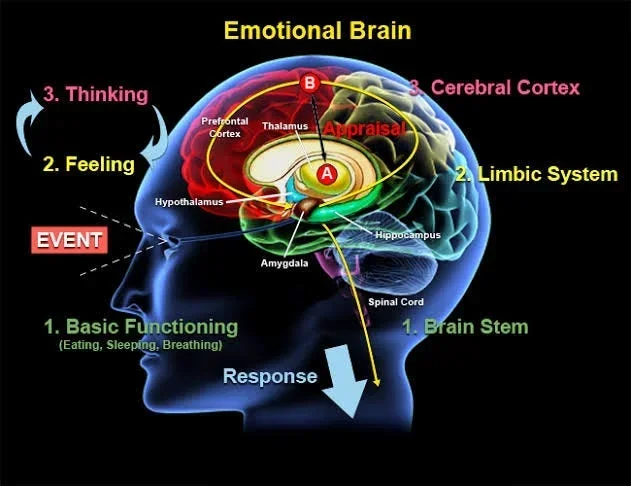
The brain controls emotions through a complex network of structures, with the limbic system and amygdala playing the biggest roles. The prefrontal cortex helps regulate feelings, while brain chemistry influences how we react every day. Understanding these parts empowers you to take charge of your emotional health.
Have you ever wondered why you feel a rush of fear before a big meeting? Or why a sad song can make you cry instantly? The answer lies deep inside your skull. Which part of the brain controls emotions and feelings is a question that scientists have studied for decades. The truth is, it is not just one single part. Your brain works as a team, with different regions collaborating to create every emotion you experience.
Understanding how your brain handles feelings can change your life. It helps you manage stress, build stronger relationships, and even improve your emotional intelligence. In this article, we will break down the key brain structures involved in emotional regulation. We will explore what happens inside your head when you feel joy, anger, sadness, or love. By the end, you will have a clear picture of your emotional brain and how to use that knowledge every day.
Key Takeaways
- The limbic system is the primary hub for processing emotions like fear, joy, and anger.
- The amygdala acts as your brain’s alarm system, triggering quick emotional responses.
- The prefrontal cortex helps you think before you feel, enabling rational emotional control.
- Brain chemistry, including neurotransmitters, directly shapes your daily mood and feelings.
- Emotional regulation is a skill you can strengthen through practice and awareness.
- Understanding your emotional brain helps you build healthier relationships and mental wellness.
📑 Table of Contents
- What Is the Emotional Brain?
- The Amygdala: Your Brain’s Alarm System
- The Prefrontal Cortex: The理性 Voice
- Brain Chemistry and Emotions
- How Emotions Affect the Rest of Your Body
- How to Strengthen Your Emotional Brain
- Common Mistakes People Make About Emotions
- Final Thoughts on Which Part of the Brain Controls Emotions
What Is the Emotional Brain?
Your brain is made up of many parts, but not all of them handle feelings. The emotional brain refers to a group of structures that work together to process and respond to emotions. These structures help you react to the world around you, often without you even realizing it.
When we talk about brain function related to emotions, we are really talking about a network. No single part works alone. Instead, different regions pass signals back and forth, like a team passing a ball. This network decides how intense your feelings are, how long they last, and how you express them.
Think of it this way. Your brain has a smoke detector and a fire inspector. The smoke detector goes off fast and loud. The inspector takes time to look at the whole picture. Both are important. Both keep you safe. Your emotional responses work the same way.
The Limbic System: Your Emotional Command Center
The limbic system is the most important player when it comes to brain emotions. It sits in the middle of your brain and looks a bit like a snail shell. This system includes several structures that handle different aspects of feeling.
Here are the key parts of the limbic system:
- The amygdala – detects threats and triggers fear or excitement
- The hippocampus – connects emotions to memories
- The hypothalamus – controls physical reactions like heart rate and sweating
- The thalamus – relays sensory information to other brain areas
Together, these parts create your emotional landscape. When something happens, the limbic system jumps into action within milliseconds. This is why you might flinch at a loud noise before you even consciously process what happened. Your emotional regulation depends on how well these parts communicate with each other.
The Amygdala: Your Brain’s Alarm System
The amygdala is a small, almond-shaped structure deep in the brain. Despite its size, it plays a massive role in how you experience feelings and thoughts. It is often called the brain’s alarm system because it reacts fast to potential danger.
When you see something scary or surprising, the amygdala sends an immediate signal. This triggers your stress response, also known as fight or flight. Your heart races. Your palms get sweaty. You feel a rush of adrenaline. All of this happens before your logical brain even catches up.
But the amygdala does more than just detect threats. It also plays a role in positive emotions. It helps you feel excitement, pleasure, and even love. The amygdala attaches emotional meaning to experiences, which is why certain smells or songs can bring back powerful memories.
How the Amygdala Affects Daily Life
Understanding your amygdala can help you make sense of your reactions. Have you ever overreacted to something small? That is your amygdala working overtime. It sometimes mistakes a minor stressor for a real threat.
Here are some common ways the amygdala affects daily life:
- Feeling sudden anxiety before a social event
- Reacting angrily when someone criticizes you
- Freezing up in a tense conversation
- Feeling a surge of happiness when you see a loved one
The good news is that you can train your amygdala to respond more calmly. Emotional control is not about suppressing feelings. It is about learning to pause between a trigger and your reaction. Over time, this creates new neural pathways that make calm responses feel more natural.
The Prefrontal Cortex: The理性 Voice
While the amygdala reacts quickly, the prefrontal cortex thinks things through. This part of your brain sits right behind your forehead. It is responsible for planning, decision-making, and yes, emotional regulation.
The prefrontal cortex acts as the brake pedal for your emotions. When your amygdala screams “danger,” the prefrontal cortex steps in and says, “Wait. Let us think about this first.” This is the part of your brain that helps you stay composed during an argument or make a wise choice when you feel upset.
Here is how the prefrontal cortex contributes to emotional wellness:
- It helps you understand other people’s feelings
- It allows you to consider consequences before acting
- It manages impulse control and patience
- It supports long-term emotional goals over short-term reactions
Why the Prefrontal Cortex Matters for Relationships
Your emotional intelligence depends heavily on a healthy prefrontal cortex. When this part of the brain works well, you can navigate difficult conversations without losing your cool. You can listen to someone else’s perspective even when you feel strongly about your own.
Unfortunately, the prefrontal cortex does not fully develop until your mid-twenties. This is why teenagers often seem to react emotionally without thinking. Their brain chemistry is still maturing. Understanding this can bring more patience to your relationships with younger people.
Also, chronic stress can weaken the prefrontal cortex over time. When you are constantly overwhelmed, the logical part of your brain struggles to keep up. This is why mental health practices like meditation and rest are so important. They protect and strengthen this critical region.
Brain Chemistry and Emotions
Beyond structures, your brain chemistry plays a huge role in how you feel. Chemicals called neurotransmitters carry signals between brain cells. They influence everything from your mood to your energy levels.
Here are the key neurotransmitters involved in emotional responses:
- Serotonin – helps regulate mood, sleep, and appetite
- Dopamine – drives feelings of pleasure and reward
- GABA – calms brain activity and reduces anxiety
- Cortisol – the stress hormone that prepares you for danger
- Oxytocin – the bonding hormone linked to love and trust
When these chemicals are balanced, you feel stable and motivated. When they are out of balance, you might experience mood swings, anxiety, or depression. This is why emotional control is not just a mental skill. It is also a biological process.
Natural Ways to Support Healthy Brain Chemistry
You do not need medication to support your brain function. Simple daily habits can make a big difference. Here are some practical tips:
- Exercise regularly. Physical activity boosts serotonin and dopamine naturally.
- Get enough sleep. Your brain needs rest to reset neurotransmitter levels.
- Eat balanced meals. Nutrients like omega-3 fatty acids support brain health.
- Practice deep breathing. This activates the calming part of your nervous system.
- Spend time in nature. Fresh air and sunlight help regulate cortisol levels.
These habits are not just good for your body. They directly shape how you experience feelings and thoughts every single day. Small changes add up over time.
How Emotions Affect the Rest of Your Body
Emotions are not just in your head. They affect your entire body. When you feel stressed, your muscles tense up. When you feel anxious, your stomach might hurt. This connection between mind and body is real and powerful.
Your subconscious mind plays a big role here. Many emotional reactions happen below your conscious awareness. You might feel tense in a certain room without knowing why. Or you might crave comfort food when you feel lonely. These patterns are your brain’s way of protecting you, even when they cause problems.
Understanding this mind-body connection is the first step toward better emotional regulation. When you notice physical signs of stress, you can respond before the feeling spirals. This is a core skill in emotional intelligence.
The Connection Between Emotions and Physical Health
Long-term negative emotions can take a toll on your body. Chronic stress weakens your immune system. Unresolved anger can raise blood pressure. Sadness that lingers can disrupt your sleep and appetite.
On the flip side, positive emotions support your health. Joy boosts your immune system. Gratitude improves your sleep. Love and connection lower cortisol levels. This is why emotional wellness is so important for overall health.
If you struggle with managing your feelings, you are not alone. Many people face challenges with emotional control. The key is to approach it with curiosity and compassion. Your brain is doing its best with the tools it has.
How to Strengthen Your Emotional Brain
The brain is remarkably flexible. This quality is called neuroplasticity. It means you can change and strengthen the parts of your brain that handle emotions. With consistent practice, you can improve your emotional regulation and build a more resilient mind.
Here are practical ways to strengthen your emotional brain:
- Practice mindfulness daily. Even five minutes of quiet observation helps you become aware of your feelings without reacting to them.
- Name your emotions. Putting a label on what you feel activates the prefrontal cortex and calms the amygdala. This simple technique is backed by science.
- Journal regularly. Writing about your feelings helps you process them and spot patterns over time.
- Talk to someone you trust. Sharing emotions with a safe person helps regulate your brain chemistry and builds connection.
- Challenge negative thoughts. When you notice a distorted thought, ask yourself if it is really true. This strengthens your rational brain.
The Role of Professional Support
Sometimes, emotions feel too big to handle alone. That is okay. Seeking help from a therapist or counselor is a sign of strength. Professionals can help you understand your emotional responses and develop personalized strategies for emotional control.
Many people find that therapy helps them uncover deep patterns in their feelings and thoughts. These patterns often trace back to childhood experiences or long-held beliefs. Working through them brings relief and opens up new possibilities for emotional wellness.
Remember, taking care of your emotional health is just as important as taking care of your physical health. Your brain deserves the same attention and compassion you give the rest of your body.
Common Mistakes People Make About Emotions
There are many myths about emotions and the brain. Let us clear up a few common mistakes:
- Mistake 1: Emotions are weakness. In reality, emotions are a sign of a healthy brain. They help you connect with others and respond to your environment.
- Mistake 2: You should always think before you feel. Emotions happen automatically. You cannot control the first feeling, but you can choose how to respond to it.
- Mistake 3: Negative emotions are bad. Fear, sadness, and anger all serve important purposes. They alert you to danger, signal loss, and set boundaries.
Avoiding these mistakes helps you develop a healthier relationship with your feelings. It also builds a stronger foundation for emotional intelligence and overall well-being.
Final Thoughts on Which Part of the Brain Controls Emotions
So, which part of the brain controls emotions and feelings? The answer is that it takes a whole team. The limbic system generates emotions. The amygdala reacts quickly to threats. The prefrontal cortex brings reason and balance. And brain chemistry sets the stage for how intensely you feel.
Understanding this complex system gives you power. When you know how your emotional brain works, you can take steps to support it. You can build habits that strengthen your emotional regulation. You can approach your feelings with curiosity instead of fear.
Your emotions are not your enemy. They are signals from a remarkable organ that keeps you alive, connected, and aware. Honor them. Learn from them. And remember that emotional control is a journey, not a destination. Every day offers a new chance to understand yourself better and grow.
For those dealing with ongoing emotional challenges, exploring resources on mental health and emotional wellness can provide additional support and guidance. You deserve to feel whole and balanced in your daily life.
Frequently Asked Questions
What part of the brain is responsible for emotions?
The limbic system is the primary region responsible for emotions. Within the limbic system, the amygdala detects emotional triggers, while the prefrontal cortex helps regulate responses. These structures work together to create your emotional experience.
Can you control your emotions by training your brain?
Yes, you can improve emotional control through practice. Techniques like mindfulness, journaling, and cognitive reframing strengthen neural pathways in the prefrontal cortex. Over time, these practices make it easier to regulate your feelings and respond calmly.
Why do emotions sometimes feel overwhelming?
Emotions feel overwhelming when the amygdala activates faster than the prefrontal cortex can respond. This is especially common during stress or fatigue. Understanding this helps you realize that intense feelings are temporary and manageable with the right tools.
How does brain chemistry affect mood?
Neurotransmitters like serotonin, dopamine, and cortisol directly influence your mood. When these chemicals are balanced, you feel stable and positive. Imbalances can lead to anxiety, depression, or mood swings, which is why brain health matters for emotional wellness.
Is emotional intelligence connected to brain structure?
Yes, emotional intelligence depends on healthy communication between the amygdala and prefrontal cortex. People with strong emotional awareness tend to have well-developed neural pathways that support calm, thoughtful responses to emotional triggers.
What happens when the emotional part of the brain is damaged?
Damage to the limbic system or prefrontal cortex can cause difficulty managing emotions. People may experience mood swings, impulsivity, or trouble understanding others’ feelings. Therapy and support can help the brain form new pathways to compensate.
=== CONCLUSION ===
Which part of the brain controls emotions and feelings is a question with a beautiful answer: it takes a whole team working together. Your limbic system generates feelings, your amygdala reacts fast, and your prefrontal cortex brings wisdom and balance. Supporting your brain chemistry through healthy habits strengthens this entire system.
Take what you learned today and apply it. Practice naming your emotions. Build routines that protect your mental health. And be patient with yourself as you grow. Your emotional brain is powerful, and with the right care, it can serve you well for a lifetime.
If you want to explore more about emotional health and building stronger relationships, check out our article on signs of the spirit of enmity in a relationship to understand how unresolved emotions can affect your connections with others.
Also, learning to manage conflict is essential for emotional wellness. Our piece on why stonewalling is the most overlooked form of emotional abuse reveals how avoiding emotional expression harms both you and your relationships.
Finally, finding joy even during difficult times is a skill you can develop. Read our guide on how happiness can be found even in the darkest of times for practical strategies to uplift your mood and strengthen your emotional resilience.
