
Gad Or Social Anxiety Disorder can look similar but are very different conditions. GAD involves constant worry about many things, while social anxiety focuses on fear of judgment in social settings. Understanding the difference matters because each condition needs its own treatment approach. This guide breaks down symptoms, causes, and solutions in plain language.
Key Takeaways
- GAD and social anxiety are distinct: They have different triggers, symptoms, and treatment paths.
- GAD centers on excessive worry about everyday life, while social anxiety revolves around fear of judgment.
- Both conditions are treatable with therapy, lifestyle changes, and sometimes medication.
- Self-diagnosis is risky, so always consult a mental health professional for an accurate assessment.
- Early intervention leads to better outcomes, so don’t wait if you recognize these signs in yourself.
- Daily habits matter a lot in managing both conditions alongside professional care.
📑 Table of Contents
What Is Generalized Anxiety Disorder?
Generalized Anxiety Disorder, or GAD, is a mental health condition where a person worries too much about many different things. The worry feels hard to control. It can show up even when there is no clear reason to feel anxious.
People with GAD often expect the worst. They might worry about health, money, work, or family. The worry is not just a passing feeling. It sticks around for months and gets in the way of daily life.
GAD is one of the most common anxiety disorders. It affects millions of adults worldwide. Many people live with it for years before they get a proper diagnosis.
Common GAD Symptoms
- Restlessness or feeling on edge
- Fatigue even after a full night of sleep
- Difficulty concentrating or mind going blank
- Irritability that feels out of proportion
- Muscle tension in the shoulders, neck, or jaw
- Sleep problems like trouble falling or staying asleep
The worry in GAD is broad. It is not tied to one specific situation. Instead, it touches many areas of life at once.
What Causes GAD?
There is no single cause for GAD. It usually comes from a mix of factors. Genetics play a role. If your parents had anxiety, you might be more likely to develop it too. Brain chemistry matters as well. Imbalances in neurotransmitters can fuel constant worry.
Life stress also triggers GAD. Major changes like job loss, divorce, or illness can start it. Long-term stress keeps it going. Even personality traits like perfectionism can make you more vulnerable.
What Is Social Anxiety Disorder?
Social Anxiety Disorder is a condition where people feel intense fear in social situations. The fear is not just shyness. It is a deep worry about being judged, embarrassed, or humiliated by others.
People with social anxiety often avoid certain situations. They might skip parties, meetings, or even everyday conversations. The fear feels overwhelming and hard to control.
Social anxiety is sometimes called social phobia. It is the third most common mental health disorder in the United States. Yet many people suffer in silence because they feel ashamed.
Common Social Anxiety Symptoms
- Intense fear of being watched or judged
- Avoidance of social events or gatherings
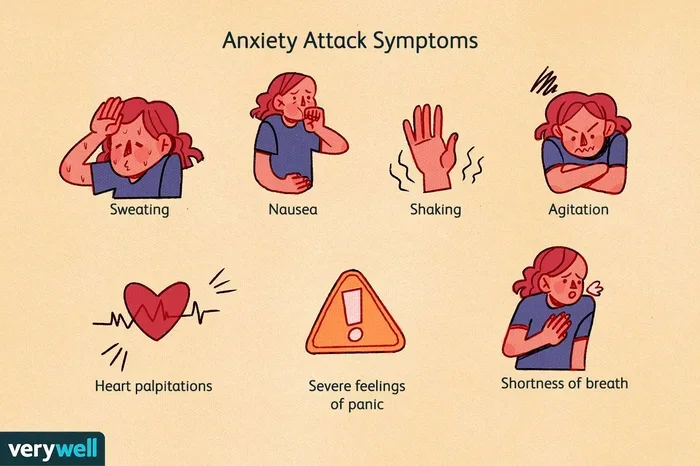
- Blushing, sweating, or trembling in social settings
- Nausea or stomach trouble before social situations
- Difficulty speaking or drawing a blank in conversation
- Overthinking every social interaction after it happens
The fear in social anxiety is specific. It centers on how others perceive you. Unlike GAD, the worry is not spread across many life areas.
What Triggers Social Anxiety?
Social anxiety often starts in adolescence. Negative experiences like bullying or public embarrassment can spark it. A shy temperament also increases the risk. Some people are born with a more sensitive nervous system.
Social media can also play a role. Constant comparison online fuels feelings of inadequacy. Studies show that ignoring the psychological signs of social media fatigue can make anxiety worse over time. The pressure to present a perfect image online adds to the fear of judgment.
Gad Or Social Anxiety Disorder: Spotting the Key Differences
This is the core of the topic many people search for. Understanding the difference helps you get the right kind of help. The two conditions share some symptoms but differ in focus and triggers.
Focus of the Worry
With GAD, the worry is wide-ranging. You might fret about your job on Monday, your health on Tuesday, and your finances on Wednesday. The topics shift constantly.
With social anxiety, the worry is narrow. It focuses on social performance and how others see you. You might worry about giving a presentation or eating in front of coworkers. The fear is always about social judgment.
When the Anxiety Shows Up
GAD worry is constant. It follows you through the day regardless of where you are. You can feel anxious at home, at work, or on vacation.
Social anxiety is situation-specific. You feel fine at home alone. The anxiety spikes when you face social situations. Once you leave the situation, the fear often fades.
Physical Symptoms Compared
Both conditions cause physical symptoms. But they show up differently. GAD often leads to chronic muscle tension and sleep issues. Social anxiety triggers more immediate reactions like blushing, sweating, and trembling.
| Feature | GAD | Social Anxiety |
|---|---|---|
| Main worry | Many life areas | Social judgment |
| Trigger | Broad and constant | Specific social situations |
| Physical signs | Fatigue, muscle tension, sleep issues | Blushing, sweating, trembling |
| Avoidance pattern | General withdrawal | Avoids specific social events |
| Onset | Can develop at any age | Often starts in adolescence |
| Duration | Chronic and ongoing | Situational and episodic |
How These Conditions Affect Daily Life
Both GAD and social anxiety can seriously disrupt your life. They affect work, relationships, and overall well-being. The impact varies from person to person.
GAD can make simple decisions feel impossible. The constant worry drains your energy. You might struggle to focus at work or enjoy time with loved ones. Over time, this can lead to burnout and exhaustion.
Social anxiety can isolate you from others. You might turn down invitations or avoid meeting new people. Over time, this isolation can damage relationships and career growth. It can also feed into feelings of loneliness and low self-esteem.
When anxiety affects your relationship, it can create a cycle of tension. For example, being married to someone with anxiety can be incredibly draining for both partners. The anxious person may withdraw, and the partner may feel helpless or frustrated.
Impact on Work and Career
- GAD: Difficulty concentrating, indecisiveness, and perfectionism slow down productivity.
- Social Anxiety: Fear of meetings, presentations, and team interactions limits career growth.
- Both: Absenteeism and presenteeism become common problems over time.
Impact on Relationships
- GAD: Constant worry can make you overly dependent on reassurance from partners.
- Social Anxiety: Avoiding social events with friends or family creates distance.
- Both: Communication suffers, and misunderstandings increase.
Treatment Options That Actually Work
The good news is that both GAD and social anxiety are highly treatable. You do not have to live with constant fear or worry forever. The right treatment plan can change your life.
Therapy Approaches
Cognitive Behavioral Therapy is the gold standard for both conditions. CBT helps you identify negative thought patterns and replace them with realistic ones. It gives you practical tools to manage anxiety in real time.
Exposure therapy works well for social anxiety. It gradually exposes you to feared social situations in a safe way. Over time, the fear loses its power.
For GAD, techniques like worry postponement and mindfulness are very effective. They teach you to manage the constant stream of worry rather than letting it control you.
Medication Options
Doctors sometimes prescribe medication alongside therapy. SSRIs and SNRIs are common choices for both conditions. Benzodiazepines may be used short-term for severe anxiety. Always work with a doctor to find the right medication and dosage.
Lifestyle Changes That Help
Small daily habits can make a big difference. Regular exercise reduces anxiety naturally. A balanced diet supports brain health. Quality sleep restores your emotional resilience.
Building a routine that keeps you healthy and positive during personal challenges is one of the most underrated strategies. Simple things like journaling, deep breathing, and time in nature can lower anxiety levels significantly.
Quick Tips for Managing Anxiety Daily
- Practice the 5-4-3-2-1 grounding technique. Name 5 things you see, 4 you hear, 3 you touch, 2 you smell, and 1 you taste.
- Set a worry time. Give yourself 15 minutes a day to write down worries, then let them go.
- Limit caffeine and alcohol. Both can worsen anxiety symptoms significantly.
- Stay connected. Isolation feeds anxiety, so reach out to trusted friends or family.
- Challenge negative thoughts. Ask yourself, “Is this thought based on facts or fears?”
When to Seek Professional Help
Everyone feels anxious sometimes. That is normal. But when anxiety starts taking over your life, it is time to get help. You do not need to wait until things fall apart.
See a doctor or therapist if you notice these signs:
- Anxiety lasts for more than six months
- Worry or fear interferes with work, school, or relationships
- You avoid activities you used to enjoy
- Physical symptoms like headaches or stomach issues become frequent
- You rely on alcohol or other substances to cope
Getting help is a sign of strength, not weakness. A professional can give you an accurate diagnosis and a personalized treatment plan. Early intervention leads to faster recovery and better long-term outcomes.
Remember that miscommunication can worsen anxiety in relationships. When you understand your own anxiety patterns, you communicate better with the people you love. This creates a positive cycle of improvement.
Conclusion
Understanding the difference between Gad Or Social Anxiety Disorder is the first step toward healing. GAD brings broad, constant worry about many areas of life. Social anxiety focuses on fear of judgment in specific social situations. Both are real, serious, and treatable conditions.
You now know the key differences in symptoms, triggers, and daily impact. You also have practical tools to manage anxiety and know when to seek professional help. Do not let anxiety run your life any longer. Reach out to a mental health professional today and take back control.
Small steps lead to big changes. Start with one tip from this article and build from there. Your mental health is worth the effort.
Frequently Asked Questions
Can you have both GAD and social anxiety at the same time?
Yes, it is possible to have both conditions. Many people experience overlapping symptoms. A professional can help you understand which condition is driving your specific symptoms and create a treatment plan that addresses both.
Is social anxiety the same as being shy?
No, social anxiety is much more than shyness. Shyness is a personality trait. Social anxiety is a mental health disorder that causes intense fear and avoidance. It can severely limit your ability to function in daily life.
Can children develop GAD or social anxiety?
Yes, both conditions can develop in children and teenagers. GAD often appears around age 11. Social anxiety frequently starts during the teenage years. Early intervention in children leads to much better outcomes.
How long does treatment for GAD or social anxiety take?
Treatment timelines vary. Some people see improvement in a few months with therapy. Others need longer-term support. Combining therapy with lifestyle changes usually produces the best and most lasting results.
Can anxiety go away on its own without treatment?
Mild anxiety may ease with lifestyle changes and time. But moderate to severe anxiety rarely goes away without professional help. Seeking treatment early prevents the condition from getting worse over time.
What is the first step if I think I have GAD or social anxiety?
Start by talking to your primary care doctor or a licensed therapist. They can assess your symptoms and provide a proper diagnosis. From there, you can build a treatment plan that fits your specific needs and goals.
