
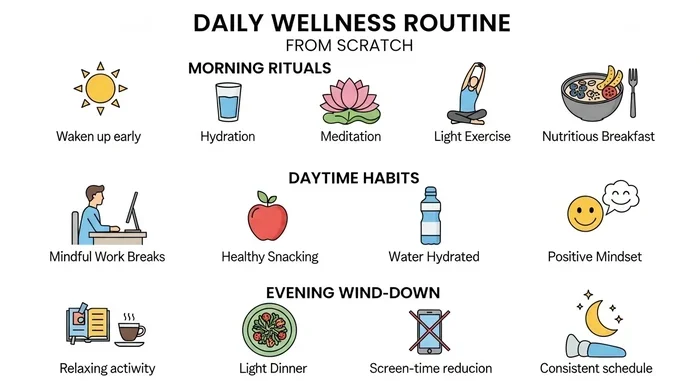
Using multiple healthy strategies daily reduces anxiety by tackling stress from every angle — mind, body, and routine. When you combine simple habits like movement, mindfulness, and better sleep, you build a powerful anxiety relief toolkit that works around the clock. This guide shows you exactly how to stack these daily habits for real, lasting change.
Living with anxiety can feel like a constant battle. Your mind races. Your body tenses. And even simple tasks start to feel overwhelming. But here is the good news. Using multiple healthy strategies daily reduces anxiety in ways that single fixes never can.
You do not need a complete life overhaul to feel better. You just need a collection of small, smart habits that work together. Think of it like building a safety net. Each strand — whether it is a walk outside, a breathing exercise, or a better bedtime routine — adds strength. Together, they catch you when stress management gets tough.
In this article, we will walk through the exact strategies that science and real experience back up. You will learn how to stack them into your day, why they work, and how to start today. No fluff. No gimmicks. Just practical steps that actually help.
Key Takeaways
- Multiple strategies work better than one: combining habits creates a compounding effect on anxiety relief.
- Daily consistency matters more than perfection: small, repeatable actions build long-term mental wellness.
- Mind-body practices like mindfulness and exercise directly lower anxiety symptoms.
- Healthy routines and lifestyle changes strengthen your coping mechanisms over time.
- Tracking progress keeps you motivated: noticing small wins reinforces positive daily habits.
- Start small and build gradually: adding one new habit at a time prevents burnout.
- Holistic anxiety relief is achievable through simple, everyday choices.
📑 Table of Contents
- Why One Strategy Is Not Enough for Anxiety Relief
- Mind-Body Practices That Directly Calm Anxiety
- Building Healthy Routines for Lasting Change
- Nutrition and Lifestyle Changes for Anxiety
- Social Support and Emotional Connection
- Tracking Progress and Staying Motivated
- Quick Tips for Everyday Anxiety Management
- Conclusion
Why One Strategy Is Not Enough for Anxiety Relief
Many people try one thing when they feel anxious. Maybe they try deep breathing. Or they cut out caffeine. And sometimes it helps. But anxiety is complex. It does not have just one cause. It does not respond to just one fix.
Anxiety relief works best when you attack it from multiple directions at once. This is called a holistic anxiety relief approach. It means you take care of your mind, your body, and your daily environment all at the same time.
Here is a simple way to think about it. Imagine you are trying to calm a storm. You could try to stop the wind. Or you could try to block the rain. But if you do both — and also anchor the trees — the storm loses its power. That is exactly what happens when you use multiple healthy strategies daily.
The Power of Stacking Habits
When you combine habits, something special happens. Each one supports the others. A morning walk improves your sleep. Better sleep lowers your stress. Lower stress makes mindfulness easier. And mindfulness makes the next walk feel even better. This is the compounding effect of good daily habits.
Research on mental health strategies shows that people who use three or more coping tools report feeling significantly less anxious. They also sleep better, think more clearly, and feel more in control. That is the real power of stacking.
Mind-Body Practices That Directly Calm Anxiety
The connection between your mind and body is stronger than you might think. When your body feels calm, your mind follows. And when your mind feels at ease, your body relaxes. This mind-body connection is at the heart of anxiety reduction techniques.
Movement as Medicine
Physical exercise is one of the most powerful tools for anxiety relief. It does not need to be intense. A brisk walk, a gentle yoga session, or even dancing in your kitchen can shift your chemistry. Exercise releases endorphins. It lowers cortisol. It gives your mind a break from worry loops.
You do not need a gym membership. You just need movement. Aim for 20 to 30 minutes a day. Even short bursts count. The key is consistency. Moving your body every day trains your nervous system to stay calmer over time.
Breathing and Mindfulness Techniques
Deep breathing is a quick way to signal safety to your brain. When you breathe slowly and deeply, you activate your parasympathetic nervous system. This is the part of your body that says, “We are safe now.”
Try this simple practice. Breathe in for four counts. Hold for four counts. Breathe out for six counts. Do this five times. You will feel your heart rate slow. Your muscles will loosen. Your thoughts will quiet. This is one of the most accessible anxiety coping strategies you can use anywhere.
Mindfulness takes this a step further. It teaches you to notice your thoughts without getting swept away by them. Apps, guided meditations, and simple body scans can all help you build this skill. Even five minutes a day makes a difference.
Building Healthy Routines for Lasting Change
Routines are the invisible backbone of mental wellness. When your days have structure, your brain spends less energy deciding what to do next. That saved energy goes toward healing and growth.
Morning Rituals That Set a Calm Tone
How you start your morning shapes the rest of your day. A rushed, chaotic morning can spike anxiety before you even leave the house. A calm, intentional morning sets a different tone.
Here are simple morning habits to try:
- Wake up at the same time each day.
- Drink a glass of water before coffee.
- Spend five minutes stretching or breathing.
- Write down one thing you are grateful for.
- Eat a balanced breakfast with protein and fiber.
You do not need all of these every day. Pick two or three. Keep them simple. The goal is to create a positive daily routine that your body and mind can count on.
Evening Wind-Down Practices
Sleep and anxiety are deeply connected. Poor sleep fuels anxiety. Anxiety disrupts sleep. It is a cycle. Breaking it requires a deliberate evening wind-down routine.
Start dimming lights an hour before bed. Put your phone in another room. Try reading, gentle stretching, or a warm shower. These small acts tell your brain that the day is done. They create the conditions for deeper, more restorative sleep.
If you struggle with racing thoughts at night, try writing them down before bed. Put your worries on paper. Tell yourself you will deal with them tomorrow. This simple act of stress management can be surprisingly powerful.
Nutrition and Lifestyle Changes for Anxiety
What you eat and how you live directly affect your anxiety levels. This is not about strict diets or perfect choices. It is about making small, steady changes that support your emotional well-being.
Foods That Support a Calmer Mind
Certain nutrients play a direct role in anxiety relief. Magnesium helps relax muscles and calm the nervous system. Omega-3 fatty acids reduce inflammation linked to mood disorders. B vitamins support brain chemistry that regulates mood.
Try adding more of these foods to your plate:
- Leafy greens like spinach and kale.
- Fatty fish such as salmon or sardines.
- Nuts and seeds, especially almonds and walnuts.
- Whole grains like oats and brown rice.
- Fermented foods like yogurt and sauerkraut.
You do not need to overhaul your entire diet overnight. Start with one change. Add a handful of nuts as a snack. Swap white rice for brown. Small steps add up.
Limiting Anxiety Triggers
Some lifestyle habits can make anxiety worse. Too much caffeine is a big one. It mimics anxiety symptoms — racing heart, jitteriness, restlessness. Alcohol might feel calming at first, but it disrupts sleep and worsens anxiety the next day.
Screen time is another quiet trigger. Endless scrolling through news or social media keeps your brain in a state of alert. Try setting a daily screen limit. Replace that time with something that feeds your soul, not your worry.
If you want more guidance on building a balanced diet without breaking the bank, check out our tips on how to eat healthy on a budget. Good nutrition is a cornerstone of anxiety coping strategies.
Social Support and Emotional Connection
Human beings are wired for connection. Isolation feeds anxiety. Connection heals it. This does not mean you need a huge social circle. It means you need at least a few people who truly see you.
The Role of Relationships in Mental Health
Talking to someone you trust can lighten the load of anxiety enormously. It does not need to be a deep conversation every time. Sometimes it is just knowing someone is there. That sense of belonging is a powerful coping mechanism.
If you are supporting a loved one who struggles with anxiety, the journey can be tiring. It is important to care for yourself too. Our article on why being married to someone with anxiety is exhausting explores this in depth and offers practical advice for setting boundaries while staying compassionate.
Finding Your Community
You can find connection in many places. A local walking group. A book club. An online forum for people managing anxiety. Volunteering for a cause you care about. The goal is to be around people who lift you up, not weigh you down.
Even small moments of connection matter. A genuine laugh with a friend. A kind word from a stranger. These moments remind your brain that the world is not all threat. They are part of a broader anxiety relief strategy that works from the inside out.
Tracking Progress and Staying Motivated
One of the biggest reasons people quit healthy habits is that they do not see progress. Anxiety relief does not always feel dramatic at first. It sneaks up on you. One day you realize you slept better. Another day you notice you handled a stressful moment without spiraling.
Simple Ways to Track Your Journey
You do not need a complicated system. A simple journal works. Each day, write down:
- One healthy habit you practiced.
- How your anxiety felt on a scale of 1 to 10.
- One thing that went well.
Over weeks, patterns emerge. You see which habits help most. You notice your baseline shifting. This kind of self-awareness is a powerful motivator.
Also, be kind to yourself. Some days will be harder than others. That is normal. The goal is not to be perfect. The goal is to keep showing up. Using multiple healthy strategies daily reduces anxiety over time, not overnight. Trust the process.
When to Seek Professional Help
Healthy strategies are powerful. But they are not a replacement for professional care. If your anxiety is severe or persistent, please reach out to a therapist or doctor. There is no shame in asking for help. It is one of the strongest mental health strategies you can use.
A good therapist can help you uncover deeper patterns. They can guide you through evidence-based treatments like cognitive behavioral therapy. Combined with your daily habits, professional support can accelerate your healing.
Quick Tips for Everyday Anxiety Management
Sometimes you need fast, simple tools. Here are quick wins you can use any time:
- Ground yourself with your senses. Name five things you see, four you hear, three you touch, two you smell, and one you taste.
- Step outside for two minutes. Fresh air and natural light reset your nervous system.
- Splash cold water on your face. This triggers the dive reflex and calms your heart rate.
- Hum or sing softly. It stimulates the vagus nerve and promotes relaxation.
- Hold something warm. A cup of tea, a warm stone. The heat signals safety to your body.
These micro-strategies are easy to forget in the moment. That is why we recommend writing them on a card and keeping it in your wallet or phone case. Healthy ways to deal with stress are always within reach when you have your toolkit handy.
Another great resource is our guide on how to stay healthy and positive in personal challenges. It builds on the same principles of stacking small habits for big results.
For more on building joy into your everyday life, explore our piece on daily habits of happiness. Happiness and anxiety relief often go hand in hand.
Conclusion
Using multiple healthy strategies daily reduces anxiety because it addresses the whole picture. Your mind gets calm through mindfulness. Your body gets stronger through movement. Your routines get steadier through structure. Your relationships get deeper through connection. And your nutrition gets better through small, intentional food choices.
No single habit will do it all. But together, these strategies create a powerful shield against anxiety. You build resilience. You gain confidence. You start to trust yourself more. And that trust is perhaps the greatest anxiety relief of all.
Start today. Pick two or three strategies from this article. Try them for one week. Notice what shifts. Then add more. The path to mental wellness is not a single leap. It is a series of small, steady steps. And every step counts.
Remember, you are not alone in this. Millions of people navigate anxiety every day. And with the right tools and the right support, it gets better. Using multiple healthy strategies daily reduces anxiety — not by magic, but by science, by practice, and by patience.
Frequently Asked Questions
How quickly can I expect anxiety relief from daily healthy strategies?
Some people notice subtle shifts within the first week. Better sleep and calmer mornings often come first. More significant changes usually appear after two to four weeks of consistent practice. The key is sticking with it every day, even when progress feels slow.
Do I need to do all of these strategies at once?
No. Starting with two or three habits is more than enough. Adding too many at once can feel overwhelming and actually increase anxiety. Build your toolkit gradually. Let each habit become natural before adding the next one.
Can lifestyle changes really replace medication for anxiety?
Lifestyle changes can be very effective for mild to moderate anxiety. However, they are not a replacement for medication when it is medically needed. Always talk to your doctor before making any changes to your treatment plan. The two approaches can work beautifully together.
What is the best time of day to practice anxiety reduction techniques?
The best time is whenever you can be consistent. Many people find morning practices set a calm tone for the day. Evening practices help with sleep and winding down. Experiment and see what fits your natural rhythm best.
How does physical exercise help with anxiety symptoms?
Exercise reduces stress hormones like cortisol and releases endorphins that boost mood. It also improves sleep quality and gives anxious energy a healthy outlet. Even a short walk can interrupt worry cycles and shift your mental state.
Why do multiple strategies work better than a single one for anxiety?
Anxiety affects many parts of your life — sleep, mood, energy, thinking, and social connection. A single strategy only addresses one piece. Multiple strategies create a comprehensive approach that supports your entire well-being. This holistic anxiety relief approach builds resilience from every angle.
