
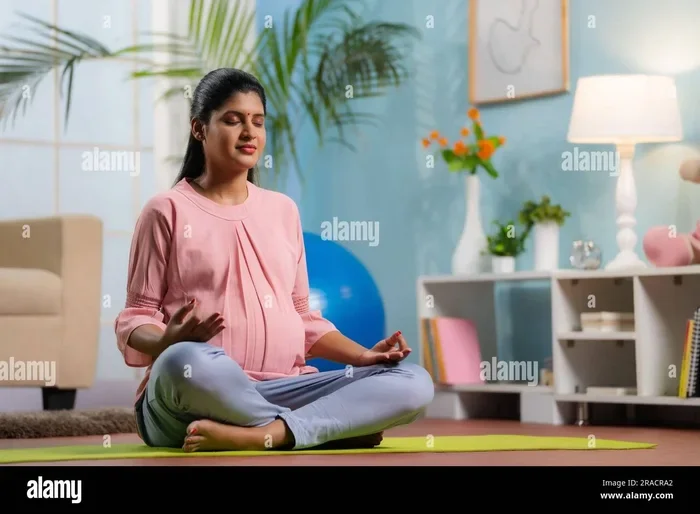
Emotional flexibility in pregnancy is your ability to adapt to the constant emotional shifts that come with expecting a baby. Developing this skill during pregnancy can reduce anxiety, lower the risk of postpartum depression, and strengthen your bond with your partner and baby. This article breaks down why staying emotionally flexible now sets you up for a healthier, happier future.
Pregnancy is one of the most transformative experiences a person can go through. Your body changes. Your hormones surge. Your emotions swing from joy to worry to tears before you even finish your morning coffee. But here is something many people do not talk about enough: emotional flexibility in pregnancy plays a huge role in how you feel not just during those nine months, but for years after.
When you learn to adapt to your shifting emotions during pregnancy, you build a foundation for better mental health, stronger relationships, and a smoother transition into parenthood. This is not about being perfect or never feeling overwhelmed. It is about giving yourself the tools to move through the hard moments with grace and self-awareness.
In this article, we will explore what emotional flexibility really means during pregnancy, why it matters so much for your long-term well-being, and how you can start building it today. Whether you are currently expecting or supporting someone who is, this guide will give you practical, actionable insights you can use right away.
Key Takeaways
- Emotional flexibility in pregnancy helps you manage mood swings, stress, and hormonal changes more effectively.
- Building emotional resilience during pregnancy can significantly reduce the risk of postpartum depression and anxiety.
- Strong emotional awareness improves communication and bonding with your partner during this life transition.
- Practical techniques like mindfulness, journaling, and self-care can boost your emotional regulation skills.
- Ignoring your emotional needs during pregnancy may lead to long-term mental health challenges.
- Seeking professional support is a sign of strength, not weakness, when emotional struggles feel overwhelming.
- The emotional habits you build during pregnancy often carry forward into parenthood and shape your child’s environment.
📑 Table of Contents
- What Is Emotional Flexibility In Pregnancy?
- How Hormonal Changes Affect Your Emotional Health
- The Long-Term Impact Of Emotional Flexibility On New Mothers
- Practical Ways To Build Emotional Flexibility During Pregnancy
- How Emotional Flexibility Strengthens Your Relationship
- When To Seek Professional Support
- Common Mistakes People Make With Emotions During Pregnancy
- Quick Tips For Building Emotional Flexibility Today
- Final Thoughts
What Is Emotional Flexibility In Pregnancy?
Emotional flexibility is the ability to recognize, accept, and respond to your emotions in a healthy way, even when they change quickly. During pregnancy, your feelings can shift from excitement to fear within minutes. That is completely normal. But how you handle those shifts makes all the difference.
Think of emotional flexibility like a rubber band. A stiff rubber band snaps when you pull it too hard. A flexible one bends and stretches without breaking. Your emotions work the same way. When you are emotionally flexible, you can feel intense emotions without letting them control your actions or damage your relationships.
Why Pregnancy Makes Emotional Flexibility Harder
Your body goes through massive changes during pregnancy. Hormones like estrogen and progesterone skyrocket, which directly affects your brain chemistry. This is why many expecting parents experience mood swings, anxiety, and heightened sensitivity. Add in physical discomfort, sleep issues, and the pressure of preparing for a new baby, and it is no wonder emotional regulation feels nearly impossible some days.
The key takeaway? Struggling with your emotions during pregnancy does not mean something is wrong with you. It means your body is doing exactly what it is designed to do. The goal is not to stop feeling difficult emotions. It is to build the capacity to move through them without getting stuck.
How Hormonal Changes Affect Your Emotional Health
Hormonal changes pregnancy are one of the biggest drivers of emotional ups and downs. Understanding what is happening inside your body can help you feel less confused and more in control.
The Hormone Rollercoaster
During the first trimester, hCG and progesterone levels rise rapidly. This often causes fatigue, nausea, and emotional sensitivity. Many people describe feeling weepy or easily irritated during these early weeks. By the second trimester, some find their mood stabilizes. But the third trimester brings its own challenges, including physical discomfort and anticipation anxiety.
These hormonal shifts affect your emotional regulation directly. They can make you more reactive to stress and less able to “bounce back” from negative feelings. This is exactly why developing emotional flexibility matters so much during this time.
How Emotional Awareness Helps
When you practice emotional awareness, you start to notice patterns. You might realize that your anxiety spikes at night, or that certain conversations trigger sadness. This awareness is powerful. It lets you respond intentionally instead of reacting blindly.
One simple technique is to pause when you notice a strong emotion and ask yourself, “What am I feeling right now, and why?” This small habit can dramatically improve your ability to cope with stress during pregnancy and set a healthy precedent for after your baby arrives.
The Long-Term Impact Of Emotional Flexibility On New Mothers
The way you handle emotions during pregnancy does not just affect today. It shapes your postpartum mental health and your experience of early parenthood in profound ways.
Reducing The Risk Of Postpartum Depression
Research shows that people who develop strong emotional coping skills during pregnancy are less likely to experience severe postpartum depression. When you already know how to acknowledge difficult feelings without being overwhelmed by them, you have a head start when the hormonal shifts after birth hit hard.
Emotional resilience acts as a protective factor. It does not make postpartum mood disorders impossible, but it gives you a stronger base to recover from them if they do occur.
Better Bonding With Your Baby
When you are emotionally flexible, you can be more present with your newborn. You are less likely to shut down or feel disconnected when things get tough. This presence matters enormously for bonding with baby during those critical early weeks and months.
Babies are incredibly perceptive. They respond to the emotional tone of their caregivers. A parent who can stay calm and connected, even during difficult moments, gives their child a more secure emotional foundation from day one.
Stronger Relationship Dynamics
Pregnancy can put real strain on relationships. Your partner may not fully understand what you are going through. Communication can break down when emotions run high. This is where emotional flexibility becomes a relationship superpower.
When you can express your needs clearly and listen to your partner without defensiveness, you build trust and intimacy. Healthy communication during pregnancy sets the tone for how you will handle conflicts and challenges as a family for years to come.
Practical Ways To Build Emotional Flexibility During Pregnancy
The good news is that emotional flexibility is a skill you can develop. It is not something you either have or you do not. Here are practical strategies to help you grow more flexible emotionally during pregnancy.
1. Practice Mindfulness Daily
Mindfulness means paying attention to the present moment without judgment. Even five minutes a day can make a noticeable difference in your emotional regulation. Try focusing on your breath, noticing your thoughts without reacting to them, and gently bringing your attention back to the present.
You can find guided meditations specifically designed for prenatal emotional wellness on many apps and websites. The goal is not to empty your mind but to observe it with curiosity and kindness.
2. Keep An Emotion Journal
Writing down how you feel each day helps you spot patterns and triggers. Over time, you will start to notice what situations drain you and what restores you. This self-knowledge is the foundation of emotional flexibility.
Try this simple format each evening:
- What emotion did I feel most today?
- What triggered it?
- How did I respond?
- What would I do differently next time?
3. Build A Support System
You do not have to go through this alone. Surround yourself with people who listen without judgment. This could be a partner, a friend, a family member, or a support group. Having people you can be honest with about your feelings is one of the most powerful coping strategies for pregnancy.
Remember that emotional support pregnancy is not a luxury. It is a necessity. If your current support system feels thin, consider joining an online community or attending local prenatal groups.
4. Prioritize Self-Care Without Guilt
Self-care during pregnancy is not selfish. It is essential. Rest when you need to. Say no to things that drain you. Do small things that bring you joy, whether that is a warm bath, a walk outside, or listening to your favorite music.
These small acts of self-care during pregnancy build emotional reserves that you will draw on heavily during the postpartum period. Think of them as deposits in an emotional bank account.
5. Learn To Name Your Emotions Accurately
Many people use the same few words to describe all their feelings: “fine,” “stressed,” “okay.” But the more precisely you can name what you feel, the better you can manage it. Instead of saying “I am stressed,” try “I feel overwhelmed because I am worried about the birth.” This practice, called emotional granularity, is a hallmark of emotional flexibility.
How Emotional Flexibility Strengthens Your Relationship
Pregnancy affects both partners, but often in very different ways. Your partner may feel excited but also scared or unsure of how to help. When you bring emotional flexibility into the relationship, you create space for both of you to be honest and vulnerable.
Communicating Without Blame
When emotions run high, it is easy to point fingers. “You never listen to me” feels very different from “I feel unheard when I am sharing something important.” The second version comes from a place of emotional awareness and healthy communication. It invites connection instead of defensiveness.
Navigating Conflict With Grace
Every couple argues. That is normal. But during pregnancy, conflicts can feel more intense and harder to resolve. Emotional flexibility helps you step back from the heat of the moment, acknowledge your own feelings, and approach the issue with curiosity rather than contempt.
If you and your partner are struggling to communicate, consider checking in regularly with relationship check-in questions that create a safe space for honest conversation. This simple habit can transform how you connect during and after pregnancy.
Supporting Each Other’s Emotional Needs
Every person has emotional needs that deserve attention. During pregnancy, these needs may shift or intensify. Being flexible enough to recognize and honor those changes, both in yourself and your partner, is what keeps relationships strong through major life transitions.
When To Seek Professional Support
Building emotional flexibility does not mean you have to handle everything on your own. Sometimes, the emotions that come with pregnancy are too big to manage alone, and that is okay.
If you find yourself feeling persistently sad, anxious, or unable to cope, reaching out to a therapist or counselor is a brave and smart move. Prenatal mental health support can give you tools and strategies tailored to your specific situation. You deserve that help, and your baby deserves a parent who is emotionally well.
There is no shame in asking for support. In fact, it shows incredible strength and self-awareness. Whether you choose therapy, counseling, or a support group, taking that step is one of the best investments you can make in your future well-being.
Common Mistakes People Make With Emotions During Pregnancy
Being aware of common pitfalls can help you avoid them. Here are a few mistakes to watch out for:
- Suppressing your feelings. Pushing emotions down does not make them disappear. It usually makes them stronger and harder to manage later.
- Comparing yourself to others. Every pregnancy is different. What your friend experienced is not your benchmark.
- Ignoring your partner’s emotions. Pregnancy is emotional for everyone involved. Make space for their feelings too.
- Expecting perfection. Emotional flexibility is about progress, not perfection. Some days will be harder than others, and that is completely fine.
Quick Tips For Building Emotional Flexibility Today
- Take three deep breaths before reacting to a strong emotion.
- Write down one feeling each morning and one each evening.
- Share something honest with your partner or a trusted friend every day.
- Say “I am feeling [emotion] because [reason]” out loud at least once a day.
- Give yourself permission to have bad days without guilt.
- Reach out for professional support if your emotions feel unmanageable.
Final Thoughts
Emotional flexibility in pregnancy is not a nice-to-have. It is a vital skill that protects your mental health, strengthens your relationships, and creates a more peaceful path into parenthood. The emotional habits you build now will echo through your life for years to come.
You do not need to be perfect at this. You just need to be willing to try. To feel your feelings, even the uncomfortable ones, and to trust that you can handle them. That is what emotional flexibility is all about.
Start small. Be patient with yourself. And remember that every step you take toward emotional well-being during pregnancy is a gift to your future self and your growing family. You are capable of more resilience than you know.
If you want to explore more about managing your emotions during challenging life phases, check out this helpful guide on how to stay healthy and positive in personal challenges. It offers additional strategies that pair beautifully with the emotional flexibility work you are doing.
And if you are curious about understanding the deeper emotional patterns that may be affecting you, this article on why do I feel like crying for no reason might offer some valuable insights. Understanding the “why” behind your emotions is a powerful step toward lasting flexibility.
Finally, remember that your emotional needs matter deeply, especially during pregnancy. Learning to honor them is not just good for you. It is good for everyone who loves you and will love your baby. For more on recognizing and honoring those needs, you can read about emotional needs you should never ignore in a relationship. It is a great companion piece to everything we have covered here.
Frequently Asked Questions
What does emotional flexibility mean during pregnancy?
Emotional flexibility during pregnancy means being able to recognize, accept, and respond to your changing emotions in a healthy way. It is about adapting to mood swings, stress, and hormonal shifts without letting them control your actions or damage your relationships.
Can emotional flexibility reduce the risk of postpartum depression?
Yes, research suggests that building emotional resilience during pregnancy can lower the risk of postpartum depression. When you already have coping skills in place, you are better equipped to handle the intense hormonal and emotional changes that come after birth.
How can I improve my emotional regulation during pregnancy?
You can improve emotional regulation through mindfulness, journaling, regular exercise, strong social support, and therapy if needed. The key is to practice noticing your emotions without judgment and responding with intention rather than reacting on autopilot.
Is it normal to feel emotionally overwhelmed during pregnancy?
Absolutely. Feeling emotionally overwhelmed during pregnancy is completely normal. Hormonal surges, physical discomfort, and the pressure of preparing for a new baby all contribute to intense emotions. What matters is how you respond to those feelings.
How does emotional flexibility affect my relationship during pregnancy?
Emotional flexibility improves communication, reduces blame, and builds trust between partners. When you can express your needs clearly and listen without defensiveness, you create a stronger emotional connection that helps you navigate the challenges of pregnancy together.
When should I seek professional help for emotional struggles during pregnancy?
You should seek professional help if your emotions feel unmanageable, if you experience persistent sadness or anxiety, or if your daily functioning is affected. Reaching out for support is a sign of strength and is one of the best things you can do for yourself and your baby.
=== CONCLUSION ===
Emotional flexibility in pregnancy is one of the most valuable investments you can make in your future. It protects your mental health, deepens your connections, and creates a more peaceful path into parenthood. The skills you build during these months will serve you long after your baby arrives.
Start where you are. Use the tools and tips in this article. Be patient and kind with yourself. You are doing something incredible, and you deserve all the support and understanding you can get.
