
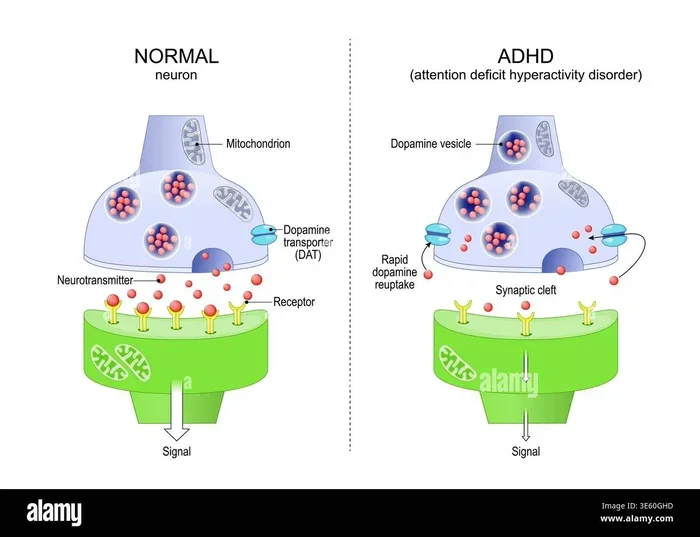
Hormonal fluctuations play a major role in shaping how ADHD symptoms show up in women and girls, often leading to misdiagnosis or complete oversight. Throughout the menstrual cycle, pregnancy, perimenopause, and menopause, shifting estrogen and progesterone levels can intensify inattention, emotional dysregulation, and executive function challenges in ways that many clinicians fail to recognize. Understanding this hormone-ADHD connection is essential for women seeking accurate diagnosis, effective treatment, and lasting relief from symptoms that have long been dismissed or misunderstood.
Key Takeaways
- Hormonal shifts directly impact ADHD symptom severity in women.
- Estrogen affects dopamine production, influencing medication effectiveness.
- Tracking menstrual cycles helps predict and manage symptom patterns.
- Perimenopause and menopause can significantly worsen ADHD symptoms.
- Treatment plans should be adjusted based on hormonal phases.
- Women should seek hormone-aware ADHD care from specialists.
- Understanding the hormonal connection leads to better symptom management.
📑 Table of Contents
- How Hormones Shape The Female Adhd Experience Explained
- Understanding the Female Adhd Experience
- How Hormones Affect Adhd Symptoms
- The Menstrual Cycle and Adhd Flare-Ups
- Pregnancy, Postpartum, and Adhd
- Perimenopause and Menopause: The Hidden Struggle
- Managing Hormonal Adhd Symptoms: Practical Strategies
- Common Mistakes Women Make with Hormonal Adhd
- Key Takeaways
How Hormones Shape The Female Adhd Experience Explained
How Hormones Shape The Female Adhd Experience is a topic that doesn’t get nearly enough attention. Women with ADHD often feel like their symptoms are a roller coaster they never signed up for. Hormonal fluctuations can make focus, mood, and daily functioning feel completely unpredictable. This article breaks down exactly how hormones interact with ADHD in women and what you can do about it.
If you have ever wondered why your ADHD symptoms seem worse at certain times of the month, you are not alone. Hormonal changes play a massive role in the female ADHD experience. From menstrual cycles to menopause, your body’s chemistry directly affects how ADHD shows up in your life. Understanding this connection can be the first step toward real relief.
How Hormones Shape The Female Adhd Experience goes far beyond simple mood swings. It touches on dopamine regulation, executive function, emotional dysregulation, and so much more. By the end of this post, you will have a clear picture of what is happening inside your body and practical steps you can take starting today.
Understanding the Female Adhd Experience
ADHD in women looks very different from what most people imagine. The common image of a hyperactive little boy does not capture what millions of women go through every day. Female ADHD symptoms often involve inattention, forgetfulness, emotional sensitivity, and a exhausting pattern of ADHD masking.
Many women go undiagnosed for years because their symptoms do not match the textbook descriptions. They learn to hide their struggles. They develop coping mechanisms that look like perfectionism from the outside. But underneath, the hormonal ADHD symptoms are quietly making everything harder.
Why Women Are Often Overlooked
Historically, ADHD research focused heavily on men and boys. This means the diagnostic criteria were built around male presentations of the condition. Women tend to display more inattentive symptoms rather than hyperactive ones. As a result, doctors often miss the diagnosis entirely.
On top of that, women are socialized to mask their difficulties. They push through brain fog. They overcompensate with extra effort. By the time a woman seeks help, she may already be dealing with years of untreated symptoms and exhaustion.
How Hormones Affect Adhd Symptoms
How Hormones Shape The Female Adhd Experience comes down to a simple but powerful relationship. Hormones like estrogen and progesterone directly influence brain chemicals, especially dopamine and serotonin. When these hormones fluctuate, ADHD symptoms can intensify or shift dramatically.
Estrogen, in particular, plays a key role in dopamine regulation. When estrogen levels are high, dopamine production increases. This can temporarily improve focus and motivation. But when estrogen drops, dopamine levels can plummet. For a woman with ADHD, this drop can feel like a wall hitting her brain out of nowhere.
The Estrogen-Dopamine Connection
Think of estrogen as a gas pedal for your brain’s dopamine system. When estrogen is high, the pedal works well. You feel sharper, more focused, and more in control. When estrogen dips, the engine sputters. Executive function suffers, emotions run high, and simple tasks feel impossible.
This is why many women report that their worst ADHD days line up with specific phases of their cycle. It is not laziness. It is not a character flaw. It is biology. Understanding the estrogen and dopamine link helps remove the guilt and shame that so many women carry.
Progesterone and Its Calming Effects
Progesterone has a calming effect on the brain. It interacts with GABA receptors, which help reduce anxiety and promote relaxation. However, when progesterone levels rise too high or drop too quickly, it can cause brain fog and fatigue.
For women with ADHD, the rise and fall of progesterone throughout the month can feel like a constant state of mental fog. Some women describe it as trying to think through thick cotton wool. Hormonal fluctuations in progesterone can amplify the already challenging symptoms of ADHD.
The Menstrual Cycle and Adhd Flare-Ups
The menstrual cycle has four distinct phases. Each phase brings different hormone levels and, for many women with ADHD, different symptom patterns. Tracking your cycle can reveal surprising patterns in your focus, energy, and mood.
How Hormones Shape The Female Adhd Experience during the menstrual cycle is especially noticeable. Many women report that their ADHD symptoms worsen in the days leading up to their period. This is called premenstrual exacerbation, and it is more common than most people realize.
Phase-by-Phase Breakdown
Menstrual Phase (Days 1-7). Estrogen and progesterone are at their lowest. Brain fog, fatigue, and difficulty concentrating peak during this time. Many women feel their ADHD symptoms are at their worst here.
Follicular Phase (Days 8-14). Estrogen begins to rise. Focus and energy often improve. This is typically the best phase for productivity and mental clarity for women with ADHD.
Ovulation Phase (Days 15-17). Estrogen hits its peak. Many women feel sharp and focused. However, some experience a brief dip in symptoms right after ovulation.
Luteal Phase (Days 18-28). Progesterone rises and estrogen drops. This is when ADHD symptoms often flare up. Irritability, forgetfulness, and emotional sensitivity increase. Hormonal mood swings are common during this phase.
Cycle Tracking as a Tool
One of the most practical steps you can take is to start tracking your cycle alongside your ADHD symptoms. Use a simple app or journal. Note your energy levels, focus, mood, and productivity each day. Over time, patterns will emerge.
Cycle tracking for ADHD can help you plan your schedule around your hormonal phases. Schedule demanding tasks during your follicular phase. Light tasks and self-care during your luteal phase. This simple adjustment can make a huge difference in how you feel every month.
Pregnancy, Postpartum, and Adhd
How Hormones Shape The Female Adhd Experience takes on a completely new dimension during pregnancy and the postpartum period. Hormone levels surge and then crash in ways that can dramatically affect ADHD symptoms.
During pregnancy, estrogen levels rise significantly. For some women with ADHD, this brings unexpected relief. Focus improves. Mood stabilizes. The brain feels clearer than it has in years. But this is not guaranteed for everyone.
The Postpartum Hormone Drop
After delivery, estrogen and progesterone drop sharply. This sudden hormonal shift can trigger or worsen ADHD symptoms. Many new mothers describe feeling overwhelmed, forgetful, and unable to concentrate in ways that feel completely foreign.
Postpartum ADHD is real and often misunderstood. The demands of caring for a newborn combined with crashing hormone levels create a perfect storm. Women who had mild ADHD before pregnancy may find their symptoms suddenly unmanageable after giving birth.
Breastfeeding and Medication Considerations
Breastfeeding adds another layer to the equation. Some ADHD medications pass into breast milk. This means women often have to make difficult decisions about their treatment. Hormonal birth control ADHD interactions also come into play, as some forms of contraception can worsen or improve symptoms depending on the individual.
If you are navigating pregnancy or postpartum with ADHD, please know that you are not alone. How To Stay Healthy And Positive In Personal Challenges can be especially helpful during this intense transition. Reaching out for support is not weakness. It is wisdom.
Perimenopause and Menopause: The Hidden Struggle
Perimenopause and menopause represent another major chapter in how hormones shape the female ADHD experience. For many women, this is when ADHD symptoms re-emerge or intensify in ways they never expected.
During perimenopause, estrogen levels become erratic. They spike and drop unpredictably. For women with ADHD, this hormonal chaos can feel like their brain is constantly shifting gears without warning. Focus becomes unreliable. Memory falters. Emotional regulation becomes a daily battle.
Menopause and Adhd Symptom Changes
After menopause, estrogen levels remain consistently low. This can lead to a new baseline of ADHD symptoms. Some women find that their lifelong ADHD becomes significantly harder to manage. Others discover ADHD for the first time during perimenopause, when the hormonal changes finally unmask what was always there.
Perimenopause ADHD is a growing area of research and awareness. Many women in their 40s and 50s receive their first ADHD diagnosis during this stage. The hormonal upheaval of menopause can strip away the coping mechanisms that worked for decades.
Hormone Replacement Therapy and Adhd
Some women explore hormone replacement therapy (HRT) to manage menopausal symptoms. HRT can also affect ADHD symptoms. Estrogen therapy may improve focus and mood by boosting dopamine. However, the interaction between HRT and ADHD medication requires careful medical supervision.
Working with a doctor who understands both ADHD and hormonal health is essential. How To Figure Out What To Do With Your Life during perimenopause can feel overwhelming, especially when ADHD adds another layer of complexity to the equation.
Managing Hormonal Adhd Symptoms: Practical Strategies
The good news is that you are not powerless against the hormonal effects on your ADHD. There are real, actionable strategies that can help you navigate each phase of your hormonal journey with more ease and confidence.
Work With Your Cycle, Not Against It
Instead of fighting your body’s natural rhythms, learn to work with them. Plan your most demanding work during your follicular and ovulation phases. Use your luteal and menstrual phases for rest, reflection, and lighter tasks.
This is not about lowering your standards. It is about respecting what your body needs at each stage. How It Feels To Finally Have Peace With Yourself often starts with accepting that your energy levels will naturally ebb and flow.
Adjust Medication Timing
Some women find that adjusting their ADHD medication timing based on their cycle helps manage symptoms. Discuss this with your prescribing doctor. They may suggest slightly higher doses during the luteal phase or lower doses during the follicular phase.
Never adjust medication on your own. Always work with a healthcare provider who understands the connection between ADHD medication and hormones. This kind of personalized approach can be life-changing.
Prioritize Sleep and Nutrition
Sleep and nutrition become even more important when hormones are fluctuating. Poor sleep amplifies ADHD symptoms at any phase of the cycle. During hormonal transitions, prioritize sleep hygiene as seriously as you would any medication.
Eat protein-rich foods to support dopamine production. Stay hydrated. Reduce sugar and processed foods, especially during the luteal phase when cravings tend to peak. Small dietary changes can have a surprisingly large impact on hormonal ADHD symptoms.
Build a Support System
Managing ADHD through hormonal changes is easier when you are not doing it alone. Find a therapist who understands both ADHD and women’s hormonal health. Connect with other neurodivergent women who share similar experiences.
How Does Fixing Our Mental Health Improve Our Love Language is another area worth exploring. When your mental health improves, your relationships often improve too. Hormonal ADHD struggles can strain even the strongest partnerships, so having support matters.
Common Mistakes Women Make with Hormonal Adhd
There are several traps that women with ADHD tend to fall into when dealing with hormonal changes. Being aware of these mistakes can save you years of unnecessary suffering.
- Blaming yourself. Many women assume their worsening symptoms mean they are failing. They are not. Hormones are powerful brain chemicals, and their shifts directly affect ADHD.
- Ignoring the hormonal connection. Some women treat their ADHD symptoms as static. They do not consider that hormones might be amplifying what they are experiencing.
- Self-medicating with caffeine or sugar. These provide temporary boosts but often worsen symptoms in the long run, especially during hormonal dips.
- Skipping treatment during hormonal transitions. Some women stop their ADHD treatment during pregnancy or menopause, thinking they should handle it naturally. This can do more harm than good.
- Not tracking patterns. Without data, it is hard to see the connection between your cycle and your symptoms. Tracking is one of the simplest and most powerful tools available.
Key Takeaways
How Hormones Shape The Female Adhd Experience is a complex but deeply important topic. Here is what you should remember most:
- Hormones directly affect dopamine and serotonin, which are already imbalanced in ADHD brains.
- The menstrual cycle, pregnancy, postpartum, perimenopause, and menopause all bring unique hormonal shifts that impact ADHD symptoms.
- Cycle tracking is one of the most effective tools for understanding your personal patterns.
- Working with a knowledgeable healthcare provider can make all the difference in managing hormonal ADHD symptoms.
- You are not broken. You are not lazy. Your brain is responding to real biological changes, and there are real strategies that help.
Understanding the hormonal side of ADHD empowers you to take control of your health. It replaces confusion with clarity and guilt with self-compassion. How Hormones Shape The Female Adhd Experience is not just a medical topic. It is a pathway to understanding yourself more deeply and living with more grace.
Every woman’s hormonal journey is different. What works for one person may not work for another. But the first step is always the same: awareness. Once you see the connection between your hormones and your ADHD, you can start making choices that truly serve you. You deserve that clarity, and you deserve the support that comes with it.
Frequently Asked Questions
How Do Hormones Affect ADHD Symptoms in Women?
Fluctuations in estrogen and progesterone directly impact dopamine levels, which play a key role in focus, motivation, and executive function. This means many women notice their ADHD symptoms intensify or shift at different points in their menstrual cycle. Understanding this connection helps explain why female ADHD experiences often feel unpredictable from month to month.
Why Do Female ADHD Symptoms Get Worse Before a Period?
In the days leading up to menstruation, both estrogen and progesterone drop sharply, causing a significant dip in dopamine activity. This hormonal dip amplifies existing ADHD challenges like brain fog, emotional dysregulation, and difficulty concentrating. Many women describe this phase as feeling like their symptoms are on overdrive compared to the rest of the month.
Can Hormonal Changes Cause ADHD-Like Symptoms?
Yes, hormonal shifts during puberty, pregnancy, postpartum, and perimenopause can mimic or worsen ADHD symptoms even in women who were never previously diagnosed. Estrogen influences key brain chemicals that regulate attention and impulse control, so when levels fluctuate, the effects can look very similar to ADHD. This overlap often leads to misdiagnosis or delayed diagnosis in women.
How Does Estrogen Affect Dopamine and ADHD?
Estrogen boosts the production and efficiency of dopamine, which is the neurotransmitter most affected in ADHD. When estrogen levels are high, women with ADHD may actually feel more focused and stable. When estrogen drops, that dopamine support weakens, making it much harder to manage inattention, hyperactivity, and emotional regulation.
What Happens to ADHD During Perimenopause and Menopause?
During perimenopause, declining and erratic estrogen levels can significantly worsen ADHD symptoms in women who already have the condition. Those without a prior diagnosis may begin experiencing focus problems, memory lapses, and mood swings for the first time. Many women discover their ADHD during this stage because the hormonal changes bring long-standing symptoms to the surface.
Why Is ADHD Often Missed in Women With Hormonal Fluctuations?
Because hormonal shifts cause symptoms to come and go, many healthcare providers dismiss them as normal PMS or menopause-related changes. Women often develop coping strategies that mask their struggles, leading to underdiagnosis of ADHD in females. Recognizing the pattern between hormonal cycles and symptom severity is essential for getting a proper evaluation and treatment plan.
