
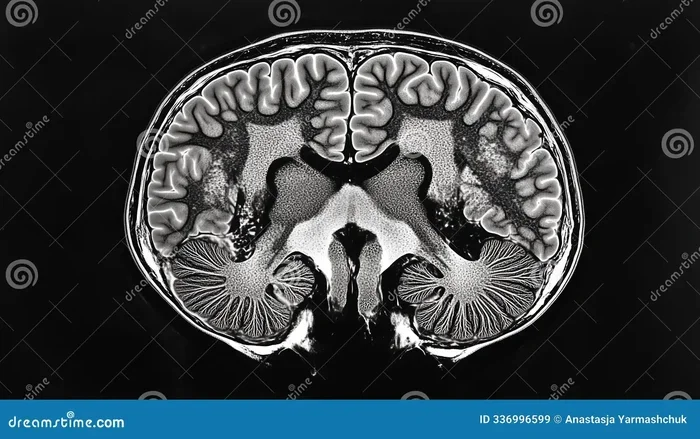
Grey matter in the brain is the darker tissue responsible for processing information, controlling movement, and shaping your memories and emotions. It plays a central role in nearly every function you rely on daily, from decision-making to sensory perception. Understanding grey matter helps you appreciate why brain health matters at every age.
Your brain is one of the most complex organs in your body. And at the heart of its power lies something called grey matter in the brain. You may have heard the term before. Maybe a doctor mentioned it. Or perhaps you saw it in a documentary about the brain. But what exactly is it, and why should you care?
Grey matter is the darker tissue found throughout your brain and spinal cord. It contains most of your brain’s neurons, the cells responsible for processing and transmitting information. Without grey matter, you couldn’t think, feel, move, or remember. It is quite literally the engine of your mind.
In this article, we will break down everything you need to know about grey matter in the brain. We will explore what it does, where it is found, how it differs from white matter, and what you can do to keep it healthy. Whether you are curious about brain anatomy or worried about your own cognitive health, this guide has you covered.
Key Takeaways
- Grey matter processes information: It handles everything from thinking and feeling to moving and sensing.
- Location matters: Grey matter sits on the brain’s surface and deep within key structures.
- Grey matter vs white matter: They work together but serve very different roles in the brain.
- Volume affects function: More grey matter volume is often linked to better cognitive performance.
- Lifestyle choices count: Exercise, sleep, and diet all influence grey matter health.
- Damage has real consequences: Loss of grey matter can affect memory, mood, and motor skills.
📑 Table of Contents
What Is Grey Matter And What Does It Do?
Grey matter in the brain gets its name from its pinkish-grey colour in living tissue. It is made up of neuronal cell bodies, dendrites, and unmyelinated axons. Think of it as the brain’s processing centre. Every thought you have, every emotion you feel, and every movement you make starts in the grey matter.
Here are the key functions of grey matter:
- Processing sensory information: When you touch something hot, grey matter in your brain interprets that signal and tells you to pull away.
- Controlling movement: The motor cortex, a region rich in grey matter, sends signals to your muscles to coordinate movement.
- Supporting memory and learning: Grey matter in the hippocampus helps form and store new memories.
- Regulating emotions: Areas like the amygdala and prefrontal cortex, both packed with grey matter, shape how you feel and react.
- Enabling decision-making: Your ability to weigh options and make choices depends heavily on grey matter in the frontal lobe.
Without healthy grey matter, all of these functions would suffer. It is not just a passive structure. It is an active, working tissue that keeps your brain running smoothly every single day.
How Grey Matter Develops
Grey matter development is a fascinating process. During childhood, your brain produces an excess of grey matter. This peaks around age 11 for girls and 12 for boys. After that peak, the brain begins a process called pruning. Unused connections are trimmed away, and the remaining pathways become stronger and more efficient.
This is why brain development in early years is so important. The experiences a child has shape how much grey matter forms and where it is concentrated. But here is the good news. Grey matter does not stop changing. Even in adulthood, your brain can grow new grey matter through a process called neuroplasticity. This means your habits and lifestyle can directly influence the health of your grey matter at any age.
Where Is Grey Matter Found In The Brain?
Grey matter in the brain is not spread evenly. It clusters in specific regions, each with its own role. Understanding where grey matter sits helps you understand why different brain injuries have different effects.
The main locations of grey matter include:
- The cerebral cortex: This is the outer layer of the brain. It is the wrinkled surface you see in brain diagrams. The cerebral cortex handles higher-order functions like thinking, language, and awareness.
- The basal ganglia: Located deep in the brain, these structures help control movement and routine behaviours.
- The cerebellum: Found at the back of the brain, the cerebellum relies on grey matter to coordinate balance and fine motor skills.
- The brainstem: This area connects the brain to the spinal cord. Grey matter here controls vital functions like breathing and heart rate.
- The hippocampus: Situated in the temporal lobe, the hippocampus is essential for forming new memories.
Each of these regions depends on a healthy supply of grey matter. Damage to any one area can lead to specific problems. For example, damage to the cerebellum might affect balance, while damage to the hippocampus could impair memory.
Grey Matter Vs White Matter: What Is The Difference?
People often confuse grey matter with white matter. They are both essential parts of the brain, but they serve very different purposes. Understanding the difference helps you see how the brain works as a team.
Here is a simple comparison:
- Grey matter: Contains neuronal cell bodies. It processes information. Think of it as the brain’s computers.
- White matter: Contains myelinated axons. It transmits information between different brain regions. Think of it as the brain’s wiring.
In short, grey matter does the thinking, while white matter handles the communication. Both need to work together for your brain to function properly. If one is damaged, the other suffers too. This is why brain health requires attention to both types of brain tissue.
Interestingly, the ratio of grey matter to white matter varies across brain regions. The cerebral cortex, for instance, has a high concentration of grey matter relative to white matter. Deep brain structures, on the other hand, often have more white matter fibres passing through them.
Why Grey Matter Matters For Mental Health
The connection between grey matter in the brain and mental health is profound. Research has shown that differences in grey matter volume and density are linked to a range of mental health conditions. This does not mean grey matter alone causes these conditions. But it plays a significant role.
Here are some key connections:
- Depression: Studies have found reduced grey matter volume in the prefrontal cortex and hippocampus of people with depression.
- Anxiety: Overactivity in the amygdala, which is rich in grey matter, is associated with heightened anxiety responses.
- Schizophrenia: People with schizophrenia often show grey matter loss in the temporal and frontal lobes.
- PTSD: Post-traumatic stress disorder has been linked to changes in grey matter in areas that regulate fear and emotion.
- ADHD: Differences in grey matter volume in the prefrontal cortex are commonly observed in individuals with ADHD.
These findings highlight why protecting your grey matter is so important. It is not just about thinking clearly. It is about feeling balanced, managing stress, and maintaining emotional well-being. Taking care of your brain is taking care of your mental health.
Can Grey Matter Volume Change Over Time?
Yes. Grey matter volume naturally decreases with age. This is a normal part of the ageing process. However, the rate of decline varies greatly from person to person. Lifestyle factors like exercise, sleep, and social engagement can slow this decline significantly.
On the flip side, chronic stress, substance abuse, and poor nutrition can accelerate grey matter loss. This is why making brain-healthy choices early and often matters so much. Your daily habits are literally reshaping your brain tissue.
How To Keep Your Grey Matter Healthy
The good news is that you have more control over your grey matter in the brain than you might think. While you cannot change your genetics, you can influence your brain health through lifestyle choices. Here are practical steps you can take starting today.
1. Exercise Regularly
Physical activity is one of the most powerful tools for maintaining grey matter. Aerobic exercise increases blood flow to the brain and promotes the growth of new neurons. Even a brisk 30-minute walk can make a difference.
Studies have shown that regular exercise can increase grey matter volume in the hippocampus, which is the brain’s memory centre. You do not need to run marathons. Consistency matters more than intensity. Find an activity you enjoy and stick with it.
2. Prioritise Sleep
Sleep is when your brain does its most important repair work. During deep sleep, the brain clears out toxins and consolidates memories. Chronic sleep deprivation can lead to grey matter loss over time.
Aim for 7 to 9 hours of quality sleep each night. Create a calming bedtime routine. Keep your room dark and cool. Your grey matter will thank you.
3. Eat Brain-Healthy Foods
Your diet directly affects your brain tissue. Foods rich in omega-3 fatty acids, antioxidants, and B vitamins support grey matter health. Think fatty fish, berries, leafy greens, nuts, and whole grains.
Avoid excessive sugar and processed foods. These can cause inflammation that damages brain cells over time. Eating well is one of the simplest ways to protect your grey matter.
4. Stay Mentally Active
Learning new things stimulates grey matter growth. Pick up a new language, play a musical instrument, or solve puzzles. Any activity that challenges your brain helps build and maintain neural connections.
Social engagement also counts. Meaningful conversations and strong relationships keep your brain active and resilient. In fact, maintaining social connections is closely tied to better brain health and slower cognitive decline.
5. Manage Stress
Chronic stress floods your brain with cortisol, a hormone that can shrink grey matter in the prefrontal cortex. Finding healthy ways to manage stress is essential. Meditation, deep breathing, and time in nature all help.
Even five minutes of mindfulness practice each day can reduce stress levels and protect your brain. Small habits add up over time. The key is to start before stress takes a toll.
What Happens When Grey Matter Is Damaged?
Damage to grey matter in the brain can have serious consequences. The effects depend on where the damage occurs and how severe it is. Some injuries are temporary. Others can cause lasting changes.
Common causes of grey matter damage include:
- Traumatic brain injuries: Concussions and other head injuries can bruise or tear grey matter tissue.
- Neurodegenerative diseases: Conditions like Alzheimer’s and Parkinson’s disease progressively destroy grey matter.
- Stroke: A stroke cuts off blood flow to parts of the brain, which can kill grey matter cells.
- Chronic stress and trauma: Long-term exposure to stress hormones gradually erodes grey matter volume.
- Substance abuse: Alcohol and drugs can directly damage grey matter over time.
Symptoms of grey matter damage vary widely. They can include memory loss, difficulty speaking, impaired movement, and changes in personality. Early intervention and rehabilitation can help the brain recover some function. This is because of neuroplasticity, the brain’s remarkable ability to reorganise and rebuild.
It is important to remember that brain damage does not mean brain failure. The brain is resilient. With the right support and lifestyle changes, many people can regain significant function and improve their quality of life.
When To See A Doctor
If you notice sudden changes in your memory, movement, or mood, do not ignore them. These could be signs of grey matter issues. A doctor can run tests to assess your brain function and recommend appropriate treatment. Early detection makes a big difference in outcomes.
Final Thoughts
Grey matter in the brain is truly remarkable. It is the tissue that makes you who you are. It processes your thoughts, stores your memories, controls your movements, and colours your emotions. Taking care of it is one of the most important things you can do for yourself.
You do not need a PhD in neuroscience to protect your grey matter. Simple daily choices, like exercising, sleeping well, eating nutritious food, and managing stress, go a long way. Your brain is with you for life. Treat it well, and it will serve you well in return.
Start today. Your future self will thank you for the investment you make in your grey matter now. Every healthy choice is a step toward a sharper, happier, and more resilient brain.
Frequently Asked Questions
What is grey matter in the brain made of?
Grey matter is made up of neuronal cell bodies, dendrites, and unmyelinated axons. It also contains glial cells, which support and protect neurons. This tissue gets its colour from the lack of myelin, the white fatty substance that insulates nerve fibres in white matter.
Can you grow more grey matter?
Yes. Through a process called neuroplasticity, your brain can generate new grey matter and strengthen existing connections. Activities like exercise, learning new skills, and social engagement all promote grey matter growth. It is never too late to support your brain health.
What causes grey matter loss?
Grey matter loss can result from ageing, chronic stress, traumatic brain injuries, neurodegenerative diseases, substance abuse, and poor lifestyle habits. However, the rate of loss varies widely between individuals and can be slowed with healthy choices.
How is grey matter different from white matter?
Grey matter processes information and contains neuronal cell bodies. White matter transmits information between brain regions and contains myelinated axons. Both are essential, and they work together to keep your brain functioning properly.
Does grey matter affect intelligence?
Grey matter volume and density are linked to cognitive performance, including memory, processing speed, and problem-solving. However, intelligence is a complex trait influenced by many factors beyond just grey matter, including white matter integrity and neural connectivity.
What lifestyle habits protect grey matter?
Regular exercise, quality sleep, a nutritious diet, mental stimulation, stress management, and strong social connections all help protect and preserve grey matter. These habits support overall brain health and can slow age-related decline.
=== INTERNAL LINKS ===
Taking care of your brain goes hand in hand with taking care of your mental health. When your brain is functioning well, you have more energy and emotional balance to navigate daily life.
Just as protecting your grey matter supports cognitive function, finding ways to boost your overall wellbeing can make a real difference. Even in challenging times, happiness can be found even in the darkest of times when you take deliberate steps to care for your mind.
Remember, do most people just seem happy on the outside? The truth is, brain health is something everyone should prioritise, regardless of how they appear on the surface. Your grey matter is working hard every day, and it deserves your attention.
