
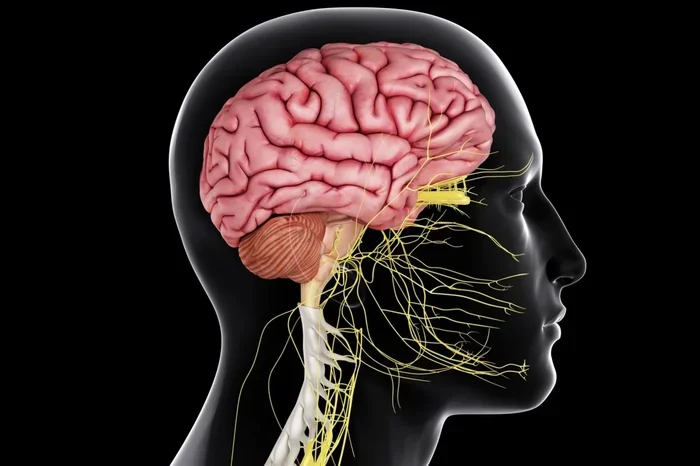
The central nervous system vs peripheral nervous system debate is essential for understanding how your body works. The central nervous system includes your brain and spinal cord, acting as the command center. The peripheral nervous system connects everything else to that command center. Together, they control every thought, movement, and feeling in your body. This guide breaks it all down in simple, easy-to-understand terms.
Have you ever wondered how your brain tells your hand to reach for a cup of coffee? Or how your body pulls your foot away before you even realize you stepped on something sharp? The answer lies in two incredible systems working around the clock. The central nervous system vs peripheral nervous system discussion reveals how your body manages everything from breathing to thinking. Let us break it all down so it makes perfect sense.
Your body is a machine, and the nervous system is its wiring. Without it, nothing would work. Your brain could not send messages. Your muscles would not move. Your organs would not function. Understanding how these two systems differ and cooperate gives you a deeper appreciation for the amazing thing your body does every single day. So let us dive in.
Key Takeaways
- The central nervous system consists of the brain and spinal cord and serves as the body’s main control center.
- The peripheral nervous system connects the central nervous system to the rest of your body through sensory and motor nerves.
- The two systems work together seamlessly to manage voluntary and involuntary body functions.
- Understanding the central nervous system vs peripheral nervous system difference helps you grasp how your body responds to stress, injury, and disease.
- Common disorders affect each system differently, and lifestyle choices can support nervous system health.
- Reflex actions and neural pathways rely on both systems communicating without delay.
- Protecting your nervous system through diet, exercise, and sleep is one of the best investments you can make for long-term health.
📑 Table of Contents
What Is the Nervous System?
Before we compare the two systems, let us start with the basics. The nervous system is a complex network of cells, tissues, and organs that send signals throughout your body. Think of it as a massive communication highway. Every signal travels from one point to another at incredible speeds.
This system controls three major jobs:
- Sensory input: It collects information from your environment through your eyes, skin, ears, and other senses.
- Integration: It processes that information and decides what to do.
- Motor output: It sends commands to your muscles and organs to respond.
The nervous system splits into two main parts. The central nervous system vs peripheral nervous system division is the most fundamental way scientists categorize this network. Each part has a unique role, but they depend on each other completely.
Understanding this division is the first step toward grasping how your body stays in control. Whether you are reading this sentence or blinking right now, your nervous system is at work. Let us explore each part in detail.
Central Nervous System Explained
The central nervous system, often called the CNS, is the brain and spinal cord combined. These two organs form the command center of your entire body. They receive information, process it, and issue instructions. Nothing happens in your body without the CNS getting involved first.
The Brain: Your Body’s CEO
Your brain weighs about three pounds, but it handles everything. It controls your thoughts, emotions, memories, and movements. It also manages your breathing, heart rate, and hormone balance. The brain has many regions, and each one handles a specific job.
Here are the key parts of the brain:
- Cerebrum: This is the largest part. It handles thinking, learning, speaking, and voluntary movement.
- Cerebellum: This region coordinates balance and fine motor skills.
- Brainstem: It controls automatic functions like breathing, blood pressure, and swallowing.
- Hypothalamus: It regulates body temperature, hunger, and sleep cycles.
Each part works together like a well-organized team. The brain processes sensory data and makes decisions in milliseconds. It then sends those decisions through the spinal cord to the rest of your body.
The Spinal Cord: The Information Highway
The spinal cord is a long bundle of nerves that runs down your back, protected by your vertebrae. It connects your brain to the peripheral nervous system. Think of it as a cable that carries messages back and forth between the brain and the body.
Here is how it works in practice:
- Your hand touches a hot stove.
- Sensory nerves send a pain signal up your arm.
- The signal travels through the spinal cord to your brain.
- Your brain processes the signal and sends a “pull away” command back down.
- Your hand moves away before you even fully register the pain.
This process happens in a fraction of a second. The spinal cord also handles reflex actions on its own, without waiting for the brain. That is why you pull your hand away from heat so fast. Your spinal cord acts as a shortcut for urgent responses.
Key Functions of the Central Nervous System
The CNS does a lot more than just process pain signals. Here are its main roles:
- Processing sensory information from your environment
- Controlling voluntary movements like walking and talking
- Managing higher brain functions such as memory and problem-solving
- Regulating involuntary processes like heartbeat and digestion
- Storing and retrieving memories
- Controlling emotions and mood
The central nervous system is essentially the boss of your entire body. It never takes a break, even when you sleep. Your brain stays active, processing dreams and repairing cells. This is why rest and sleep are so important for nervous system health.
Peripheral Nervous System Explained
The peripheral nervous system, or PNS, includes all the nerves outside the brain and spinal cord. If the CNS is the command center, the PNS is the delivery team. It carries messages to and from every inch of your body. Without it, your brain would have no way to talk to your muscles, organs, or skin.
Sensory Neurons: Bringing Information In
Sensory neurons are the messengers that carry information from your body to the CNS. They detect changes in your environment and send signals about temperature, pressure, pain, and more. When you feel the warmth of sunlight on your skin, sensory neurons are at work.
Here are examples of what sensory neurons detect:
- Heat and cold
- Pressure and touch
- Pain and discomfort
- Light and sound
- Smell and taste
These neurons are spread throughout your skin, muscles, joints, and organs. They give your brain a constant stream of data about what is happening inside and outside your body. This is how you know when something feels good, bad, or neutral.
Motor Neurons: Carrying Commands Out
Motor neurons do the opposite of sensory neurons. They carry commands from the CNS to your muscles and glands. When you decide to wave hello, your brain sends a signal through motor neurons to the muscles in your arm and hand.
Motor neurons control two types of movement:
- Voluntary movement: Actions you choose to make, like walking, writing, or dancing.
- Involuntary movement: Automatic responses like blinking or withdrawing your hand from something hot.
Some motor commands bypass the brain entirely and go straight through the spinal cord. This is how reflexes work. Your body reacts before your brain even catches up. It is a survival mechanism built into your wiring.
The Autonomic Nervous System
A special part of the PNS is the autonomic nervous system, or ANS. It controls all the things you do not think about. Your heartbeat, digestion, breathing rate, and pupil dilation all fall under the ANS. You do not have to remind your heart to beat. It just happens.
The ANS splits into two branches:
- Sympathetic nervous system: This is your fight-or-flight response. It kicks in during danger or stress. Your heart races, your pupils widen, and your muscles tense up.
- Parasympathetic nervous system: This is your rest-and-digest mode. It slows your heart, aids digestion, and helps you relax.
Both branches work in balance. When one is active, the other steps back. This balance keeps your body running smoothly. For example, after a stressful day at work, your parasympathetic system helps you wind down and recover.
How the Peripheral Nervous System Supports Daily Life
The PNS is involved in almost everything you do. When you feel nervous before a big meeting, your PNS triggers physical responses like sweaty palms and a racing heart. When you eat food, the PNS helps your stomach digest it. When you exercise, it directs blood flow to your muscles.
Even your social interactions depend on the PNS. Have you ever noticed how your body reacts when you feel nervous around someone you like? Your palms might sweat, your voice might shake, and your heart might race. These are all peripheral nervous system responses. If you want to understand why your body reacts this way around others, check out our guide on signs he is nervous around you for more insights into how nervousness shows up in relationships.
Central Nervous System Vs Peripheral Nervous System: Key Differences
Now that we have covered both systems, let us put them side by side. The central nervous system vs peripheral nervous system comparison highlights some clear differences in structure, function, and protection.
| Feature | Central Nervous System | Peripheral Nervous System |
|---|---|---|
| Location | Brain and spinal cord | Nerves throughout the entire body |
| Main Role | Processes information and makes decisions | Transmits signals between the CNS and the body |
| Protection | Protected by bone (skull and vertebrae) and membranes | Not protected by bone; more vulnerable to injury |
| Repair Ability | Very limited ability to repair itself | Can regenerate some nerve fibers over time |
| Components | Brain, spinal cord, and interneurons | Sensory neurons, motor neurons, and autonomic nerves |
| Speed of Response | Slower processing but complex decision-making | Fast signal transmission to and from the body |
| Control | Voluntary and involuntary functions | Both voluntary movements and involuntary reflexes |
These differences matter. The CNS is the brain of the operation, but the PNS is what connects that brain to the real world. Neither system can work alone. They are partners in a constant exchange of information.
Understanding Neural Pathways
Neural pathways are the routes that nerve signals travel along. They are like roads connecting different cities. Some pathways are short, like the reflex arc in your spinal cord. Others are long, like the pathway from your foot to your brain.
When these pathways work well, everything feels effortless. You move without thinking. You feel sensations without effort. When pathways get disrupted, problems can arise. Injuries, diseases, or even chronic stress can damage these delicate connections.
Taking care of your neural pathways means taking care of your entire nervous system. Regular exercise, a healthy diet, and good sleep all support the integrity of these pathways.
How They Work Together
The CNS and PNS do not operate in isolation. They work as a team. Every action you take involves both systems communicating in real time. Here is how the collaboration works:
- Detection: Sensory neurons in the PNS detect a stimulus, like a loud noise.
- Transmission: The signal travels through peripheral nerves to the spinal cord.
- Processing: The CNS receives the signal and interprets it as a threat.
- Response: The CNS sends a command back through motor neurons in the PNS.
- Action: Your body reacts, maybe by flinching or jumping.
This entire process takes less than a second. It is one of the most impressive feats of biological engineering. And it happens thousands of times every day without you even noticing.
Even your decisions involve both systems. When you choose to compromise in a difficult situation, your brain processes the options and your body responds with a calmer state. Understanding how stress affects your body can help you make better choices under pressure. If you are curious about the difference between giving in and finding balance, our article on compromise vs sacrifice explores how nervous system responses play a role in how we handle conflict and relationships.
Quick Tips for Supporting Both Systems
Your nervous systems need care to function at their best. Here are some simple tips:
- Stay hydrated: Water helps nerve signals travel efficiently.
- Eat omega-3 rich foods: Fish, walnuts, and flaxseeds support nerve health.
- Exercise regularly: Movement improves blood flow to nerves and the brain.
- Get quality sleep: Sleep allows your CNS to repair and reset.
- Manage stress: Chronic stress damages both systems over time.
- Avoid toxins: Alcohol and smoking harm nerve fibers and slow signal transmission.
Common Disorders and How to Protect Your Nervous System
Both the CNS and PNS are vulnerable to disorders. Some are genetic, while others result from injury, infection, or lifestyle factors. Here are some of the most common issues:
Central Nervous System Disorders
- Stroke: A disruption of blood flow to the brain that can cause lasting damage.
- Multiple sclerosis: An autoimmune disease that damages the protective covering of nerve fibers in the CNS.
- Parkinson’s disease: A progressive disorder that affects movement and coordination.
- Alzheimer’s disease: A condition that causes memory loss and cognitive decline.
Peripheral Nervous System Disorders
- Peripheral neuropathy: Damage to peripheral nerves that causes numbness, pain, and weakness, often in the hands and feet.
- Guillain-Barré syndrome: A rare condition where the immune system attacks peripheral nerves.
- Carpal tunnel syndrome: Compression of a nerve in the wrist that causes pain and tingling.
Expert Insight on Nervous System Health
Many nervous system disorders develop slowly over time. The early warning signs are often subtle. You might notice tingling in your hands, frequent headaches, or difficulty with balance. These are signals worth paying attention to. Catching problems early gives you the best chance of managing them effectively.
One common mistake people make is ignoring persistent symptoms. They assume numbness or fatigue will go away on its own. It does not always work that way. If you notice unusual sensations or changes in your body, talk to a healthcare professional. Early intervention can make a significant difference.
Protecting your nervous system starts with daily habits. The choices you make today shape the health of your brain and nerves for decades to come. Small, consistent actions add up to big results over time.
Final Thoughts
The central nervous system vs peripheral nervous system comparison shows us something remarkable. Two different systems, each with a unique role, work together to keep you alive and functioning. Your brain and spinal cord process and decide. Your peripheral nerves deliver and execute. Neither could do the job alone.
Understanding how these systems work gives you power. You can make better choices for your health. You can recognize warning signs earlier. You can appreciate the incredible complexity of your own body. So the next time you move, think, feel, or react, take a moment to thank your nervous system. It has been working hard for you since the moment you were born.
Take care of it. Feed it well. Rest it often. And stay curious about how it all works. Your nervous system is one of the most important parts of who you are, and it deserves your attention and respect.
Frequently Asked Questions
What is the main difference between the central nervous system and the peripheral nervous system?
The central nervous system includes the brain and spinal cord, while the peripheral nervous system includes all the nerves that branch out from the CNS to the rest of the body. The CNS processes information and makes decisions, while the PNS transmits signals between the CNS and the body.
Can the peripheral nervous system repair itself?
Yes, to some extent. Peripheral nerves have a better ability to regenerate than central nervous system nerves. However, recovery depends on the severity of the damage and the type of nerve affected. Some injuries heal fully, while others may require medical intervention.
What are the three main functions of the nervous system?
The nervous system handles sensory input, integration, and motor output. Sensory input collects information from the environment. Integration processes that information and decides on a response. Motor output sends commands to muscles and organs to carry out the response.
How does the autonomic nervous system affect daily life?
The autonomic nervous system controls involuntary functions like heartbeat, digestion, and breathing. It has two branches: the sympathetic system activates your fight-or-flight response during stress, and the parasympathetic system helps you rest and recover. Both branches keep your body balanced throughout the day.
What are some signs that your nervous system is not working properly?
Common signs include persistent numbness or tingling, chronic headaches, muscle weakness, balance problems, and unusual fatigue. If you experience any of these symptoms regularly, it is important to consult a healthcare provider for proper evaluation and treatment.
How can I keep my central and peripheral nervous systems healthy?
Stay hydrated, eat a balanced diet rich in omega-3 fatty acids, exercise regularly, get quality sleep, and manage stress effectively. Avoid excessive alcohol and smoking, and see a doctor promptly if you notice persistent symptoms. These habits support both the central and peripheral nervous systems over the long term.
=== CONCLUSION ===
The central nervous system vs peripheral nervous system guide shows just how vital these two systems are. Your brain and spinal cord form the command center that processes every thought and feeling. Your peripheral nerves carry those commands to every corner of your body. Together, they make everything you do possible. Understanding this partnership helps you appreciate the incredible machine your body is. Take the tips from this article and put them into practice. Your nervous system will thank you for years to come.
