
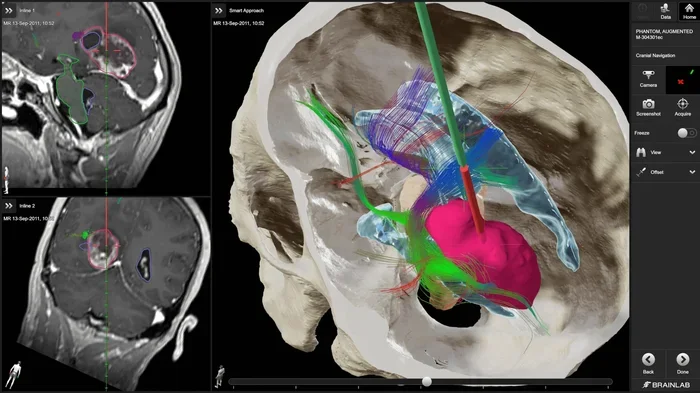
Your brains GPS and memories are linked in ways that profoundly impact your romantic life. The same brain regions that help you navigate physical spaces also map your romantic relationships. Understanding this connection helps you navigate love, avoid past mistakes, and find your way to lasting happiness.
Did you know that your brains GPS and memories are linked? It is a fascinating scientific fact that changes how we view our daily lives. The hippocampus handles both spatial navigation and episodic memory. This means your brain uses the exact same system to find your way home as it does to navigate your romantic life. When you feel lost in love, your internal mapping system might be overwhelmed by old data. Let us explore how this incredible system works. We will also learn how you can use it to find your way to lasting love.
Have you ever wondered why a certain smell reminds you of an ex? Or why you feel uneasy on a first date in a specific restaurant? Your brain is constantly mapping your environment and tying it to your memories. In the world of dating and relationships, this biological fact plays a massive role. Your past experiences create a mental map that guides your current romantic choices. When you understand how your brain works, you can finally take the wheel. You can stop driving in circles and start navigating toward the love you truly deserve.
Key Takeaways
- The Hippocampus: This brain region acts as both your spatial navigator and your memory center, linking where you go with what you feel.
- Cognitive Maps: Your brain builds mental maps of your relationships just like it maps your hometown, guiding your romantic decisions.
- Emotional Mapping: Past relationship trauma or joy creates neural pathways that act as your relationship GPS, pulling you toward familiar dynamics.
- GPS Glitches: Staying in a loveless marriage or repeating bad dating habits happens when your internal map defaults to the familiar rather than the healthy.
- Neuroplasticity: You can rewire your brain to create new, healthy relationship maps, effectively recalculating your romantic route.
- Love Languages: Miscommunication often occurs because partners are using entirely different cognitive maps to navigate the same relationship.
- Recalculating: Finding your way back to a soulmate or restarting after a breakdown requires building new spatial and emotional memories.
📑 Table of Contents
- The Amazing Neuroscience of Your Internal GPS
- How Your Brain Maps Your Romantic Life
- Navigating Love When Your GPS Glitches
- Recalculating: How to Reset Your Internal Relationship Map
- Overcoming Miscommunication and Different Love Languages
- The Intersection of Space, Memory, and Attraction
- Practical Tips to Sharpen Your Relationship GPS
- Conclusion
The Amazing Neuroscience of Your Internal GPS
To understand your love life, you first need to understand your brain. Deep inside your brain sits the hippocampus. This seahorse-shaped structure is your command center. It handles both your spatial navigation and your episodic memory. In simple terms, it helps you remember what happened, where it happened, and how you felt about it. This is the foundation of why your brains GPS and memories are linked.
Meet the Hippocampus
The hippocampus is a powerhouse. It processes where you are, where you are going, and how you feel about the journey. When you walk into a room, your hippocampus immediately starts recording details. It notes the layout of the furniture. It records the lighting. It also captures your emotional state. Did you feel safe? Did you feel anxious? All of this data gets stored together. This is why returning to your childhood home can flood you with emotions. The spatial map and the memory are physically tied together in your brain.
Place Cells and Grid Cells
Inside the hippocampus, you have specialized neurons called place cells. These cells fire when you are in a specific location. As you move through the world, different place cells activate. This creates a mental map of your environment. Nearby, in the entorhinal cortex, you have grid cells. These cells act like a coordinate system. They help you understand distances and directions. Together, place cells and grid cells form your internal GPS. They allow you to navigate the world without getting lost. But they also do something else entirely. They map your emotional world.
Building a Cognitive Map
A cognitive map is a mental representation of your physical space. But it is also a mental representation of your emotional space. Your brain takes shortcuts. It groups similar experiences together. If you had a terrible breakup at a coffee shop, your brain tags that location as dangerous. Next time you walk past a coffee shop, your internal GPS might route you elsewhere. You might not even realize why you feel uneasy. Your brain is simply following the map it built. This is a perfect example of how your brains GPS and memories are linked. Your spatial navigation is deeply influenced by your past emotional memories.
How Your Brain Maps Your Romantic Life
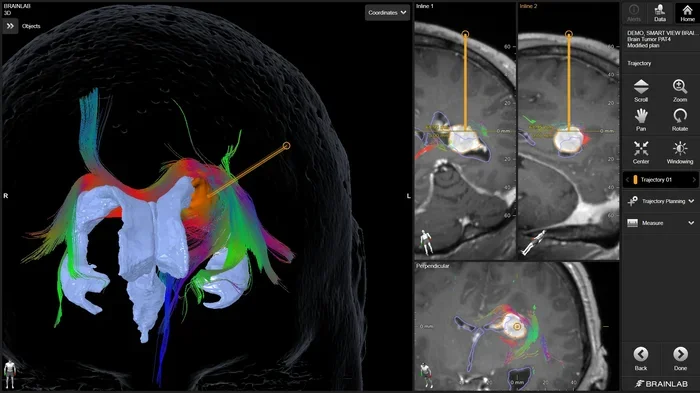
Visual guide about Brain navigation map
Image source: brainlab.com
You might think dating is all about chemistry and luck. But it is actually about neuroscience. When you enter a new relationship, your brain starts building a cognitive map of that person. You learn their habits. You learn their triggers. You learn what makes them laugh. Over time, this map becomes your default navigation system for the relationship.
Emotional Mapping in Relationships
Just as your brain maps a physical space, it maps a romantic partner. Early in a relationship, everything is new. Your brain is working overtime to create new neural pathways. You are learning where your partner stands. You are learning the emotional layout of their heart. This is the honeymoon phase. Your internal GPS is fully engaged. You are exploring new territory. But as the relationship matures, the map becomes solidified. You no longer have to think about where things are. You just know. This is comfortable, but it can also lead to autopilot.
When Memories Become Your Dating Compass
Your past relationships create a blueprint for your future ones. If you were cheated on in the past, your brain builds a map of distrust. You might find yourself constantly looking for signs of betrayal. Your internal GPS is routing you around a threat that no longer exists. You are navigating based on an old map. This is why so many people repeat the same relationship mistakes. They are following a broken GPS. To change your love life, you have to redraw your mental map. You have to create new memories that override the old ones. If you are struggling to move forward, you might need to restart your life after a terrible breakdown. This requires a complete reset of your internal navigation system.
Navigating Love When Your GPS Glitches
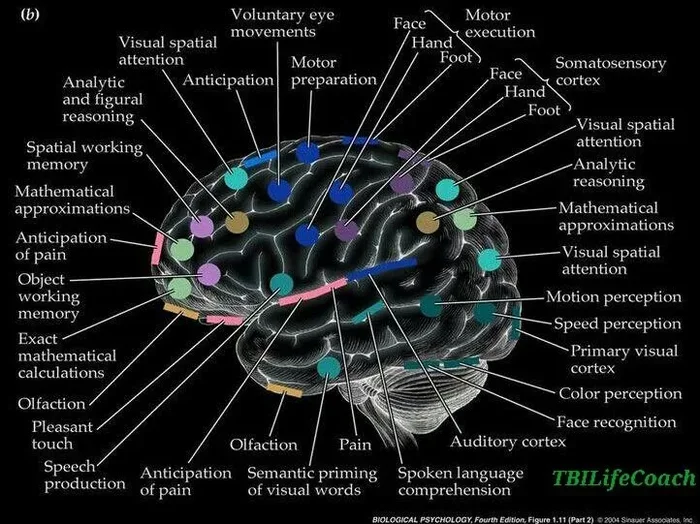
Visual guide about Brain navigation map
Image source: i.pinimg.com
Sometimes, your internal GPS leads you astray. You might find yourself stuck in a relationship that feels wrong. You might feel lost, unsure of which way to turn. This happens when your brain relies on outdated or faulty maps. Understanding this glitch is the first step toward finding your way again.
The Loveless Marriage Trap
Why do people stay in loveless marriages? Often, it is because the familiar feels safer than the unknown. Your brain has mapped that marriage. It knows the route. Even if the route is painful, it is predictable. Venturing into the unknown requires building a brand new cognitive map. That takes energy and courage. Your brain prefers the path of least resistance. It prefers the familiar pain over the unfamiliar possibility of joy. If you feel stuck, learning how to survive a loveless marriage can help you find your footing. It teaches you how to navigate your current reality while you plan your escape route.
Repeating Past Mistakes
Have you ever dated the same type of person over and over again? Your brain is likely following an old map. Perhaps you grew up in a chaotic household. Your brain mapped chaos as normal. As an adult, you might seek out partners who recreate that familiar chaos. Your internal GPS is guiding you toward what feels like home, even if home was a toxic environment. Breaking this cycle requires conscious effort. You have to recognize the old map for what it is. Then, you have to intentionally choose a different route. You have to build new neural pathways that associate peace with love, rather than chaos.
Recalculating: How to Reset Your Internal Relationship Map
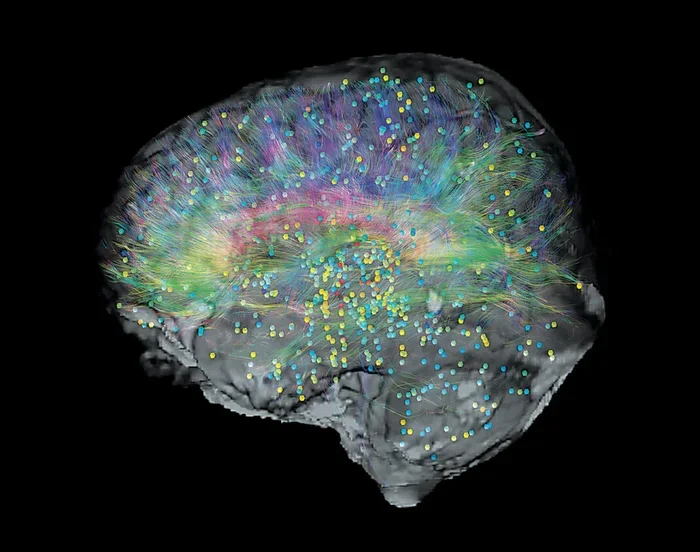
Visual guide about Brain navigation map
Image source: genengnews.com
The beautiful thing about the brain is that it is adaptable. You are not stuck with your old maps. Thanks to neuroplasticity, your brain can rewire itself. You can create new place cells and grid cells. You can build a brand new cognitive map for your love life. It takes time, but it is entirely possible.
The Power of Neuroplasticity
Neuroplasticity is your brain’s ability to change and grow. Every time you have a new experience, your brain updates its map. If you have a history of bad relationships, you can override those memories with positive ones. You have to intentionally seek out healthy experiences. You have to surround yourself with people who treat you well. Over time, your brain will start to map healthy behavior as safe. It will start to map respect as normal. Your internal GPS will begin to guide you toward the love you deserve, rather than the pain you are used to.
Creating New Memories
To create a new map, you need new memories. This means stepping outside your comfort zone. It means going to new places. It means trying new activities. It means meeting new people. When you create new spatial memories, you also create new emotional memories. You prove to your brain that the world is full of safe, exciting places. You prove to your brain that not all relationships end in heartbreak. Sometimes, this means finding your way back to a past love. If you are wondering whether to reconnect, look for the signs you and your ex are meant to be. A healthy reconnection can create a powerful new map based on a familiar foundation.
Quick Tips for Resetting Your GPS
- Change your physical environment: Rearrange your furniture or take a different route to work. This forces your brain to build new spatial maps.
- Practice mindfulness: Pay attention to the present moment. This helps you stop relying on autopilot and start making conscious choices.
- Visualize your ideal relationship: Mental rehearsal activates the same brain regions as actual experiences. Visualize the love you want.
- Seek therapy: A therapist can help you identify your old maps and consciously build new, healthier ones.
Overcoming Miscommunication and Different Love Languages
Communication is the backbone of any relationship. But what happens when you and your partner are reading entirely different maps? Miscommunication often occurs because two people have vastly different cognitive maps. Your partner might express love in a way that your brain does not recognize. This leads to conflict and frustration.
Mapping Your Partner’s Inner World
To communicate effectively, you have to understand your partner’s map. What are their emotional landmarks? What are their danger zones? How do they navigate conflict? If your partner grew up in a loud household, they might map yelling as a normal part of an argument. If you grew up in a quiet household, you might map yelling as a severe threat. Neither map is wrong. They are just different. When you understand this, you can stop taking things personally. You can start navigating the relationship with empathy.
Aligning Your Routes
When you and your partner are on different pages, you have to find a common route. This requires open and honest communication. You have to explain your map to your partner. You have to listen to their map. Together, you can create a shared cognitive map for your relationship. This shared map becomes your guide. It helps you navigate future conflicts with ease. If you struggle with this, learning how to deal with miscommunication and different love languages is essential. It teaches you how to translate your partner’s actions into a language your brain understands.
Common Mistakes to Avoid
- Assuming your map is the only map: Your way of navigating love is not the only way.
- Ignoring red flags: If your internal GPS is warning you to turn back, listen to it. Do not override your intuition just because you want the relationship to work.
- Refusing to update your map: If your map keeps leading you to dead ends, it is time to draw a new one.
- Blaming your partner for getting lost: You are both responsible for navigating the relationship. Work together to find the right path.
The Intersection of Space, Memory, and Attraction
Attraction is not just about physical appearance. It is about how someone makes you feel. And that feeling is deeply tied to your memories and your spatial maps. When you meet someone new, your brain immediately starts comparing them to your existing maps. Do they remind you of a past love? Do they feel like home? This is why initial attraction can be so confusing.
The Familiarity Factor
We are often drawn to people who feel familiar. Familiarity is comfortable. It requires less brainpower. If a new person shares traits with a past partner, your brain lights up. It recognizes the pattern. This can be wonderful if your past was happy. But it can be disastrous if your past was traumatic. Your brain might map a toxic person as familiar. It might mistake red flags for comfort. To break this cycle, you have to consciously choose partners who feel different. You have to seek out healthy unfamiliarity.
Creating New Spatial Experiences Together
The best way to build a strong relationship map is to create new spatial experiences together. Travel to a new city. Take a cooking class. Go for a hike in an unexplored forest. When you navigate a new physical space together, you build a shared cognitive map. This shared map strengthens your bond. It gives you a private world that belongs only to the two of you. These shared memories become the foundation of your relationship. They become the landmarks you return to when times get tough.
Practical Tips to Sharpen Your Relationship GPS
Now that you understand the science, it is time to put it into practice. Sharpening your relationship GPS requires intentional effort. You have to actively participate in building your new map. Here are some actionable steps you can take today.
Expert Insights on Memory and Love
Neuroscientists often say that neurons that fire together, wire together. This is the foundation of your internal GPS. Every time you have a positive interaction with your partner, you strengthen the neural pathways associated with love and safety. Every time you have a negative interaction, you strengthen the pathways associated with pain and fear. You have the power to choose which pathways to strengthen. Focus on the good. Celebrate the small wins. Over time, your brain will automatically default to the positive map.
Comparison Table: Spatial vs. Romantic Navigation
| Spatial Navigation | Romantic Navigation |
|---|---|
| Using a map to find a location | Using past experiences to guide relationship choices |
| Avoiding a dangerous neighborhood | Avoiding partners who display toxic traits |
| Taking a wrong turn and recalculating | Making a mistake and learning from it |
| Discovering a new favorite park | Discovering a new side of your partner |
| Asking for directions | Seeking advice from a trusted friend or therapist |
Actionable Steps to Redraw Your Map
- Identify your triggers: What situations cause you to react emotionally? These are your danger zones on your old map.
- Challenge your assumptions: Just because a past relationship failed does not mean the next one will. Question your old beliefs.
- Take baby steps: You do not have to overhaul your entire love life overnight. Start by making small changes to your routine.
- Celebrate your progress: Acknowledge when you make a healthy choice. This reinforces the new neural pathways in your brain.
- Be patient with yourself: Rewiring your brain takes time. Do not get discouraged if you slip back into old habits occasionally.
Conclusion
The connection between your spatial navigation and your memory is profound. It shapes how you move through the physical world and the romantic one. When you understand that your brains GPS and memories are linked, you gain the power to change your love life. You can stop following the broken maps of your past. You can stop repeating the same painful mistakes. Instead, you can consciously choose to build a new map. You can create new memories that guide you toward healthy, fulfilling relationships. Your internal GPS is a powerful tool. Take control of it. Recalculate your route. Navigate toward the love you deserve. The journey might be challenging, but the destination is worth it.
Frequently Asked Questions
Why are my brain’s GPS and memories linked?
Your brain’s GPS and memories are linked because the hippocampus handles both functions. It stores spatial information and emotional memories together, creating a unified map of your experiences. This helps you navigate the world based on past emotional outcomes.
How does this affect my dating life?
Your past dating experiences create a mental map that guides your current choices. If you had bad experiences, your brain might route you away from love or toward toxic partners. Understanding this helps you consciously choose a healthier route.
Can I change my internal relationship map?
Yes, thanks to neuroplasticity, your brain can rewire itself. By creating new, positive experiences and consciously choosing healthy partners, you can build a brand new cognitive map. This effectively recalculates your romantic GPS.
Why do I keep dating the same type of person?
You likely keep dating the same type because your brain is following an old, familiar map. Even if that map leads to pain, the familiarity feels safer than the unknown. Breaking this cycle requires intentionally seeking out different types of partners.
How can I stop feeling lost after a breakup?
Feeling lost after a breakup happens because your shared cognitive map is suddenly gone. To find your way, focus on building new spatial and emotional memories by yourself. Explore new places, try new hobbies, and lean on supportive friends.
What role do love languages play in this?
Love languages are like different coordinate systems on a map. If you and your partner speak different love languages, you might misinterpret each other’s actions. Learning your partner’s love language helps you align your cognitive maps and navigate the relationship smoothly.
