
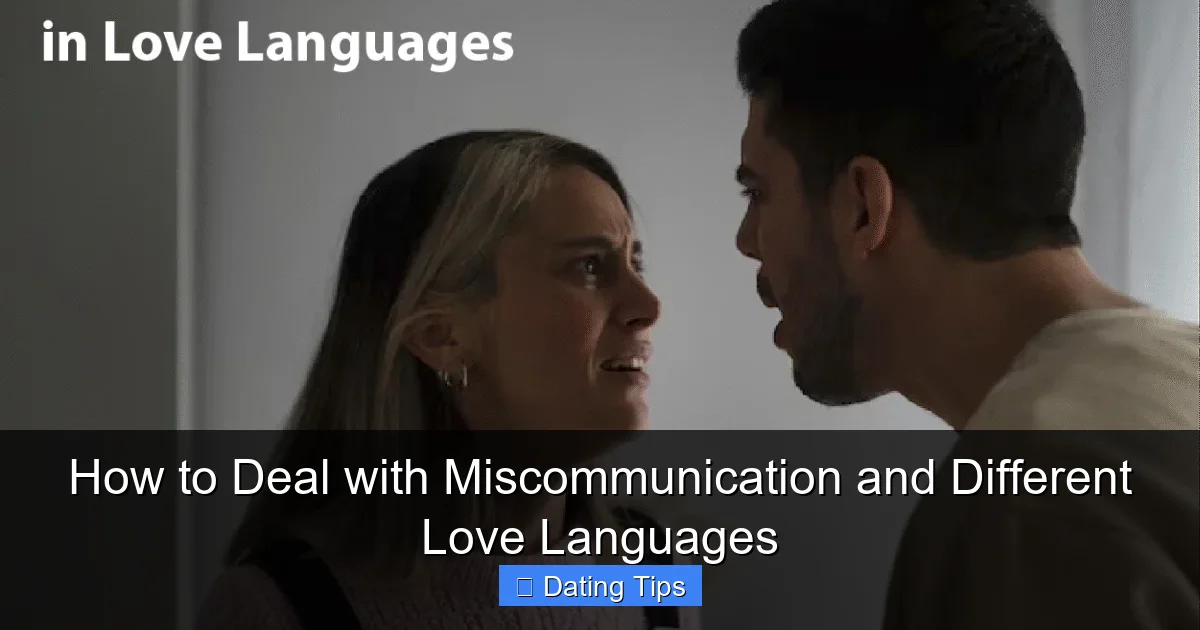
Miscommunication and mismatched love languages often create distance in relationships. By learning to recognize how your partner expresses and receives love, you can transform misunderstandings into deeper intimacy. This guide offers practical strategies to navigate differences, improve communication, and build a stronger emotional connection with your partner.
Have you ever said something loving only to be met with silence or confusion? Or maybe your partner asked for space, and you felt abandoned even though they just needed time alone? These moments are more common than you think—and they usually stem from something called love languages. When we don’t speak the same emotional language, our gestures can feel meaningless or even hurtful, even when we mean well.
Miscommunication isn’t just about words; it’s about intent versus interpretation. One person might crave daily text check-ins because that feels like care, while another sees them as intrusive. Without awareness, these differences become sources of resentment. The good news? With understanding and effort, you can learn to bridge those gaps. Whether you’re navigating early dating or trying to rekindle romance in marriage, mastering communication and love languages leads to stronger, more fulfilling connections.
In this article, we’ll break down what love languages really mean, how miscommunication sneaks into relationships, and most importantly—practical steps you can take today to improve your emotional vocabulary with your partner. Let’s dive in.
Key Takeaways
- Understanding Love Languages: Everyone expresses and receives love differently—words of affirmation, acts of service, receiving gifts, quality time, or physical touch—and recognizing your partner’s primary language reduces conflict.
- Active Listening Is Crucial: Truly hearing your partner without interrupting or planning your response helps prevent miscommunication and builds trust.
- Use “I” Statements: Speaking from personal feelings (“I feel ignored when…”) instead of blaming (“You never listen”) lowers defensiveness and opens dialogue.
- Schedule Regular Check-Ins: Weekly conversations about emotions and needs create safe spaces to address issues before they escalate.
- Practice Empathy Daily: Putting yourself in your partner’s shoes fosters compassion and helps you respond rather than react during disagreements.
- Seek Compromise Over Winning: Relationships thrive when both partners feel heard, not when one side “wins” an argument.
- Professional Help Can Be Valuable: Couples therapy provides tools and neutral ground to resolve deep-seated communication patterns.
📑 Table of Contents
What Are Love Languages—And Why Do They Matter?
Dr. Gary Chapman popularized the concept of love languages over three decades ago, but its impact on modern relationships is still profound. Simply put, everyone has a preferred way of giving and receiving love. Think of it like speaking different dialects—even if two people use the same words, the meaning behind them may differ.
Chapman identified five core love languages:
- Words of Affirmation: Verbal expressions of appreciation, encouragement, or affection.
- Acts of Service: Doing things for your partner that make their life easier or show care.
- Receiving Gifts: Thoughtful presents that symbolize thoughtfulness and value.
- Quality Time: Giving undivided attention through shared experiences.
- Physical Touch: Hugs, holding hands, or other forms of non-sexual contact that convey warmth.
Now, here’s the catch: just because someone speaks “Words of Affirmation” doesn’t mean they dislike physical touch—it means that’s their primary channel for feeling loved. If your partner primarily speaks “Acts of Service,” buying them flowers (a gift) might feel nice, but actually cooking dinner together would likely mean far more.
When you express love in your own language while your partner craves theirs, it’s like trying to communicate across a canyon without a bridge. That’s where misunderstandings begin.
The Hidden Cost of Misaligned Expressions
Imagine this scenario: Sarah always sends sweet morning texts to her boyfriend Mark. She believes these messages prove she cares. But Mark, who values quality time above all else, sees her texts as interruptions. He’d rather have one solid hour of undistracted conversation than ten scattered messages throughout the day. To him, her constant messaging suggests insecurity or neediness—not love.
Meanwhile, Mark tries to show affection by fixing small things around the house—like organizing Sarah’s closet or taking out the trash. But Sarah interprets this as criticism of her messiness, not support. She wanted heartfelt compliments, not chore corrections.
Over time, both feel unappreciated: Sarah thinks Mark is cold and distant, while Mark feels frustrated that his efforts go unnoticed. Neither realizes their actions aren’t being received as intended. This cycle repeats until resentment builds.
This isn’t rare—it’s predictable. According to research, up to 90% of relationship conflicts stem from mismatched expectations around affection. The solution? Awareness plus intentional adaptation.
How to Discover Your Own and Your Partner’s Love Language
The first step is self-awareness. Take the official Love Languages quiz (available online) or reflect honestly: When did you last feel truly appreciated? Was it when someone gave you a gift? Listened deeply during a hard conversation? Made breakfast in bed?
Once you identify your primary language, turn your attention outward. Ask your partner directly: “What makes you feel most loved right now?” Listen without defending. Then ask follow-up questions: “Can you give me an example?” “Why does that matter to you?”
Sometimes people surprise themselves. You might assume you prefer physical touch, but discover you actually crave consistent acts of service—like having your coffee made every morning. Or vice versa. That’s okay! Flexibility grows empathy.
If direct questioning feels awkward, observe patterns. Does your partner light up when you surprise them with tickets to a concert? That’s likely gifts. Do they sigh with relief when you handle laundry duty? Acts of service. Notice what they initiate too—they’re probably expressing love in their native tongue.
Remember: love languages aren’t fixed forever. Life changes, stress levels shift, and priorities evolve. A couple who once bonded over weekend hikes might later need more verbal reassurance during a stressful job transition. Stay curious.
Common Causes of Miscommunication in Relationships
Visual guide about How to Deal with Miscommunication and Different Love Languages
Image source: connecteam.com
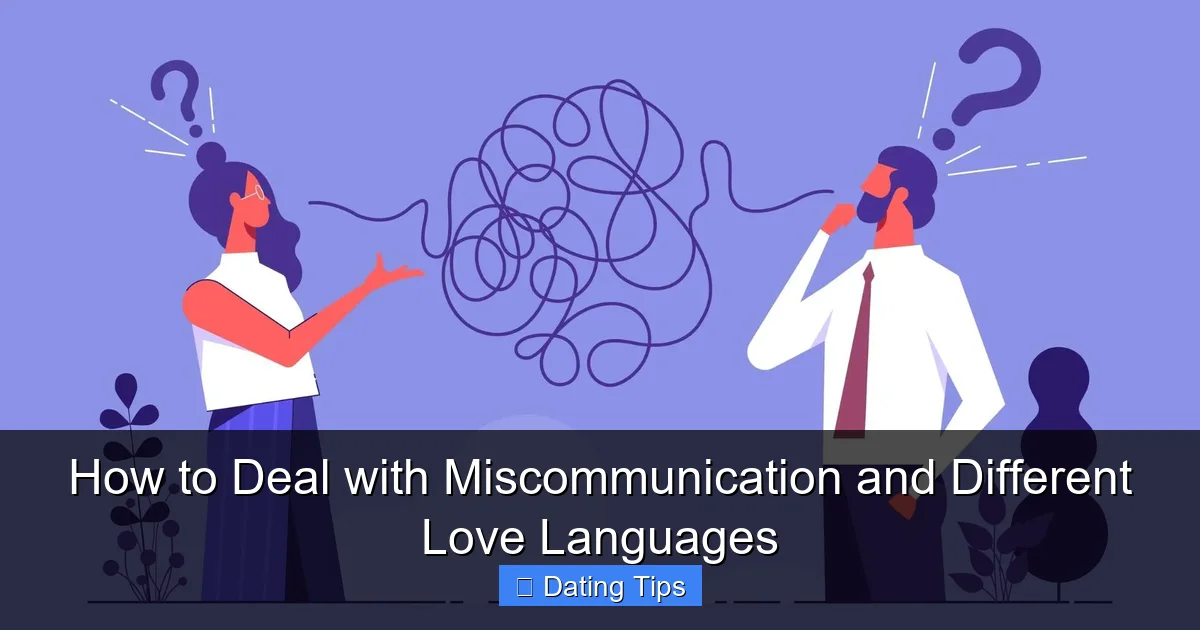
Even with the best intentions, conversations can derail. Miscommunication happens for many reasons—often unintentionally. Understanding these triggers helps you respond calmer and clearer.
Assumptions vs. Clarification
We’ve all assumed we know what our partner meant. “They didn’t text back—they must be mad at me.” “They stayed late at work again—they don’t care about our plans.” But assumptions rarely match reality. Instead of guessing, pause and ask: “Hey, I noticed you haven’t replied yet. Everything okay?”
Clarifying prevents unnecessary drama. It also models healthy communication for your partner.
Emotional Reactivity During Conflict
When emotions run high, logic flies out the window. You might say things like, “You always…” or “You never…” These absolutes ignite defensiveness. Instead, try: “I felt hurt yesterday when…” This focuses on your experience, not blame.
Also, avoid multitasking during serious talks. Put your phone away, maintain eye contact, and breathe. If you’re too heated, suggest rescheduling: “I love you, but I need a few minutes to calm down so we can talk properly.”
Different Communication Styles
Some people process best by talking immediately; others need quiet reflection. Introverts may recharge after solitude; extroverts thrive on social interaction. Mixing these styles creates friction. An extrovert might interpret introversion as disinterest; an introvert might see extroversion as overwhelming.
Respect each other’s rhythm. Give space when needed, but check in regularly: “I miss connecting—when would you be open to chatting tonight?”
Unspoken Expectations
Many conflicts arise from unmet expectations. Maybe you expected a birthday dinner; your partner planned a movie night instead. Neither is “wrong,” but both felt slighted because they assumed the other knew what mattered most.
To avoid this, discuss preferences openly: “For anniversaries, I really value romantic settings. How do you feel about that?” Sharing desires early prevents disappointment later.
Digital Communication Pitfalls
Texts, memes, and emojis lack tone and nuance. A thumbs-up emoji can seem dismissive. Sarcasm gets lost. Emotional cues vanish. When important matters come up digitally, follow up verbally: “Can we talk about what you sent earlier? I want to make sure we’re on the same page.”
Practical Strategies to Bridge the Gap
Visual guide about How to Deal with Miscommunication and Different Love Languages
Image source: thumbs.dreamstime.com
Now that you understand the roots of miscommunication and love languages, let’s get actionable. These tools fit into daily life and deepen intimacy.
Practice Active Listening
Active listening means fully focusing on your partner—not waiting for your turn to speak. Here’s how:
- Put away distractions (phone, TV).
- Nod occasionally to show engagement.
- Paraphrase what they said: “So you’re saying you felt overwhelmed when I interrupted earlier?”
- Avoid solving problems immediately unless asked. Sometimes people just need to vent.
When your partner finishes speaking, summarize their point before sharing yours. This shows respect and ensures you understand correctly.
Speak Using “I” Statements
Blame pushes people away. Feeling-focused language invites connection. Change “You never help!” to “I feel unsupported when chores pile up. Could we split them differently?”
Notice the difference? The second version expresses your need without attacking. It opens room for collaboration.
Create Rituals Around Affection
Designate ways to express love in your partner’s language—even if it’s not your preference. For example:
- If your partner loves quality time, plan weekly date nights—no phones allowed.
- If they value words of affirmation, write them a short note each evening.
- If acts of service matter, volunteer together monthly.
Consistency matters more than grand gestures. Small, repeated acts build security over time.
Schedule Emotional Check-Ins
Set aside 15–20 minutes weekly (or biweekly) to talk about feelings. Use prompts like:
- “What made you smile this week?”
- “Is there anything weighing on you emotionally?”
- “How can I show up better for you next week?”
These conversations normalize vulnerability and prevent issues from festering.
Learn Each Other’s Triggers
Everyone has buttons—words or actions that spark anger or sadness. Knowing yours helps you pause before reacting. Same goes for your partner. Share gently: “I get defensive when criticized. Can you phrase feedback as suggestions instead?”
Mutual awareness reduces accidental wounds.
Apologize Sincerely—And Receive Them Gracefully
An apology should include:
- Recognition: “I realize I upset you.”
- Empathy: “I understand why you’d feel that way.”
- Commitment: “I’ll work on changing my behavior.”
Don’t add excuses or qualifications (“…but you made me feel…”). Pure accountability rebuilds trust.
Similarly, accept apologies without testing or bargaining. Saying “Okay” after “I’m sorry” is enough. Further demands prolong hurt.
Navigating Differences Without Losing Yourself
Visual guide about How to Deal with Miscommunication and Different Love Languages
Image source: preply.com
Adapting to your partner doesn’t require sacrificing your identity. Healthy relationships allow growth—for both individuals. When you adapt, remember:
Compromise, Don’t Surrender
If your partner loves surprise dates but you prefer routines, alternate weeks. If they need physical touch but you’re tactile-averse, explore gentle alternatives like back rubs or sitting close. Find middle ground where both feel seen.
Maintain Individual Interests
Keep hobbies, friendships, and goals outside the relationship. This prevents codependency and gives you energy to show up fully for your partner. As psychologist Esther Perel notes, “Intimacy thrives on independence.”
Communicate Boundaries Clearly
It’s okay to say, “I want to spend Tuesday nights reading alone. Will you be free other evenings?” Boundaries aren’t walls—they’re guardrails that keep love safe and sustainable.
Celebrate Progress, Not Perfection
Relationships are work. Some days will be harder than others. Celebrate small wins: “Last night, you really listened when I shared my fears—that meant a lot.” Positive reinforcement encourages continued effort.
When to Seek Professional Support
Even with the best strategies, some patterns resist change. If you notice recurring issues like chronic criticism, stonewalling, contempt, or defensiveness, consider couples counseling. Therapists trained in Emotionally Focused Therapy (EFT) or Gottman Method offer proven frameworks for rebuilding connection.
Therapy isn’t failure—it’s courage. It shows commitment to the relationship and willingness to grow. Many couples report breakthroughs after just a few sessions.
Additionally, individual therapy can help you unpack personal communication habits shaped by past trauma or attachment styles. Healing yourself supports healing together.
Finding the Right Therapist
Look for licensed professionals experienced in relationship dynamics. Ask about their approach during initial consultations. Ensure they prioritize safety and neutrality—especially if trust is damaged.
Online platforms like BetterHelp or local clinics often list specialists. Don’t hesitate to switch therapists if rapport feels off. Good therapeutic alliance is key.
Building Long-Term Emotional Intimacy
Strong relationships aren’t built overnight. They’re nurtured through daily choices—to see, to hear, to adapt. Miscommunication and love language differences aren’t roadblocks; they’re invitations to deeper understanding.
Start by identifying your partner’s primary love language and commit to expressing love in theirs at least occasionally. Pair this with honest conversations about communication preferences. Over time, these practices create what psychologists call “emotional attunement”—the ability to sense and respond to each other’s inner world.
Remember: love isn’t about perfection. It’s about persistence. Every misstep offers a chance to learn. Every apology repaired strengthens trust. And every moment of genuine connection reminds you why you’re doing this work in the first place.
As you move forward, revisit these principles regularly. Relationships evolve; your toolkit should too. Stay curious, stay kind, and keep choosing each other—even when it’s hard.
You deserve a partnership where your love feels seen, heard, and valued. So speak your truth. Listen deeply. And never stop learning how to love your partner better.
—
Frequently Asked Questions
How do I know which love language my partner prefers?
Observe what makes them feel appreciated: thoughtful gifts, acts of service, verbal praise, quality time, or physical touch. Ask them directly or reflect on past positive experiences. Their ideal gesture often reveals their dominant language.
Can we have multiple love languages?
Yes! While one language tends to dominate, most people benefit from all five. Focus on your partner’s primary language first, then gradually incorporate others. Flexibility enhances emotional connection.
Does miscommunication mean we’re incompatible?
Not necessarily. Many couples successfully navigate differences with awareness and effort. Incompatibility arises when both refuse to adapt or respect each other’s needs. Open communication usually resolves mismatches.
Should I change my love language to match my partner’s?
Adaptation helps, but don’t abandon your authentic expression. Try expressing love in their language occasionally while maintaining your own. Balance fosters mutual satisfaction and prevents resentment.
How often should we talk about love languages?
Check in every 1–2 months initially, then quarterly as understanding deepens. Life changes, so revisit periodically. Annual discussions help refresh perspectives and address new challenges.
What if my partner refuses to acknowledge their love language?
Gently share observations without judgment: “I’ve noticed you really enjoy when I surprise you with coffee in bed—does that feel meaningful to you?” Avoid pressure. If they remain closed, focus on expressing love in ways that resonate with you and hope for reciprocity over time.
