
Energy and mental health share a powerful relationship. When you feel emotionally drained or anxious, your body often responds with low energy. On the flip side, when you have physical energy, it’s easier to manage stress, stay focused, and maintain emotional balance. Understanding this link helps you take better care of your mind and body together.
Key Takeaways
- Low energy can be a sign of depression or anxiety. Chronic fatigue, lack of motivation, and trouble concentrating are common symptoms that go beyond just being tired.
- Mental health directly affects your energy levels. Stress, worry, and sadness use up your mental resources, leaving less for daily tasks and relationships.
- Physical energy supports emotional resilience. Regular exercise, good sleep, and balanced nutrition help stabilize mood and prevent emotional crashes.
- Poor mental health can lead to burnout. Without rest and self-care, emotional exhaustion builds up quickly—even if you’re not doing anything “extra.”
- Boosting energy can improve mood naturally. Simple habits like sunlight exposure, movement, and deep breathing can shift your brain chemistry for the better.
- Seeking help is part of maintaining energy. Therapy, counseling, or medical support isn’t a last resort—it’s a way to restore sustainable energy and peace of mind.
- Relationships thrive on shared emotional energy. When you’re emotionally drained, even small interactions feel heavy. Recharging helps you show up more fully for loved ones.
Have you ever felt completely wiped out after a tough day—not because you did too much physically, but because your mind felt overwhelmed? Maybe you canceled plans, avoided calls, or just wanted to lie in bed staring at the ceiling. You’re not alone. Many people confuse mental fatigue with physical exhaustion, or worse, assume low energy is just part of life.
But here’s the truth: energy and mental health are deeply intertwined. Your emotional state doesn’t just affect how you feel—it literally changes how much fuel your body has to get through the day. And vice versa: when your body feels energized, it’s easier to handle stress, connect with others, and stay present in your relationships.
Let’s explore why this connection matters—and what you can do about it.
Key Takeaways
- Understanding What Does Energy Have To Do With Mental Health: Provides essential knowledge
📑 Table of Contents
The Science Behind Energy and Emotions
Your brain is one of the most energy-hungry organs in your body. It uses about 20% of your total energy every single day—even while you’re resting. So when your mind is stressed, anxious, or sad, it’s burning through calories faster than usual. That’s why people with depression often report feeling exhausted, even after sleeping eight hours.
Neurotransmitters like serotonin and dopamine play a huge role here. Serotonin helps regulate mood and sleep, while dopamine drives motivation and focus. When these chemicals are out of balance—due to stress, poor diet, lack of sunlight, or trauma—your brain struggles to produce enough energy for normal function. This creates a feedback loop: low energy makes it harder to cope, which worsens mental health.
On the flip side, when you’re emotionally stable, those same neurotransmitters fire smoothly. You feel alert, motivated, and capable—even on days when nothing “special” is going on.
Why Emotional Drains Feel Physical
Ever had a panic attack and felt like you couldn’t breathe or move? That’s your nervous system revving up, using extra energy to protect you (or overreacting). Similarly, chronic stress keeps your body in “fight or flight” mode, draining your reserves over time. This is called allostatic load—the wear and tear on your body from prolonged stress.
When you’re constantly worried about work, family, or relationships, your body stays primed for danger. That means higher cortisol levels, disrupted sleep, and reduced energy for everyday activities. Over weeks or months, this leads to burnout, irritability, and even physical symptoms like headaches or digestive issues.
Understanding this helps explain why self-care isn’t selfish—it’s essential. Restoring your energy isn’t just about being productive; it’s about giving your brain the fuel it needs to stay healthy.
How Mental Health Affects Your Daily Energy
Visual guide about What Does Energy Have to Do with Mental Health
Image source: priorygroup.com
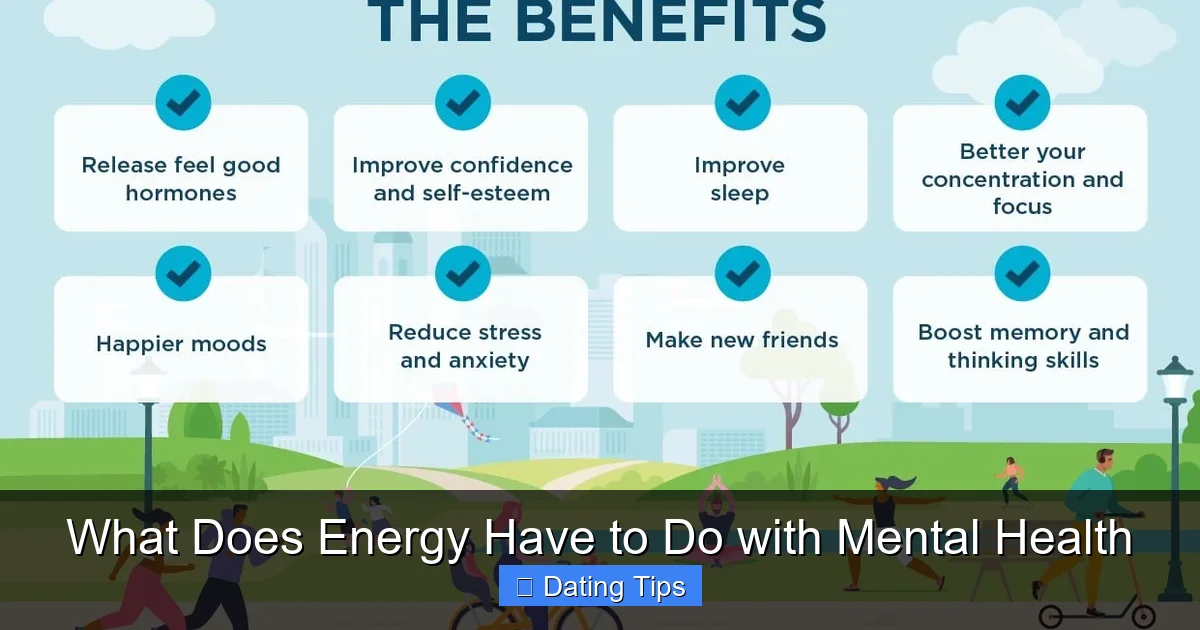
Mental health conditions don’t just make you sad—they change how your body functions. Let’s look at two common examples:
Depression: Beyond sadness, depression causes fatigue, low concentration, and loss of interest in things you once enjoyed. People might sleep too much or too little, eat irregularly, and struggle to complete basic tasks. These aren’t laziness—they’re biological responses to chemical imbalances.
Anxiety: Constant worry uses up mental energy rapidly. Even thinking about tomorrow’s to-do list can feel exhausting. Anxiety also disrupts sleep, making you feel groggy and unfocused the next day.
Both conditions reduce your available energy, making socializing, exercising, or having meaningful conversations feel impossible. This is especially hard in relationships, where emotional availability matters most.
Small Signs You Might Be Running Low
You don’t need a diagnosis to notice when your energy and mood are off. Watch for these red flags:
– Waking up feeling unrested despite good sleep
– Avoiding friends or family without explanation
– Procrastinating on simple tasks
– Feeling irritable over minor disagreements
– Needing caffeine or sugar just to get through the morning
If this sounds familiar, you’re probably experiencing what researchers call “emotional depletion.” The good news? Small changes can rebuild your reserves.
Simple Ways to Boost Both Energy and Mood
Visual guide about What Does Energy Have to Do with Mental Health
Image source: breathecounseling.com
You don’t need drastic lifestyle overhauls. Start with these science-backed tweaks:
Move Your Body
Even 10 minutes of walking increases blood flow to your brain, delivering oxygen and nutrients that boost mood-regulating chemicals. Exercise reduces cortisol (the stress hormone) and releases endorphins—natural painkillers that lift your spirits. Try dancing to your favorite song, stretching during commercial breaks, or taking stairs instead of elevators.
Get Sunlight
Sunlight triggers vitamin D production, which supports serotonin levels. Aim for 15–30 minutes outside each day—morning light is best for regulating your circadian rhythm. If you live somewhere cloudy, consider a light therapy box.
Eat for Stability
Blood sugar spikes cause energy crashes. Choose complex carbs (like oats or sweet potatoes), lean protein, and healthy fats (avocado, nuts). Skip processed snacks—they give short bursts followed by crashes. Staying hydrated also prevents fatigue.
Practice Mindfulness
Deep breathing calms your nervous system within minutes. Try inhaling for 4 counts, holding for 4, exhaling for 6. Apps like Headspace offer guided sessions under 5 minutes. Mindfulness lowers stress hormones and improves focus.
Set Boundaries
Saying no to non-essential commitments protects your energy. If someone asks for favors when you’re already stretched thin, respond kindly: “I’d love to help, but I need to recharge first.” Healthy boundaries prevent burnout.
These habits won’t fix everything overnight—but they build resilience over time. Think of them as refueling stops on your emotional journey.
Energy Drain in Relationships
Visual guide about What Does Energy Have to Do with Mental Health
Image source: imgv2-2-f.scribdassets.com
Relationships require emotional labor. Listening, compromising, managing conflicts—all take mental energy. When you’re depleted, even sweet moments feel exhausting. You might snap at your partner over spilled milk or cancel dates last minute.
This isn’t about being selfish—it’s about sustainability. Just like a car needs gas, humans need emotional fuel to nurture connections. Partners who understand this support each other’s rest periods, create low-pressure environments, and celebrate small wins.
For example, if your boyfriend notices you’re quieter than usual, he might suggest a quiet night in instead of dinner out. Or if you’re overwhelmed, sharing honestly (“I need an hour to myself tonight”) invites understanding rather than conflict.
Healthy relationships thrive when both people prioritize energy conservation. They don’t expect constant availability—they value presence when it happens.
Recharging Together
Couples can intentionally build energy-boosting rituals:
– Weekly “reset nights” where you disconnect from devices
– Morning walks before work/school
– Shared hobbies that bring joy (gardening, cooking, hiking)
These activities release oxytocin—the bonding hormone—while reducing stress. They remind you that connection itself is energizing.
When to Seek Professional Help
Sometimes, boosting energy through lifestyle changes isn’t enough. Persistent fatigue, hopelessness, or inability to enjoy life may signal clinical depression, chronic anxiety, or another condition requiring treatment.
Therapy provides tools to rewire negative thought patterns. Medication can correct chemical imbalances affecting energy. Neither is shameful—they’re medical interventions like insulin for diabetes.
If you’re dating someone going through this, educate yourself: ask how you can support without enabling avoidance. Encourage professional help gently. Recovery takes time, but progress is possible.
Remember, seeking help isn’t failure—it’s wisdom. You deserve sustainable energy for living fully.
Final Thoughts: Energy Is Emotional Fuel
Your energy level is more than just physical stamina—it’s a window into your mental well-being. When you neglect emotional health, your body pays the price. But when you treat both equally, you unlock greater resilience, clarity, and connection.
Start small: add one movement break today, practice gratitude tomorrow, and schedule a walk with a friend this weekend. Celebrate tiny victories—they compound into lasting change.
And remember, you don’t have to do it alone. Whether through self-care routines or professional support, restoring your energy is an act of self-respect. You’re worth the effort.
For more insights on building fulfilling relationships while prioritizing your well-being, check out these related articles:
– How To Be Vulnerable With A Man — Learn how emotional openness strengthens bonds.
– What Do Guys Want In A Relationship — Understand what energizes connection in romantic partnerships.
– How To Reconnect After A Fight With Your Partner — Restore emotional energy after conflicts.
Frequently Asked Questions
Can low energy really mean something’s wrong with my mental health?
Yes, persistent fatigue without clear cause (like poor sleep or diet) can signal depression, anxiety, or chronic stress. These conditions disrupt neurotransmitters and metabolic processes, leading to exhaustion.
Does exercise really help with mental health?
Absolutely. Physical activity increases endorphins, reduces cortisol, and improves sleep quality—all of which boost energy and stabilize mood over time.
How long does it take to rebuild emotional energy?
It varies, but consistent small actions (daily walks, 10-minute meditations) can yield noticeable improvements within 2–4 weeks. Patience and consistency matter most.
Should I force myself to socialize when I’m drained?
Not if it worsens your mood. Honest communication helps others understand your limits. Quality connections require energy—don’t sacrifice well-being for obligation.
Can poor relationships drain my energy?
Definitely. Toxic dynamics, constant criticism, or one-sided efforts exhaust emotional resources. Prioritize relationships that leave you feeling supported, not depleted.
Is it okay to take naps for mental health?
Short naps (<20 minutes) can refresh without disrupting nighttime sleep. However, frequent long naps may indicate underlying fatigue needing investigation.
