
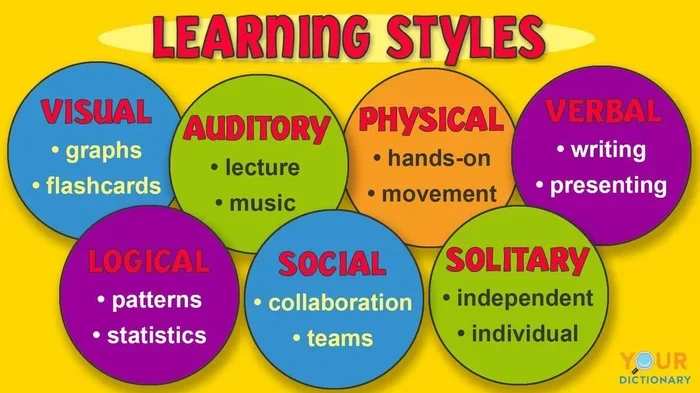
What is your learning style test? It is a powerful tool that helps you understand how you process information best. Knowing your style does more than improve your study habits. It transforms how you communicate with your partner, resolve conflicts, and build a stronger, more connected relationship.
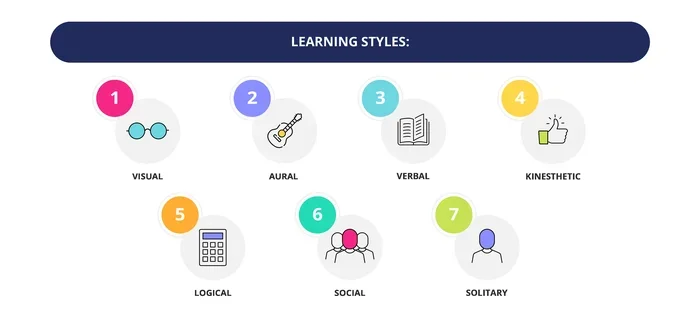
What is your learning style test? Simply put, it is an assessment designed to discover how you absorb, process, and retain information most effectively. Most people fall into four main categories: visual, auditory, reading/writing, and kinesthetic. While these tests are popular in schools, they hold massive value in your personal life. Understanding your learning style can completely change how you approach dating, love, and communication. When you know how your mind works, you can connect with your partner on a much deeper level.
Have you ever felt like you and your partner are speaking completely different languages? You explain your feelings clearly, but they just do not seem to get it. Or maybe they give you detailed instructions, but you feel lost and frustrated. This common relationship struggle often comes down to how each of you processes information. We all have unique cognitive styles. When those styles clash, it creates unnecessary tension. Taking a learning style test gives you the blueprint to understanding not just yourself, but the person you love.
Key Takeaways
- Understanding your style: A learning style test reveals whether you are a visual, auditory, reading/writing, or kinesthetic learner.
- Better communication: Knowing how you and your partner process information prevents misunderstandings and frustration.
- Relationship growth: Tailoring your communication to your partner’s learning style helps them feel heard and valued.
- Self-discovery: Taking a test to figure out what to do with your life often starts with understanding how your brain works best.
- It is not about changing: Accepting your natural preferences means it is not your job to make others happy by pretending to be someone you are not.
- Practical application: You can use your learning style to navigate dating challenges, from planning dates to resolving arguments.
📑 Table of Contents
- The Four Main Learning Styles Explained
- Why Your Learning Style Matters in Dating
- How to Accurately Take a Learning Style Test
- Applying Your Learning Style to Improve Your Relationship
- Common Mistakes to Avoid
- The Science Behind Learning Styles: Fact or Fiction?
- Comparison Table: Learning Styles in Relationships
- Taking the Next Step Together
The Four Main Learning Styles Explained
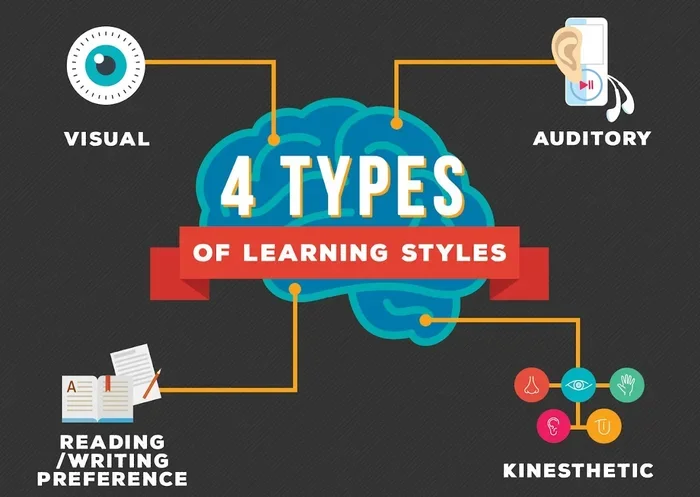
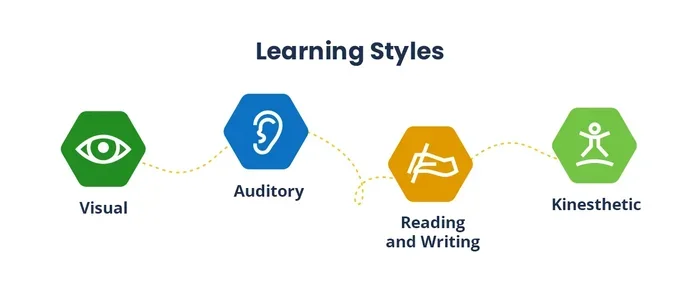
Before you can transform your relationship dynamics, you need to understand the basics. The most widely used model is the VARK model. It stands for Visual, Auditory, Reading/Writing, and Kinesthetic. Let us break down each one so you can spot them in your daily life.
Visual Learners (The Watchers)
Visual learners absorb information best through seeing. They rely on images, diagrams, charts, and spatial understanding. If you are a visual learner, you probably remember faces better than names. You might also need to see your partner’s facial expressions to fully understand how they feel.
In a relationship, a visual learner needs to see the effort. They appreciate a partner who dresses nicely, maintains eye contact, and shows affection through actions. During an argument, writing things down or using visual aids can help them process the conversation better than a long, spoken lecture.
Auditory Learners (The Listeners)
Auditory learners process information through listening and speaking. They prefer verbal instructions and enjoy discussions. If you are an auditory learner, you probably love long conversations and can easily pick up on tone of voice. A simple change in your partner’s tone can tell you everything you need to know.
In dating, an auditory learner thrives on verbal affirmations. Hearing “I love you” means the world to them. They also need to talk through their problems. Giving them your full, undivided attention during a conversation is the best way to make them feel valued.
Reading/Writing Learners (The Readers)
These learners prefer information displayed as words. They love reading books, writing notes, and making lists. If you are a reading/writing learner, you probably text more than you call. You express your feelings best through written words, like love letters or thoughtful texts.
In a relationship, a reading/writing learner feels loved when you send them a sweet text or leave a note on the pillow. When conflicts arise, they might prefer to text about it or write a letter rather than have a face-to-face argument. This helps them organize their thoughts clearly.
Kinesthetic Learners (The Doers)
Kinesthetic learners process information through touch, movement, and hands-on experiences. They learn by doing. If you are a kinesthetic learner, you probably hate sitting still for long lectures. You understand the world by physically interacting with it.
In love, a kinesthetic learner feels closest to their partner through physical touch. Holding hands, hugging, and cuddling are their primary love languages. They show love by doing things for you, like fixing something around the house or planning a fun outing. During a serious talk, they might prefer to walk side by side rather than sit across from each other.
Why Your Learning Style Matters in Dating
Visual guide about student learning styles
Image source: csc.edu
You might be wondering why a concept from the classroom matters in your dating life. The answer is simple: communication. Relationships thrive on effective communication. When you understand how your partner takes in information, you can tailor your message so it actually lands.
Imagine you are a visual learner dating an auditory learner. You plan a beautiful, romantic dinner with candles and a perfect setting to show your love. But your partner sits there wondering why you are not talking to them. They need to hear the words. On the flip side, they might talk about their feelings for hours, but you feel frustrated because you need to see some action to believe it.
This mismatch can lead to feeling unheard or unloved. Sometimes, a persistent communication gap can even make you wonder if there are signs your partner is not right for you. But often, the issue is not compatibility. It is simply a difference in processing styles.
How Styles Impact Conflict Resolution
Conflict is inevitable in any relationship. How you handle it makes all the difference. Your learning style heavily influences how you argue and resolve issues.
Visual learners might need to see a calm environment to feel safe. Auditory learners need to talk it out immediately. Reading/writing learners might need time alone to write down their thoughts. Kinesthetic learners might need to pace around or squeeze a stress ball to process their emotions. When you recognize these needs, you can approach conflict with empathy instead of frustration.
How to Accurately Take a Learning Style Test
Visual guide about student learning styles
Image source: powerhomeschool.org
Now that you understand the basics, you are probably ready to find out your own style. Taking a learning style test is easy, but getting accurate results requires honesty.
Step 1: Choose a Reliable Test
The official VARK questionnaire is a great place to start. It is well-researched and straightforward. You can find it online for free. There are also plenty of other reputable assessments available. Just make sure the test asks about your real-life preferences, not just what you think is the “right” answer.
Step 2: Answer Honestly
Do not answer based on how you think you should learn. Answer based on what actually feels natural to you. For example, if a test asks whether you prefer reading a map or listening to GPS instructions, pick the one you actually use. Many people try to force themselves into a specific style because it seems more professional. Remember, it is not your job to make others happy by pretending to be a different type of learner. Embrace your natural preferences.
Step 3: Consider All Areas of Your Life
Think about how you operate at work, at home, and in your relationships. Do you always make lists? Do you prefer podcasts over books? Do you learn to cook by watching a video or by jumping into the kitchen? Your true learning style will show up consistently across all these areas.
Applying Your Learning Style to Improve Your Relationship
Visual guide about student learning styles
Image source: getsmarter.com
Once you know your style and your partner’s style, the real magic begins. You can start making small adjustments that lead to big improvements in your relationship.
Quick Tips for Visual Learners
- Use visual cues to show love, like leaving a sweet note on the bathroom mirror.
- During a disagreement, write down your points so your partner can see your perspective.
- Plan visually appealing dates, like a picnic in a scenic park or a trip to an art museum.
Quick Tips for Auditory Learners
- Make it a habit to say “I love you” out loud every single day.
- Give your partner your full attention when they speak. Put your phone down.
- Talk through problems together instead of giving each other the silent treatment.
Quick Tips for Reading/Writing Learners
- Send thoughtful text messages throughout the day to keep the connection strong.
- Write a heartfelt letter to your partner on special occasions.
- When you are upset, try writing down your feelings before having a verbal conversation.
Quick Tips for Kinesthetic Learners
- Prioritize physical touch. Hold hands, hug often, and cuddle on the couch.
- Show love through acts of service. Do the dishes, run an errand, or fix something for them.
- Go for a walk together when you need to have a serious conversation. Moving your bodies helps you process your emotions.
Common Mistakes to Avoid
Even with the best intentions, people often make mistakes when applying learning styles to their relationships. Here are a few pitfalls to watch out for.
Mistake 1: Putting Your Partner in a Box
Knowing your partner’s learning style is helpful, but it should not limit them. Most people are multimodal, meaning they use a combination of styles. Just because your partner is a visual learner does not mean they cannot appreciate a verbal compliment. Use their primary style as a guide, but stay flexible.
Mistake 2: Using the Style as an Excuse
Learning styles explain how you process information, but they do not excuse bad behavior. Saying “I am just a kinesthetic learner, I cannot sit and talk” is not fair to your partner. You should always strive to meet your partner halfway. Understanding your limitations is the first step to overcoming them.
Mistake 3: Ignoring Your Own Needs
While it is important to communicate in your partner’s style, you must not abandon your own. If you need to hear words of affirmation, tell your partner. Knowing what to say when you feel ignored is crucial. A healthy relationship requires both partners to express their needs clearly.
The Science Behind Learning Styles: Fact or Fiction?
You might have heard people say that learning styles are a myth. It is true that the strict idea of “learning styles” has been debated in educational psychology. Research shows that matching teaching methods to a student’s preferred style does not always lead to better learning outcomes.
However, this does not mean your preferences are not real. People definitely have preferred ways of receiving information. The key is to use these preferences as a tool, not a rigid rule. In relationships, understanding these preferences is incredibly valuable. It builds empathy and helps you connect with your partner on a deeper level. Even if the science is debated in schools, the practical application in love is undeniable.
Expert Insight
Dr. Nancy K. S. Linde, a psychologist specializing in interpersonal relationships, notes, “Understanding how your partner processes the world is just as important as understanding their love language. When we tailor our communication to fit their cognitive style, we reduce friction and increase emotional intimacy. It is about making the other person feel safe enough to open up.”
Comparison Table: Learning Styles in Relationships
| Learning Style | Best Way to Show Love | Conflict Resolution Preference | Potential Friction Point |
|---|---|---|---|
| Visual | Visual cues, eye contact, thoughtful gestures | Writing things down, seeing a calm environment | Feels ignored if partner avoids eye contact |
| Auditory | Verbal affirmations, deep conversations | Talking it out immediately | Feels unloved without hearing “I love you” |
| Reading/Writing | Love letters, thoughtful texts, lists | Writing thoughts down, texting about issues | Feels overwhelmed by face-to-face arguments |
| Kinesthetic | Physical touch, acts of service, quality time | Moving around, walking side-by-side | Feels disconnected without physical closeness |
Taking the Next Step Together
Now that you know the answer to “what is your learning style test,” it is time to take action. Sit down with your partner and take the test together. Make it a fun, lighthearted activity. Compare your results and talk about how you can better support each other.
Remember, the goal is not to change who you are. It is to understand each other so you can love each other better. When you bridge the gap between different learning styles, you build a relationship that is resilient, empathetic, and deeply connected.
Frequently Asked Questions
What is a learning style test?
A learning style test is an assessment that helps you discover how you best absorb and process information. It usually categorizes you into visual, auditory, reading/writing, or kinesthetic groups.
Can I have more than one learning style?
Yes, absolutely. Most people are multimodal, meaning they have a primary style and a secondary style. You might prefer reading but also learn well through hands-on activities.
How do I find out my learning style?
You can find out by taking a reputable online questionnaire, like the VARK questionnaire. Answer the questions honestly based on your natural preferences, not what you think is the “correct” way to learn.
Does my learning style affect my love life?
Yes, it does. Your learning style influences how you communicate, show affection, and handle conflict. Understanding it can prevent misunderstandings with your partner.
What if my partner and I have completely different styles?
Having different styles is very common. The key is to recognize the difference and adapt. Meet your partner halfway by communicating in a way that makes them feel heard and valued.
Are learning styles scientifically proven?
The strict educational theory is debated, but personal preferences for how we receive information are very real. In relationships, using these preferences to guide communication is highly effective.
