

The Good Samaritan Effect explains why people feel compelled to help others, even strangers, and how this powerful psychological phenomenon influences attraction, trust, and relationship dynamics. In this guide, you’ll discover the definition, real-life examples, and practical ways to apply this effect to build deeper connections and more meaningful relationships.
[FEATURED IMAGE_PLACEHOLDER]
Have you ever noticed how a simple act of kindness can completely change the way you see someone? Maybe you watched a stranger help an elderly person carry groceries, or your date stopped to assist someone with a flat tire. Something inside you shifts. Suddenly, that person seems more attractive, more trustworthy, and more worthy of your attention.
That reaction isn’t random. It’s a well-documented psychological phenomenon called the Good Samaritan Effect. And it plays a much bigger role in dating, relationships, and everyday life than most people realize.
Understanding this effect can change how you approach relationships. It can help you recognize genuine character in others and become the kind of person others are naturally drawn to. Let’s break it all down.
Key Takeaways
- The Good Samaritan Effect describes the psychological tendency to help those in need, even at a personal cost.
- Altruism and attraction are linked — witnessing kindness in others significantly increases romantic interest.
- The bystander effect is the opposite — more people around often means fewer people help.
- Genuine helping builds trust and emotional connection faster than any pickup line ever could.
- There’s a fine line between healthy altruism and people-pleasing that many people miss.
- Small acts of kindness create ripple effects that transform relationships and communities.
- Understanding this effect can help you become a better partner and a more emotionally intelligent person.
📑 Table of Contents
- What Is the Good Samaritan Effect? The Core Definition
- The Good Samaritan Effect vs. the Bystander Effect
- Real-Life Examples of the Good Samaritan Effect
- How the Good Samaritan Effect Influences Romantic Relationships
- Common Mistakes People Make About the Good Samaritan Effect
- How to Cultivate the Good Samaritan Effect in Your Own Life
- The Dark Side: When Helping Goes Wrong
- Expert Insights on the Good Samaritan Effect
- Key Takeaways: Putting It All Together
What Is the Good Samaritan Effect? The Core Definition
The Good Samaritan Effect refers to the tendency for people to offer help to someone in distress, even when doing so comes at a personal cost or inconvenience. The term comes from the famous biblical parable where a Samaritan stops to aid a wounded stranger on the road while others pass by.
But this isn’t just a religious story. Psychologists have studied this phenomenon extensively. The effect captures something fundamental about human nature — we are wired to respond to suffering with compassion.
Key elements of the Good Samaritan Effect include:
- Recognizing distress — noticing that someone needs help
- Taking personal responsibility — feeling compelled to act rather than assume someone else will
- Accepting personal cost — helping even when it’s inconvenient or uncomfortable
- Acting without expectation of reward — genuine altruism rather than transactional helping
This effect operates on both conscious and unconscious levels. Sometimes people deliberate before helping. Other times, they act on pure instinct. Both responses reveal something powerful about human empathy.
The Psychology Behind Helping Others
Why do people help? The answer is more complex than you might think.
Empathy-altruism hypothesis: Psychologist Daniel Batson proposed that empathy is the driving force behind genuine helping behavior. When we feel what another person feels, helping becomes almost automatic.
Social exchange theory: Some psychologists argue that even seemingly selfless acts involve an internal calculation. People help because the emotional reward outweighs the cost.
Evolutionary perspective: Humans survived as a species because we cooperated. Helping behavior strengthened group bonds and increased survival odds for everyone.
The truth likely involves all three perspectives. We help because we feel for others, because it makes us feel good, and because our brains are wired for cooperation.
The Good Samaritan Effect vs. the Bystander Effect
Visual guide about stranger helping stranger
Image source: nypost.com
To truly understand this effect, you need to know its opposite — the bystander effect. This is one of the most important distinctions in social psychology.
The bystander effect occurs when the presence of other people discourages an individual from helping in an emergency. The more witnesses there are, the less likely anyone is to step forward.
Here’s a comparison of the two effects:
| Factor | Good Samaritan Effect | Bystander Effect |
|---|---|---|
| Response to distress | Immediate helping behavior | Delayed or no response |
| Personal responsibility | Strong sense of duty | Diffusion of responsibility |
| Group size | Helping occurs regardless of witnesses | More witnesses = less helping |
| Emotional driver | Empathy and compassion | Fear, uncertainty, social pressure |
| Outcome | Positive action taken | Inaction or paralysis |
Why the Bystander Effect Happens
Several psychological mechanisms drive the bystander effect:
- Diffusion of responsibility — “Someone else will handle it”
- Pluralistic ignorance — “Nobody else seems concerned, so maybe it’s not serious”
- Evaluation apprehension — “What if I embarrass myself?”
Understanding both effects gives you a clearer picture of human behavior. Some people naturally lean toward helping. Others freeze when it matters most. The difference often comes down to emotional intelligence and personal values.
Real-Life Examples of the Good Samaritan Effect
Visual guide about stranger helping stranger
Image source: as1.ftcdn.net
Theory is helpful, but examples bring this concept to life. Here are powerful real-world scenarios where the Good Samaritan Effect shows up in surprising ways.
Everyday Acts of Kindness
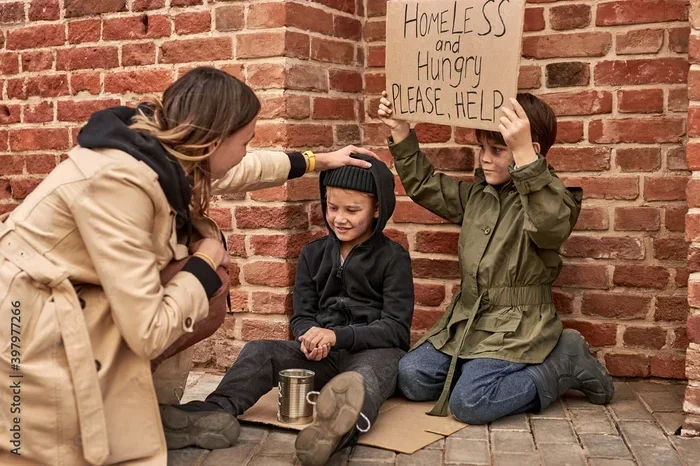
- A stranger spends 20 minutes helping someone who fell on a busy sidewalk while dozens walk past
- A neighbor anonymously shovels an elderly couple’s driveway after a snowstorm
- A college student notices someone crying in a library and quietly offers support and tissues
- A driver pulls over to help change a tire on a dangerous highway despite being late for work
The Good Samaritan Effect in Dating and Attraction
This is where things get really interesting for relationships. Research shows that witnessing kindness dramatically increases attraction.
Example 1: You’re on a first date at a coffee shop. Your date notices a struggling parent with a stroller and immediately holds the door, then offers to help carry the diaper bag up the stairs. That single act tells you more about their character than an hour of small talk ever could.
Example 2: You’re considering a new partner. You watch how they treat a waiter who made a mistake with their order. They respond with patience and grace instead of frustration. That’s the Good Samaritan Effect in action — and it’s incredibly attractive.
Example 3: Someone you’re dating volunteers at a homeless shelter on weekends. They don’t do it for recognition. They do it because they genuinely care. That selfless motivation signals deep emotional intelligence.
If you’ve ever wondered how to know if someone is a good person, watching how they treat strangers is one of the most reliable indicators.
Extraordinary Acts of Heroism
- People who rush into burning buildings to save strangers
- Individuals who donate kidneys to people they’ve never met
- Strangers who talk people down from ledges or bridges
- Communities that rally around families who’ve experienced tragedy
These extreme examples show the Good Samaritan Effect at its most powerful. They remind us that human beings are capable of extraordinary selflessness.
How the Good Samaritan Effect Influences Romantic Relationships
Visual guide about stranger helping stranger
Image source: images.hindustantimes.com
The connection between altruism and romantic attraction is backed by solid research. Here’s what science tells us about why kindness makes people more attractive.
Why Kindness Is Irresistibly Attractive
A study published in the British Journal of Psychology found that both men and women rated altruistic individuals as more attractive romantic partners. This effect was especially strong for long-term relationships.
Here’s why kindness works as an attraction magnet:
- It signals safety — kind people are less likely to be emotionally or physically harmful
- It indicates emotional intelligence — empathy requires self-awareness and social skills
- It predicts relationship quality — partners who help others tend to be more supportive in relationships
- It demonstrates values — altruism reveals what someone truly cares about
When you see someone help a stranger, your brain automatically associates them with positive traits. Trustworthiness. Warmth. Reliability. These are exactly what people look for in a long-term partner.
The Helper’s High and Relationship Bonding
Helping others triggers the release of endorphins, oxytocin, and dopamine. This chemical cocktail creates what psychologists call “helper’s high” — a genuine feeling of euphoria after performing a kind act.
In relationships, this creates a powerful bonding effect. Couples who volunteer together or support each other through acts of service often report deeper emotional connections. They’re literally getting high on kindness together.
How to Spot Genuine Altruism vs. Performance
Not all helping behavior is created equal. Some people help because they genuinely care. Others help because they want something in return.
Signs of genuine altruism:
- Helping without being asked
- Not seeking recognition or praise
- Consistency across different situations
- Helping people who can’t offer anything back
Signs of performative helping:
- Only helping when others are watching
- Expecting praise or reciprocation
- Using favors as leverage in arguments
- Helping selectively based on social status
Learning to tell the difference protects you from manipulative people and helps you appreciate genuine character when you find it.
Common Mistakes People Make About the Good Samaritan Effect
Even with good intentions, people often misunderstand or misapply this concept. Here are the most common pitfalls.
Mistake 1: Confusing Altruism with People-Pleasing
There’s a massive difference between genuine helping and chronic people-pleasing. The Good Samaritan Effect comes from a place of abundance and choice. People-pleasing comes from fear and insecurity.
Healthy altruism means you help because you want to. People-pleasing means you help because you’re afraid of what happens if you don’t. One builds connection. The other breeds resentment.
Mistake 2: Ignoring Personal Boundaries
Being a good Samaritan doesn’t mean saying yes to everyone all the time. Healthy helping requires boundaries. You can be compassionate without being a doormat.
The most emotionally intelligent helpers know when to step in and when to step back. They understand that sometimes the most helpful thing is empowering someone to solve their own problem.
Mistake 3: Expecting Reciprocation
True altruism doesn’t come with a receipt. If you’re keeping score, you’re not practicing the Good Samaritan Effect — you’re making an investment. And when the return doesn’t come, bitterness follows.
This is especially important in relationships. If you’re constantly doing favors hoping your partner will notice and reciprocate, you’re setting yourself up for disappointment. Learn more about breaking the cycle of broken promises and how expectations can damage relationships.
Mistake 4: Overlooking Small Acts of Kindness
People tend to think the Good Samaritan Effect requires grand gestures. It doesn’t. The most powerful examples are often the smallest.
Holding a door. Offering a genuine compliment. Listening without interrupting. Picking up litter. These micro-acts of kindness compound over time and create enormous positive impact.
How to Cultivate the Good Samaritan Effect in Your Own Life
Good news — altruism isn’t a fixed trait. It’s a skill you can develop. Here are practical ways to strengthen your helping muscle.
Start With Empathy Practice
Empathy is the foundation of the Good Samaritan Effect. Without it, helping feels forced and hollow.
Ways to build empathy:
- Active listening — give people your full attention without planning your response
- Perspective-taking — genuinely try to see situations from another person’s viewpoint
- Reading fiction — studies show it increases empathy by letting you experience other lives
- Travel and exposure — experiencing different cultures broadens your understanding of human struggle
Create Daily Helping Habits
You don’t need to save lives to practice the Good Samaritan Effect. Small, consistent actions reshape your character over time.
Simple daily practices:
- Compliment one person genuinely each day
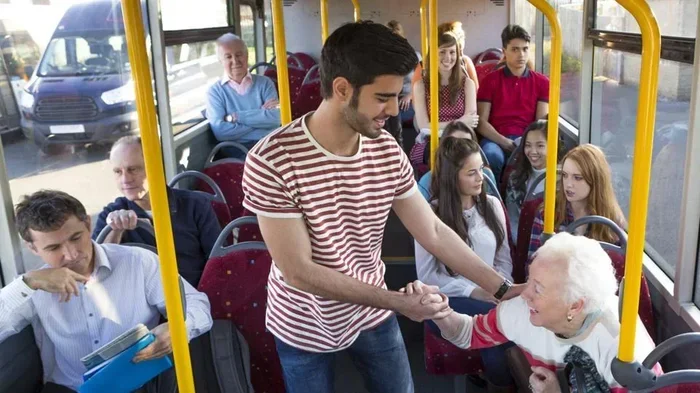
- Hold doors and offer seats without being asked
- Send encouraging messages to friends who are struggling
- Tip generously when you can afford it
- Pick up litter in your neighborhood
- Let someone merge in traffic with a smile
These tiny acts rewire your brain to notice opportunities to help. Over time, helping becomes second nature.
Overcome the Bystander Effect in Yourself
Be honest — have you ever walked past someone who needed help and told yourself someone else would handle it? Most people have.
To break this pattern:
- Assume responsibility — if you see a need, act as if you’re the only one who will
- Move fast — hesitation gives your brain time to rationalize inaction
- Practice small interventions — the more you help, the easier it gets
- Visualize yourself helping — mental rehearsal prepares you for real situations
Apply It to Your Dating Life
Here’s where the Good Samaritan Effect becomes a practical dating strategy.
Demonstrate your character through action:
- Be kind to service workers on dates — it reveals your true nature
- Offer help naturally without making a show of it
- Volunteer for causes you genuinely care about
- Notice when your date needs something and respond without being asked
- Show compassion when plans go wrong instead of getting frustrated
Look for these qualities in potential partners:
- How do they treat people who can’t benefit them?
- Do they help others spontaneously or only when asked?
- Are they patient with people who make mistakes?
- Do they show concern for strangers in distress?
Remember that being a good person gives hope to others — and that quality is magnetic in relationships.
Build a Helping Community
The Good Samaritan Effect is contagious. When people witness kindness, they’re more likely to help others. This creates a ripple effect that extends far beyond the original act.
Ways to spread the effect:
- Share stories of kindness (without bragging about your own)
- Thank people publicly when they help others
- Organize community service events with friends
- Encourage children to practice helping from a young age
- Normalize asking for help as well as giving it
The Dark Side: When Helping Goes Wrong
The Good Samaritan Effect isn’t without its complications. Understanding the potential downsides helps you practice healthy altruism.
Compassion Fatigue
Constantly helping others without replenishing yourself leads to burnout. Compassion fatigue is real and especially common among caregivers, healthcare workers, and people-pleasers.
Warning signs include:
- Feeling emotionally numb toward others’ suffering
- Irritability and resentment toward people who need help
- Physical exhaustion and sleep problems
- Loss of enjoyment in activities you used to love
Enabling vs. Helping
Sometimes helping actually hurts. If your assistance prevents someone from developing their own problem-solving skills, you’re enabling rather than helping.
Ask yourself these questions:
- Am I doing something they could do themselves?
- Is my help creating dependence?
- Would stepping back encourage growth?
- Am I helping because they need it or because I need to feel needed?
The Savior Complex
Some people help because they need to feel superior. This savior complex is toxic for both the helper and the person being helped. It creates unequal dynamics and strips others of their agency.
Genuine altruism empowers. It lifts people up while respecting their dignity. If your helping comes with strings attached or a sense of superiority, it’s worth examining your motivations.
Expert Insights on the Good Samaritan Effect
Psychologists and relationship experts have valuable perspectives on this phenomenon.
Dr. Sarah Schnitker, a psychologist who studies kindness and generosity, notes that altruistic behavior can be cultivated through intentional practice. She emphasizes that gratitude exercises significantly increase people’s willingness to help others.
John Gottman, the renowned relationship researcher, found that small moments of connection — including acts of kindness and support — are the building blocks of lasting relationships. Couples who regularly engage in these micro-moments build what he calls a “culture of appreciation.”
Social psychologist Francesca Gino discovered that witnessing kindness creates an “elevation response” — a warm feeling in the chest that inspires people to become better themselves. This explains why witnessing the Good Samaritan Effect makes us want to help too.
The research is clear: kindness isn’t just nice. It’s neurologically rewarding, socially contagious, and relationship-strengthening.
Key Takeaways: Putting It All Together
The Good Samaritan Effect is more than a psychological curiosity. It’s a lens for understanding human behavior, attraction, and relationship dynamics.
Remember these core principles:
- Kindness is one of the most attractive qualities a person can have
- Genuine altruism comes from empathy, not obligation
- Small acts of helping create enormous ripple effects
- Healthy helping requires boundaries and self-awareness
- You can cultivate altruism through daily practice
- Witnessing kindness in others reveals their true character
When you understand the Good Samaritan Effect, you see the world differently. You notice opportunities to help. You recognize genuine character in others. And you become the kind of person others naturally want to be around.
Frequently Asked Questions
What exactly is the Good Samaritan Effect in psychology?
The Good Samaritan Effect describes the tendency for people to help someone in distress even when doing so involves personal cost or inconvenience. It’s driven by empathy, personal responsibility, and a genuine desire to reduce another person’s suffering.
How is the Good Samaritan Effect different from the bystander effect?
The Good Samaritan Effect involves immediate helping behavior driven by empathy, while the bystander effect is the opposite — people are less likely to help when others are present because responsibility gets diffused across the group.
Why does witnessing kindness make someone more attractive?
Witnessing kindness signals emotional intelligence, trustworthiness, and strong values. Research shows both men and women rate altruistic people as more attractive, especially for long-term relationships.
Can the Good Samaritan Effect be learned or developed?
Absolutely. Altruism is a skill that strengthens with practice. Building empathy, creating daily helping habits, and overcoming the bystander effect in yourself are all effective ways to develop this quality.
What’s the difference between healthy altruism and people-pleasing?
Healthy altruism comes from a place of choice and abundance — you help because you want to. People-pleasing comes from fear and insecurity — you help because you’re afraid of rejection or conflict if you don’t.
How can I apply the Good Samaritan Effect to my dating life?
Demonstrate kindness naturally through small actions like being patient with service workers, helping strangers, and showing compassion when plans go wrong. Also, pay attention to how potential partners treat people who can’t benefit them.
