
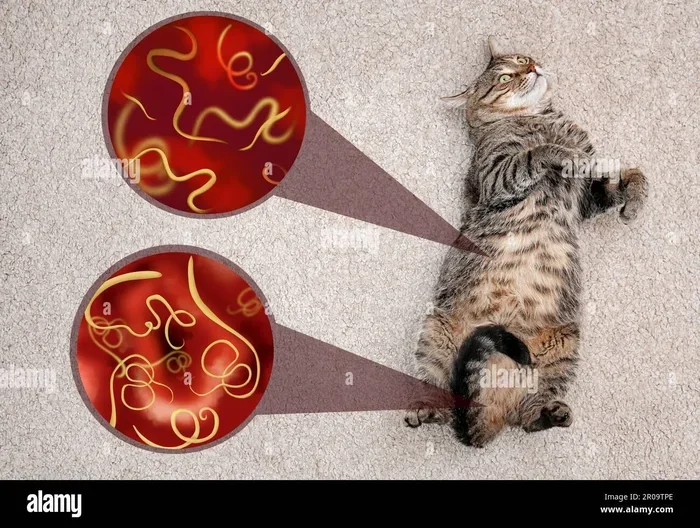
Toxoplasma gondii is a real parasite that infects over 40 million people worldwide and has been linked to behavioral changes, including an attraction to cats. While the idea of a “cat-loving parasite” sounds like science fiction, research shows this microscopic organism can alter brain chemistry and influence human behavior in surprising ways.
Have you ever wondered why some people are absolutely obsessed with cats? Maybe you’ve noticed that your friend who claims to “hate cats” suddenly can’t stop adopting them. Or perhaps you’ve heard the wild theory that a tiny parasite is secretly controlling human brains to make us feline fanatics. It sounds like something straight out of a horror movie, right?
Well, believe it or not, there’s actual science behind this bizarre idea. A real parasite called Toxoplasma gondii has been making headlines for its potential ability to manipulate behavior — not just in animals, but possibly in humans too. Researchers around the world have been studying this microscopic organism for decades, and what they’ve discovered is both fascinating and slightly unsettling.
In this article, we’ll dive deep into the science behind the parasite that supposedly makes you love cats. We’ll explore what it is, how it works, what the research actually says, and whether you should be worried about your own feline friends. By the end, you’ll have a clear understanding of one of nature’s most intriguing — and creepy — survival strategies.
Key Takeaways
- Toxoplasma gondii is real: This microscopic parasite infects billions of animals and millions of humans worldwide, with cats as its primary host.
- It can alter behavior: Studies show the parasite may change brain chemistry, potentially reducing fear of predators in rodents and influencing human personality traits.
- Most infections are harmless: Healthy individuals typically experience no symptoms, though it poses serious risks for pregnant women and immunocompromised people.
- The “cat attraction” theory is debated: Some research suggests infected individuals may show increased interest in cats, but findings remain controversial among scientists.
- Prevention is straightforward: Simple hygiene practices like washing hands, cooking meat thoroughly, and properly cleaning litter boxes significantly reduce infection risk.
- It’s more common than you think: Approximately 11% of the U.S. population over age 6 has been infected, with higher rates in other countries worldwide.
- Research is ongoing: Scientists continue studying how this parasite affects the brain, mental health, and behavior in both animals and humans.
📑 Table of Contents
What Is Toxoplasma Gondii?
Toxoplasma gondii is a single-celled parasitic organism that belongs to a group called protozoa. It’s one of the most common parasites on the planet, capable of infecting virtually all warm-blooded animals, including humans. But here’s the twist: cats are the only known definitive hosts where the parasite can complete its full reproductive cycle.
The life cycle of this parasite is remarkably complex. Cats become infected by eating infected prey, such as rodents or birds. Once inside the cat’s intestines, the parasite reproduces sexually and produces millions of tiny, hardy egg-like structures called oocysts. These oocysts are then shed in the cat’s feces, where they can survive in soil and water for over a year.
When other animals — including humans — accidentally ingest these oocysts (through contaminated water, undercooked meat, or contact with cat litter), the parasite spreads throughout their body. It forms cysts in muscle tissue and, most importantly, in the brain. And that’s where things get really interesting.
How Common Is This Parasite?
You might be surprised to learn just how widespread Toxoplasma gondii infection is. According to the Centers for Disease Control and Prevention (CDC), approximately 11% of the U.S. population aged 6 and older has been infected. In some parts of the world, infection rates are even higher — reaching 50-80% in countries like France and Brazil.
Most people never know they’re infected because healthy immune systems keep the parasite in check. The infection typically causes mild flu-like symptoms or no symptoms at all. However, for pregnant women and people with weakened immune systems, the consequences can be severe, including birth defects and neurological damage.
The Science Behind Behavioral Manipulation
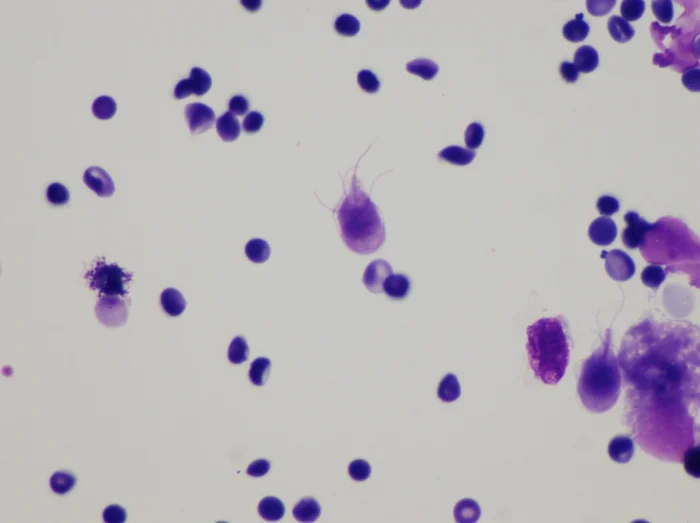
Visual guide about cat parasite microscopic
Image source: thesprucepets.com
Now let’s get to the really fascinating part — how this parasite might actually change behavior. The idea that a tiny organism can manipulate the behavior of its host isn’t new in nature. There are numerous examples of parasites that alter host behavior to increase their chances of survival and reproduction.
The Rodent Experiment
The most well-documented example of Toxoplasma’s behavioral manipulation involves rats and mice. In a groundbreaking study, researcher Joanne Webster at Oxford University discovered that infected rats actually lost their natural fear of cat urine. Even more bizarrely, some rats seemed to be attracted to the smell of cats.
Think about that for a moment. A rat that’s normally terrified of cats suddenly finds the scent of its predator appealing. This is incredibly advantageous for the parasite because it increases the likelihood that the rat will be eaten by a cat, allowing Toxoplasma to complete its life cycle.
The mechanism behind this behavioral change is still being studied, but researchers believe the parasite affects dopamine production and alters neural pathways in the brain. Specifically, it appears to target the amygdala — the brain region responsible for processing fear and emotional responses.
Does It Affect Humans Too?
This is where the science gets controversial. Several studies have suggested that Toxoplasma infection might influence human behavior, personality, and even mental health. While the effects are much subtter than in rodents, some researchers have found intriguing correlations.
A study published in the Journal of Experimental Biology found that infected individuals showed subtle changes in personality traits. Infected men tended to be more introverted, suspicious, and disregard for rules, while infected women were more outgoing, trusting, and rule-conscious. Other research has linked the parasite to slower reaction times, increased risk-taking behavior, and even higher rates of traffic accidents.
Perhaps most controversially, some studies have found associations between Toxoplasma infection and schizophrenia, bipolar disorder, and other mental health conditions. However, it’s crucial to note that correlation does not equal causation — having the parasite doesn’t necessarily mean it caused these conditions.
The “Cat Attraction” Theory: Real or Myth?
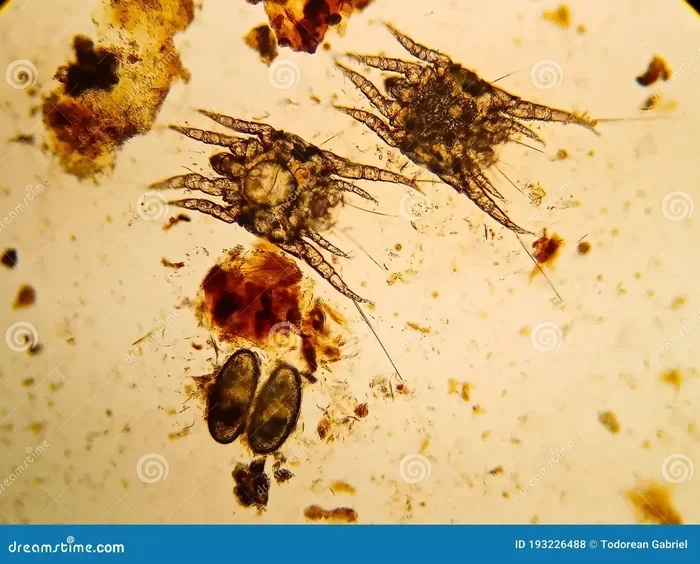
Visual guide about cat parasite microscopic
Image source: thumbs.dreamstime.com
So, does this parasite actually make humans love cats? The short answer is: maybe, but the evidence is limited.
The theory goes like this: if Toxoplasma gondii benefits from cats (since they’re its definitive host), it would make evolutionary sense for the parasite to make humans more attracted to cats. More cat contact means more opportunities for the parasite to spread.
Some studies have found that infected individuals are more likely to own cats or express positive attitudes toward felines. A 2017 study published in the journal Brain, Behavior, and Immunity found correlations between Toxoplasma infection and certain personality traits that might make someone more likely to be a “cat person.”
However, many scientists urge caution when interpreting these findings. The studies are often small, and the effects are subtle. There are countless reasons why someone might love cats — childhood experiences, cultural influences, personal preferences — and it’s difficult to isolate the parasite as a contributing factor.
What the Critics Say
Skeptics point out several problems with the “cat attraction” theory. First, humans are dead-end hosts for the parasite — we don’t typically get eaten by cats, so there’s no clear evolutionary advantage to making us love them. Second, many of the studies showing behavioral effects have small sample sizes and haven’t been consistently replicated.
Dr. Karen Shapiro, a parasitologist at the University of California, Davis, has noted that while the parasite definitely affects rodent behavior, the evidence for significant behavioral changes in humans is much weaker. She emphasizes that most infected people experience no noticeable effects whatsoever.
How Do People Get Infected?
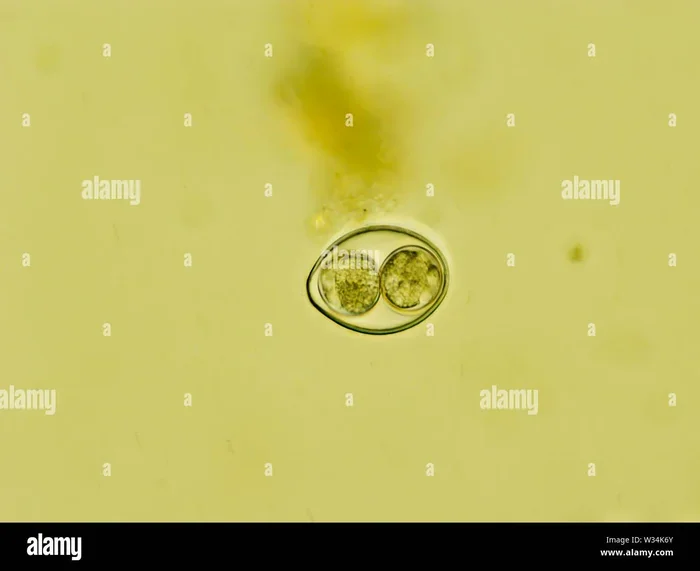
Visual guide about cat parasite microscopic
Image source: c8.alamy.com
Understanding how Toxoplasma spreads is important for protecting yourself and your family. There are several common routes of transmission:
Primary Infection Routes
- Undercooked meat: Eating raw or undercooked meat from infected animals (especially pork, lamb, and venison) is the most common source of human infection in the United States.
- Cat feces: Handling cat litter or coming into contact with contaminated soil can expose you to oocysts. Indoor cats that don’t hunt are very low risk.
- Contaminated water: Drinking water contaminated with oocysts, particularly in areas with poor sanitation.
- Mother to child: Pregnant women can pass the infection to their unborn baby, which can cause serious complications.
- Organ transplants and blood transfusions: Though rare, the parasite can be transmitted through these medical procedures.
Who Is Most at Risk?
While anyone can become infected, certain groups face higher risks:
- Pregnant women: Infection during pregnancy can cause miscarriage, stillbirth, or serious birth defects including brain damage and vision problems.
- Immunocompromised individuals: People with HIV/AIDS, those undergoing chemotherapy, or organ transplant recipients are at risk for severe complications.
- People who eat raw meat: Consuming raw or undercooked meat significantly increases infection risk.
- Gardeners: Working in soil contaminated with cat feces without gloves can lead to accidental ingestion of oocysts.
Prevention: How to Protect Yourself
The good news is that preventing Toxoplasma infection is relatively straightforward. You don’t need to get rid of your beloved cats — just follow these practical tips:
Kitchen Safety
- Cook meat to safe internal temperatures (at least 145°F for whole cuts, 160°F for ground meat, and 165°F for poultry)
- Freezing meat for several days can reduce the risk of infection
- Wash hands thoroughly after handling raw meat
- Clean cutting boards, knives, and countertops with hot, soapy water
- Wash fruits and vegetables before eating
Cat Care Best Practices
- Clean the litter box daily — oocysts take 1-5 days to become infectious
- Wear gloves when handling cat litter
- Pregnant women should avoid cleaning litter boxes if possible
- Keep cats indoors to reduce their exposure to infected prey
- Don’t feed cats raw or undercooked meat
- Cover outdoor sandboxes when not in use
Garden Safety
- Always wear gloves when gardening
- Wash hands thoroughly after working in soil
- Control stray cat populations in your yard
- Consider raised garden beds to minimize contact with contaminated soil
The Bigger Picture: Parasites and Human Behavior
Toxoplasma gondii isn’t the only organism that can influence human behavior. Nature is full of examples of parasites and pathogens that manipulate their hosts in remarkable ways.
Other Behavioral Manipulators
- Rabies virus: Causes aggression and increases saliva production to facilitate transmission through bites
- Cordyceps fungus: Controls ants’ behavior, forcing them to climb to elevated positions before dying
- Dicrocoelium dendriticum: A liver fluke that makes ants climb to the tops of grass blades to be eaten by grazing animals
- Plasmodium (malaria parasite):strong> Makes mosquitoes bite more frequently and aggressively
These examples remind us that humans aren’t immune to biological influences on our behavior. While we like to think of ourselves as fully autonomous decision-makers, the reality is that our brains and bodies are complex ecosystems influenced by countless factors — including microscopic organisms.
What This Means for Dating and Relationships
Interestingly, understanding how biological factors influence behavior can provide valuable insights into relationship dynamics. Just as parasites can subtly influence our preferences and behaviors, many unconscious factors shape who we’re attracted to and how we interact with partners.
If you’re navigating the complex world of dating and relationships, it’s worth exploring how both biological and psychological factors influence your choices. Understanding these hidden influences can help you make more conscious decisions about your love life.
Current Research and Future Directions
Scientists continue to study Toxoplasma gondii with great interest. Current research is focused on several key areas:
Active Research Areas
- Brain imaging studies: Using MRI and PET scans to understand how the parasite affects brain structure and function
- Mental health connections: Investigating potential links between infection and conditions like schizophrenia, depression, and anxiety
- Immune system interactions: Understanding how the parasite evades the immune system and establishes chronic infection
- Treatment development: Searching for drugs that can eliminate dormant cysts from the brain
- Vaccine research: Working on vaccines to prevent infection in cats and livestock
A particularly exciting area of research involves the parasite’s effect on neurotransmitter systems. Studies have shown that Toxoplasma can increase dopamine production in infected brain cells, which might explain some of the behavioral changes observed in both animals and humans.
Should You Be Worried?
After reading all this, you might be feeling a bit anxious about your cat or that rare steak you enjoyed last weekend. But here’s the reality: for most healthy adults, Toxoplasma infection is not a major concern.
If you have a healthy immune system, the parasite will likely remain dormant in your body without causing any problems. You probably won’t experience any symptoms, and you certainly won’t turn into a “cat person” overnight because of a parasite.
That said, it’s always smart to practice good hygiene and food safety. If you’re pregnant or immunocompromised, talk to your doctor about getting tested and take extra precautions.
When to See a Doctor
Consider getting tested if you:
- Are pregnant or planning to become pregnant
- Have a weakened immune system
- Experience flu-like symptoms that don’t resolve
- Notice vision changes or eye problems
- Have been exposed to contaminated soil or cat feces and are concerned
Conclusion
The parasite that supposedly makes you love cats is very real, but the truth is more nuanced than the headlines suggest. Toxoplasma gondii is a fascinating organism that has evolved remarkable strategies for survival, including the ability to manipulate host behavior in animals like rodents.
When it comes to humans, the evidence for significant behavioral manipulation is much weaker and more controversial. While some studies suggest subtle effects on personality and behavior, these findings are far from conclusive. The idea that a parasite is secretly controlling your love for cats makes for great clickbait, but the science tells a more complex story.
What we do know is that this parasite is incredibly common, usually harmless to healthy people, and easily preventable with basic hygiene practices. So go ahead and enjoy your feline friends — just remember to wash your hands after cleaning the litter box and cook your meat thoroughly.
The world of parasites and behavioral manipulation is a reminder of how interconnected all life on Earth truly is. Even the smallest organisms can have profound effects on the behavior of much larger creatures. It’s a humbling thought that might just change the way you look at your cat — and yourself.
Frequently Asked Questions
What is What Is The Parasite That Makes You Love Cats?
What Is The Parasite That Makes You Love Cats is an important topic with many practical applications.
