
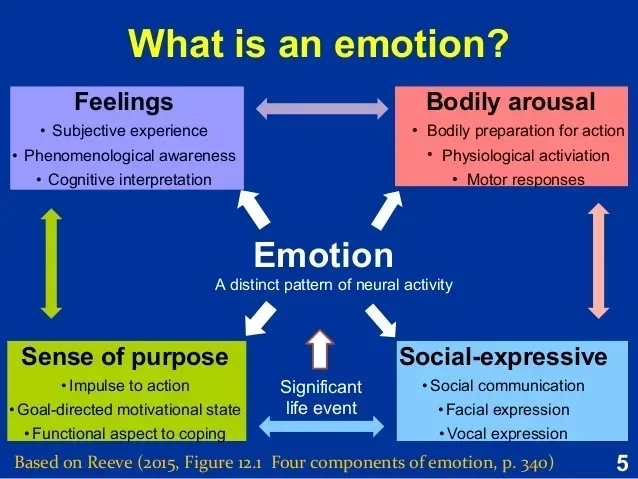
The two factor theory of emotion reveals that feelings come from two things: physical arousal and how you label it. This groundbreaking psychology concept explains why anxiety can feel like attraction and why understanding your body’s signals can transform your dating life. Once you grasp this theory, you’ll never confuse nervous butterflies for love again.
[FEATURED IMAGE_PLACEHOLDER]
Imagine you’re on a first date. Your palms are sweaty. Your heart pounds. Your stomach flips. You think, “Wow, I must really like this person.” But what if that’s not love at all? What if it’s just your body reacting to something else entirely?
This is exactly what the two factor theory of emotion helps us understand. Developed by psychologists Stanley Schachter and Jerome Singer in 1962, this theory changed how we think about feelings forever. It explains why we sometimes mistake anxiety for attraction, fear for excitement, and stress for passion.
In this article, you’ll discover how this powerful psychological concept works. More importantly, you’ll learn how it affects your dating life every single day. By the end, you’ll have practical tools to better understand your emotions and make smarter relationship decisions.
Key Takeaways
- Two factor theory of emotion states that emotions require both physiological arousal and cognitive labeling.
- Misattribution of arousal happens when you incorrectly label physical excitement as romantic attraction.
- The famous Capilano Bridge experiment proved that people confuse fear-induced arousal for romantic interest.
- Understanding this theory helps you distinguish between anxiety and genuine connection on dates.
- You can use this knowledge to create stronger romantic bonds through exciting shared activities.
- Emotional awareness in relationships improves when you recognize what your body is actually feeling.
- This theory applies to relationship anxiety, jealousy, and emotional regulation in dating.
📑 Table of Contents
- What Is the Two Factor Theory of Emotion?
- The Famous Bridge Experiment That Changed Everything
- How This Theory Explains Your Dating Life
- Misattraction: When Anxiety Feels Like Love
- Practical Ways to Apply This Theory in Relationships
- Common Mistakes People Make
- Expert Insights on Emotion and Relationships
- Quick Tips for Better Emotional Awareness
- How This Theory Connects to Relationship Health
- Conclusion
What Is the Two Factor Theory of Emotion?
The two factor theory of emotion proposes that emotions come from two distinct components working together. First, you experience physiological arousal — your body’s physical response. Second, you apply a cognitive label — your mind’s interpretation of that arousal.
Think of it like this. Your body says, “Something is happening!” But your brain has to figure out what that something is. The same racing heart could mean you’re scared, excited, angry, or attracted to someone. Your brain looks at the context and picks the most logical explanation.
The Two Components Explained
Factor One: Physiological Arousal
This is your body’s automatic response. Your heart rate increases. Your breathing quickens. Adrenaline floods your system. Your muscles tense. These physical changes happen before you even realize you’re feeling something.
Factor Two: Cognitive Labeling
This is where your brain steps in. It scans the environment for clues. Then it attaches a name to what your body is feeling. Are you at a horror movie? That arousal must be fear. Are you on a roller coaster with your date? That arousal must be excitement. Are you holding hands with someone new? That arousal must be attraction.
Why This Theory Matters
Before Schachter and Singer, most people believed emotions happened automatically. You see a bear, you feel fear. Simple. But their research showed something far more interesting. Emotions are not automatic. They’re constructed by your brain using physical signals and mental interpretation.
This means you have more control over your emotions than you think. It also means you can misinterpret your feelings without realizing it. And in dating, that misinterpretation can lead to serious confusion.
The Famous Bridge Experiment That Changed Everything
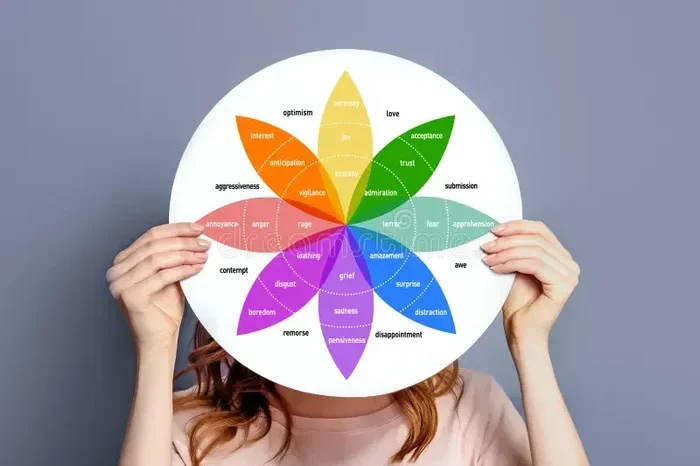
Visual guide about emotion psychology concept
Image source: thumbs.dreamstime.com
To understand the two factor theory of emotion fully, you need to know about Donald Dutton and Arthur Aron’s 1974 experiment. It’s one of the most fascinating studies in psychology. And it perfectly illustrates how misattribution of arousal works in real life.
Setting Up the Study
The researchers had male participants walk across one of two bridges. The first bridge was sturdy, low, and safe. The second bridge was the Capilano Suspension Bridge — a narrow, wobbly structure hanging 230 feet above a canyon. Just crossing it triggered intense physiological arousal.
At the end of each bridge, an attractive female researcher greeted the men. She gave them a questionnaire and her phone number “if they had any questions.” The question was simple: Would the men call her?
The Results Were Stunning
The men who crossed the scary suspension bridge were far more likely to call the researcher. Why? Because their bodies were already aroused from the fear of crossing the bridge. When they saw the attractive woman, their brains misattributed that arousal. They thought, “My heart is racing because I’m attracted to her.” But really, their hearts were racing because they were terrified of falling.
Meanwhile, the men who crossed the safe bridge showed much less interest. Their bodies weren’t aroused. So they had no physical signals to misinterpret.
What This Means for You
This experiment proves a crucial point. Your brain can confuse arousal from one source with attraction to another. This happens more often than you realize. And it has huge implications for your dating life.
How This Theory Explains Your Dating Life
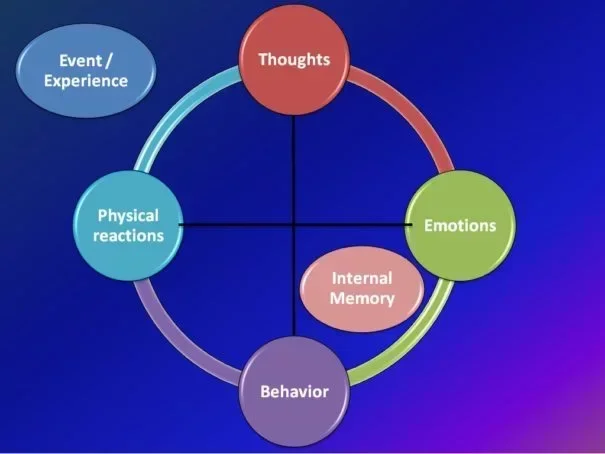
Visual guide about emotion psychology concept
Image source: innerdawn.in
The two factor theory of emotion isn’t just an academic concept. It plays out in your relationships every single day. Once you understand it, you’ll start seeing patterns you never noticed before.
First Dates and Nervous Energy
First dates are perfect breeding grounds for misattribution of arousal. You’re nervous. Your body produces adrenaline. Your stomach churns. Your heart races. Then you meet someone attractive. Your brain connects the dots incorrectly. “I must be falling for them,” you think.
But ask yourself honestly. Are you feeling attraction? Or are you feeling anxiety about being judged? The physical symptoms are nearly identical. Only the context differs.
Why Bad Boys and Toxic Relationships Feel Exciting
Here’s where things get really interesting. Unstable relationships often produce more physiological arousal than healthy ones. The drama, the uncertainty, the push-and-pull — all of it triggers your body’s stress response.
Your brain then labels this arousal as passion. “I can’t live without them,” you say. “The chemistry is incredible.” But what you’re actually feeling is anxiety and stress. Your body is in fight-or-flight mode. And your brain mistakes that for deep romantic connection.
This is why people often feel most “alive” in toxic relationships. The constant emotional roller coaster keeps their arousal levels high. But high arousal doesn’t mean healthy love. It just means your body is stressed.
The Difference Between Anxiety and Excitement
Physiologically, anxiety and excitement are almost the same. Both increase heart rate. Both cause butterflies. Both make you feel energized. The only difference is how your brain labels the experience.
This is why reframing matters so much. When you feel nervous before a date, you can tell yourself, “I’m excited” instead of “I’m anxious.” Research shows this simple shift in labeling actually changes how you feel. Your body stays aroused. But your emotional experience transforms.
Misattraction: When Anxiety Feels Like Love
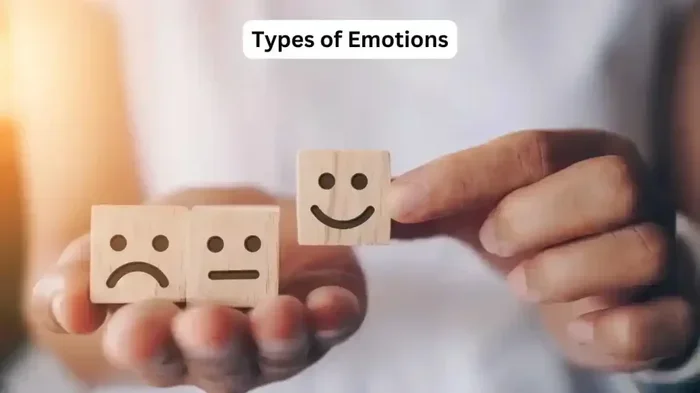
Visual guide about emotion psychology concept
Image source: psychspirit.com
One of the most powerful applications of the two factor theory of emotion is understanding misattraction. This happens when you mistake non-romantic arousal for romantic interest. And it can lead you into relationships that aren’t right for you.
Common Sources of Misattributed Arousal
- Fear and danger: Watching a scary movie together, being in an unsafe situation, or even just walking through a dark parking lot.
- Physical exercise: Working out with someone, dancing, or any activity that raises your heart rate.
- Stress and pressure: Meeting someone during a chaotic time in your life when your baseline arousal is already high.
- Novelty and uncertainty: New experiences that push you out of your comfort zone.
- Conflict and drama: Arguments and emotional intensity that trigger your stress response.
How to Tell If It’s Real Attraction
So how do you know if what you’re feeling is genuine? Here are some questions to ask yourself:
- Do I feel this way when things are calm and relaxed?
- Would I still be interested if there were no drama or uncertainty?
- Does this person make me feel safe and secure?
- Can I be myself around them without performing?
- Do I feel good about myself when we’re together?
If you answered no to most of these, you might be experiencing misattributed arousal rather than true connection. Your body is excited. But your mind is labeling it incorrectly.
The Role of Emotional Awareness
Developing emotional awareness is your best defense against misattraction. This means learning to pause and ask yourself what you’re really feeling. It means noticing your body’s signals without immediately jumping to conclusions.
When you feel that familiar rush of excitement, take a breath. Ask yourself: “What caused this feeling? Is it this person? Or is it the situation?” This simple pause can save you from months of confusion.
Practical Ways to Apply This Theory in Relationships
Understanding the two factor theory of emotion isn’t just about avoiding mistakes. It’s also about building stronger connections. Here’s how to use this knowledge in your dating life.
Create Genuine Excitement on Dates
Remember the bridge experiment? Exciting activities produce arousal. And that arousal gets attributed to your date. So instead of sitting across from each other at another boring coffee shop, try something that gets your hearts pumping.
- Go rock climbing together
- Take a dance class
- Visit an amusement park
- Try escape rooms
- Go hiking on a challenging trail
- Attend a live concert or sporting event
These activities create shared physiological arousal. Your brains will naturally attribute that excitement to each other. The result? Stronger feelings of connection and attraction.
Use Reframing to Manage Date Nerves
Instead of trying to calm down before a date, try reframing your arousal. Research by Alison Wood Brooks at Harvard found that people who told themselves “I’m excited” before stressful situations performed better than those who said “I’m calm.”
The reason is simple. It’s easier to change your label than to change your physiology. Your body is already aroused. So work with it. Tell yourself, “I’m excited to meet this person” rather than “I hope I don’t mess this up.”
Build Emotional Intelligence in Your Relationship
Once you’re in a relationship, the two factor theory of emotion can help you communicate better. When conflicts arise, both partners experience physiological arousal. How you label that arousal determines whether you fight or connect.
Instead of labeling your racing heart as anger, try labeling it as passionate concern. Instead of interpreting your partner’s tension as attack, see it as emotional investment. These small shifts in labeling can transform how you handle disagreements.
Common Mistakes People Make
Even when you understand the two factor theory of emotion, certain pitfalls can trip you up. Here are the most common mistakes to watch for.
Mistaking Intensity for Compatibility
Big emotions feel meaningful. But intensity doesn’t equal compatibility. Just because someone makes your heart race doesn’t mean they’re right for you. Sometimes the most intense connections are based on anxiety and uncertainty rather than genuine compatibility.
Healthy relationships often feel calm and secure. That doesn’t mean they’re boring. It means your nervous system isn’t constantly activated. And that’s actually a good thing.
Ignoring Your Baseline State
Your starting point matters. If you’re already stressed, anxious, or overwhelmed, any new arousal gets added to what you’re already feeling. This is why people often make poor relationship decisions during major life changes.
Moving to a new city, starting a new job, going through a family crisis — these all raise your baseline arousal. Adding a new romantic interest to that mix creates a perfect storm for misattribution. Be extra cautious about labeling your feelings during these times.
Confusing Chemistry with Connection
Chemistry is real. But it’s not always what you think it is. The two factor theory of emotion shows that chemistry is partly just physiological arousal that you’ve labeled as attraction. Some of the strongest chemistry comes from anxiety, uncertainty, and even fear.
Real connection goes deeper. It includes trust, respect, shared values, and emotional safety. These things might not make your heart race. But they build relationships that last.
Expert Insights on Emotion and Relationships
Relationship experts increasingly recognize the importance of emotional awareness in dating. Understanding how your brain constructs emotions can transform your approach to love.
Dr. Sue Johnson, developer of Emotionally Focused Therapy, emphasizes that emotional responses in relationships are often misinterpreted. Partners react to surface emotions while missing the deeper feelings underneath. The two factor theory of emotion helps explain why this happens.
Similarly, attachment researchers note that people with anxious attachment styles are especially prone to misattribution. Their baseline arousal is already high. So they’re more likely to interpret any physical signal as romantic interest or relationship threat.
The key takeaway from experts is this: slow down your emotional processing. Don’t trust every feeling at face value. Pause, reflect, and consider alternative explanations for what you’re experiencing.
Quick Tips for Better Emotional Awareness
- Check your context: Before labeling an emotion, look at what’s happening around you.
- Notice your body: Pay attention to physical signals without immediately naming them.
- Ask “what else could this be?”: Generate alternative explanations for your arousal.
- Wait before deciding: Give yourself time to process before concluding you’re in love.
- Track patterns: Notice if you consistently feel “attracted” in similar situations.
- Talk it out: Share your feelings with a trusted friend who can offer perspective.
How This Theory Connects to Relationship Health
The two factor theory of emotion doesn’t just explain attraction. It also sheds light on relationship problems. When partners don’t understand their own emotional responses, they react in ways that damage connection.
For example, one partner might feel their heart race during an argument. They label that arousal as anger. So they lash out. But what if the real emotion is fear of losing the relationship? The physical arousal is the same. But the label changes everything.
This is why emotional regulation skills matter so much in relationships. When you can accurately identify and label your emotions, you respond more thoughtfully. You choose reactions rather than being controlled by automatic responses.
Understanding this theory also helps you recognize when your partner might be misinterpreting their own feelings. You can gently help them explore what they’re really experiencing. This builds deeper intimacy and trust over time.
Conclusion
The two factor theory of emotion offers a powerful lens for understanding your dating life. By recognizing that emotions require both physiological arousal and cognitive labeling, you gain valuable insight into why you feel what you feel.
You now know that racing hearts don’t always mean love. Butterflies might be anxiety. Intensity might be stress. And the most exciting person in the room might not be the best partner for you.
The goal isn’t to suppress your emotions or overthink every feeling. It’s to develop emotional awareness so you can make better choices. Pause before labeling. Consider alternative explanations. And remember that healthy love often feels calm rather than chaotic.
Your emotions are real. But they’re not always what they seem. Once you understand the two factor theory, you can navigate dating with greater clarity, confidence, and wisdom.
Frequently Asked Questions
What is Two Factor Theory Of Emotion?
Two Factor Theory Of Emotion is an important topic with many practical applications.
