
Left brain vs right brain differences shape how we think, communicate, and love. Understanding your dominant hemisphere can transform your dating life and help you connect better with partners. This guide breaks down the science, debunks myths, and shows you how brain dominance affects your relationships.
Have you ever wondered why you approach dating so differently from your friends? The answer might live in your brain. Understanding left brain vs right brain differences isn’t just neuroscience trivia — it’s a powerful tool for decoding your relationship patterns, communication style, and even why you’re drawn to certain partners. Whether you overthink every text message or follow your gut instinct on first dates, your brain’s wiring plays a bigger role than you might think. In this guide, we’ll explore what science actually says about brain hemispheres, how these differences show up in your love life, and what you can do with this knowledge to build stronger, more fulfilling connections.
Key Takeaways
- Left-brain thinkers tend to be analytical, logical, and structured in their approach to dating and relationships.
- Right-brain thinkers are typically creative, emotional, and intuitive in how they connect with partners.
- The “left vs right” myth has been largely debunked — most people use both hemispheres equally.
- Brain dominance affects communication styles, conflict resolution, and emotional expression in relationships.
- Understanding your partner’s thinking style can dramatically improve relationship compatibility.
- No hemisphere is “better” — both offer unique strengths in romantic partnerships.
- Self-awareness about your cognitive style helps you make better dating decisions and avoid common pitfalls.
📑 Table of Contents
- What Does Left Brain Vs Right Brain Actually Mean?
- How Left Brain Traits Show Up in Dating and Relationships
- How Right Brain Traits Influence Your Love Life
- The Science of Brain Compatibility in Relationships
- How to Identify Your Dominant Thinking Style
- Practical Tips for Balancing Both Thinking Styles in Dating
- Common Mistakes People Make About Brain Dominance in Dating
- Expert Insights: What Relationship Psychologists Say
- How Brain Differences Affect Communication in Relationships
What Does Left Brain Vs Right Brain Actually Mean?
The human brain is divided into two hemispheres connected by a bundle of nerve fibers called the corpus callosum. Each hemisphere controls different functions and influences how we process information, make decisions, and interact with the world around us.
The concept of brain lateralization suggests that certain mental processes are primarily managed by one side of the brain. This idea has fascinated scientists, psychologists, and educators for decades. But here’s where it gets interesting — the popular version of this theory is often oversimplified.
The Traditional View of Brain Hemispheres
For years, we’ve been taught a neat division of labor:
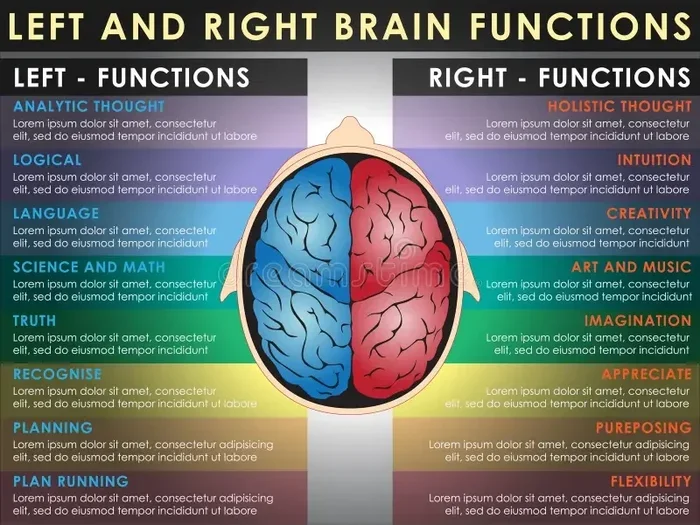
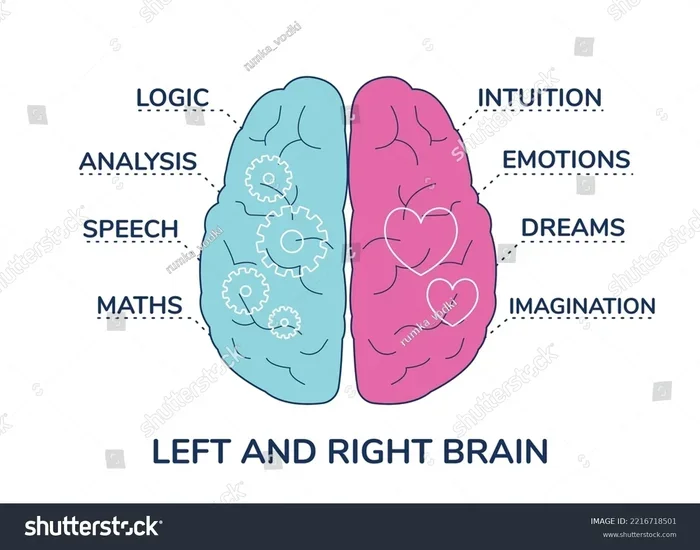
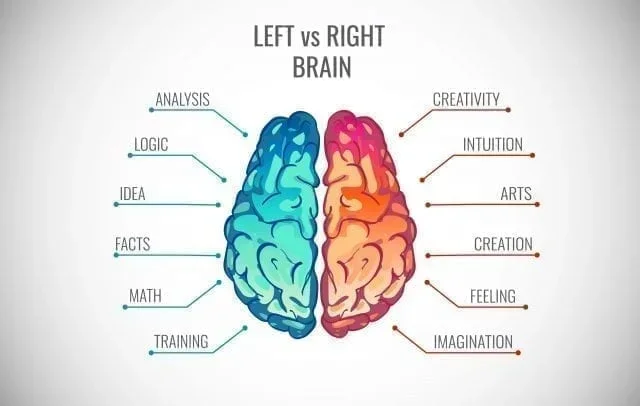
- Left hemisphere: Logic, analysis, language, mathematics, sequential thinking
- Right hemisphere: Creativity, intuition, emotions, spatial awareness, holistic thinking
This framework suggests that people tend to be either “left-brained” or “right-brained” dominant. According to this theory, your dominant hemisphere shapes your personality, career preferences, and even your dating style.
What Modern Neuroscience Actually Says
Here’s the plot twist. Recent brain imaging studies have revealed that the left brain/right brain dominance theory is largely a myth. Research from the University of Utah, published in 2013, scanned the brains of over 1,000 people and found no evidence that individuals preferentially use one hemisphere over the other.
What scientists did confirm is that certain functions are lateralized. Language processing typically occurs more in the left hemisphere, while spatial attention leans right. But complex tasks — like falling in love, choosing a partner, or navigating a disagreement — activate both hemispheres working together.
So while the strict “left-brained vs right-brained” personality types aren’t scientifically accurate, understanding these cognitive tendencies still offers valuable insights, especially when it comes to relationships.
How Left Brain Traits Show Up in Dating and Relationships
Even though we use both sides of our brains, many people do lean toward analytical thinking patterns that are traditionally associated with left-hemisphere function. If this sounds like you, you might recognize these patterns in your dating life.
Visual guide about left right brain illustration
Image source: shutterstock.com
The Analytical Dater
People with strong logical thinking tendencies often approach dating like a project. They create pros-and-cons lists about potential partners. They research compatibility before committing. They want to know the plan, the timeline, and the expected outcome.
Common traits include:
- Careful decision-making — taking time before jumping into relationships
- Clear communication — preferring direct, honest conversations about feelings
- Goal-oriented approach — knowing what they want in a partner and relationship
- Problem-solving mindset — addressing conflicts with logic rather than emotion
- Preference for routine — enjoying predictable date nights and established patterns
Strengths in Relationships
Analytical thinkers bring incredible stability to partnerships. They’re reliable, thoughtful, and excellent at planning for the future. When problems arise, they approach them calmly and systematically. Their partners often feel secure and supported because there’s a clear sense of direction.
Potential Challenges
The downside? Overthinking can kill spontaneity. An analytical dater might miss a great connection because the person doesn’t check every box on their mental list. They may also struggle with emotional vulnerability, preferring to process feelings internally rather than expressing them openly.
If you’ve ever found yourself stuck in analysis paralysis about whether someone is right for you, understanding this tendency is the first step toward balance. Learning when to trust your gut — not just your head — can open doors you didn’t know existed.
How Right Brain Traits Influence Your Love Life
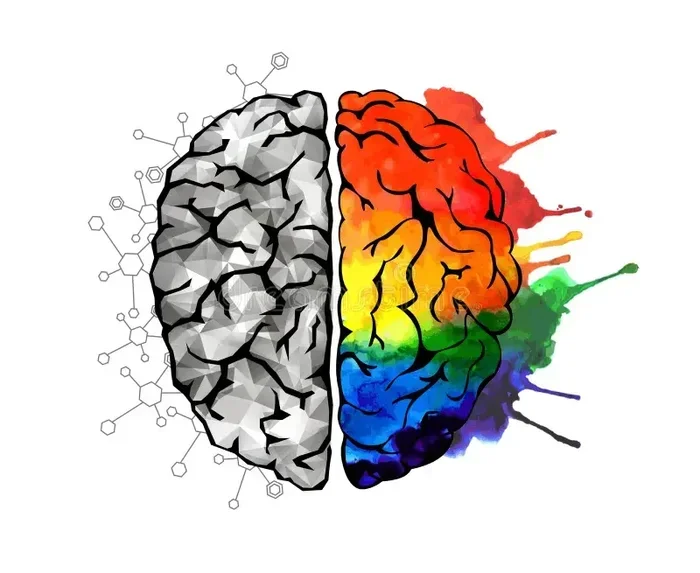
On the other side of the spectrum, people who lean toward creative and intuitive thinking often experience dating as an emotional adventure. They feel their way through relationships rather than thinking their way through them.
Visual guide about left right brain illustration
Image source: thumbs.dreamstime.com
The Intuitive Romantic
These individuals trust their gut feelings about people. They might fall in love quickly, plan spontaneous weekend getaways, and express affection through creative gestures. For them, love is something you feel, not something you analyze.
Common traits include:
- Emotional awareness — picking up on subtle cues and unspoken feelings
- Spontaneity — embracing unexpected moments and going with the flow
- Creative expression — showing love through art, music, writing, or unique experiences
- Empathy — deeply feeling what their partner feels
- Big-picture thinking — focusing on the overall feeling of the relationship rather than details
Strengths in Relationships
Intuitive romantics bring passion, depth, and excitement to their partnerships. Their partners often feel deeply seen and understood. These individuals excel at emotional connection and creating memorable, meaningful experiences together.
Potential Challenges
The challenge for right-leaning thinkers is that intuition isn’t always accurate. They might ignore red flags because the “feeling” is so strong. They can also become overwhelmed by emotions during conflicts, making it hard to find practical solutions. Without some analytical balance, they may struggle with boundaries or make impulsive decisions they later regret.
Understanding your emotional patterns is crucial. If you tend to follow your heart without question, learning to pause and think critically about major relationship decisions can save you from heartbreak. Recognizing the difference between compromise vs sacrifice becomes especially important when emotions run high.
The Science of Brain Compatibility in Relationships
Here’s where things get really interesting. Research in interpersonal neurobiology suggests that our brains are literally wired for connection. When we form romantic attachments, our neural pathways actually adapt to sync with our partner’s patterns.
Visual guide about left right brain illustration
Image source: blog.cognifit.com
Why Opposites Sometimes Attract
You’ve heard the saying — opposites attract. There’s some truth to this from a neurological perspective. A highly analytical person might be drawn to someone more emotionally expressive because that partner activates parts of their brain that don’t get much exercise.
This complementary dynamic can create a beautiful balance. The logical partner brings structure and stability. The emotional partner brings warmth and spontaneity. Together, they create a whole-brain relationship that’s greater than the sum of its parts.
Why Similarities Also Matter
At the same time, research shows that shared values and communication styles are among the strongest predictors of relationship success. When both partners process the world similarly, there’s less friction and more mutual understanding.
The key isn’t finding someone exactly like you or completely different. It’s finding someone whose cognitive style complements yours in ways that feel good rather than frustrating.
Attachment Styles and Brain Function
Your attachment style — how you bond with others — is closely linked to brain function. People with secure attachment tend to have well-integrated brain hemisphere communication. Those with anxious or avoidant styles often show patterns of hemispheric imbalance under stress.
Understanding your attachment style alongside your thinking patterns gives you a powerful roadmap for personal growth in relationships.
How to Identify Your Dominant Thinking Style
Not sure whether you lean analytical or intuitive? These questions can help you identify your natural tendencies.
Self-Assessment Questions
Think about how you typically respond in these scenarios:
- Making a big decision: Do you research extensively and weigh options, or do you go with what feels right?
- Handling conflict: Do you want to talk through the logic of the situation, or do you need to process your emotions first?
- Planning a date: Do you create a detailed itinerary, or do you prefer to see where the night takes you?
- Expressing feelings: Do you find it easy to articulate emotions, or do you struggle to find the right words?
- Choosing a partner: Do you evaluate compatibility factors, or do you trust the chemistry you feel?
Quick Tips for Self-Discovery
Pay attention to your first instinct in different situations. Notice whether your default mode is thinking or feeling. Ask trusted friends how they perceive your decision-making style. And remember — most people fall somewhere in the middle, with tendencies in both directions.
Practical Tips for Balancing Both Thinking Styles in Dating
Whether you’re naturally analytical or instinctively intuitive, developing whole-brain thinking can dramatically improve your dating life. Here’s how to cultivate balance.
For Analytical Thinkers: Learning to Feel
If you tend to live in your head, these strategies can help you access your emotional side:
- Practice mindfulness — spend 5 minutes daily simply noticing your feelings without judgment
- Try spontaneous activities — say yes to unplanned experiences at least once a week
- Journal about emotions — write freely about how you feel, not what you think
- Limit pros-and-cons lists — give yourself permission to make some decisions based on feeling alone
- Ask “How does this feel?” — before asking “What does this mean?” in emotional situations
For Intuitive Thinkers: Learning to Think
If you tend to lead with your heart, these approaches can help you develop your analytical side:
- Pause before big decisions — give yourself 48 hours before making relationship commitments
- Write down your thoughts — organizing feelings on paper helps you see patterns more clearly
- Seek objective feedback — ask trusted friends for honest perspectives on your relationship choices
- Learn about attachment styles — understanding the science behind your emotions helps you navigate them better
- Create healthy boundaries — use both logic and emotion to determine what you will and won’t accept
Building a Whole-Brain Relationship
The healthiest relationships happen when both partners can access both thinking styles. This means being able to analyze problems logically while also staying emotionally present. It means planning for the future while remaining open to spontaneous moments.
When you understand your own patterns and your partner’s tendencies, you can communicate more effectively and appreciate each other’s strengths. This awareness also helps you recognize when someone might not be the right fit — something that’s much easier to see when you’re using both your head and your heart.
Common Mistakes People Make About Brain Dominance in Dating
Let’s clear up some misconceptions that can actually hurt your love life.
Mistake 1: Labeling Yourself Permanently
Thinking “I’m just a logical person” or “I’m too emotional” becomes a self-fulfilling prophecy. Your brain is neuroplastic — it can change and grow throughout your life. You’re not stuck with one thinking style forever.
Mistake 2: Judging Your Partner’s Style
It’s easy to view your partner’s different approach as wrong rather than different. An analytical partner isn’t “cold” — they process emotions internally. An emotional partner isn’t “irrational” — they feel things deeply. Respecting differences is essential for relationship harmony.
Mistake 3: Ignoring Red Flags Because of Chemistry
Strong emotional connection can make us overlook serious compatibility issues. Even if the chemistry feels incredible, use your analytical skills to evaluate whether this person truly aligns with your values and goals. Learning to recognize signs your partner is not right for you requires both emotional honesty and logical assessment.
Mistake 4: Overthinking Every Interaction
On the flip side, analyzing every text message, every word, and every gesture can create unnecessary anxiety. Sometimes the healthiest thing you can do is trust the process and let the relationship unfold naturally.
Expert Insights: What Relationship Psychologists Say
Dr. Sue Johnson, creator of Emotionally Focused Therapy, emphasizes that secure attachment requires both emotional engagement and cognitive understanding. Her research shows that the strongest couples can access both feeling and thinking modes during conflict.
Relationship expert Dr. John Gottman’s research reveals that emotional intelligence — the ability to recognize, understand, and manage emotions — is a better predictor of relationship success than IQ or analytical ability alone. However, he also notes that couples who can calmly discuss problems without flooding emotionally have significantly lower divorce rates.
The consensus among experts is clear: the best relationships integrate both thinking styles. Neither pure logic nor pure emotion creates lasting love. It’s the dance between the two that builds deep, resilient connections.
How Brain Differences Affect Communication in Relationships
One of the biggest sources of conflict in relationships stems from different communication styles rooted in how we process information.
The Logic-First Communicator
Analytical thinkers often communicate by:
- Stating facts and observations directly
- Focusing on solutions rather than feelings
- Using precise, specific language
- Preferring written communication over verbal
- Needing time to process before responding
The Emotion-First Communicator
Intuitive feelers often communicate by:
- Sharing feelings and emotional experiences
- Using metaphors and storytelling
- Reading between the lines
- Preferring face-to-face conversations
- Processing thoughts out loud in real-time
Bridging the Communication Gap
When these two styles meet, misunderstandings happen fast. The logic-first partner might seem dismissive of feelings. The emotion-first partner might seem irrational or overly sensitive. The solution isn’t changing who you are — it’s learning to speak your partner’s language.
Practice active listening without immediately jumping to solutions. Validate emotions before offering analysis. And remember that your partner’s way of expressing love might look different from yours — but that doesn’t make it less real or meaningful.
Understanding these dynamics is especially important when you’re trying to determine if you’re falling in love with the right person. The way you communicate together reveals a lot about long-term compatibility.
Frequently Asked Questions
Is the left brain vs right brain theory scientifically accurate?
The strict version of this theory — that people are either left-brained or right-brained dominant — has been largely debunked by neuroscience. Brain imaging studies show that most people use both hemispheres equally. However, certain functions are lateralized to specific hemispheres, and understanding these tendencies can still provide useful insights into your thinking style.
Can knowing my thinking style improve my dating life?
Absolutely. Understanding whether you lean analytical or intuitive helps you recognize your patterns in relationships. This self-awareness allows you to make more intentional choices, communicate more effectively with partners, and identify areas where you might need to grow for healthier connections.
Should I date someone with a similar or different thinking style?
Both approaches have merits. Similar thinking styles often create easier understanding and less conflict. Different styles can create exciting balance and help both partners grow. The key is finding someone whose style complements yours in ways that feel supportive rather than frustrating.
Can I change my dominant thinking style over time?
Yes. Thanks to neuroplasticity, your brain can form new neural pathways throughout your life. By intentionally practicing different thinking approaches — like mindfulness for analytical thinkers or journaling for emotional thinkers — you can develop a more balanced cognitive style.
How do I know if my communication style is hurting my relationship?
If you frequently feel misunderstood or your partner seems frustrated during conversations, your communication styles might be clashing. Signs include recurring arguments about the same topics, feeling like you’re speaking different languages, or one partner consistently feeling unheard or invalidated.
What’s the biggest misconception about brain dominance in relationships?
The biggest misconception is that one thinking style is superior to another. Neither analytical nor emotional processing is better — they’re just different. The healthiest relationships happen when both partners can access both modes and appreciate each other’s natural tendencies.
=== CONCLUSION ===
Understanding left brain vs right brain differences gives you a powerful lens for examining your dating patterns, communication style, and relationship choices. While the strict dominance theory may be more myth than science, the underlying truth remains valuable: we all have natural thinking tendencies that shape how we love.
The goal isn’t to label yourself or your partner. It’s to develop self-awareness and flexibility. The best relationships happen when we can think critically about our choices while remaining emotionally open to connection. When you balance logic with intuition, analysis with empathy, and planning with spontaneity, you create space for deeper, more authentic love.
Start by noticing your own patterns. Are you overthinking your dating life? Ignoring red flags because of strong chemistry? Communicating in ways your partner doesn’t understand? These observations are the first step toward growth.
Remember, the most fulfilling relationships aren’t about finding someone who thinks exactly like you. They’re about finding someone whose differences challenge you to grow while whose similarities make you feel at home. Use both sides of your brain, trust both your head and your heart, and watch your love life transform.
