
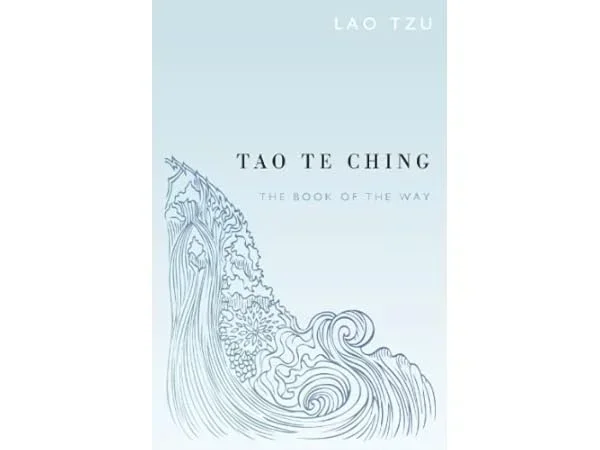
Finding the best books on Taosim can transform your daily life with calm, balance, and timeless wisdom. These expert-reviewed guides simplify complex Taoist ideas into practical steps anyone can follow. You will learn how to reduce stress, deepen mindfulness, and connect with natural flow. Start your journey with these trusted picks designed for real life.
This is a comprehensive guide about Best Books On Taosim.

Visual guide about Taoism books zen meditation
Image source: rankingbooks.com
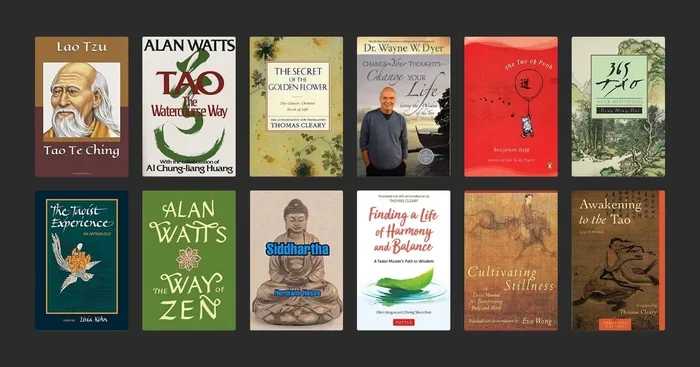
Visual guide about Taoism books zen meditation
Image source: img.readthistwice.com
Visual guide about Taoism books zen meditation
Image source: i.etsystatic.com
Key Takeaways
- Start with beginner-friendly guides: Look for clear explanations that break down Taoist basics without heavy jargon.
- Focus on practical application: The best books on Taosim offer daily habits, breathing tips, and simple meditation steps.
- Choose trusted authors: Expert-reviewed picks and well-researched editions provide reliable wisdom.
- Build a mindful reading routine: Read a few pages each day to absorb concepts slowly and deeply.
- Connect philosophy to everyday life: Use Taoist principles to improve relationships, work balance, and personal peace.
- Explore complementary wellness topics: Pair your reading with breathwork, healthy habits, or romantic gifts based on memories for a fuller lifestyle.
- Revisit core chapters often: Taoist wisdom grows with repetition, so return to key sections as your practice deepens.
[FEATURED_IMAGE_PLACEHOLDER]
Why the Best Books on Taosim Matter for Modern Life
Modern life moves fast. We juggle work, relationships, and constant screen time. Many people feel tired and scattered. Taoist wisdom offers a gentle path forward. It teaches balance, patience, and harmony with natural rhythms. That is why the best books on Taosim remain so valuable today.
These books do more than explain old philosophy. They help readers slow down and breathe. They show how small shifts in mindset can reduce stress. They also offer practical tools for daily living. You do not need a spiritual background to benefit. You only need openness and curiosity.
Taoism often feels calming because it does not demand perfection. It invites flow. It asks you to observe nature and yourself with kindness. When you read a well-written guide, you get both wisdom and direction. You learn how to apply ancient ideas in modern situations. That combination is rare and powerful.
If you want a peaceful mindset, start with clear books. Look for simple language and real examples. The right guide should feel like a steady friend. It should help you think clearly, not confuse you with abstract theory. That is the mark of a truly helpful book.
What Makes a Taoist Book Truly Helpful
A good Taoist book should feel accessible. It should explain core ideas in plain words. It should also connect philosophy to daily habits. Many readers prefer books that offer short chapters and clear exercises. That format makes practice easier.
The best books on Taosim usually include a few key features. They explain the Tao in simple terms. They describe wu wei, or effortless action, in relatable ways. They show how to notice tension and release it. They also encourage gentle self-awareness instead of harsh self-criticism.
Another useful feature is practical structure. Some books include morning reflections. Others offer evening wind-down routines. These small practices help readers build consistency. Consistency matters more than intensity. A few calm minutes each day can change your mindset over time.
You should also look for respectful, grounded writing. Taoism is a deep tradition, but it does not need mystery for its own sake. Clear writing often serves readers better than dramatic language. If a book feels honest and usable, it is probably a strong choice.
Core Taoist Ideas You Will Find in the Best Books on Taosim
Taoist books often revolve around a few central themes. Understanding these themes helps you read with more clarity. It also helps you notice which ideas resonate with your life.
The first theme is the Tao itself. The Tao is often described as the natural way of things. It is the flow beneath ordinary events. You cannot control it completely, but you can learn to move with it. That idea can feel freeing, especially if you are used to forcing outcomes.
The second theme is simplicity. Taoism values uncluttered living. It suggests that too much noise, too many choices, and too much striving can create stress. Many books encourage readers to simplify routines and protect calm spaces. That advice is practical and easy to test in daily life.
The third theme is balance. Taoist writing often speaks about opposites working together. Quiet and activity, rest and effort, softness and strength. When you read about balance, you may start noticing where your life feels tilted. That awareness can guide healthier choices.
Wu Wei and Effortless Action
Wu wei is one of the most discussed ideas in Taoist books. It is often translated as effortless action. That does not mean laziness. It means acting without unnecessary struggle. It means choosing timing, pacing, and alignment before pushing hard.
A simple example helps. Imagine trying to force a door open when it is stuck. You may waste energy and create frustration. Now imagine checking the handle, adjusting your grip, and moving with the door’s logic. That is closer to wu wei. The action still happens, but it feels smoother.
The best books on Taosim explain this idea with everyday situations. They may discuss work, relationships, or creative projects. They often remind readers that force is not always the best tool. Sometimes patience works better. Sometimes a pause creates clarity.
If you want to practice this idea, start small. Notice where you are overexerting yourself. Ask whether a simpler approach exists. Try one gentle adjustment before reacting. Over time, this habit can reduce tension and improve focus.
Simplicity, Balance, and Natural Flow
Simplicity is another idea that appears again and again. Taoist guides often suggest clearing mental and physical clutter. That may mean organizing your space. It may also mean limiting unnecessary commitments. Less noise can create more room for peace.
Balance matters just as much. Many readers come to Taoist books because they feel burned out. They want a better rhythm between effort and rest. A good book will not shame productivity. It will instead encourage sustainable living. That message can feel deeply supportive.
Natural flow is the final theme worth noting. Taoism encourages observation. It asks you to notice seasons, energy, moods, and patterns. When you pay attention, you may see where resistance causes pain. You may also see where acceptance brings ease. That insight can change how you handle stress.
How to Choose the Right Taoist Book for Your Journey
Not every book fits every reader. Some people want philosophy. Others want guided practice. Some prefer short reflections, while others enjoy deeper study. The best approach is to match the book to your current needs.
Start by asking a simple question. What do you want most right now? If you want calm, look for a book with breathing exercises and gentle routines. If you want understanding, choose a book that explains core concepts clearly. If you want lifestyle change, pick a guide with practical habits.
It also helps to consider your reading style. Some readers like slow, reflective books. Others prefer direct, actionable writing. Both styles can be valuable. The key is choosing a book you will actually read. A book that sits untouched will not help you much.
Beginner-Friendly vs. Deep Study Books
Beginner-friendly books usually focus on clarity. They avoid heavy terminology. They explain ideas step by step. They may also include short exercises or reflection prompts. These books are ideal if you are new to Taoism.
Deep study books go further. They may explore history, interpretation, and different layers of meaning. They can be rewarding, but they may also feel dense. If you are still building interest, a lighter book may be the better starting point.
A useful strategy is to begin simple and then go deeper. Read one accessible book first. Notice which ideas stay with you. Then explore a more detailed guide if you want broader context. That path keeps learning enjoyable.
What to Look for in Expert-Reviewed Picks
Expert-reviewed books often stand out for a reason. They tend to offer clearer structure and more reliable explanations. They may also include better examples and smoother pacing. That does not mean every expert-reviewed book is perfect, but it can be a helpful signal.
When evaluating a book, check the tone first. Does it feel respectful and grounded? Does it explain ideas without pretending they are mysterious? Are the examples realistic? These questions matter because they affect how useful the book will be.
You can also look for consistency. A strong Taoist guide should not contradict itself without explanation. It should build ideas in a logical way. It should leave you with a sense of direction, not confusion. That clarity is a major part of what makes a book worth your time.
If you enjoy thoughtful lifestyle content, you may also appreciate related wellness reading. For example, some readers pair Taoist study with simple breathwork guidance or mindful living tips. Others connect spiritual reading with ideas about giving thoughtful gifts or creating meaningful rituals. You can explore more supportive reads like romantic gifts based on memories if you want to blend mindfulness with heartfelt expression.
Practical Ways to Use Taoist Wisdom Every Day
Reading is only the first step. The real value comes from practice. Taoist books become more powerful when you apply them in small, steady ways. You do not need a complete life overhaul. You only need a few repeatable habits.
One helpful habit is slow reading. Read a short passage, then pause. Ask yourself how the idea shows up in your life. Maybe it relates to work pressure. Maybe it relates to patience in a relationship. Maybe it relates to how you handle disappointment. Reflection turns information into insight.
Another habit is mindful breathing. Taoist writing often points toward calm awareness. Breathing is one of the easiest ways to return to the present moment. A few quiet breaths can reset your nervous system. That makes it easier to think clearly.
Simple Daily Practices That Support Taosim
You can build a simple routine around one or two ideas. For example, start your day with a short intention. Ask what kind of energy you want to bring into the day. Keep the answer practical. You might choose calm, patience, or gentleness.
During the day, notice moments of tension. Do not judge them. Just observe them. Then try one small adjustment. Lower your shoulders. Slow your speech. Take one breath before replying. These tiny changes can create a softer rhythm.
Evening is also a good time for reflection. Review the day without criticism. Notice what felt smooth and what felt forced. Over time, this practice helps you recognize patterns. It also helps you make better choices tomorrow.
If you want a fuller wellness routine, consider how Taoist reading fits with other healthy habits. Some readers combine it with budget-friendly nutrition advice or simple self-care routines. Others use it alongside relationship reflection and emotional awareness. You can find helpful related content like healthy eating on a budget if you want to support your body while nurturing your mind.
Examples of Applying Taoist Mindset at Work and Home
At work, Taoist ideas can help you stay steady. When a project feels overwhelming, break it into smaller steps. Focus on the next useful action instead of the whole mountain. That approach often reduces anxiety.
When communication gets tense, pause before reacting. A short pause can prevent unnecessary conflict. It gives you time to choose a clearer response. That is one practical way to practice effortless action.
At home, simplicity can improve your environment. Clear one surface. Reduce one source of clutter. Create one quiet corner for reading or resting. Small changes can make your space feel more peaceful.
Relationships also benefit from Taoist awareness. Listening often works better than trying to win a point. Softness can be strong. Patience can build trust. If you want to explore relationship dynamics more deeply, you may also enjoy reading about signs you are on his mind always as part of broader emotional reflection.
Common Mistakes When Reading Taoist Books
Even good books can be misunderstood. Taoism is gentle, but it is not always simple to apply. Some readers make the mistake of treating it like a quick fix. Others turn it into something vague or overly abstract. A few common pitfalls are worth avoiding.
One mistake is expecting instant transformation. Taoist practice usually grows slowly. It works through repetition and observation. If you expect immediate perfection, you may feel discouraged. A better approach is to notice small improvements over time.
Another mistake is using Taoist ideas to avoid responsibility. Some people misinterpret wu wei as passivity. They assume it means doing nothing. In reality, it often means acting wisely. It means choosing the right effort at the right time.
Misreading Effortless Action
Effortless action is easy to misunderstand. It does not mean avoiding hard work when hard work is needed. It means not adding unnecessary struggle. It means staying aligned instead of forcing outcomes through tension.
For example, if a task requires focus, give it focus. If a conversation needs honesty, offer honesty. Taoism supports appropriate action. It simply asks you to remove extra friction. That distinction matters.
If you keep confusing wu wei with avoidance, reread the passage slowly. Look for examples in the book. Ask how the idea appears in ordinary life. Often, the meaning becomes clearer when you connect it to real situations.
Expecting Instant Enlightenment
Many people come to spiritual books hoping for a dramatic shift. They want a sudden breakthrough. Taoist writing usually offers something more gradual. It invites steady awareness, not magic moments.
That gradual path can feel disappointing at first. Yet it is also realistic. Real change often happens in small layers. You notice more. You react less. You recover faster. Those gains may seem minor at first, but they add up.
A helpful mindset is to treat the book as a companion. Return to it often. Let the ideas settle. Reread passages that feel useful. Over time, the wisdom becomes more personal and more practical.
Expert Insights on Building a Taoist Reading Habit
Consistent reading works best when it feels natural. Do not force yourself through long chapters if you are tired. Instead, create a rhythm that fits your life. Even ten minutes a day can be enough to build understanding.
One useful habit is pairing reading with a calm setting. Choose a quiet spot. Put your phone aside. Read a few pages without multitasking. That simple environment change can improve focus and retention.
Another useful habit is journaling. Write down one idea that stood out. Then write one way to try it. This turns reading into action. It also helps you track what resonates most.
How to Build a Calm Reading Routine
Start with a realistic goal. Maybe you read one chapter each week. Maybe you read a few pages before bed. The goal should feel easy enough to repeat. Repetition matters more than intensity.
Use a gentle pace. Taoist books often reward slow reading. If a paragraph feels rich, stop and think about it. You do not need to rush. Let the meaning unfold.
Keep your notes simple. You do not need a complicated system. A short list of insights is enough. Over time, those notes become a personal guide. They help you remember what matters.
If you enjoy blending mindfulness with emotional or relationship awareness, you can build a broader reading list. Some readers like to explore romance, communication, and self-understanding alongside Taoist texts. For example, you might look at things guys expect on a first date if you want to compare mindful awareness with real-world dating dynamics.
Comparison Table: Choosing the Right Taoist Book Style
How Different Book Styles Serve Different Readers
Not every reader wants the same experience. The table below shows how different book styles can support different goals. Use it as a quick guide when choosing your next read.
This comparison is meant to simplify your choice, not limit it.
Final Thoughts on the Best Books on Taosim
The best books on Taosim offer more than philosophy. They offer a calmer way to move through life. They help you notice tension, simplify noise, and act with more ease. They also remind you that peace is often built through small, steady choices.
If you are just starting, choose clarity. Pick a book that speaks to your current needs. Read a little each day. Try one idea at a time. Let the practice grow naturally.
Taoist wisdom is not about becoming perfect. It is about becoming more aligned. With the right book and a patient mindset, you can bring more balance into your daily routine. That is a gift worth cultivating.
Frequently Asked Questions
What are the best books on Taosim for beginners?
The best books on Taosim for beginners usually explain core ideas in plain language and include simple daily practices. Look for guides that avoid heavy jargon and focus on calm, practical reading. Short chapters and clear examples can make the material easier to absorb.
Can Taoist books help with stress and anxiety?
Yes, many Taoist books can help with stress because they encourage patience, simplicity, and mindful awareness. They often teach readers how to pause, breathe, and reduce unnecessary struggle. The benefit usually grows when you apply the ideas consistently in everyday life.
Do I need a spiritual background to read Taoist books?
No, you do not need a spiritual background to benefit from Taoist reading. Many books are written for general readers and focus on practical wisdom. You only need curiosity and a willingness to reflect on your habits.
How long does it take to understand Taosim?
Understanding Taosim usually develops over time rather than all at once. Some ideas may click quickly, while others make more sense after repeated reading. A slow, steady approach often works better than trying to master everything immediately.
What is the difference between Taoism and mindfulness?
Taoism is a broader philosophical tradition, while mindfulness is a practice of present-moment awareness. Taoist books often include mindfulness-like habits, but they also discuss flow, balance, and natural living. The two can complement each other very well.
Should I read one Taoist book or several?
Starting with one clear book is usually best because it helps you build a foundation without feeling overwhelmed. Once you understand the basics, you can explore additional books for deeper insight. The best books on Taosim are most useful when you return to them over time.
