
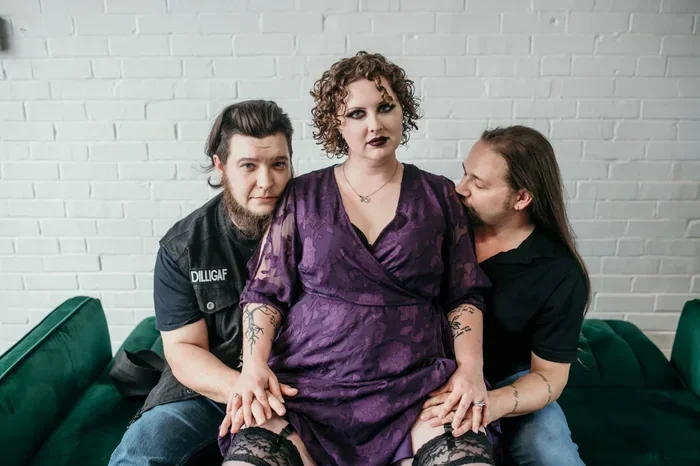
ENM meaning ethical non monogamy refers to relationship structures where all partners agree to have multiple romantic or sexual connections simultaneously. This comprehensive guide breaks down everything beginners need to know about ethical non-monogamy, including its core principles, different styles, communication strategies, and practical tips for navigating multiple relationships with honesty, consent, and mutual respect.
If you’ve been scrolling through dating apps or relationship forums lately, you’ve probably stumbled across the acronym ENM and wondered what it means. You’re not alone. ENM meaning ethical non monogamy is one of the most searched relationship terms today, and for good reason. More people than ever are exploring alternatives to traditional monogamy. But ethical non-monogamy isn’t just a trendy buzzword. It’s a thoughtful, intentional approach to relationships built on honesty, consent, and open communication. Whether you’re curious about opening your current relationship, considering ENM for your next partnership, or simply want to understand what it’s all about, this guide will walk you through everything you need to know. By the end, you’ll have a clear understanding of what ethical non-monogamy looks like in practice, the different forms it takes, and how people navigate multiple loving relationships successfully.
Key Takeaways
- ENM means Ethical Non-Monogamy: It’s an umbrella term for relationships where all parties consent to having multiple romantic or sexual partners.
- Consent is the foundation: Unlike cheating, ENM requires full transparency, honest communication, and enthusiastic agreement from everyone involved.
- Multiple relationship styles exist: Polyamory, open relationships, swinging, and relationship anarchy all fall under the ENM umbrella.
- Communication is non-negotiable: Successful ENM requires ongoing dialogue about boundaries, feelings, needs, and expectations.
- Jealousy is normal and manageable: ENM practitioners learn to process jealousy as information rather than a threat to the relationship.
- There’s no single right way: Each ENM relationship is unique and customized through agreements between the people involved.
- It’s not about lacking commitment: People in ENM relationships often experience deep, meaningful connections with multiple partners simultaneously.
📑 Table of Contents
- What Does ENM Mean? The Core Definition
- How Ethical Non-Monogamy Differs From Cheating
- Types of Ethical Non-Monogamy You Should Know
- Core Principles That Guide Ethical Non-Monogamy
- Getting Started With Ethical Non-Monogamy
- Common Challenges and How to Navigate Them
- Building Strong Foundations in ENM Relationships
- Is Ethical Non-Monogamy Right for You?
- Final Thoughts on ENM Meaning Ethical Non-Monogamy
What Does ENM Mean? The Core Definition
ENM stands for Ethical Non-Monogamy. At its heart, it describes any relationship arrangement where people have multiple romantic or sexual partners simultaneously, with the full knowledge and consent of everyone involved. The “ethical” part is what makes all the difference. This isn’t about sneaking around or breaking trust. It’s about building relationships on a foundation of radical honesty.
Think of ENM as an umbrella term. Under that umbrella, you’ll find many different relationship styles and configurations. Some people practice polyamory, which emphasizes multiple loving relationships. Others prefer open relationships, where a primary couple agrees to see other people sexually or romantically. There are also relationship anarchists who reject hierarchical structures entirely.
The key word in ENM is ethical. Every person involved knows what’s happening. Everyone has a say in the boundaries and agreements. Nobody is deceived or manipulated. This stands in stark contrast to cheating, which involves secrecy and betrayal of trust.
It’s also worth noting that ethical non-monogamy isn’t new. Throughout human history and across cultures, people have practiced various forms of non-monogamous relationships. What’s changed is the language and framework we use to discuss it openly and without shame.
How Ethical Non-Monogamy Differs From Cheating

Visual guide about polyamory love
Image source: workscounselingcenter.com
This is perhaps the most important distinction for beginners to understand. Many people confuse ENM with cheating because both involve multiple partners. But the difference is enormous and comes down to one critical element: consent.
The Role of Consent in ENM
In ethical non-monogamy, every person involved gives informed, enthusiastic consent. Partners discuss their desires, set clear boundaries, and agree on the terms of their relationship structure. Nobody is kept in the dark. Nobody’s trust is violated.
Cheating, on the other hand, involves deception. One partner makes decisions that affect the other without their knowledge or agreement. It breaks the established rules of the relationship and causes genuine harm.
Transparency vs. Secrecy
ENM practitioners value transparency. They share information about other partners, discuss their feelings openly, and maintain honest communication even when conversations get uncomfortable. This transparency builds trust rather than destroying it.
Respect for All Partners
In ENM, every person in the relationship ecosystem is treated with respect. Their feelings matter. Their boundaries are honored. Their autonomy is valued. This mutual respect is what makes the “ethical” in ethical non-monogamy meaningful.
Types of Ethical Non-Monogamy You Should Know

Visual guide about polyamory love
Image source: as2.ftcdn.net
One of the biggest misconceptions about ENM is that it looks the same for everyone. In reality, there are many different ways to practice ethical non-monogamy. Each style has its own characteristics, and people choose the approach that best fits their needs and values.
Polyamory: Multiple Loving Relationships
Polyamory is perhaps the most well-known form of ENM. The word literally means “many loves.” People who practice polyamory seek to maintain multiple romantic relationships simultaneously, with the knowledge and consent of all involved. These relationships can be deeply committed and emotionally intimate, not just physical.
Polyamorous people might have a primary partner and secondary partners, or they might reject hierarchy altogether. Some form triads or quads, where three or four people are all romantically involved with each other. Others maintain separate, independent relationships that don’t intersect.
Open Relationships
An open relationship typically describes a couple who agrees to have sexual connections with other people outside their primary partnership. The emotional commitment remains between the two primary partners, while sexual experiences with others are permitted and sometimes encouraged.
Open relationships can be structured in many ways. Some couples only play together, such as swinging. Others have permission to see other people independently. The specific rules vary from couple to couple.
Swinging
Swinging is a social activity where committed couples engage in sexual activities with other couples or individuals, often in social settings. It’s typically more sex-focused than emotionally focused, though friendships within the swinging community are common.
Relationship Anarchy
Relationship anarchy takes ENM principles even further. Practitioners reject traditional relationship hierarchies and social expectations entirely. They believe each relationship should be defined by the people in it, not by societal norms. A relationship anarchist might have deep romantic connections, close friendships, and sexual partnerships all given equal weight and importance.
Monogamish Relationships
Coined by relationship columnist Dan Savage, “monogamish” describes couples who are mostly monogamous but allow for occasional exceptions. This might mean flirting is okay, kissing others at parties is fine, or having sex with others under specific circumstances is permitted.
Core Principles That Guide Ethical Non-Monogamy

Visual guide about polyamory love
Image source: ichef.bbci.co.uk
Regardless of which specific form of ENM someone practices, certain core principles guide all ethical non-monogamous relationships. These principles are what keep things healthy, respectful, and sustainable.
Communication Above All Else
If there’s one skill that matters most in ENM, it’s communication. People in ENM relationships talk about everything. They discuss their feelings, their boundaries, their fears, and their desires. They check in regularly. They have difficult conversations instead of avoiding them.
This level of communication isn’t natural for most people at first. It takes practice and intentionality. But over time, ENM practitioners often develop communication skills that far exceed those of many monogamous couples.
Negotiating Boundaries and Agreements
Every ENM relationship has agreements. These might include rules about safer sex practices, how much information is shared about other partners, whether friendships with exes are acceptable, or how much time is spent with different partners.
The key is that these agreements are negotiated, not imposed. Everyone has input. Agreements can be revisited and revised as circumstances change. What works today might not work next month, and that’s okay.
Managing Jealousy Constructively
Here’s a truth that surprises many beginners: people in ENM relationships experience jealousy too. The difference is they’ve learned to process it differently. Instead of viewing jealousy as proof that something is wrong, they treat it as information.
Jealousy often points to an unmet need, an insecurity, or a boundary that needs attention. By exploring what’s underneath the feeling, ENM practitioners can address the root cause rather than simply reacting to the emotion.
Compersion: The Flip Side of Jealousy
Compersion is a concept unique to ENM communities. It describes feeling joy when your partner experiences happiness with another person. It’s sometimes called the opposite of jealousy. While compersion doesn’t come naturally to everyone, many ENM practitioners find that it grows over time as they become more secure in their relationships.
Getting Started With Ethical Non-Monogamy
If you’re considering ENM for yourself, it’s important to approach it thoughtfully. Jumping in without preparation is a recipe for hurt feelings and broken trust. Here’s how to get started on the right foot.
Do Your Inner Work First
Before opening up any relationship, spend time understanding your own motivations. Why are you interested in ENM? What do you hope to gain? What are your fears? Being honest with yourself about your desires and insecurities will help you communicate more clearly with your partner.
Start With Honest Conversations
If you’re currently in a relationship, the first step is talking to your partner. This conversation should be approached with care, empathy, and zero pressure. Share your thoughts and feelings, and genuinely listen to your partner’s perspective. They might be enthusiastic, hesitant, or completely opposed. All of those reactions are valid.
Educate Yourself Together
Read books, listen to podcasts, and explore resources about ENM together. Some excellent starting points include “The Ethical Slut” by Dossie Easton and Janet Hardy, “More Than Two” by Franklin Veaux and Eve Rickert, and “Polysecure” by Jessica Fern. Learning together creates a shared language and understanding.
Go Slow
There’s no rush. Many successful ENM relationships started with months of conversation before any outside connections were made. Take time to establish agreements, build trust in the new framework, and process emotions as they arise.
Establish Clear Agreements
Write down your agreements if that helps. Be specific about what’s okay and what isn’t. Discuss safer sex practices, disclosure expectations, time management, and emotional boundaries. Remember that agreements can always be renegotiated as you learn and grow.
Common Challenges and How to Navigate Them
ENM isn’t always easy. Like any relationship style, it comes with challenges. Being aware of these potential pitfalls can help you navigate them more effectively.
Time Management and Scheduling
When you’re maintaining multiple relationships, time becomes a precious resource. You need to balance quality time with each partner while also preserving time for yourself. This requires intentional scheduling and honest conversations about priorities.
Dealing With Stigma
Unfortunately, ENM still carries social stigma. Friends, family, and coworkers might not understand or approve. Finding a supportive community of like-minded people can make a tremendous difference. Online forums, local meetups, and social media groups provide connection and validation.
New Relationship Energy (NRE)
When a new relationship begins, it’s normal to feel an intense rush of excitement and infatuation. In ENM, this “new relationship energy” can sometimes overshadow existing relationships. Being aware of NRE and consciously maintaining your existing connections helps keep balance.
Safer Sex Practices
With multiple partners comes increased responsibility around sexual health. Regular STI testing, honest discussions about sexual history, and consistent barrier use are essential components of ethical non-monogamy. Make safer sex a non-negotiable part of your agreements.
Emotional Overwhelm
Managing multiple emotional connections can be draining, especially in the beginning. It’s important to recognize your limits and communicate when you need space or downtime. Self-care isn’t selfish in ENM. It’s necessary.
Building Strong Foundations in ENM Relationships
The most successful ENM relationships share certain qualities. They’re built on trust, nurtured through communication, and strengthened by mutual respect.
Prioritize Your Existing Relationships
If you’re opening an existing relationship, make sure the foundation is solid first. ENM has a way of revealing cracks that already exist. If your communication is poor or trust is shaky, adding more people to the mix will amplify those problems rather than solve them.
Create Rituals of Connection
Regular date nights, check-in conversations, and shared rituals help maintain intimacy and connection. These small, consistent actions matter more than grand gestures. They remind each partner that they’re valued and prioritized.
Practice Radical Honesty
In ENM, honesty isn’t just about disclosing other partners. It’s about being truthful with yourself and others about your feelings, even when it’s uncomfortable. If something bothers you, say so. If your needs aren’t being met, speak up. If you’re struggling, ask for help.
Celebrate Each Other’s Joy
One of the beautiful aspects of ENM is the capacity for compersion. When your partner finds happiness with someone else, try to genuinely celebrate that joy. It doesn’t mean your own feelings don’t matter. It means you’ve built a relationship strong enough to hold space for complexity.
Seek Community Support
You don’t have to figure everything out alone. The ENM community is vast and welcoming. Connect with others who share their experiences, offer advice, and provide perspective. Whether online or in person, community support is invaluable.
Understanding different relationship dynamics can also deepen your appreciation for the diverse ways people connect. For instance, exploring the meaning of platonic friendship and why it matters can help you appreciate the full spectrum of meaningful connections in your life, which is especially relevant when navigating ENM relationships where boundaries between friendship and romance can sometimes blur.
Is Ethical Non-Monogamy Right for You?
There’s no universal answer to this question. ENM works beautifully for some people and isn’t the right fit for others. Neither choice is superior. What matters is finding the relationship structure that aligns with your values, needs, and authentic self.
Signs ENM Might Be a Good Fit
- You feel capable of loving more than one person simultaneously
- You value autonomy and personal freedom highly
- You’re an excellent communicator or willing to become one
- You’re comfortable discussing feelings, including difficult ones
- You don’t experience possessiveness as a core part of your identity
- You’re genuinely happy when your partner experiences joy, even with others
Signs ENM Might Not Be Right for You
- Monogamy is a deeply held personal or cultural value
- Jealousy feels overwhelming and unmanageable for you
- You prefer simplicity and minimal complexity in relationships
- You’re only considering ENM to save a struggling relationship
- You feel pressured by a partner rather than genuinely interested yourself
Remember, choosing monogamy is just as valid as choosing ENM. The goal isn’t to conform to any particular relationship style. It’s to find what genuinely makes you and your partner happiest.
When it comes to showing appreciation across multiple relationships, thoughtful gestures matter. Consider exploring small romantic gifts with big meaning as a way to nurture each unique connection in your life.
Final Thoughts on ENM Meaning Ethical Non-Monogamy
ENM meaning ethical non monogamy represents a fundamental shift in how we think about love, commitment, and relationships. It challenges the assumption that one person should meet all our needs and that love is a finite resource. Instead, it embraces the beautiful complexity of human connection.
Ethical non-monogamy isn’t easy. It requires more communication, more self-awareness, and more emotional labor than many traditional relationships. But for those who practice it authentically, the rewards are profound. Deeper self-knowledge, stronger communication skills, meaningful connections with multiple people, and relationships built on genuine choice rather than default expectations.
Whether you ultimately choose ENM or monogamy, understanding different relationship structures makes you a more empathetic, informed person. It opens your mind to the vast diversity of human experience and helps you approach your own relationships with greater intentionality.
The most important thing is to be honest with yourself and everyone you’re involved with. That’s what the “ethical” in ENM truly means. It’s not about following a specific set of rules. It’s about showing up with integrity, compassion, and respect for every person in your relational world, including yourself.
Frequently Asked Questions
What does ENM stand for in dating?
ENM stands for Ethical Non-Monogamy. In dating, it refers to the practice of having multiple romantic or sexual relationships simultaneously, with the full knowledge and consent of everyone involved. The ethical component means all parties are honest about the arrangement and no one is deceived.
What is the difference between polyamory and ENM?
ENM is the broader umbrella term that encompasses all consensual non-monogamous relationship styles. Polyamory is one specific type of ENM that focuses on having multiple loving, romantic relationships. Other forms of ENM include open relationships, swinging, and relationship anarchy.
How do you tell your partner you want to try ENM?
Start by doing your own inner work to understand your motivations clearly. Then approach your partner in a calm, pressure-free setting. Share your thoughts honestly, listen to their feelings without defensiveness, and give them time to process. Consider reading books or attending workshops together to explore the concept as a team.
Is ethical non-monogamy the same as cheating?
No, they are fundamentally different. Cheating involves secrecy, deception, and violation of agreed-upon relationship boundaries. ENM requires full transparency, informed consent, and honest communication from all parties. The presence of consent and honesty is what makes non-monogamy ethical.
Can ENM relationships be successful long-term?
Yes, many ENM relationships thrive for years and even decades. Success depends on strong communication skills, mutual respect, clear agreements, and a willingness to continually work on the relationship. Like any relationship format, ENM requires effort, intentionality, and emotional maturity to sustain over time.
How do you handle jealousy in ethical non-monogamy?
Jealousy is a normal human emotion that ENM practitioners learn to process constructively. Instead of suppressing it or using it as proof that ENM is wrong, they explore what the jealousy reveals about their needs or insecurities. Open communication with partners, self-reflection, and sometimes professional support help manage jealousy effectively.
