
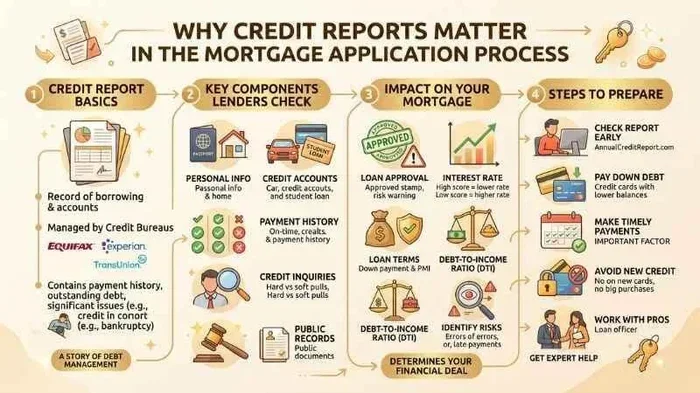
Most mortgage lenders review your credit history for the past two to seven years, depending on the loan type and your financial profile. They focus heavily on recent payment patterns, debt levels, and major credit events like bankruptcies or foreclosures. Understanding how far back do mortgage lenders look at credit history helps you prepare stronger applications and avoid surprises during underwriting. You can improve your chances by cleaning up old debts, maintaining steady payments, and monitoring your reports early.
Buying a home is one of the biggest financial steps you will ever take. Before a lender approves your loan, they dig into your past money habits. Many people ask how far back do mortgage lenders look at credit history because they want to know what will show up on their reports. The answer is not a single number. It depends on the loan program, the lender, and your overall financial picture. In most cases, underwriters focus on the last two to seven years, but certain events can leave a longer shadow.
This guide breaks down the review process in plain language. You will learn what lenders actually check, which items matter most, and how different loan types handle past credit issues. We will also share practical steps you can take today to strengthen your application. Whether you are buying your first home or returning to the market after a rough patch, understanding the timeline helps you plan with confidence.
Key Takeaways
- Standard review window: Lenders typically examine 2-7 years of credit history, with most focus on the last 24-36 months.
- Major events linger longer: Bankruptcies, foreclosures, and short sales can remain visible for 7-10 years and affect eligibility.
- Recent behavior matters most: Payment history, credit utilization, and new inquiries in the past 1-2 years carry heavy weight.
- Loan types differ: Conventional, FHA, VA, and USDA loans each have unique credit history requirements and waiting periods.
- Repair is possible: Paying down balances, fixing errors, and avoiding new debt can improve your profile before applying.
- Documentation helps: Letters of explanation and proof of on-time rent or utility payments can support borderline cases.
- Early preparation pays off: Checking reports 6-12 months ahead gives you time to address issues and strengthen your application.
📑 Table of Contents
- How Far Back Do Mortgage Lenders Look at Credit History
- The Review Window Lenders Use Most
- Negative Marks and How Long They Stay Visible
- Loan Type Differences in Credit History Review
- What Lenders Focus On Most During Underwriting
- Common Mistakes That Hurt Mortgage Approval
- Expert Insights on Credit History and Mortgage Readiness
- Key Takeaways Before You Apply
How Far Back Do Mortgage Lenders Look at Credit History
When you apply for a home loan, the lender orders a tri-merge credit report. This report pulls data from the three major bureaus and shows your accounts, balances, and payment records. Most underwriters spend the most time on the recent two to three years. They want to see steady habits, not just a clean snapshot from long ago. That said, the report itself often contains up to seven years of detailed history for many items.
So, how far back do mortgage lenders look at credit history in practice? For routine accounts, two to three years of on-time payments usually satisfies them. For negative marks, the clock can stretch much longer. Late payments, collections, and charge-offs generally stay on your report for seven years. Some public records, like bankruptcies, can remain for ten years depending on the chapter filed. Lenders do not ignore older items, but they weigh recent behavior more heavily.
Think of it like a school report card. A teacher cares about your last few tests, but a pattern of missed assignments from years ago still matters if it repeats. Mortgage underwriters work the same way. They look for consistency. If your recent history shows reliable payments and manageable debt, older bumps often fade into the background. If your recent history is shaky, older issues can compound the concern.
What Appears on a Mortgage Credit Report
Your tri-merge report includes several key sections. Each one tells a part of your financial story. Here is what underwriters usually review:
- Payment history: On-time payments, late payments, and missed payments across credit cards, loans, and other accounts.
- Balances and limits: Current balances, credit limits, and utilization rates that show how much of your available credit you use.
- Account ages: The date each account opened, which helps lenders see how long you have managed credit.
- Inquiries: Recent hard pulls from lenders, which can signal new applications for credit.
- Public records: Bankruptcies, tax liens, judgments, and in some cases, foreclosures or deeds in lieu of foreclosure.
Underwriters do not just scan numbers. They look for patterns. A single thirty-day late payment from two years ago may not sink your application if everything else is strong. A cluster of recent late payments, however, raises red flags. The same logic applies to high balances. If your utilization spikes right before applying, lenders may see added risk.
The Review Window Lenders Use Most
Most lenders build their underwriting guidelines around a core review window. This window is where they expect to see stable behavior. While how far back do mortgage lenders look at credit history can stretch longer for certain events, the practical focus is usually the last twenty-four to thirty-six months. During this period, they check for:

Visual guide about mortgage lender reviewing credit report
Image source: finhelp.io
- Consistent on-time payments across major accounts
- Stable or decreasing debt balances
- No new delinquencies or collections
- Reasonable credit utilization, often below thirty percent
- Minimal recent hard inquiries that suggest new debt shopping
If your file looks solid in this window, many lenders will feel comfortable moving forward. If they see gaps, they may ask for explanations. A letter of explanation can clarify a one-time issue, such as a medical bill that went to collections during an emergency. Context matters. Underwriters are human, and they often respond well to clear, honest explanations backed by evidence.
Why Recent History Carries More Weight
Recent behavior is a better predictor of near-term risk. A lender wants to know that you can handle the monthly mortgage payment over the next few years. If your last two years show discipline, that signals stability. If your recent months show rising debt or missed payments, the lender may worry that the pattern will continue. This is why people who are planning to apply often pause major credit moves several months ahead.
For example, opening a new car loan right before a mortgage application can change your debt-to-income ratio and add a hard inquiry. Both can affect approval or pricing. Similarly, maxing out a credit card before the statement closes can push your utilization high on the report date. Small timing choices can make a noticeable difference.
Negative Marks and How Long They Stay Visible
Negative items do not disappear overnight. Many stay on your report for seven years from the date of first delinquency. Bankruptancies can remain for seven to ten years, depending on the type. Foreclosures and short sales often appear for seven years as well. This is a key part of understanding how far back do mortgage lenders look at credit history, because these events can affect program eligibility even after your credit score improves.

Visual guide about mortgage lender reviewing credit report
Image source: uk-mortgagebroker.co.uk
That said, time does help. As negative items age, their impact on your score often lessens. Lenders also consider whether you have rebuilt since the event. A borrower who experienced a foreclosure five years ago but has maintained perfect payments since may qualify for certain programs. A borrower with the same foreclosure but recent late payments may face more scrutiny. The timeline matters, but so does what you did after the setback.
Common Negative Items and Typical Timelines
Here is a simple comparison of common items and how long they generally remain relevant on credit reports:
| Item | Typical Report Window | Lender Focus |
|---|---|---|
| Late payments | Up to 7 years | Heavy focus on last 2-3 years |
| Collections and charge-offs | Up to 7 years | Recent ones weigh more; older ones still visible |
| Foreclosure | Up to 7 years | Can affect program waiting periods |
| Short sale | Up to 7 years | Similar to foreclosure in many guidelines |
| Chapter 7 bankruptcy | Up to 10 years | Often requires a waiting period for loans |
| Chapter 13 bankruptcy | Up to 7 years | May allow faster re-entry than Chapter 7 |
This table shows that visibility and eligibility are not the same thing. An item can remain visible for years, but a lender may still approve you if program rules allow it and your recent history is strong. That is why it helps to know the specific guidelines for the loan you want.
Loan Type Differences in Credit History Review
Not all home loans follow the same rules. Conventional loans, FHA loans, VA loans, and USDA loans each have their own expectations. These differences shape how far back do mortgage lenders look at credit history and what they accept after financial hardship. While lenders can add their own overlays, the base programs provide a helpful starting point.

Visual guide about mortgage lender reviewing credit report
Image source: data.bloggingrightalong.com
Conventional Loans
Conventional loans are not insured by the government. They often require stronger credit profiles and may be stricter about recent delinquencies. Many lenders want to see no major late payments in the last twelve to twenty-four months. A clean recent window is especially important. Older issues may be acceptable if your score and debt levels are solid.
FHA Loans
FHA loans are designed to help more buyers qualify. They can be more flexible with past credit problems, but they still care about recent behavior. Guidelines may allow manual underwriting for borrowers with unique situations. In those cases, lenders may look closely at rent payments, utility history, and explanations for older issues. The review still centers on whether you can reliably make the mortgage payment.
VA and USDA Loans
VA loans serve eligible service members and veterans. USDA loans target eligible rural and suburban buyers. Both programs can offer favorable terms and may allow more flexibility in certain credit situations. Still, lenders want to see a reasonable recent track record. They may consider alternative data if traditional credit history is thin. This can include consistent rent payments or other recurring obligations.
Thin Files and Alternative Data
Some applicants have limited credit history. This is common for young buyers or people who have used cash mostly. In these cases, lenders may look at alternative evidence of responsibility. They might review bank statements, rental history, or utility payments. A thin file does not automatically mean a no. It often means the underwriter needs more context to assess risk.
What Lenders Focus On Most During Underwriting
Beyond the timeline, underwriters look for specific signals. They want to know that you can handle the new payment without strain. Here are the main factors they evaluate:
- Payment consistency: A track record of on-time payments on mortgages, auto loans, credit cards, and other accounts.
- Debt-to-income ratio: The share of your gross income that goes toward monthly debt obligations, including the new mortgage.
- Credit utilization: How much of your available credit you are using, which affects risk and scoring.
- Recent inquiries: New applications for credit that may signal added borrowing soon.
- Public records and major events: Bankruptcies, foreclosures, judgments, and liens that affect eligibility and waiting periods.
- Stability: Steady employment, consistent housing history, and reasonable financial reserves.
These factors work together. A strong score cannot fully hide a high debt load. A low utilization cannot fully offset a recent foreclosure. Underwriters balance the whole picture. That is why preparing all parts of your financial profile matters, not just one number.
Quick Tips to Strengthen Your Credit Before Applying
If you plan to apply in the next several months, a few focused actions can help:
- Pay all bills on time, every time, for at least the next two to three billing cycles.
- Reduce credit card balances so utilization is lower when statements close.
- Avoid opening new credit accounts unless necessary.
- Check your reports for errors and dispute inaccuracies promptly.
- Keep old accounts open to preserve account age and available limits.
- Gather proof of on-time rent, utilities, or insurance payments if your file is thin.
Common Mistakes That Hurt Mortgage Approval
Many applicants make simple mistakes that complicate underwriting. Avoiding these pitfalls can save time and stress. Below are common errors and better alternatives.
Mistake: Waiting Until the Last Minute
Some people check their credit only after finding a house. That leaves no time to fix errors or improve habits. A better approach is to review your reports six to twelve months ahead. This gives you a realistic view and time to act.
Mistake: Paying Off Debt the Wrong Way
Paying down balances is usually helpful, but timing matters. If you close older cards after paying them off, you may reduce your total available credit and shorten your average account age. In some cases, that can hurt your score. A better move is to pay down balances while keeping accounts open, unless a card has a high fee that outweighs the benefit.
Mistake: Ignoring Small Errors
Mistakes on credit reports happen more often than many people realize. A wrong late payment or an account that does not belong to you can drag down your profile. Dispute errors as soon as you find them. Provide clear documentation and follow up until the issue is resolved.
Mistake: Making Big Financial Moves Before Closing
After you apply, keep your financial life steady. Do not open new loans, move large sums, or change jobs if you can avoid it. Lenders may recheck your credit and verify your employment before closing. Unexpected changes can delay or derail approval.
Expert Insights on Credit History and Mortgage Readiness
Experienced loan officers often say the same thing: consistency beats perfection. A borrower with a few older blemishes but strong recent habits can still qualify. A borrower with a decent score but recent instability may face more questions. The goal is to show that you can manage credit responsibly over time, especially in the months leading up to the application.
Experts also recommend documenting anything unusual. If you had a medical emergency, a temporary job gap, or a one-time late payment due to a bank error, a concise letter of explanation can help. Attach supporting documents when possible. Clear context can turn a confusing mark into a understandable event.
Another useful insight is to compare loan programs early. If one program has stricter credit history rules, another may fit your situation better. A knowledgeable lender can explain options without pushing you toward the first product they mention. The right fit often depends on your full profile, not just your score.
Key Takeaways Before You Apply
Understanding how far back do mortgage lenders look at credit history helps you prepare with less anxiety. Most lenders focus on the last two to three years, while many negative items can remain visible for seven years or more. Recent payment behavior, debt levels, and program rules shape the outcome more than any single number. If you give yourself time, review your reports, and keep your finances steady, you can present a clearer and stronger application.
Remember that credit history is one part of a larger picture. Lenders also consider income, employment, reserves, and the property itself. When you know what they look for, you can make smarter choices before and during the process. That preparation often leads to smoother underwriting and better confidence as you move toward closing.
Frequently Asked Questions
How many years of credit history do mortgage lenders usually review?
Most lenders focus on the last two to three years of payment history, though your report may show up to seven years of detailed information. They care most about recent behavior, but older items can still appear and affect eligibility.
Do lenders see bankruptcies and foreclosures from many years ago?
Yes, many negative public records can remain visible for seven to ten years depending on the event and the bureau. Even if they are older, they may affect program waiting periods, so lenders often note them during review.
Will a single late payment from two years ago ruin my application?
Not necessarily. One older late payment may be acceptable if the rest of your history is strong and your recent payments are on time. Underwriters usually weigh patterns more than isolated events.
Can I qualify if I have a thin credit file?
Sometimes yes. Lenders may consider alternative evidence such as consistent rent, utility payments, or bank statements. A thin file does not automatically mean denial, but it may require more documentation.
Should I pay off all my credit cards before applying for a mortgage?
Lowering balances usually helps, but closing older accounts right away can sometimes reduce your available credit and shorten account age. A common approach is to pay down balances, keep accounts open, and let utilization drop before the report date.
What should I avoid doing after I apply for a mortgage?
Avoid opening new credit, taking on large debt, moving big sums of money, or changing jobs if possible. Lenders may recheck your credit and verify your finances before closing, so keeping things stable is important.