
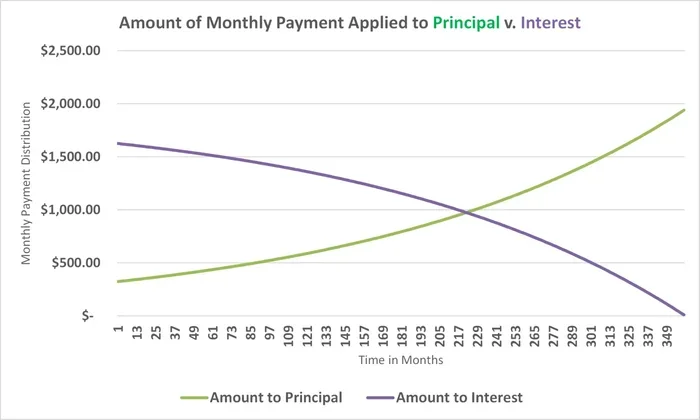
Can I make principal only payments on my mortgage? Yes, many lenders allow it, but you must request it correctly. These payments lower your loan balance faster, cut interest costs, and help you own your home sooner. Always check your loan terms and confirm how your servicer applies extra funds.
This is a comprehensive guide about Can I Make Principal Only Payments On My Mortgage.
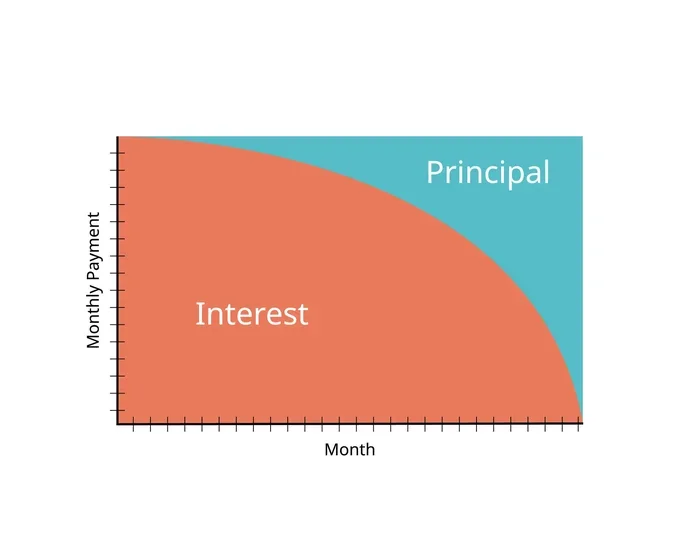
Visual guide about mortgage principal payment concept
Image source: static.vecteezy.com
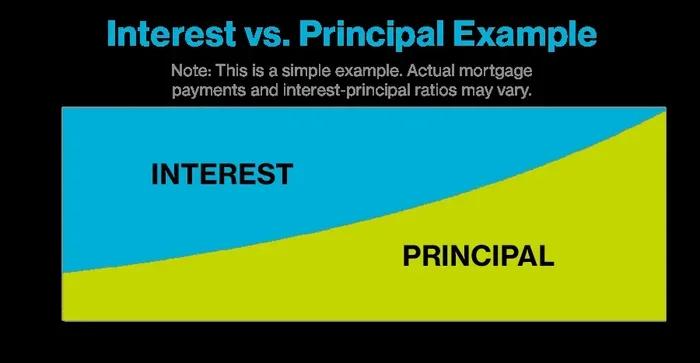
Visual guide about mortgage principal payment concept
Image source: tchabitat.org
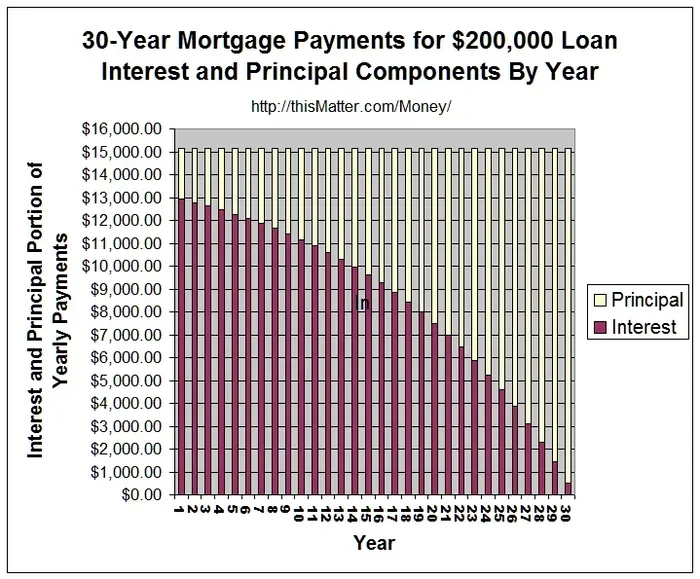
Visual guide about mortgage principal payment concept
Image source: thismatter.com
Key Takeaways
- Check your loan type first: Conventional loans often allow principal-only payments, while some government-backed loans may restrict them.
- Always specify the payment purpose: Label extra funds as principal-only to avoid them being applied to future interest or escrow.
- Extra payments save real money: Even small additional amounts reduce total interest and shorten your payoff timeline.
- Watch for prepayment penalties: Some older loans charge fees for early payoff, so review your closing documents carefully.
- Use trusted tools to plan: A mortgage calculator shows exactly how extra payments change your balance and payoff date.
- Keep records and follow up: Save payment confirmations and verify your loan balance updates correctly after each extra payment.
[FEATURED_IMAGE_PLACEHOLDER]
Can I Make Principal Only Payments on My Mortgage
Many homeowners ask can I make principal only payments on my mortgage when they want to pay off their house faster. The short answer is usually yes. Most lenders let you send extra money toward your loan balance. The key is telling them exactly how to use that money. If you do not specify, the extra amount may go toward future interest or your next month payment. That slows down your progress.
Paying extra on your mortgage is a smart money move. It lowers the total interest you pay over time. It also helps you build equity faster. You do not need to wait until you have a huge sum. Even small extra payments add up. The trick is to stay consistent and keep clear records. This guide walks you through how it works, what to watch for, and how to do it the right way.
Understanding Principal-Only Payments
When you send a regular mortgage payment, the money splits into three parts. One part covers interest. One part reduces the principal. Another part may fund your escrow account for taxes and insurance. A principal-only payment goes straight to the loan balance. It skips interest and escrow. This means your debt shrinks faster.
You can think of it like paying down a credit card balance early. The less you owe, the less interest builds. Mortgage loans work the same way. Your interest is calculated on the remaining balance. Lower the balance, and you pay less interest each month. Over years, this saves a lot of money.
How Lenders Apply Extra Funds
Lenders do not always apply extra money the way you expect. Some systems automatically push extra funds to next month interest. Others hold them in a suspense account. That is why you must designate the payment as principal-only. You can usually do this through your online portal, a phone call, or a written note with your check. Always get a confirmation number or email. Keep it for your records.
When Extra Payments Make the Most Sense
Extra payments work best when your loan has a fixed rate and no prepayment penalty. They also help when you have extra cash from bonuses, tax refunds, or side income. If your interest rate is high, paying extra gives you a strong return. If your rate is very low, you might prefer investing the money instead. Compare your loan rate with your possible investment returns before you decide.
Can I Make Principal Only Payments on My Mortgage With Different Loan Types
Not all loans handle extra payments the same way. Your loan type matters. Read your original closing papers or log into your servicer account. Look for terms like prepayment, extra payments, or principal reduction. Here is a quick look at common loan types.
Conventional Loans
Conventional loans usually allow principal-only payments. They rarely charge prepayment penalties. You can send extra money whenever you want. Just make sure you mark it clearly. Many borrowers use this option to shave years off a thirty-year loan.
FHA and VA Loans
Government-backed loans often permit extra payments too. FHA and VA loans generally do not penalize early payoff. Still, rules can vary by servicer. Some systems may apply extra funds to escrow first. Always verify the process with your loan servicer. A quick call can save confusion later.
Adjustable-Rate Mortgages
Adjustable-rate loans can be trickier. Your interest rate may change over time. Extra payments still reduce the balance, but the benefit can shift when rates reset. If you plan to sell or refinance soon, the impact may be smaller. If you plan to stay long term, extra payments still help.
Loans With Prepayment Penalties
Some older loans or specific niche products include a prepayment penalty. This fee charges you for paying off the loan early. It may apply if you pay a large lump sum within the first few years. Check your note for penalty clauses. If a penalty exists, run the numbers before you send extra money.
How to Make Principal-Only Payments the Right Way
You do not need fancy tools to start. You just need a clear process. Follow these steps to make sure your extra money works hard for you.
Step One: Confirm Your Servicer Rules
Log into your mortgage account or read your latest statement. Look for a section on extra payments or principal reduction. Some companies let you select a payment type online. Others require a written instruction. Write down the exact steps so you do not guess.
Step Two: Choose Your Amount and Timing
Decide how much you can afford to add each month or each year. You do not need a huge amount. Even one hundred dollars extra can move the needle. Pick a schedule you can keep. Consistency matters more than perfection.
Step Three: Label the Payment Clearly
When you send the money, mark it as principal-only. If you pay online, look for a checkbox or memo field. If you mail a check, write the instruction on the memo line. Include your loan number. Clear labeling prevents misapplication.
Step Four: Track Your Balance and Statements
After each extra payment, check your next statement. Make sure the principal dropped as expected. Save emails, screenshots, or confirmation numbers. If something looks wrong, call your servicer right away. Small errors happen, and fast follow-up fixes them.
The Real Benefits of Paying Extra on Your Mortgage
Paying extra is not just about being debt-free sooner. It brings several practical wins. Here are the biggest ones.
Lower Total Interest Costs
Interest is the cost of borrowing money. Your mortgage interest adds up over many years. Extra payments cut the balance faster. A smaller balance means less interest each month. Over time, this can save thousands of dollars. The exact amount depends on your rate, loan size, and how much you pay extra.
Faster Equity Growth
Equity is the part of your home you truly own. It grows when you pay down the loan and when your home value rises. Principal-only payments speed up the payoff side of equity. That gives you more financial flexibility later. You can borrow against equity, refinance, or sell with more profit.
More Monthly Cash Flow Later
When your loan ends early, your monthly payment disappears. That frees up cash for other goals. You can save for retirement, build an emergency fund, or enjoy more breathing room. Many families love the peace of mind that comes with a paid-off home.
Stronger Financial Confidence
Debt can feel heavy. Reducing your mortgage balance brings a sense of control. You see progress on your statement. You know you are moving forward. That motivation often spills into other money habits, like saving and budgeting.
Common Mistakes to Avoid With Extra Mortgage Payments
Even simple strategies can go sideways if you miss a detail. Here are the most common traps and how to skip them.
Not Specifying Principal-Only
This is the number one mistake. Extra money gets spread across future interest or escrow if you do not say otherwise. Always state your intent. Use the portal options, memo lines, or written instructions.
Ignoring Prepayment Penalties
Some loans charge a fee for early payoff. If you miss this clause, you could lose money. Review your loan documents before you send a large lump sum. If a penalty applies, compare the cost with the interest savings.
Draining Your Emergency Fund
Do not pour every extra dollar into your mortgage if it leaves you cash-poor. Keep a safety net for repairs, job changes, or medical bills. A balanced plan protects you while still reducing debt.
Forgetting to Verify the Application
Assume nothing. Check your next statement. Confirm the principal dropped. If the payment landed in the wrong place, fix it quickly. Records and confirmations make this easier.
Focusing Only on the Mortgage
Sometimes other debts cost more. High-interest credit cards or personal loans may deserve priority. Look at the full picture. Tackle the most expensive debt first, then pour extra cash into your mortgage.
Quick Tips for Smart Principal-Only Payments
Use these simple habits to keep your plan on track.
- Set up alerts: Turn on payment confirmations and statement notifications.
- Automate when possible: Some servicers let you schedule recurring extra payments.
- Use windfalls wisely: Tax refunds, bonuses, and gifts can make great lump-sum payments.
- Revisit your plan yearly: Life changes, and your extra payment amount may need to change too.
- Keep a simple spreadsheet: Track dates, amounts, and new balances. It helps you see progress.
Expert Insights on Paying Down Your Mortgage
Money experts often say the best extra-payment plan is the one you can sustain. A small, steady amount usually beats a big one-time push that never repeats. They also suggest comparing your mortgage rate with other financial goals. If your rate is low, investing may offer a better long-term return. If your rate is high, paying extra feels like a guaranteed win.
Another smart move is to align extra payments with your life rhythm. Some people add a little each month. Others prefer one annual lump sum. Both can work. The best choice is the one that fits your budget and your habits. Clarity and consistency matter most.
If you ever feel unsure about your loan terms, ask for help. A housing counselor, a fee-only financial planner, or a trusted mortgage professional can review your numbers. You do not need to guess. Good information leads to better decisions.
Key Takeaways for Your Mortgage Strategy
Before you send extra money, remember these points.
- Know your loan rules: Check for prepayment penalties, escrow handling, and principal-only options.
- Label every extra payment: Clear instructions keep your money working where you want it.
- Track results: Verify your balance drops and save your confirmations.
- Balance your goals: Keep an emergency fund and compare your mortgage rate with other priorities.
- Stay consistent: A simple, repeatable plan often works better than a complex one.
Final Thoughts on Principal-Only Payments
So, can I make principal only payments on my mortgage? In most cases, yes. The real work is making sure your extra money goes to the right place. When you label the payment, track the results, and avoid common mistakes, you put yourself in a stronger financial position. You save interest, build equity, and move closer to owning your home free and clear.
Take a few minutes to review your loan documents and servicer options. Choose an extra payment amount that feels comfortable. Then make it a habit. Small steps, repeated over time, create real momentum. Your future self will thank you for starting today.
Can I make principal-only payments on any mortgage?
Most mortgages allow extra payments, but you must confirm your loan terms. Some loans may apply extra funds to interest or escrow unless you specify principal-only.
Do I need to tell my lender I want principal-only payments?
Yes, you should always state your intent clearly. Use your online portal, a memo line, or a written note so the extra money reduces your loan balance.
Will extra payments lower my monthly mortgage payment?
Extra payments usually do not change your required monthly payment. They reduce your balance faster and cut total interest, which can help you pay off the loan early.
Are there fees for paying extra on my mortgage?
Many loans have no extra-payment fees, but some include prepayment penalties. Review your closing documents or ask your servicer before sending a large lump sum.
How much extra should I pay each month?
Pay whatever amount fits your budget and leaves you secure. Even a small recurring extra payment can save interest and shorten your payoff timeline.
What if my extra payment is applied to the wrong part of my loan?
Check your next statement and contact your servicer right away. Share your confirmation details and ask them to reapply the funds to principal.
Frequently Asked Questions
What is Can I Make Principal Only Payments On My Mortgage?
Can I Make Principal Only Payments On My Mortgage is an important topic with many practical applications.