
Understanding and supporting a partner with a disorganized attachment style requires patience, consistency, and emotional awareness. Unlike other attachment styles, this pattern often stems from early trauma or fear-based relationships, making trust and stability essential for healing. By creating a safe environment, practicing empathy, and setting healthy boundaries, you can help your partner feel secure and loved.
Key Takeaways
- Disorganized attachment often results from trauma or inconsistent caregiving in childhood. This makes forming secure adult relationships especially difficult due to deep-seated fears of abandonment and rejection.
- Your calm presence can act as an anchor during moments of emotional overwhelm. People with disorganized attachment may react strongly to stress, so staying grounded helps de-escalate tension.
- Consistency builds trust over time—small, reliable actions matter more than grand gestures. Predictable behavior reassures your partner that you’re not going to disappear or hurt them.
- Setting clear boundaries protects both of you while showing respect for their needs. Boundaries aren’t walls; they’re guides that help maintain emotional safety.
- Encouraging professional therapy supports long-term healing and growth. A trained therapist can help your partner process past wounds and develop healthier relational patterns.
- Practice self-care to avoid burnout—supporting someone with disorganized attachment is emotionally demanding. You can’t pour from an empty cup, so prioritize your own well-being too.
📑 Table of Contents
- How to Be with Someone with a Disorganized Attachment Style
- Understanding Disorganized Attachment: What It Really Means
- Creating Emotional Safety: The Foundation of Connection
- Building Trust Through Consistency and Patience
- Supporting Their Healing Journey
- Protecting Yourself Along the Way
- Long-Term Outlook: Can This Work?
- Conclusion: Love Is a Practice, Not a Performance
How to Be with Someone with a Disorganized Attachment Style
If you’re in a relationship with someone who struggles with emotional regulation, sudden mood shifts, or unpredictable reactions—especially under stress—you might be wondering what’s really going on beneath the surface. It could be that your partner has a disorganized attachment style, which affects how they relate to others, especially in close relationships like romantic partnerships.
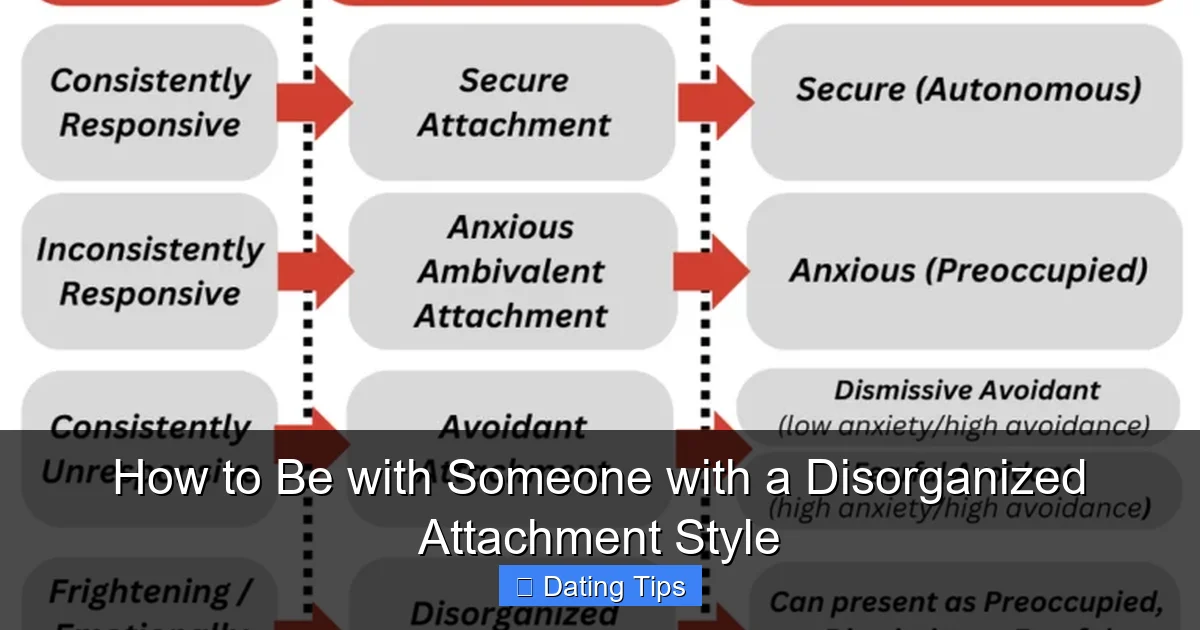
Unlike anxious or avoidant attachment styles (which follow more predictable patterns), disorganized attachment doesn’t fit neatly into categories. Instead, it emerges from experiences of fear without solution—like growing up around caregivers who were both sources of comfort and fear (e.g., abuse, neglect, or extreme inconsistency). As adults, these individuals often feel torn between needing closeness and fearing it. They may love deeply but pull away when things get real, or become overwhelmed by emotions they don’t know how to manage.
Being with someone who has this attachment style isn’t always easy. One moment they’re warm and engaged; the next, they’re distant or even angry without clear reason. But understanding where this comes from—and responding with compassion instead of frustration—can make all the difference. With patience, empathy, and intentional effort, you can help create the kind of stable, loving environment that fosters healing and deeper connection.
Understanding Disorganized Attachment: What It Really Means
The Roots of Disorganized Attachment
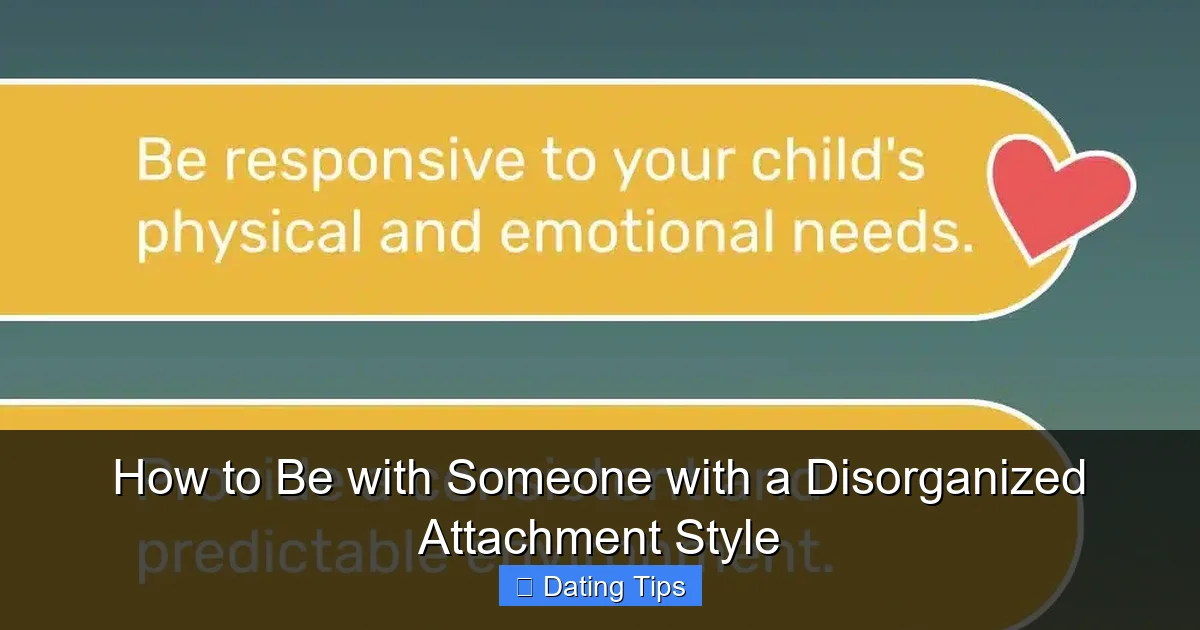
Disorganized attachment develops when a child grows up in an environment where their primary caregiver was simultaneously a source of comfort and fear. Think of parents who were loving but also unpredictable—sometimes nurturing, sometimes angry, sometimes absent. Or perhaps there was domestic violence, mental illness, substance use, or severe emotional instability in the home. In such cases, the child learns that seeking safety through the caregiver actually brings danger instead.
Visual guide about How to Be with Someone with a Disorganized Attachment Style
Image source: getgoally.com
This creates a confusing internal map: “I need you to survive, but you might hurt me.” Over time, this leads to disorganized patterns in how the person relates as an adult. They may crave intimacy but panic when it gets close. They might oscillate between clinginess and pushback, or shut down completely during conflict. Their nervous system isn’t wired for safety—it’s stuck in a loop of fight, flight, freeze, or fawn responses.
Common Signs in Adult Relationships
While everyone expresses attachment differently, here are some behaviors commonly seen in people with disorganized attachment:
- Sudden emotional outbursts—crying, yelling, or shutting down without warning
- Inconsistent availability—sometimes deeply present, then suddenly distant or preoccupied
- Difficulty trusting your intentions—doubting whether you truly care or will leave
- Fear of abandonment mixed with push-pull behavior—getting close and then pulling back to test your commitment
- Self-sabotage in relationships—choosing partners who are unavailable or abusive
- Physical or verbal expressions of distress during conflict—heart racing, trembling, or saying hurtful things they don’t mean
It’s important to remember: none of these behaviors reflect a lack of love for you. They’re survival strategies born from early trauma. When you recognize this, it becomes easier to respond with kindness rather than anger.
Creating Emotional Safety: The Foundation of Connection
Be Predictable, Not Perfect
One of the most powerful gifts you can offer is reliability. For someone with disorganized attachment, unpredictability feels threatening. Even if your intention is good, unexpected changes in plans or tone can trigger anxiety or mistrust.
Visual guide about How to Be with Someone with a Disorganized Attachment Style
Image source: examples-of.net
Try to stick to routines when possible. If you need to cancel something, let them know ahead of time with a simple text: “Hey, something came up—can we reschedule? I’ll make sure we talk tonight.” Small acts of predictability build trust over time. And when you do mess up? Apologize sincerely and move forward. Saying “I’m sorry I forgot our date—that wasn’t respectful of your time, and I’ll set a reminder next time” shows accountability without defensiveness.
Validate Their Feelings Without Taking Them Personally
When your partner expresses intense emotion—whether it’s sadness, anger, or confusion—your first instinct might be to fix it. But fixing often shuts down communication. Instead, try validating first:
“That sounds really overwhelming. I can see why you’d feel that way.”
“It makes sense you’d be upset after everything that happened today.”
Validation doesn’t mean agreeing with their perspective—it means acknowledging that their experience is real and worthy of respect. This helps regulate their nervous system and opens space for dialogue.
Practice Calm During Conflict
Conflict is inevitable in any relationship—but for someone with disorganized attachment, it can feel like the end of the world. Their fight-or-flight response kicks in quickly, leading to shutdown, meltdowns, or aggressive reactions.
Here’s what you can do:
- Lower your voice—even if you’re frustrated, keep it soft and steady.
- Avoid blaming language—say “I felt hurt when…” instead of “You always…”
- Take breaks if needed—suggest pausing the conversation and revisiting it when both of you are calmer.
- Use grounding techniques together—like taking deep breaths or holding hands—to reconnect physically and emotionally.
Remember: your goal isn’t to win the argument. It’s to show that you can handle tough moments without abandoning them.
Building Trust Through Consistency and Patience
Trust Isn’t Built Overnight
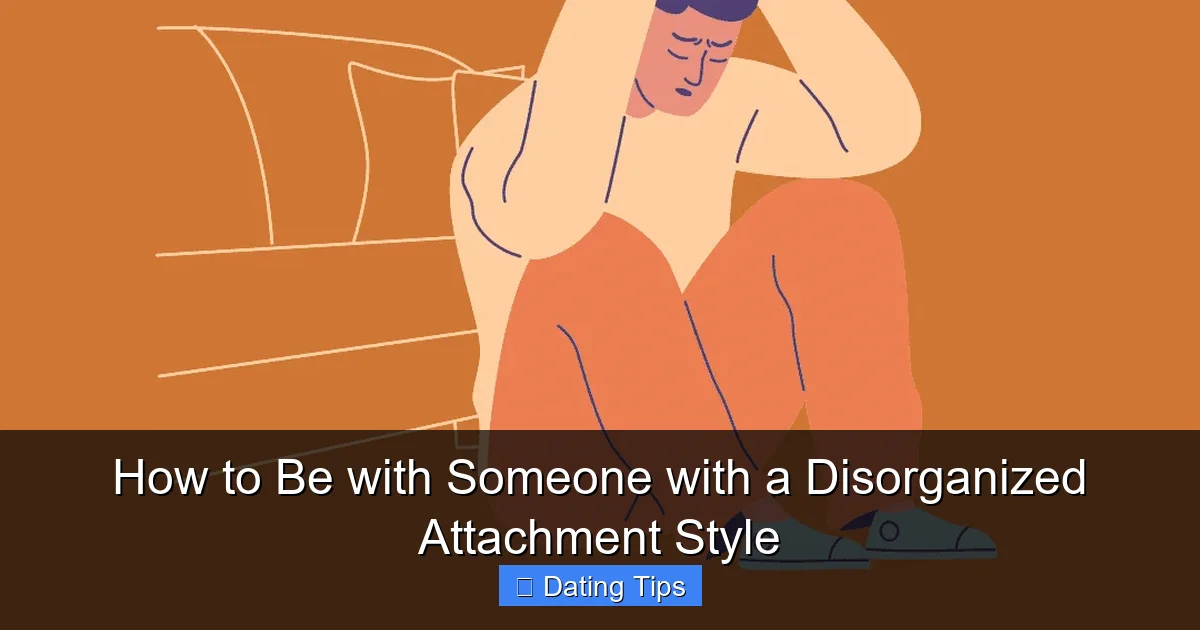
Healing from disorganized attachment takes time. There’s no shortcut, no magic trick. But every small moment of reliability adds up. When you follow through on promises, listen without judgment, and remain calm during storms, you’re slowly rewriting their internal story about relationships.
Visual guide about How to Be with Someone with a Disorganized Attachment Style
Image source: panahicounseling.com
For example, if your partner says they’re feeling insecure after a minor disagreement, don’t dismiss it. Instead, say: “I hear that you’re worried I don’t care. That must feel scary. I want you to know I’m here—let’s talk about what would help you feel safer.”
This kind of response shows that you’re not just tolerating their emotions—you’re meeting them with empathy and openness.
Respect Their Need for Space (Without Abandonment)
People with disorganized attachment often struggle with proximity. Sometimes they need closeness; other times, they retreat into isolation as a way to protect themselves from perceived threats.
Rather than interpreting withdrawal as rejection, ask gently: “Are you okay? Do you need some space right now?” If they say yes, honor it without guilt. Then check in later: “Just wanted to make sure you’re doing alright. I care about you.”
This balance between presence and privacy respects their autonomy while reinforcing your commitment.
Supporting Their Healing Journey
Encourage Therapy—But Don’t Push
Therapy can be transformative for people with disorganized attachment. A skilled therapist—especially one trained in attachment-based modalities like EMDR or Internal Family Systems—can help your partner understand their patterns, process trauma, and develop healthier ways of relating.
However, pushing someone into treatment before they’re ready can backfire. Frame it as an option: “I’ve noticed how hard this stuff can be, and I admire your courage. If you ever want support finding a therapist who specializes in attachment issues, I’d be happy to help.”
Sometimes, just knowing you believe in their ability to heal gives them the strength to take the first step.
Model Healthy Communication
Children learn how to relate to others by watching their caregivers. Similarly, your partner learns from how you communicate in your relationship. By expressing your own needs clearly and respectfully, you demonstrate what healthy interaction looks like.
Instead of saying, “You never spend time with me,” try: “I’ve been feeling lonely lately. Would you be open to having dinner together this weekend?” This invites collaboration instead of blame.
Celebrate Small Wins
Progress with disorganized attachment happens in tiny increments. Maybe your partner stayed calm during a disagreement. Or reached out after a rough day. Or admitted they felt scared. Each of these is a victory worth acknowledging.
Say things like: “I really appreciated how you handled that conversation earlier. It meant a lot to me.” Positive reinforcement encourages repetition of those behaviors.
Protecting Yourself Along the Way
Set Realistic Expectations
It’s tempting to believe that love alone will fix everything. But healing from deep-rooted attachment wounds requires professional support. While your compassion matters immensely, you’re not responsible for curing their trauma.
Remind yourself: you’re offering care and stability, not therapy. That distinction helps prevent resentment and burnout.
Practice Self-Care Religiously
Supporting someone with disorganized attachment can be emotionally draining. They may rely heavily on you for reassurance, demand constant attention, or react unpredictably to minor triggers. All of this takes a toll.
Make time for activities that recharge you—whether it’s reading, exercising, spending time with friends, or simply taking a quiet bath. Consider joining a support group for partners of people with complex trauma. Talking to others who understand helps normalize your experience and reduces isolation.
Know When to Seek Help for Yourself
If you find yourself feeling anxious, resentful, or hopeless in the relationship, it may be time to talk to a counselor. Couples therapy can provide tools for navigating challenges together, while individual therapy supports your personal growth.
There’s no shame in asking for help. In fact, it shows strength and commitment to the relationship.
Long-Term Outlook: Can This Work?
Yes—relationships involving disorganized attachment can thrive, but they require ongoing effort from both sides. Healing isn’t linear. Setbacks happen. Progress moves at different speeds. What matters is your shared willingness to grow.
Over time, consistent kindness, boundary-setting, and mutual respect create what psychologists call a “secure base”—a safe haven where your partner feels free to explore, express, and heal. And in return, you’ll likely experience deeper intimacy, trust, and emotional connection than you imagined possible.
As author Harville Hendrix says, “Love is the assumption that the other person is basically okay.” With disorganized attachment, that assumption must be proven again and again—but once established, it becomes unshakable.
Conclusion: Love Is a Practice, Not a Performance
Being with someone who has a disorganized attachment style isn’t about perfection. It’s about showing up—day after day—with patience, humility, and heart. It means choosing compassion even when they disappoint you. It means staying calm when the storm hits. And it means believing, despite the chaos, that love can rebuild what was broken.
You don’t have to have all the answers. Just being present, listening well, and treating your partner with dignity makes a profound difference. And remember: your own healing matters too. When you care for yourself, you become a stronger foundation—not just for them, but for your entire relationship.
If you’re struggling to navigate these dynamics, consider exploring resources on how to take a relationship slow or learning more about giving space without losing connection. These strategies complement the work of building trust with someone whose inner world has been shaped by fear.
Above all, trust the journey. With time, tenderness, and teamwork, even the most fractured hearts can mend—and discover that love, after all, was never lost.
Frequently Asked Questions
What causes disorganized attachment in adults?
Disorganized attachment usually stems from childhood experiences where the caregiver was both a source of comfort and fear—such as abuse, neglect, or extreme inconsistency. This creates confusion about whether seeking closeness leads to safety or harm.
How do I know if my partner has disorganized attachment?
Look for signs like sudden emotional shifts, difficulty trusting you, fear of abandonment paired with push-pull behavior, or self-sabotage in relationships. These reactions often occur during stress or conflict.
Can someone with disorganized attachment have a healthy relationship?
Yes, absolutely. With consistent emotional support, professional therapy, and mutual effort, people with disorganized attachment can form secure, fulfilling relationships. It just takes time, patience, and intentional care.
Should I stay in the relationship if my partner won’t go to therapy?
Therapy supports healing, but it’s not the only path. What matters most is your partner’s willingness to engage in honest communication and growth. If they’re resistant, focus on building your own resilience and consider couples counseling together.
How can I avoid getting overwhelmed by my partner’s emotional volatility?
Set clear boundaries, practice self-care, and remind yourself that their intensity reflects past trauma—not your worth. Grounding techniques like deep breathing or journaling can help you stay centered during tough moments.
Is it selfish to prioritize my own needs?
Not at all. Healthy relationships require balance. When you care for yourself, you show up better for your partner. Prioritizing your well-being isn’t abandonment—it’s sustainability.
