
Most people cannot actually pass out from a panic attack because blood pressure rises during an episode, not drops. However, the intense symptoms like dizziness and hyperventilation can feel very close to fainting. Understanding what happens inside your body during a panic attack helps you take the right steps to stay grounded and recover faster.
Have you ever felt a sudden wave of terror hit you out of nowhere? Your heart races, your chest tightens, and your vision starts to blur. In that moment, one thought might race through your mind faster than anything else: can you pass out from a panic attack? It is a scary thought, and it is completely normal to worry about it. The truth is, the answer might surprise you.
Millions of people experience panic attacks every year. Yet there is still a lot of confusion about what actually happens to your body during one. Some people believe that a panic attack can knock you unconscious. Others think the symptoms are just “in your head.” Neither of these is fully true. This article breaks down the science, the symptoms, and the real steps you can take to protect yourself during an episode.
Whether you have experienced a panic attack yourself or you are supporting someone who does, understanding the facts is the first step toward feeling more in control. Let us dive in and get clear on what really happens when panic takes over.
Key Takeaways
- Passing out from a panic attack is extremely rare because your body’s fight-or-flight response increases blood pressure rather than lowering it.
- Hyperventilation and dizziness are common panic symptoms that mimic the feeling of impending fainting but rarely lead to actual loss of consciousness.
- Grounding techniques and controlled breathing are the most effective immediate tools to manage a panic attack.
- Knowing when to seek medical help is important, especially if you experience chest pain or symptoms that last longer than expected.
- Long-term strategies like therapy and lifestyle changes can significantly reduce the frequency and intensity of panic attacks.
- Panic attacks are not dangerous even though they feel terrifying, and understanding this can reduce the fear cycle.
📑 Table of Contents
- What Actually Happens During A Panic Attack
- Can You Actually Pass Out From A Panic Attack
- Why Your Body Does Not Shut Down During Panic
- What To Do When A Panic Attack Strikes
- When To Seek Professional Help
- Long-Term Strategies For Managing Panic Attacks
- Common Mistakes People Make During Panic Attacks
- Final Thoughts
What Actually Happens During A Panic Attack
A panic attack is your body’s fight-or-flight response kicking in at the wrong time. Your brain thinks you are in danger, even when there is no real threat. This triggers a rush of adrenaline and other stress hormones that flood your system almost instantly.
The Physical Symptoms
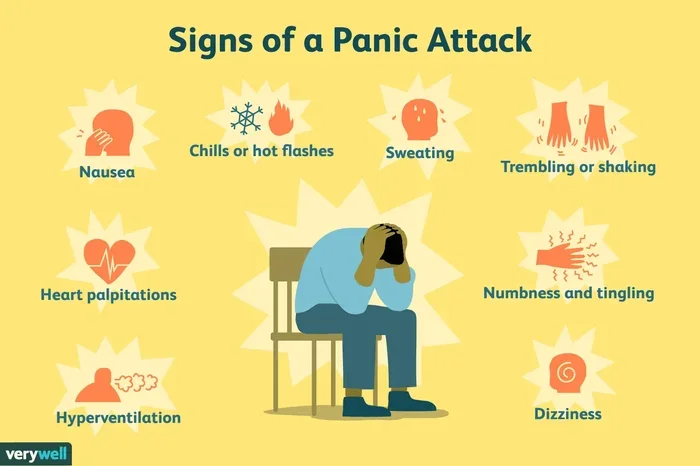
The symptoms of a panic attack can feel overwhelming. Here are the most common ones:
- Rapid heartbeat or palpitations
- Shortness of breath or a feeling of choking
- Chest tightness or pain
- Dizziness or lightheadedness
- Trembling or shaking
- Nausea or stomach discomfort
- Numbness or tingling sensations
- Feeling of losing control or going crazy
- Fear of dying
These symptoms can peak within minutes. Most panic attacks last between 10 and 30 minutes. The intensity can vary from person to person. Some people experience mild versions, while others feel completely debilitated. The key thing to remember is that these symptoms are real, even though there is no actual danger present.
The Mind-Body Connection
Your mind and body are deeply connected during a panic attack. The moment your brain detects a perceived threat, it sends signals to your entire body. Your muscles tense up. Your breathing becomes shallow. Your senses go into overdrive. This is why panic symptoms can feel so physical and so real.
Some people describe the experience as feeling like they are having a heart attack. Others say it feels like they are about to die. These feelings are terrifying, but they are not life-threatening. Understanding this distinction is important for managing the fear that often comes with repeated episodes.
Can You Actually Pass Out From A Panic Attack
This is the question on most people’s minds. The short answer is no, you almost never pass out from a panic attack. But the longer answer is more nuanced and helps explain why it feels so close.
When you faint, your blood pressure drops suddenly, reducing blood flow to your brain. This is called vasovagal syncope. During a panic attack, the opposite happens. Your body releases adrenaline, which causes your blood pressure to rise, not fall. Your heart beats faster. More blood flows to your muscles and vital organs. This is the exact opposite of what causes fainting.
Why It Feels Like You Might Pass Out
Even though actual fainting is rare, the dizziness and lightheadedness during a panic attack can be intense. Here is why:
- Hyperventilation changes the balance of oxygen and carbon dioxide in your blood
- Blood flow shifts away from your brain temporarily as it redirects to your limbs
- Muscle tension can reduce blood flow to certain areas
- Overwhelming sensory input can make you feel disconnected from reality
These factors create a sensation that mimics the feeling of about to faint. You might sway, feel unsteady, or see spots. But true loss of consciousness is very uncommon in panic attacks. If you do actually lose consciousness, it is important to seek medical evaluation because something else may be going on.
When Fainting Might Occur
In very rare cases, someone might faint during a severe panic episode. This usually happens when a person has been hyperventilating for a prolonged period or has an underlying medical condition. Certain medications, dehydration, or low blood sugar can also increase the risk. However, these situations are exceptions, not the rule.
If you or someone you know has fainted during a panic attack, it is worth discussing with a healthcare provider. They can rule out other causes and provide peace of mind.
Why Your Body Does Not Shut Down During Panic
Understanding the stress response helps explain why your body stays awake and alert during a panic attack. Your autonomic nervous system has two main modes: sympathetic and parasympathetic.
The Sympathetic Nervous System
This is the part that activates during a panic attack. It is sometimes called the “gas pedal.” It speeds everything up:
- Heart rate increases
- Breathing quickens
- Pupils dilate
- Muscles tense
- Sweating increases
All of these changes prepare your body to either fight or flee from danger. This is a survival mechanism that has kept humans alive for thousands of years. The problem is that your brain sometimes triggers this response when there is no real threat. The result is a panic attack.
The Parasympathetic Nervous System
This is the “brake pedal.” It calms your body down and promotes rest and digestion. Fainting is actually a parasympathetic response. Since a panic attack is driven by the sympathetic system, your body is essentially working against fainting. This is another reason why passing out during a panic attack is so unlikely.
The good news is that you can learn to activate your parasympathetic system intentionally. This is what grounding techniques and breathing exercises aim to do. They help shift your body from “fight or flight” to “rest and digest.”
What To Do When A Panic Attack Strikes
Knowing what to do when you don’t know what to do is one of the most valuable skills for managing panic attacks. Here are proven strategies that can help you regain control.
Step 1: Focus On Your Breathing
Hyperventilation is one of the biggest contributors to the dizziness and fear during a panic attack. Slowing your breathing can break the cycle. Try this simple technique:
- Breathe in slowly through your nose for 4 counts
- Hold your breath for 4 counts
- Breathe out slowly through your mouth for 6 counts
- Repeat for 5 to 10 cycles
This method helps restore the balance of oxygen and carbon dioxide in your blood. It signals your brain that you are safe. Over time, this practice can reduce the intensity and duration of attacks.
Step 2: Use The 5-4-3-2-1 Grounding Technique
Grounding pulls your attention away from the panic and back to the present moment. The 5-4-3-2-1 method works like this:
- Name 5 things you can see
- Name 4 things you can touch
- Name 3 things you can hear
- Name 2 things you can smell
- Name 1 thing you can taste
This technique engages all of your senses and forces your brain to focus on the present. It is one of the most effective ways to stop a panic attack from spiraling.
Step 3: Move Your Body
Sometimes the best thing you can do is move. Walking, stretching, or even shaking out your hands and feet can help release the tension stored in your muscles. Movement helps burn off the excess adrenaline that is flooding your system during a panic attack.
Step 4: Talk To Someone
Having someone nearby who understands what you are going through can make a huge difference. Even a simple text exchange can help ground you. If you are alone, talking out loud to yourself in a calm, reassuring tone can also work. Remind yourself that this will pass and that you are not in danger.
Step 5: Try Cold Water Or Ice
Holding something cold or splashing cold water on your face can activate the dive reflex. This is a natural response that slows your heart rate and calms your nervous system. It is a simple but powerful tool that many people find helpful.
If you ever feel like your panic is becoming overwhelming and you need guidance on how to calm down, remember that you are not alone. Many people have been where you are and have found ways through it.
When To Seek Professional Help
Occasional panic attacks are common and usually not a cause for alarm. However, there are times when professional support becomes important. You should consider reaching out to a healthcare provider if:
- Your panic attacks are happening more than once a week
- You are avoiding places or situations because of fear of having an attack
- The attacks are interfering with your daily life, work, or relationships
- You experience chest pain or symptoms that feel different from past episodes
- You feel depressed or hopeless because of your panic
- You are using alcohol or substances to cope with the symptoms
A mental health professional can help you identify your triggers and develop a personalized plan. Cognitive behavioral therapy (CBT) is one of the most effective treatments for panic disorder. It teaches you how to reframe the thought patterns that fuel your attacks.
In some cases, medication may also be recommended. Selective serotonin reuptake inhibitors (SSRIs) and other medications can help reduce the frequency and severity of panic attacks. A doctor can help you decide if this is the right path for you.
Remember, asking for help is a sign of strength, not weakness. Managing panic attacks is not something you have to do alone.
Long-Term Strategies For Managing Panic Attacks
Beyond immediate coping techniques, there are lifestyle changes that can reduce how often and how intensely panic attacks occur over time.
Regular Exercise
Physical activity is one of the most powerful natural anxiety relievers. Exercise releases endorphins, reduces stress hormones, and improves sleep quality. Even a daily 30-minute walk can make a significant difference. Find an activity you enjoy, whether it is yoga, swimming, or dancing. Consistency matters more than intensity.
Sleep And Nutrition
Your body is more vulnerable to panic when you are tired or malnourished. Prioritize getting 7 to 9 hours of sleep each night. Eat balanced meals regularly and stay hydrated. Avoid excessive caffeine and alcohol, as both can trigger or worsen anxiety symptoms.
Mindfulness And Meditation
Practicing mindfulness helps you stay present and reduces the likelihood of panic taking over. Even 10 minutes of daily meditation can lower your overall stress levels. Apps and guided recordings make it easy to start, even if you are a complete beginner.
Building A Support System
Having people you trust who understand your struggles can be incredibly healing. Support groups, whether in person or online, provide a safe space to share your experiences. You might also consider telling close friends or family members about what you go through so they can support you during difficult moments.
If you have experienced a particularly rough period and are trying to rebuild, know that recovery is possible. Many people have found their way back to a stable, fulfilling life after struggling with intense anxiety and panic. How to restart your life after a terrible breakdown is a journey that starts with small, consistent steps forward.
Finding moments of peace, even in the middle of chaos, is also important. Life can feel overwhelming at times, but learning to try to find peace of mind in a dumpster fire is a skill that gets easier with practice. It starts with accepting that difficult moments are temporary and that you have the tools to get through them.
Common Mistakes People Make During Panic Attacks
Knowing what not to do is just as important as knowing what to do. Here are common mistakes that can make a panic attack worse:
- Ignoring your symptoms and pretending they are not happening
- Telling yourself you are dying or losing your mind
- Avoiding all situations where a panic attack has happened
- Using alcohol or drugs to cope with the feelings
- Stopping all physical activity out of fear of triggering another attack
- Isolating yourself from friends and loved ones
Each of these mistakes can reinforce the panic cycle. The more you avoid, the more powerful the fear becomes. The key is to face the symptoms with understanding and use the tools you now have to manage them.
It is also worth noting that intense emotional experiences during panic can sometimes lead to behaviors that feel out of character, like feeling an overwhelming urge to scream or release tension. This is your body’s way of trying to discharge the built-up stress. If you ever feel this way, know that it is a normal physical response and not something to be ashamed of.
Similarly, the emotional toll of repeated panic attacks can affect your overall mental health and outlook on life. Taking care of your emotional needs is just as important as managing the physical symptoms. Understanding your emotional needs you should never ignore in a relationship with yourself is a critical part of healing and growth.
Final Thoughts
So, can you pass out from a panic attack? The answer is that it is extremely rare. Your body is designed to keep you conscious and alert during moments of intense stress. The symptoms are frightening, but they are not dangerous. You are not going to die from a panic attack, and you are very unlikely to faint from one.
The most important thing you can do is equip yourself with the right tools. Breathing exercises, grounding techniques, and lifestyle changes can all help you take back control. And when the panic feels too big, reaching out to a professional is always a smart move.
Every person who has ever experienced a panic attack has wondered the same thing you are wondering right now. You are not alone in this. With the right knowledge and support, panic attacks become manageable. You can live a full, vibrant life even if you experience them. Start with one small step today, and build from there.
Remember, panic attacks are a sign that your body is trying to protect you, even when the threat is not real. Be gentle with yourself. You are doing the best you can, and that is enough.
Frequently Asked Questions
Can you actually faint from a panic attack?
It is extremely rare to faint from a panic attack. During a panic episode, your blood pressure rises rather than drops, which is the opposite of what causes fainting. The dizziness you feel may mimic the sensation of about to pass out, but true loss of consciousness is very uncommon.
How long does a panic attack typically last?
Most panic attacks reach their peak within 10 minutes and last between 10 and 30 minutes total. Some symptoms may linger for a bit longer, but the intense wave of fear usually subsides within half an hour. If your symptoms last for hours, it may be worth checking with a doctor to rule out other causes.
What is the difference between a panic attack and passing out?
A panic attack is a sudden surge of intense fear paired with physical symptoms like rapid heartbeat, sweating, and trembling. Passing out, or fainting, involves a temporary loss of consciousness caused by reduced blood flow to the brain. They are very different experiences, and panic attacks do not typically cause fainting.
Should I go to the emergency room for a panic attack?
Most panic attacks do not require emergency medical attention. However, if you experience chest pain, difficulty breathing, or symptoms that feel different from your usual panic attacks, it is wise to seek medical help. It is always better to be safe and get checked out.
Can panic attacks happen while you are sleeping?
Yes, panic attacks can occur during sleep. These are called nocturnal panic attacks and can wake you up suddenly with intense fear, sweating, and a racing heart. They can be especially distressing because they happen without warning. If they occur frequently, speaking with a healthcare provider is recommended.
What should I do if someone near me is having a panic attack?
Stay calm and speak in a gentle, steady voice. Encourage them to breathe slowly and focus on something grounding, like describing objects around them. Do not tell them to “just relax” or dismiss their feelings. Simply being present and reassuring can make a huge difference in helping them through the episode.
