
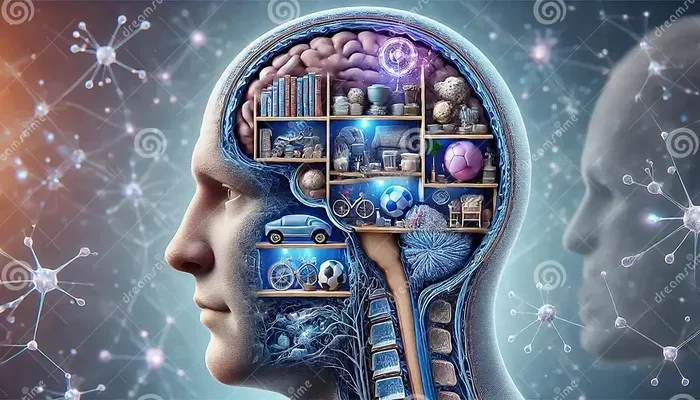
The Atkinson-Shiffrin modal model of memory explains how we process, store, and retrieve information through three distinct stages. Understanding this powerful psychological framework can transform how you approach dating, build deeper connections, and create lasting impressions that strengthen your relationships.
Have you ever wondered why you remember some dates vividly while others blur together? Or why certain people leave a lasting impression while others fade from memory almost immediately? The answer lies in one of psychology’s most influential frameworks for understanding how our minds work.
The Atkinson-Shiffrin modal model of memory was proposed by Richard Atkinson and Richard Shiffrin in 1968. It revolutionized how we understand human memory. This model explains the entire journey information takes from the moment we encounter it to when we store it permanently. And here’s the exciting part: this psychological framework has profound implications for dating, relationships, and how we connect with others.
When you understand how memory works, you can create more meaningful experiences. You can build stronger connections. And you can better understand why you’re drawn to certain people while others barely register. Let’s dive deep into this fascinating model and explore how it applies to your love life.
Key Takeaways
- Three-Stage Memory System: The model includes sensory memory, short-term memory, and long-term memory working together to process all experiences.
- First Impressions Matter: Sensory memory captures initial attraction cues in fractions of a second before they ever reach conscious awareness.
- Rehearsal Drives Retention: Active rehearsal moves information from short-term to long-term memory, which is why repeated positive interactions build relationship bonds.
- Encoding Determines Recall: How deeply you process information about someone determines whether you’ll remember details about them later.
- Practical Dating Applications: Understanding memory stages helps you create meaningful moments that stick in your partner’s long-term memory.
- Forgetting Is Normal: The model explains why some dates fade quickly while others create lasting emotional imprints.
- Memory Affects Relationship Patterns: Past relationship memories stored in long-term memory influence how you approach new romantic connections.
📑 Table of Contents
- What Is The Atkinson-Shiffrin Modal Model Of Memory?
- Sensory Memory: The Gateway To First Impressions
- Short-Term Memory: Where Active Processing Happens
- Long-Term Memory: Where Lasting Impressions Live
- How The Modal Model Explains Memory Failure In Dating
- Practical Applications: Using Memory Science To Improve Your Dating Life
- Comparison Table: Memory Types And Their Dating Applications
- Expert Insight: Memory And Relationship Patterns
- Common Mistakes: How People Sabotage Memory Formation In Dating
- Quick Tips For Better Memory In Dating
- The Bigger Picture: Memory, Relationships, And Emotional Well-Being
- Conclusion
What Is The Atkinson-Shiffrin Modal Model Of Memory?
The Atkinson-Shiffrin modal model is a structural framework that describes memory as a three-stage process. Think of it as an assembly line for information. Raw data enters at one end, gets processed through various stages, and either gets stored permanently or discarded along the way.
The model proposes that memory consists of three distinct stores. First, there’s sensory memory, which holds raw sensory input for a very brief period. Second, short-term memory (also called working memory) temporarily holds information we’re actively thinking about. Third, long-term memory stores information indefinitely, sometimes for an entire lifetime.
What makes this model so powerful is that it explains not just how we remember things, but also why we forget them. Information must successfully pass through each stage to become a lasting memory. If it fails at any point, it’s gone forever.
The Three Stores Explained Simply
Let’s break down each store using a dating example. Imagine you’re at a coffee shop on a first date.
Sensory memory captures everything: the sound of their laugh, the smell of their perfume, the way the light catches their eyes. This raw sensory data floods in but lasts only a fraction of a second to a few seconds at most. Your brain decides what’s worth paying attention to and what to ignore.
Short-term memory holds the information you’re actively processing. Maybe you’re listening to their story about traveling through Europe. You’re holding their words in mind, making sense of them, and deciding how to respond. But short-term memory has limited capacity. It can only hold about 7 (plus or minus 2) items at once, and without active effort, information fades within 15-30 seconds.
Long-term memory is where meaningful information gets stored. If the date goes well and you rehearse the experience (thinking about it, talking about it, reliving the moments), those memories transfer to long-term storage. Years later, you might still remember how they smiled when they talked about their passion for photography.
Sensory Memory: The Gateway To First Impressions
Visual guide about brain memory storage
Image source: media-cldnry.s-nbcnews.com
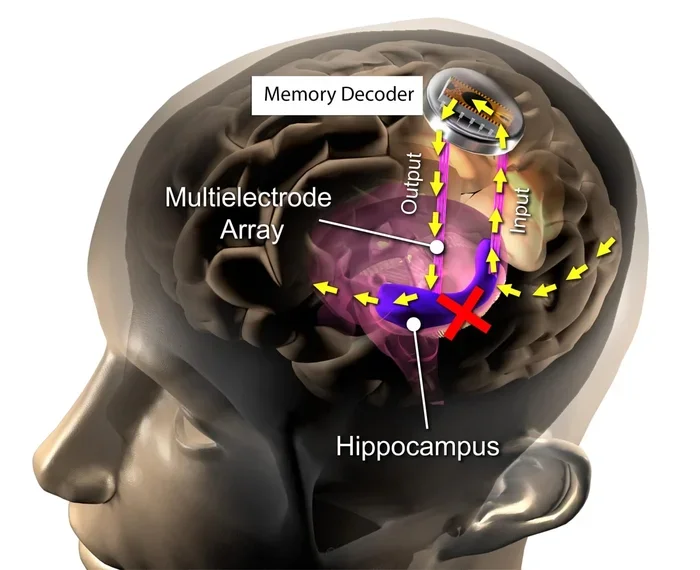
Sensory memory is where every memory begins. It’s the briefest form of memory, lasting anywhere from 200 milliseconds to about 3 seconds depending on the sensory modality. Visual sensory memory, called iconic memory, lasts about 0.5 seconds. Auditory sensory memory, called echoic memory, can last up to 3-4 seconds.
In dating and relationships, sensory memory plays a crucial role in first impressions. When you first see someone attractive, your iconic memory captures their appearance before you even consciously process what you’re seeing. The way they walk, their posture, their smile—all of this hits sensory memory first.
Similarly, echoic memory captures the sound of their voice before you consciously analyze what they’re saying. This is why a warm, confident voice can create an instant positive impression even before you hear the actual words.
How Sensory Memory Filters Attraction
Your brain receives millions of sensory inputs every second. Sensory memory acts as a filter, briefly holding all of this information so your brain can decide what deserves further attention. This filtering process happens automatically and unconsciously.
Research shows that sensory memory plays a significant role in attraction. Studies have found that people form initial attractiveness judgments within 100 milliseconds of seeing someone’s face. That’s faster than conscious thought. Your sensory memory is doing the heavy lifting here.
This explains why you sometimes feel an instant connection with someone before you even speak to them. Your sensory memory has already processed visual and auditory cues and flagged them as interesting or attractive.
Short-Term Memory: Where Active Processing Happens
Visual guide about brain memory storage
Image source: intelligentliving.co
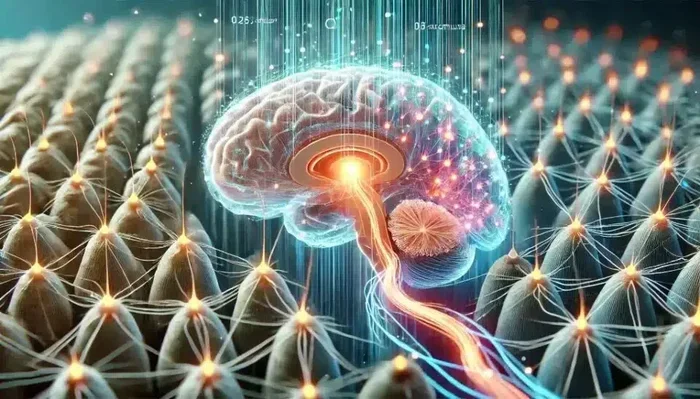
Once information passes through sensory memory and captures your attention, it moves into short-term memory. This is where conscious processing happens. You’re aware of the information, you’re working with it, and you’re making decisions about it.
Short-term memory has two important limitations. First, it has limited capacity. Most people can hold about 5-9 items in short-term memory at once. Second, it has limited duration. Without active rehearsal, information decays within 15-30 seconds.
During a conversation with a potential partner, short-term memory holds their words, your responses, and the context of the interaction. You’re constantly updating this information as the conversation flows.
The Role Of Attention In Short-Term Memory
Attention is the gatekeeper between sensory memory and short-term memory. You can’t process everything your senses detect. Attention selects what gets through and what gets ignored.
This has important implications for dating. If you’re distracted during a date—checking your phone, thinking about work, or letting your mind wander—important information never makes it into short-term memory. The person’s stories, their jokes, their vulnerability—all of it gets lost.
Being fully present on a date means directing your attention to the person in front of you. This ensures that important information passes through the gateway into short-term memory and potentially into long-term storage.
Rehearsal: The Key To Moving Information Forward
Rehearsal is the process of repeating or actively thinking about information to keep it in short-term memory and eventually transfer it to long-term memory. There are two types of rehearsal.
Maintenance rehearsal involves simple repetition. Think of repeating a phone number until you can write it down. In dating, this might look like mentally repeating your date’s name so you don’t forget it.
Elaborative rehearsal involves connecting new information to existing knowledge. This is far more effective for creating lasting memories. In dating, this means relating what your date tells you to your own experiences, asking follow-up questions, and engaging deeply with their stories.
Long-Term Memory: Where Lasting Impressions Live
Visual guide about brain memory storage
Image source: gohighbrow.com
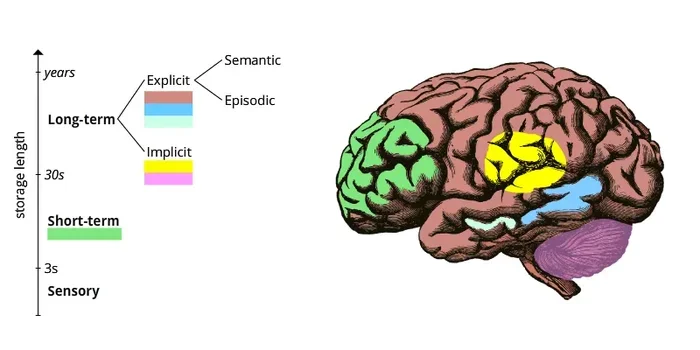
Long-term memory is the final destination in the Atkinson-Shiffrin model. It has virtually unlimited capacity and can store information for days, years, or even a lifetime. When we talk about “remembering” something, we’re usually talking about long-term memory.
Long-term memory isn’t a single unified store. Researchers have identified several subtypes, each serving different functions.
Explicit Memory: Conscious Recall Of Relationship Moments
Explicit memory (also called declarative memory) involves conscious recall of facts and events. This is the type of memory you use when you consciously remember your first date, your partner’s birthday, or the story of how you met.
Explicit memory divides into two subtypes. Episodic memory stores personal experiences and specific events. Remembering your first kiss, a special anniversary, or a memorable vacation together—these are all episodic memories. Semantic memory stores general facts and knowledge. Knowing your partner’s favorite color, their hometown, or their job title—these are semantic memories.
Implicit Memory: Unconscious Influences On Your Love Life
Implicit memory (also called non-declarative memory) operates unconsciously. It influences your behavior and responses without conscious awareness. This includes procedural memory (knowing how to do things), classical conditioning, and priming effects.
In relationships, implicit memory plays a huge role. If you had positive experiences with trust in past relationships, you might unconsciously feel more comfortable opening up to new partners. Conversely, if past partners betrayed you, implicit memories might make you more guarded even when you consciously want to be open.
This connects to how past relationship experiences shape your current approach. Understanding how not letting go of past relationships affects you can help you recognize when implicit memories are influencing your present connections.
How The Modal Model Explains Memory Failure In Dating
Understanding the Atkinson-Shiffrin model also helps explain why we forget things in dating contexts. Memory failure can occur at any stage of the model.
Forgetting at the sensory stage happens when information never captures your attention. If you’re not paying attention during a conversation, the information never makes it past sensory memory. It’s like it never existed.
Forgetting at the short-term stage happens when information decays before being transferred to long-term memory. You might hear someone’s story but forget it moments later because you didn’t rehearse it or connect it to anything meaningful.
Forgetting at the long-term stage happens when stored memories become inaccessible over time. You might have stored information about someone but can’t retrieve it when needed. This is the “tip of the tongue” phenomenon.
The Forgetting Curve And Relationship Maintenance
Hermann Ebbinghaus’s forgetting curve shows that we forget approximately 70% of new information within 24 hours if we don’t review it. This has practical implications for dating.
After a great date, you need to revisit the memories to consolidate them. Think about the experience, talk about it with friends, or message your date about something specific from your conversation. This rehearsal strengthens the memory trace and moves it toward long-term storage.
Practical Applications: Using Memory Science To Improve Your Dating Life
Now that you understand the Atkinson-Shiffrin model, how can you use it to improve your dating life? Here are practical strategies based on memory science.
Creating Memorable First Impressions
Since sensory memory captures first impressions in milliseconds, make those milliseconds count.
Tips for memorable first impressions:
- Be fully present: Put away your phone and give your complete attention. This ensures their information passes through your attention gateway into short-term memory.
- Engage multiple senses: Choose date venues with interesting sensory elements—great music, appealing smells, beautiful visuals. Multi-sensory experiences create richer memory traces.
- Make eye contact: Visual information is processed through iconic memory. Meaningful eye contact creates stronger initial impressions.
- Use their name: Repeating someone’s name during conversation is a form of maintenance rehearsal that helps you remember it.
Building Stronger Connections Through Rehearsal
The key to moving information from short-term to long-term memory is rehearsal. In dating, this means actively engaging with what your partner shares.
Elaborative rehearsal techniques for dating:
- Ask follow-up questions: This shows you’re listening and helps you process information more deeply.
- Connect to your own experiences: Relating their stories to your life creates stronger memory traces through elaborative rehearsal.
- Reflect back what you heard: Summarizing what they said reinforces the information in your memory.
- Create inside jokes: Shared humor creates unique memory traces that strengthen your bond.
Strengthening Long-Term Relationship Memories
Once memories are in long-term storage, you want to keep them accessible and strong.
Strategies for maintaining relationship memories:
- Regularly revisit shared experiences: Look at photos, retell stories, reminisce about special moments. This rehearsal keeps memories accessible.
- Create new experiences together: Novel experiences create stronger memory traces because they stand out from routine.
- Practice gratitude: Actively appreciating positive moments strengthens their memory trace and makes them easier to recall.
- Document important moments: Journaling, photos, and mementos serve as external memory aids that trigger recall.
Comparison Table: Memory Types And Their Dating Applications
| Memory Type | Duration | Capacity | Dating Application |
|---|---|---|---|
| Sensory Memory | 0.25-4 seconds | Very large (all sensory input) | First impressions, initial attraction cues |
| Short-Term Memory | 15-30 seconds | 7±2 items | Active conversation, processing date information |
| Long-Term Memory | Days to lifetime | Virtually unlimited | Storing relationship memories, past experiences |
Expert Insight: Memory And Relationship Patterns
Understanding the Atkinson-Shiffrin model also helps explain why we sometimes repeat relationship patterns. Past relationship experiences are stored in long-term memory as both explicit and implicit memories.
When you meet someone new, your brain searches long-term memory for similar patterns. If past relationships were positive, you might approach new connections with openness and trust. If they were negative, you might unconsciously guard yourself or expect the worst.
This is why understanding attachment styles matters in relationships. Your attachment patterns are essentially memory-based responses shaped by past experiences stored in long-term memory.
Breaking Negative Memory Patterns
If you notice yourself repeating unhealthy patterns, the Atkinson-Shiffrin model offers hope. While you can’t erase existing long-term memories, you can create new ones that compete with and eventually overshadow the old patterns.
Steps to create new relationship memories:
- Become aware of your patterns: Recognize when implicit memories from past relationships are influencing your current behavior.
- Consciously encode new experiences: When positive experiences happen in new relationships, deliberately rehearse them to strengthen their memory trace.
- Challenge old associations: When you notice yourself making negative assumptions based on past memories, consciously question whether they apply to your current situation.
- Create novel positive experiences: New, positive experiences create distinct memory traces that don’t get confused with past negative ones.
Common Mistakes: How People Sabotage Memory Formation In Dating
Even with the best intentions, people often sabotage their own memory formation during dates. Here are common mistakes to avoid.
Mistake 1: Being Distracted
If you’re checking your phone, watching TV, or letting your mind wander during a date, information never makes it past sensory memory. You can’t remember what you never truly processed in the first place.
Mistake 2: Not Engaging Deeply
Surface-level conversations don’t create strong memory traces. If you’re only doing small talk, the information never gets the elaborative rehearsal needed to move into long-term memory.
Mistake 3: Failing To Rehearse After The Date
After a great date, many people simply move on to the next thing. Without post-date rehearsal, even positive memories can fade. Take time to think about the experience, talk about it, or message your date about something specific from your time together.
Mistake 4: Relying On Digital Communication Alone
Text messages lack the rich sensory cues that create strong memory traces. While digital communication maintains connection, in-person experiences create much stronger memories because they engage multiple senses simultaneously.
Quick Tips For Better Memory In Dating
- Be fully present: Put distractions away and give your complete attention to your date.
- Use elaborative rehearsal: Connect what they share to your own experiences and ask meaningful follow-up questions.
- Engage multiple senses: Choose date activities that create rich sensory experiences.
- Rehearse after dates: Think about positive moments, share stories with friends, or reference specific details in future conversations.
- Create novel experiences: Unique activities stand out in memory and create stronger traces.
- Practice mindfulness: Being aware of the present moment helps you encode experiences more deeply.
- Get enough sleep: Sleep is crucial for memory consolidation. Well-rested people form stronger memories.
The Bigger Picture: Memory, Relationships, And Emotional Well-Being
The Atkinson-Shiffrin modal model isn’t just an academic theory. It’s a practical framework for understanding how we connect with others and why some relationships stick while others fade.
When you understand that memory requires attention, processing, and rehearsal, you can be more intentional about creating meaningful connections. You can recognize when you’re not fully present and make changes. You can actively work to create memories that last.
This understanding also helps with emotional healing. If you’re struggling with memories of a past relationship, knowing that memory is reconstructive—not a perfect recording—can help you process those experiences more healthily. Learning to let go of what no longer serves you is essential for making room for new, positive relationship memories.
Conclusion
The Atkinson-Shiffrin modal model of memory provides a powerful framework for understanding how we process, store, and retrieve information. From the fleeting impressions of sensory memory to the lasting stores of long-term memory, each stage plays a crucial role in how we experience and remember our romantic connections.
By understanding this model, you can be more intentional about creating meaningful dating experiences. You can ensure important information gets the attention and rehearsal it needs to become a lasting memory. And you can recognize when past memories are influencing your present relationships.
Remember: every great relationship is built on shared memories. By applying the principles of the Atkinson-Shiffrin model, you can create experiences that stick, build connections that last, and form memories that enrich your life for years to come. The science of memory isn’t just about remembering facts—it’s about creating a life filled with meaningful moments and deep connections.
Frequently Asked Questions
What are the three stages of the Atkinson-Shiffrin modal model of memory?
The three stages are sensory memory, short-term memory, and long-term memory. Sensory memory briefly holds raw sensory input, short-term memory actively processes information for 15-30 seconds, and long-term memory stores information indefinitely. Each stage must successfully pass information to the next for lasting memories to form.
How does sensory memory affect first impressions in dating?
Sensory memory captures initial visual and auditory information for fractions of a second before conscious processing begins. This means your brain forms initial attraction judgments within 100 milliseconds of seeing someone. These ultra-fast impressions influence whether you pay further attention to someone or not.
Why do I forget details about dates so quickly?
Forgetting happens when information doesn’t successfully transfer from short-term to long-term memory. If you’re distracted during a date or don’t actively rehearse the information afterward, it decays within 15-30 seconds. Elaborative rehearsal—connecting new information to existing knowledge—is essential for creating lasting memories.
How can I create stronger memories with my partner?
Create stronger memories by being fully present, engaging multiple senses during shared experiences, and actively rehearsing positive moments together. Novel experiences create stronger memory traces because they stand out. Regularly revisiting shared memories through conversation and photos also keeps them accessible in long-term memory.
What is the difference between explicit and implicit memory in relationships?
Explicit memory involves conscious recall of facts and events, like remembering your first date or your partner’s birthday. Implicit memory operates unconsciously and influences your behavior without awareness, like feeling guarded around trust issues based on past relationship experiences. Both types shape how you approach current relationships.
How does the forgetting curve affect relationship memories?
The forgetting curve shows we lose approximately 70% of new information within 24 hours without rehearsal. This means after a great date, you need to actively revisit the memories through thinking, talking, or messaging about specific details. Without this rehearsal, even positive experiences fade quickly from memory.
