
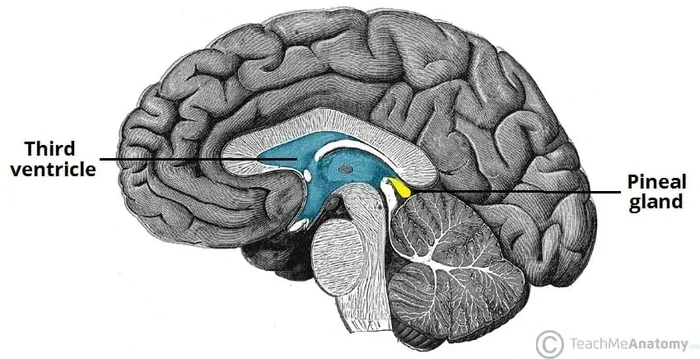
The pineal gland is a tiny, pea-shaped gland in your brain that acts as your body’s master clock. It produces melatonin to regulate your sleep-wake cycle and influences everything from your mood to your overall energy levels. Understanding what this gland does is the first step to better sleep and a healthier life.
Have you ever wondered why you feel sleepy when the sun goes down and awake when it rises? The answer lies deep within your brain, in a tiny, pinecone-shaped structure known as the pineal gland. Despite its small size, this gland plays a massive role in your daily life. Understanding what does the pineal gland do can unlock the secrets to better sleep, improved mood, and a deeper connection to your own body. Let’s dive into the fascinating world of this often-overlooked part of your brain.
Key Takeaways
- Master Sleep Regulator: The pineal gland produces melatonin, the hormone that controls your sleep-wake cycle.
- Circadian Rhythm Keeper: It syncs your internal body clock with the natural light and dark cycles of the day.
- Third Eye Connection: Often called the “third eye,” it holds deep spiritual significance in many cultures, linking it to intuition and higher consciousness.
- Prone to Calcification: Unlike most brain tissue, the pineal gland can harden with age due to fluoride and calcium buildup.
- Impacts Mood and Health: Poor pineal gland function is linked to sleep disorders, seasonal affective disorder, and hormonal imbalances.
- Easy to Protect: Simple lifestyle changes like reducing fluoride intake and getting morning sunlight can drastically improve its health.
📑 Table of Contents
What Is The Pineal Gland?
Tucked right in the center of your brain, between the two hemispheres, sits the pineal gland. It is roughly the size of a grain of rice or a small pea. Even though it is tiny, it is part of the endocrine system, which is responsible for producing and regulating your body’s hormones. The gland gets its name from its distinct pinecone shape. For centuries, philosophers and scientists have been fascinated by this little gland. René Descartes, the famous French philosopher, even called it the “seat of the soul.” While modern science does not necessarily agree with that exact phrasing, it does recognize the pineal gland as a crucial control center for your body’s internal timing.
What Does The Pineal Gland Do?
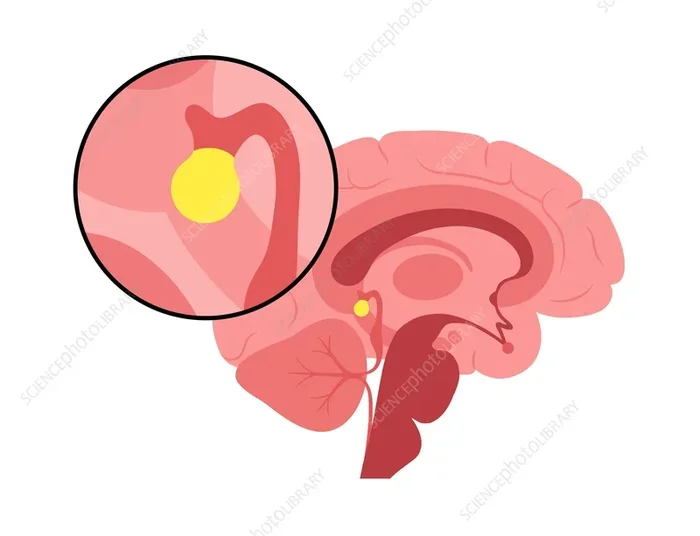
So, what does the pineal gland do exactly? Its primary job is to produce a hormone called melatonin. Melatonin is often referred to as the “sleep hormone,” but it does so much more than just make you feel drowsy. The production of melatonin is heavily influenced by light. When it gets dark outside, your eyes send a signal to your brain, and the pineal gland releases melatonin into your bloodstream. This makes you feel sleepy and prepares your body for rest. When the sun rises and light enters your eyes, melatonin production drops, helping you wake up. This cycle is known as your circadian rhythm, and it is essential for maintaining a healthy, balanced life.
Visual guide about pineal gland illustration
Image source: media.sciencephoto.com
Melatonin Production And Sleep Regulation
The relationship between melatonin and sleep is the most well-known function of this gland. Melatonin does not actually knock you out like a sleeping pill. Instead, it acts as a signal to your body that it is time to wind down. It lowers your body temperature and makes your brain less alert. Without enough melatonin, falling asleep and staying asleep becomes incredibly difficult. People who travel across time zones often experience jet lag because their pineal gland is still producing melatonin according to their old time zone. By understanding this process, you can see why maintaining a regular sleep schedule is so vital for your brain health.
Circadian Rhythm Management
Your circadian rhythm is your body’s internal 24-hour clock. It dictates not just when you sleep, but also when you feel hungry, when your metabolism is most active, and even when your immune system is at its strongest. The pineal gland acts as the conductor of this internal orchestra. It takes cues from the environment, specifically the light-dark cycle, to keep everything in sync. When your circadian rhythm is disrupted, you might feel groggy, unfocused, and irritable. A healthy pineal gland ensures that your body knows exactly what time it is, allowing all your other systems to function smoothly.
Hormone Regulation And Sexual Development
Beyond sleep, the pineal gland also plays a role in regulating other hormones. It is involved in the timing of puberty. The gland produces a compound called pinoline, which can influence the release of gonadotropins from the pituitary gland. These gonadotropins are responsible for the development of sexual organs and the production of sex hormones like testosterone and estrogen. If the pineal gland is damaged or not functioning properly, it can sometimes lead to early or delayed puberty. This shows just how interconnected your hormones are, and how a tiny gland in your brain can have widespread effects on your entire body.
The Pineal Gland And The Third Eye Connection
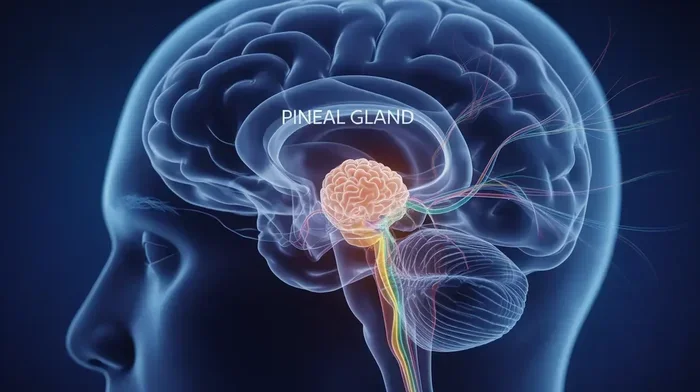
In many spiritual traditions, the pineal gland is considered the “third eye.” This is not a literal eye, but rather a concept representing intuition, insight, and a higher state of consciousness. Ancient cultures believed that the third eye allowed people to see beyond the physical world and connect with their inner wisdom. While science focuses on the physical production of melatonin, the spiritual perspective views the pineal gland as a gateway to deeper awareness. Some people believe that by “activating” the pineal gland through meditation and mindfulness, they can enhance their intuition and achieve a greater sense of peace. Whether you look at it from a scientific or spiritual angle, it is clear that this gland is a powerful center of perception and awareness. If you are interested in how your inner world manifests while you sleep, you might want to read about how your dreams connect to your subconscious.
Visual guide about pineal gland illustration
Image source: getlabtest-assets-prod.s3.amazonaws.com
Factors That Harm The Pineal Gland
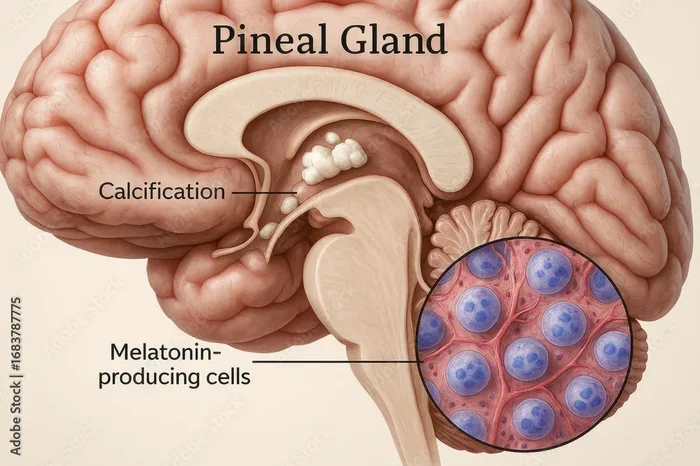
Unfortunately, the pineal gland is vulnerable to damage over time. Unlike most of the brain, which is protected by the blood-brain barrier, the pineal gland is located outside of this barrier. This means it is directly exposed to the bloodstream and the chemicals it carries. As we age, the gland can accumulate calcium deposits, a process known as calcification. When the gland calcifies, it becomes hard and less effective at producing melatonin. This is one reason why older adults often struggle with sleep issues. But calcification is not just a problem for the elderly. Modern lifestyles can accelerate this process significantly.
Visual guide about pineal gland illustration
Image source: as2.ftcdn.net
Fluoride And Heavy Metals
One of the biggest culprits behind pineal gland calcification is fluoride. The pineal gland has a high concentration of calcium, and it attracts fluoride like a magnet. When fluoride binds with calcium in the gland, it forms calcium phosphate crystals, which harden the tissue. This is why some health advocates recommend drinking filtered water to reduce fluoride intake. Heavy metals like mercury and aluminum can also accumulate in the gland, further impairing its function. By minimizing your exposure to these substances, you can help keep your pineal gland healthy and functioning well into old age.
Poor Diet And Lack Of Sunlight
What you eat and how you interact with the sun also impacts your gland. A diet high in processed foods, sugar, and artificial additives can contribute to inflammation and calcification. On the other hand, a lack of natural sunlight disrupts the light-dark signals your gland relies on. If you spend all day indoors under artificial lighting, your pineal gland may not get the strong, clear signals it needs to regulate your circadian rhythm properly. This can lead to chronic sleep deprivation and a host of other health issues. In fact, poor sleep and low energy can even affect your mood and mental well-being, which is why understanding how energy levels relate to mental health is so important.
How To Keep Your Pineal Gland Healthy
The good news is that you can take steps to protect and even decalcify your pineal gland. By making a few simple lifestyle changes, you can support its natural function and enjoy better sleep, more energy, and improved overall health. Here are some practical ways to keep your gland in top shape.
Dietary Changes For Decalcification
What you eat matters. To support your pineal gland, focus on a diet rich in whole, unprocessed foods. Foods high in iodine, like seaweed and kelp, can help flush fluoride from the body. Boron, found in foods like chickpeas, almonds, and avocados, is also excellent for decalcification. Raw cacao is another superfood for the brain. It is packed with antioxidants and can boost blood flow to the brain. Apple cider vinegar is great for detoxification, and adding it to your water can help cleanse your system. Staying hydrated with clean, filtered water is also essential to keep toxins from building up.
Sleep Hygiene Practices
Since the pineal gland thrives on a regular light-dark cycle, practicing good sleep hygiene is crucial. Try to go to bed and wake up at the same time every day, even on weekends. Make your bedroom as dark as possible. Blackout curtains can block out street lights, and covering any small LED lights from electronics can make a big difference. Avoid screens like phones, tablets, and computers at least an hour before bed. The blue light from these devices tricks your brain into thinking it is still daytime, suppressing melatonin production. If you must use screens, wear blue light blocking glasses to protect your eyes and your brain.
Natural Sunlight Exposure
Getting outside in the morning sun is one of the best things you can do for your pineal gland. Morning sunlight is rich in infrared light, which penetrates deep into the brain and stimulates the gland. Aim to spend at least 15 to 20 minutes outside every morning without sunglasses. This will set your internal clock and ensure that your melatonin levels drop appropriately during the day, so they can rise again at night. If you live in a cloudy climate, a light therapy box can be a good substitute during the winter months.
- Drink plenty of filtered water throughout the day.
- Eat organic foods to avoid pesticides and chemicals.
- Practice meditation to reduce stress and support spiritual connection.
- Take a high-quality magnesium supplement before bed to support sleep.
- Drinking fluoridated tap water daily.
- Eating heavy meals right before bedtime.
- Using bright LED lights late at night.
- Staying indoors all day without natural sunlight.
- Ignoring signs of chronic fatigue and brain fog.
Healthy Pineal Gland vs. Calcified Pineal Gland
To truly understand the impact of your lifestyle choices, it helps to see the difference between a healthy gland and a calcified one. A healthy pineal gland is soft, flexible, and highly active. It produces a steady, reliable supply of melatonin, ensuring deep, restorative sleep. A calcified gland, on the other hand, is stiff and hardened. Its ability to produce melatonin is severely diminished, leading to poor sleep and a disrupted circadian rhythm. Here is a comparison table to illustrate the key differences:
| Feature | Healthy Pineal Gland | Calcified Pineal Gland |
|---|---|---|
| Appearance | Soft, flexible, and active | Hard, crystallized, and inactive |
| Melatonin Production | High and consistent | Low and erratic |
| Sleep Quality | Deep, restorative, and restful | Fragmented, restless, and poor |
| Circadian Rhythm | Perfectly synced with nature | Disrupted and out of sync |
| Energy Levels | High and stable throughout the day | Low, with afternoon crashes |
| Mood | Balanced and positive | Irritable, anxious, or depressed |
The Impact Of A Healthy Pineal Gland On Your Life
When your pineal gland is functioning optimally, the benefits ripple through every aspect of your life. You wake up feeling refreshed and ready to tackle the day. Your mind is sharp, your memory is clear, and your mood is stable. You are less likely to suffer from seasonal affective disorder, a type of depression that comes and goes with the seasons. Your immune system is stronger, and your body is better equipped to fight off illness. On a deeper level, a healthy gland can enhance your intuition and sense of connection to the world around you. It is amazing how much a tiny gland in your brain can influence your entire existence. If you are looking to align your daily habits with your deeper purpose, exploring finding clarity in your life’s purpose can be a wonderful next step.
Conclusion
So, what does the pineal gland do? It acts as the master clock of your body, regulating your sleep, your hormones, and your overall sense of well-being. It is a tiny but mighty gland that deserves your attention and care. By understanding its functions and the factors that can harm it, you can take proactive steps to protect it. Start by drinking filtered water, eating clean, whole foods, and getting plenty of morning sunlight. Create a sleep sanctuary free from blue light and distractions. Your pineal gland works hard for you every single night. Return the gift by giving it the care it needs to keep you healthy, happy, and thriving for years to come.
Frequently Asked Questions
What happens if the pineal gland is damaged?
If the pineal gland is damaged, it can lead to severe sleep disorders, hormonal imbalances, and a disrupted circadian rhythm. This can cause chronic fatigue, mood swings, and difficulty regulating your body’s internal clock. In some cases, it may also affect the timing of puberty in younger individuals.
Can you live without a pineal gland?
Yes, you can live without a pineal gland, but it requires medical intervention. Without the gland, your body cannot naturally produce melatonin. You would need to take melatonin supplements to regulate your sleep-wake cycle and maintain a healthy circadian rhythm.
Does fluoride really calcify the pineal gland?
Yes, scientific studies have shown that fluoride accumulates in the pineal gland at much higher levels than in other tissues. This accumulation leads to the formation of calcium phosphate crystals, which harden the gland and reduce its ability to produce melatonin effectively.
How do I know if my pineal gland is calcified?
There is no simple at-home test, but common signs of a calcified pineal gland include chronic insomnia, waking up tired, brain fog, and frequent headaches. A CT scan can actually show the calcification, as the hardened tissue appears differently than the surrounding brain matter.
Does the pineal gland produce DMT?
There is ongoing scientific debate about whether the pineal gland produces DMT (Dimethyltryptamine), a powerful psychedelic compound. Some researchers believe it is released during deep meditation, dreaming, or near-death experiences, but conclusive human studies are still lacking.
What foods help decalcify the pineal gland?
Foods rich in iodine, like seaweed and kelp, are excellent for decalcification. Boron-rich foods such as chickpeas, almonds, and avocados also help. Additionally, raw cacao, apple cider vinegar, and clean, filtered water support the body’s natural detoxification processes.
