
Refinancing your mortgage can feel expensive, but the best mortgage refinance companies with no closing costs make it easier. These lenders absorb upfront fees so you can lower your rate without draining your savings. However, truly free refinancing often comes with trade-offs like higher interest rates or rolled-in costs. We break down the top options, what to watch for, and how to pick the right fit for your budget.
This is a comprehensive guide about Best Mortgage Refinance Companies With No Closing Costs.
Visual guide about mortgage refinancing paperwork
Image source: assets1.cbsnewsstatic.com
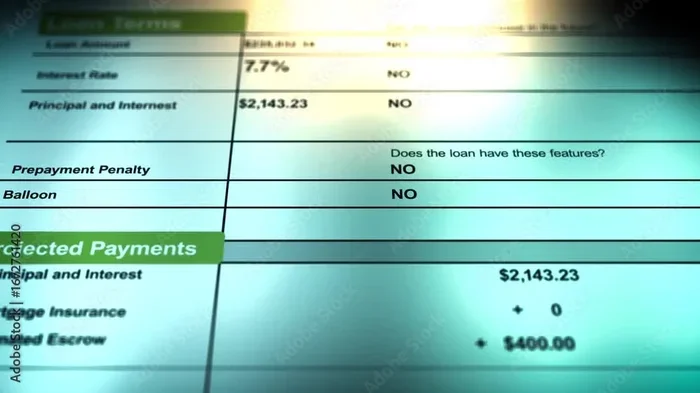
Visual guide about mortgage refinancing paperwork
Image source: as1.ftcdn.net
Visual guide about mortgage refinancing paperwork
Image source: d1xi7ur86frsfd.cloudfront.net
Key Takeaways
- No closing costs are rarely free: Lenders typically cover fees by charging a slightly higher interest rate or adding costs to your loan balance.
- Compare the total cost, not just the upfront price: A zero-closing-cost offer might save you money now but cost more over the life of the loan.
- Top lenders offer flexible no-cost options: Many major banks and online mortgage companies let you choose between rate credits, lender credits, or rolled-in fees.
- Your credit score and equity matter: Better financial profiles unlock more competitive no-closing-cost deals and lower baseline rates.
- Break-even analysis is essential: Calculate how long it takes for your monthly savings to offset any hidden costs or rate differences.
- Read the fine print on lender credits: Some companies limit how much they will cover, and certain fees like government recording charges are rarely waived.
- Shop multiple offers before committing: Rate sheets vary widely, and a different lender might give you a better combination of rate and fee coverage.
[FEATURED_IMAGE_PLACEHOLDER]
Understanding No Closing Cost Refinancing
When you hear about mortgage refinance companies with no closing costs, it sounds like a dream come true. Nobody wants to hand over thousands of dollars just to lower their monthly payment. The good news is that many lenders do offer ways to skip upfront fees. The catch is that the costs rarely disappear. They usually shift somewhere else in the deal.
Closing costs typically include appraisal fees, title insurance, origination charges, and recording fees. These expenses can easily add up to two to five percent of your loan amount. When a lender advertises zero closing costs, they are usually offering a trade-off. You might accept a slightly higher interest rate in exchange for a lender credit. Or the closing costs might get rolled into your new loan balance. Either way, you avoid paying cash out of pocket at closing.
This approach works well for homeowners who plan to move or refinance again soon. If you only keep the loan for a few years, paying upfront fees rarely makes sense. A no-closing-cost structure lets you capture immediate savings without waiting for a break-even point. It also helps people who are tight on cash right now. The key is understanding exactly how the lender is covering those costs so you can compare offers apples to apples.
How Lender Credits Work
A lender credit is the most common way to get no closing costs refinance deals. The lender gives you a credit at closing that offsets your fees. In return, you agree to a higher interest rate. This trade-off is often called paying points in reverse. Instead of paying upfront to buy down your rate, you let the rate rise slightly and get cash back.
For example, imagine you qualify for a three percent rate with normal closing costs. A lender might offer you three point two five percent with a credit that covers all your fees. That extra quarter percent sounds small, but it can add up over time. The right choice depends on how long you plan to hold the loan. If you sell or refinance within a few years, the higher rate may not matter much.
When Closing Costs Get Rolled In
Another common approach is rolling closing costs into the new loan balance. This works best if you have enough equity in your home. Instead of writing a check at closing, your new loan amount increases slightly. You still avoid out-of-pocket expenses, but you end up paying interest on those costs over time.
This method can feel invisible because your monthly payment might not jump much. However, it does increase your total debt and can affect your loan-to-value ratio. If you are close to eighty percent equity, rolling in costs might push you into a higher pricing tier. Always check how the new balance affects your overall financial picture before signing.
Top Mortgage Refinance Companies With No Closing Costs
Finding the best mortgage refinance companies with no closing costs takes a bit of legwork. Different lenders structure their no-cost offers in different ways. Some focus on online convenience and fast quotes. Others rely on local loan officers who can customize a deal. The right choice depends on your priorities, your credit profile, and how much guidance you want.
Below are several well-known lenders that frequently offer no-closing-cost options. Keep in mind that rates and programs change often. Always ask for a written loan estimate that shows the exact rate, credit amount, and fees before you compare offers.
Online Lenders With Flexible No-Cost Options
Online mortgage companies often compete on speed and transparency. Many of them let you choose between a standard rate with fees or a higher rate with a lender credit. This flexibility makes it easier to find a refinance with no closing costs that fits your timeline. Online lenders also tend to have lower overhead, which can translate into leaner base fees even before credits kick in.
When working with an online lender, pay close attention to the loan estimate form. Compare the interest rate, the monthly payment, and the total closing costs line by line. Some online companies advertise zero closing costs but still charge certain third-party fees. Ask specifically which fees the credit covers and whether any costs remain due at closing.
Traditional Banks And Credit Unions
Big banks and local credit unions can be strong contenders for no-cost refinancing. They sometimes offer relationship discounts if you already keep accounts or send direct deposits their way. A credit union might also have more flexible underwriting for members with steady income but thinner credit files. These institutions often let loan officers adjust rate and credit combinations manually.
The tradeoff is that traditional lenders may move slower than online companies. You might work with a local loan officer who answers questions in person, which many borrowers appreciate. If you value face-to-face service and already have a banking relationship, it is worth asking about no-closing-cost programs. Just make sure the rate they offer still beats what you could get elsewhere after the credit is applied.
Comparing Lender Approaches
Different lenders handle no-cost offers in different ways. Some give you a menu of rate and credit choices. Others present a single no-cost option and leave little room to negotiate. Knowing these patterns helps you ask better questions and spot hidden costs faster.
Here is a quick comparison of common approaches you will see across mortgage refinance companies:
| Lender Type | Typical No-Cost Method | Best For | Watch Out For |
|---|---|---|---|
| Online lenders | Lender credits tied to a higher rate | Borrowers who want fast quotes and flexibility | Make sure all fees are actually covered |
| Traditional banks | Relationship discounts plus rate adjustments | Customers with existing banking ties | Rates may not be the lowest available |
| Credit unions | Member-focused pricing and manual overrides | Borrowers who value service and steady income | Membership rules and slower processing |
| Mortgage brokers | Access to multiple lender programs | People who want side-by-side comparisons | Broker fees can sometimes offset credits |
Hidden Costs To Watch For
Even when a lender says you will pay nothing at closing, you still need to read the numbers carefully. Some charges are harder to waive than others. Government recording fees, for example, usually go to a county or city, not the lender. Prepaid items like property taxes and homeowners insurance also show up on the closing statement. These are not really lender fees, but they can still make your cash-to-close look bigger than expected.
Another thing to watch is the interest rate itself. A no closing costs refinance often comes with a rate that is a quarter or half percent higher than a traditional loan. That difference may sound tiny, but it affects your monthly payment and your total interest over time. If you keep the loan for many years, the higher rate can cost more than the original closing fees would have.
The Break-Even Question
Before you accept any no-cost offer, calculate your break-even point. This tells you how long it takes for your monthly savings to outweigh the costs you avoided or absorbed. If a no-cost deal raises your rate slightly, your monthly savings might be smaller than expected. In that case, it could take longer to come out ahead.
A simple way to think about it is this. If you save one hundred dollars a month but your rate is higher by half a percent, run the numbers over three, five, and ten years. If you plan to move within three years, the no-cost option might win. If you plan to stay much longer, paying some fees upfront for a lower rate could make more sense. The right answer depends on your timeline and your budget.
Fees That Rarely Disappear
Some costs are stubborn. Appraisal fees, title services, and government charges often remain on the table even with generous lender credits. A lender might cover their own origination fee and discount points, but third-party services can still leave a balance. Ask for a detailed list of which line items the credit applies to. If the credit does not cover everything, you could still owe a few hundred dollars at closing.
Also pay attention to escrow requirements. Some lenders require a larger cushion for taxes and insurance, which can increase the cash you need to bring. This is not a closing cost in the strict sense, but it affects your out-of-pocket total. If cash is tight, ask whether the lender can reduce the escrow cushion or use existing escrow from your current loan.
How To Qualify For The Best No-Cost Offers
Your financial profile plays a huge role in what mortgage refinance companies with no closing costs can offer you. Lenders look at credit score, debt-to-income ratio, employment history, and home equity. The stronger these factors look, the more room a lender has to give you a favorable rate and a meaningful credit. If your profile is weaker, the same no-cost offer might come with a much higher rate.
Equity matters a lot. If you owe much less than your home is worth, lenders see less risk. That often opens the door to better pricing and more flexible fee coverage. If your equity is thin, you may still qualify, but the rate might be higher and the credit smaller. Knowing your loan-to-value ratio before you shop helps you set realistic expectations.
Credit Score And Rate Trade-Offs
Credit scores directly affect your baseline rate. A higher score usually unlocks lower rates, which gives you more room to accept a no-cost credit without moving into a painful rate tier. If your score is on the lower side, even a small rate increase for no closing costs can feel expensive. In that case, it may be worth spending a little time improving your credit before you apply.
Small moves can help. Paying down credit card balances, correcting errors on your report, and avoiding new debt before applying can all make a difference. Even a modest score bump might move you into a better pricing band. That could give you a lower base rate and a stronger no-cost offer at the same time.
Income, Debt, And Documentation
Lenders also want to see stable income and manageable debt. If your debt-to-income ratio is high, you may face tighter pricing or reduced credit options. Paying down a car loan or consolidating credit card debt before refinancing can improve your numbers. Keep your documentation organized too. Pay stubs, tax returns, and bank statements should be ready to go so the process moves smoothly.
A clean application file can also reduce the chance of last-minute fee surprises. When underwriting goes smoothly, there are fewer conditions and fewer third-party reorders. That does not guarantee zero closing costs, but it helps keep the process predictable and the final numbers closer to the original estimate.
When No Closing Costs Makes Sense And When It Does Not
A no-closing-cost refinance is not always the best move. It shines when you want immediate cash savings, plan to move soon, or need to keep money in your emergency fund. It can also help if your current rate is high and you want to lower your payment without dipping into savings. For people who value flexibility, skipping upfront fees can be a smart short-term play.
It makes less sense if you plan to stay in the home for a long time and could easily afford the closing costs. In that case, paying fees to secure a lower rate often wins over time. The lower payment and reduced interest can outweigh the initial expense. If you are unsure, run both scenarios and compare the total cost over the period you actually expect to keep the loan.
Short-Term Homeowners
If you think you might sell or refinance again within a few years, a no-cost structure often makes the most sense. You get the benefit of a lower payment right away without tying up cash in fees. Since you will not hold the loan long enough to feel the full impact of a slightly higher rate, the trade-off is usually worth it. This is one of the most common reasons people choose refinance with no closing costs.
Long-Term Homeowners
If you plan to stay put for many years, look closely at the lifetime cost. A lower rate with standard closing costs may save you more money over time, even after accounting for the upfront expense. The key is to compare the total interest paid, not just the first month’s payment. A slightly higher rate on a no-cost loan can quietly add up over a decade or more.
Questions To Ask Before You Sign
Before you commit to any mortgage refinance companies with no closing costs, ask direct questions. The answers will tell you whether the deal is truly competitive or just cleverly marketed. A good loan officer should explain the trade-offs clearly and give you numbers you can compare.
Start by asking how the no-cost offer is structured. Is it a lender credit, a rolled-in balance, or a combination of both? Ask which fees the credit covers and which ones remain. Request a written loan estimate that shows the interest rate, monthly payment, and total closing costs with and without the credit. Then compare that estimate to at least one other offer so you can see the difference.
Key Questions To Ask
- What interest rate do I get with and without the lender credit?
- Which closing costs does the credit actually cover?
- Are there any fees I will still owe at closing?
- How does the new loan balance compare to my current one?
- What is my break-even point if I accept this offer?
- Will this refinance affect my escrow or monthly taxes and insurance?
- Can I lock the rate, and how long is the lock good for?
These questions help you see the full picture. They also make it harder for hidden costs to slip by unnoticed. If a lender hesitates to answer clearly, that is a warning sign. Transparency matters, especially when you are trying to lower your housing costs without creating new ones.
Practical Tips For A Smooth Refinance
A little preparation goes a long way. Gather your documents early, check your credit, and decide how long you plan to keep the loan. That timeline should drive your decision more than any marketing claim. If you know you will move soon, lean toward no closing costs. If you plan to stay, compare the lifetime cost carefully.
Also keep an eye on timing. Rate markets change, and a good offer today might not look the same next week. If you find a strong no-cost deal, ask about a rate lock. A lock can protect you from increases during processing. Just make sure you understand the lock period and any extension fees if the closing gets delayed.
Quick Tips
- Compare at least three loan estimates before choosing.
- Focus on the interest rate, payment, and total cost over your expected timeline.
- Ask exactly which fees the lender credit covers.
- Check whether rolling in costs changes your loan-to-value ratio.
- Lock your rate if you are happy with the offer and closing is still weeks away.
- Keep some cash reserved for any small remaining fees or escrow needs.
Conclusion
The best mortgage refinance companies with no closing costs can help you lower your payment without draining your savings, but the deal only works if you understand the trade-offs. No-cost refinancing usually means a higher rate, a bigger loan balance, or both. That is not necessarily bad. It just means you need to compare the full picture, not just the closing table.
If you plan to move soon, need cash flexibility, or want to avoid upfront fees, a no-closing-cost refinance can be a smart choice. If you expect to stay in your home for a long time, paying some costs for a lower rate may save more money in the end. Either way, shop carefully, ask clear questions, and choose the option that fits your timeline and budget. When you do that, refinancing can become a practical tool instead of a confusing expense.
Frequently Asked Questions
What does no closing costs really mean on a refinance?
It usually means the lender covers some or all upfront fees through a credit, a higher rate, or a larger loan balance. The costs do not disappear, so you still need to review which fees are covered and what trade-off you are accepting.
Can I really refinance with no money out of pocket?
Yes, many borrowers can avoid paying cash at closing if the lender provides enough credit or rolls costs into the loan. However, you may still need funds for prepaid items, escrow, or small third-party charges that the credit does not cover.
Do no closing cost refinances have higher interest rates?
They often do, because the lender usually offsets the covered fees by offering a slightly higher rate. The increase may be small, but it can affect your monthly payment and total interest over time, so compare both scenarios carefully.
How do I know if a no-cost refinance is worth it?
Check your break-even timeline and how long you plan to keep the loan. If you will move or refinance again soon, no closing costs can make sense. If you plan to stay long term, a lower rate with standard fees may save more money overall.
Which fees are hardest to waive at closing?
Government recording fees, prepaid taxes, and homeowners insurance are often not fully waivable because they go to third parties or cover future payments. Lender origination charges and discount points are easier to offset with a credit, but title and appraisal costs may still appear on the statement.
Should I choose a lender credit or pay points upfront?
Choose a lender credit if you want to preserve cash now or expect a shorter loan timeline. Pay points upfront if you can afford the expense and want a lower rate for the long haul. The best choice depends on your budget, your timeline, and the total cost over the life of the loan.
