
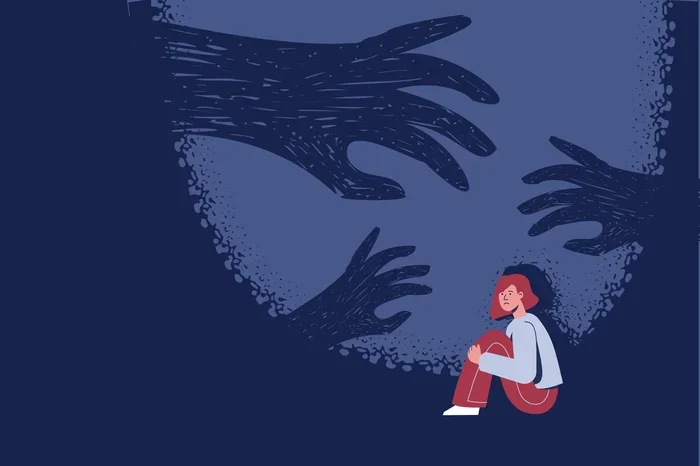
Nyctophobia, or the intense fear of the dark, affects millions of people worldwide and can significantly impact sleep quality, daily functioning, and relationships. This comprehensive guide explores the root causes, common symptoms, and evidence-based strategies to help you or your loved one overcome this challenging phobia and reclaim peaceful nights.
[FEATURED IMAGE_PLACEHOLDER]
Fear of the dark, clinically known as nyctophobia, is one of the most common specific phobias affecting people of all ages. While many associate it with childhood, the truth is that millions of adults worldwide struggle with an intense, irrational fear of darkness that goes far beyond simply preferring a nightlight. This fear can disrupt your sleep, strain your relationships, and create a constant undercurrent of anxiety that follows you from dusk to dawn. The good news? Nyctophobia is highly treatable, and understanding it is the first powerful step toward overcoming it. In this guide, we will explore what causes this fear, how it manifests in your body and mind, and most importantly, practical strategies to help you cope and eventually conquer it.
Key Takeaways
- Nyctophobia is more than just a childhood fear: It can persist into adulthood and significantly disrupt sleep, mental health, and relationship dynamics.
- Root causes vary widely: From traumatic experiences and evolutionary instincts to anxiety disorders and learned behaviors, understanding your trigger is the first step to healing.
- Physical and emotional symptoms are real: Rapid heartbeat, sweating, panic attacks, and avoidance behaviors are common manifestations of this phobia.
- Relationships can be affected: Fear of the dark may create tension around bedtime routines, intimacy, and shared living spaces with partners.
- Effective treatments exist: Cognitive behavioral therapy, exposure therapy, relaxation techniques, and gradual desensitization have proven highly successful.
- Small lifestyle changes help: Nightlights, grounding techniques, and creating a safe sleep environment can make a meaningful difference starting tonight.
- Professional support is available: Therapists specializing in phobias can provide personalized treatment plans for lasting recovery.
📑 Table of Contents
- What Is Nyctophobia? Understanding the Fear of the Dark
- What Causes Nyctophobia? Exploring the Root Causes
- Recognizing the Symptoms of Nyctophobia
- How Nyctophobia Affects Relationships and Daily Life
- Effective Coping Strategies for Nyctophobia
- When to Seek Professional Help
- Supporting a Loved One with Nyctophobia
- Long-Term Outlook and Building Resilience
- Conclusion
What Is Nyctophobia? Understanding the Fear of the Dark
Nyctophobia comes from the Greek words “nyx” meaning night and “phobos” meaning fear. It is classified as a specific phobia, which means it involves an intense, persistent, and irrational fear of a particular situation or stimulus. In this case, that stimulus is darkness or nighttime environments.
But here is the important distinction: nyctophobia is not simply disliking the dark. It is not the mild unease you might feel walking down an unlit street. Nyctophobia involves a fear response so severe that it interferes with your daily life, your ability to sleep, and your overall sense of safety.
People with nyctophobia often experience overwhelming anxiety at the mere thought of being in the dark. They may go to extreme lengths to avoid darkness, such as sleeping with every light on, refusing to go out after sunset, or experiencing panic attacks when the lights go out.
How Common Is Nyctophobia?
You might be surprised to learn just how widespread this fear really is. Studies suggest that approximately 11% of the population experiences some form of specific phobia during their lifetime, and fear of the dark ranks among the most prevalent. While it typically emerges between ages 2 and 6, it does not always fade with age. Research published in the journal Sleep Medicine found that a significant percentage of adults report moderate to severe anxiety related to darkness.
Many adults feel embarrassed about their fear, which means they suffer in silence rather than seeking help. This silence can make the phobia worse over time, as avoidance behaviors reinforce the brain’s fear response.
What Causes Nyctophobia? Exploring the Root Causes
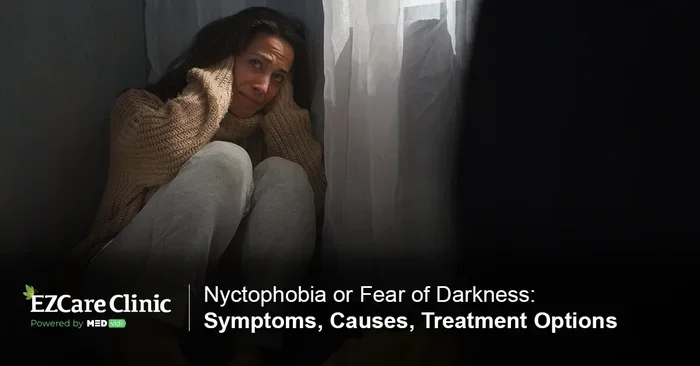
Visual guide about fear of darkness
Image source: ezcareclinic.io
Understanding where your fear comes from is a crucial part of overcoming it. Nyctophobia rarely has a single cause. Instead, it typically develops from a combination of factors that vary from person to person.
Evolutionary and Biological Factors
Humans are naturally diurnal creatures. Our ancestors relied heavily on vision for survival, and darkness historically meant increased danger from predators. This evolutionary wiring means our brains are naturally more alert and cautious in low-light environments. For most people, this manifests as mild caution. For those with nyctophobia, this ancient survival mechanism becomes amplified to an extreme degree.
Research suggests that some people have a more sensitive amygdala, the brain’s fear center. This heightened sensitivity means their brain interprets darkness as a genuine threat, triggering a full fight-or-flight response even when they are perfectly safe in their own bedroom.
Traumatic Experiences
One of the most common triggers for nyctophobia is a traumatic experience that occurred in the dark or was associated with darkness. This could include:
- Being locked in a dark room as a child
- Experiencing or witnessing abuse during nighttime hours
- A home invasion or break-in that happened after dark
- Being left alone in the dark as punishment
- A frightening event during a power outage
- Watching horror movies that created lasting associations between darkness and danger
The brain is remarkably good at forming associations. When something frightening happens in the dark, the brain can link darkness itself with danger, creating a conditioned fear response that persists long after the original event.
Learned Behavior and Family Influence
Sometimes nyctophobia is learned rather than experienced directly. Children are incredibly perceptive and pick up on the fears and anxieties of their caregivers. If a parent consistently expressed fear of the dark, checked locks obsessively at night, or treated darkness as something dangerous, the child may internalize those fears.
Similarly, well-meaning parents who use darkness as a threat (“The boogeyman will get you if you do not behave”) can inadvertently plant the seeds of nyctophobia. These early messages shape how a child’s brain processes and responds to darkness well into adulthood.
Anxiety Disorders and Mental Health Connections
Nyctophobia often coexists with other anxiety conditions. People with generalized anxiety disorder, panic disorder, or post-traumatic stress disorder are more likely to develop specific phobias, including fear of the dark. The underlying anxiety creates a fertile ground for specific fears to take root and grow.
In some cases, the fear of the dark is actually a fear of what the darkness represents. It might symbolize the unknown, loss of control, vulnerability, or even deeper existential fears about mortality. Understanding this symbolic layer can be important for effective treatment.
Recognizing the Symptoms of Nyctophobia
Visual guide about fear of darkness
Image source: onlinelifeguide.com
Nyctophobia manifests through a wide range of physical, emotional, and behavioral symptoms. Recognizing these signs is important because many people do not immediately connect their struggles to a fear of the dark.
Physical Symptoms
When confronted with darkness or even the anticipation of darkness, people with nyctophobia may experience:
- Rapid heartbeat and palpitations
- Shortness of breath or hyperventilation
- Sweating and trembling
- Nausea or stomach discomfort
- Dizziness or lightheadedness
- Chest tightness or pain
- Dry mouth and difficulty swallowing
- Muscle tension throughout the body
These physical symptoms are part of the body’s fight-or-flight response. Your brain perceives darkness as a threat and floods your system with adrenaline and cortisol, preparing you to either fight the danger or flee from it.
Emotional and Cognitive Symptoms
The emotional experience of nyctophobia can be just as intense as the physical one. Common emotional symptoms include:
- Overwhelming dread or sense of impending doom
- Intense anxiety that builds as bedtime approaches
- Feeling of losing control or going crazy
- Hypervigilance and constantly scanning for threats
- Catastrophic thinking about what might happen in the dark
- Feelings of helplessness and vulnerability
Many people with nyctophobia describe a racing mind that becomes especially active in the dark. Every sound becomes amplified. Every shadow seems threatening. The imagination, unchecked by visual input, creates scenarios that feel terrifyingly real.
Behavioral Symptoms
The behavioral patterns associated with nyctophobia often have the most significant impact on daily life:
- Sleeping with lights on or requiring a completely lit environment
- Avoiding nighttime activities entirely
- Refusing to sleep alone and needing someone present
- Excessive checking of locks, windows, and rooms before bed
- Procrastinating bedtime to delay entering a dark room
- Using electronic devices as a light source throughout the night
- Avoiding travel or situations that might involve being in the dark
These avoidance behaviors provide temporary relief but ultimately reinforce the phobia. Each time you avoid darkness, your brain learns that darkness is indeed something to fear, making the phobia stronger over time.
How Nyctophobia Affects Relationships and Daily Life
Visual guide about fear of darkness
Image source: static.tildacdn.net
The impact of nyctophobia extends well beyond bedtime. It can create significant challenges in romantic relationships, social life, and overall well-being.
Impact on Romantic Relationships
Fear of the dark can create unique tensions in romantic relationships. Partners may struggle to understand why someone cannot simply “turn off the lights and go to sleep.” This misunderstanding can lead to frustration on both sides.
Common relationship challenges include:
- Conflicting sleep preferences: One partner needs darkness for quality sleep while the other needs light
- Intimacy issues: Fear of the dark may affect physical intimacy and emotional closeness in the bedroom
- Social limitations: Avoiding evening activities, movies, or nighttime events together
- Codependency patterns: Relying on a partner to always be present at bedtime
- Resentment building: Partners may feel controlled or limited by the phobia
Learning how to communicate openly about your fears and work together toward solutions is essential. Just as letting go of what holds you back can transform your relationship, releasing the grip of nyctophobia can open the door to deeper connection and intimacy with your partner.
Impact on Sleep Quality
Sleep is fundamental to physical and mental health, and nyctophobia can severely compromise it. Many people with this phobia experience chronic insomnia, difficulty falling asleep, or frequent nighttime awakenings. The resulting sleep deprivation creates a vicious cycle: lack of sleep increases anxiety, which makes the fear of the dark worse, which further disrupts sleep.
Over time, chronic sleep deprivation can lead to weakened immune function, difficulty concentrating, mood swings, and increased risk of depression and anxiety disorders.
Impact on Independence and Confidence
Nyctophobia can erode your sense of independence and self-confidence. When you cannot sleep alone, travel freely, or navigate your own home after dark without anxiety, it sends a message to yourself that you are not capable. This can generalize to other areas of life, creating a broader pattern of avoidance and self-doubt.
Effective Coping Strategies for Nyctophobia
The most important thing to know about nyctophobia is that it is highly treatable. With the right approach, most people can significantly reduce or completely overcome their fear of the dark. Here are evidence-based strategies that have helped countless individuals reclaim their nights.
Gradual Exposure Therapy
Exposure therapy is considered the gold standard treatment for specific phobias, including nyctophobia. The principle is simple but powerful: by gradually and systematically exposing yourself to the feared situation in a controlled way, your brain learns that darkness is not actually dangerous.
Here is how a gradual exposure plan might look:
- Step 1: Sit in a dimly lit room for 5 minutes while practicing deep breathing
- Step 2: Turn off one light in your home and sit comfortably for 10 minutes
- Step 3: Spend time in a slightly darker room with a nightlight
- Step 4: Gradually reduce the brightness of your nightlight over several weeks
- Step 5: Practice being in complete darkness for short periods during the day
- Step 6: Gradually extend the time spent in darkness
- Step 7: Practice sleeping with progressively less light in your bedroom
The key is to move at your own pace and never push yourself to the point of panic. Each successful exposure builds confidence and weakens the fear response. Working with a therapist during this process can significantly improve outcomes and provide crucial support.
Cognitive Behavioral Techniques
Cognitive behavioral therapy, or CBT, helps you identify and challenge the irrational thoughts that fuel your fear. When you are in the dark, your mind might generate thoughts like “Someone is hiding in my room” or “Something terrible is about to happen.” CBT teaches you to recognize these thoughts as products of anxiety rather than reality.
Try this exercise: Write down your specific fears about the dark. Then, for each fear, ask yourself:
- What is the actual evidence that this will happen?
- What is the most likely outcome?
- Have I been in this situation before without anything bad happening?
- What would I tell a friend who had this fear?
This process of cognitive restructuring helps your brain develop new, more realistic thought patterns about darkness.
Relaxation and Grounding Techniques
When anxiety strikes in the dark, having practical tools to calm your nervous system can make an enormous difference. These techniques activate your parasympathetic nervous system, which counteracts the fight-or-flight response.
Deep Breathing Exercise:
- Breathe in slowly through your nose for 4 counts
- Hold your breath for 4 counts
- Exhale slowly through your mouth for 6 counts
- Repeat for 5-10 cycles
5-4-3-2-1 Grounding Technique:
- Identify 5 things you can feel (the blanket, the pillow, your feet on the floor)
- Identify 4 things you can hear (the fan, traffic outside, your breathing)
- Identify 3 things you can smell (laundry detergent, fresh air)
- Identify 2 things you can taste (toothpaste, a sip of water)
- Identify 1 thing you are grateful for
These techniques anchor you in the present moment and remind your brain that you are safe right now, regardless of the darkness around you.
Creating a Safe Sleep Environment
While the ultimate goal is to reduce your dependence on safety behaviors, creating a comfortable sleep environment can support your progress and help you get the rest you need during recovery.
Consider these practical adjustments:
- Use a dimmable nightlight: Start with a brightness that feels safe and gradually dim it over time
- Try a sunset lamp: These gradually dim over 30-60 minutes, easing the transition to darkness
- Weighted blankets: The gentle pressure can provide a sense of security and reduce anxiety
- White noise machines: Consistent sound can mask startling noises and create a soothing atmosphere
- Aromatherapy: Lavender, chamomile, and vanilla scents promote relaxation
- Comfort objects: A favorite pillow, stuffed animal, or soft blanket can provide comfort
Mindfulness and Meditation
Mindfulness practices help you develop a different relationship with your fear. Instead of fighting the anxiety or trying to escape it, mindfulness teaches you to observe it without judgment. This might sound counterintuitive, but research consistently shows that accepting anxiety rather than resisting it reduces its power over time.
A simple bedtime meditation practice:
- Lie comfortably in your bed and close your eyes
- Bring your attention to your breath without trying to change it
- Notice any anxious thoughts or sensations without engaging with them
- Imagine each thought as a cloud passing through the sky
- Gently return your attention to your breath whenever your mind wanders
- Practice for 10-15 minutes each night
Over time, this practice trains your brain to remain calm in the dark and reduces the automatic fear response.
When to Seek Professional Help
While self-help strategies can be very effective, there are times when professional support is necessary. Consider reaching out to a mental health professional if:
- Your fear of the dark has persisted for more than six months
- It significantly interferes with your sleep, work, or relationships
- You experience regular panic attacks related to darkness
- Self-help strategies have not produced meaningful improvement
- Your fear is getting worse over time rather than better
- You have developed depression or other mental health concerns as a result
Types of Professional Treatment
Several therapeutic approaches have proven effective for nyctophobia:
- Cognitive Behavioral Therapy (CBT): Restructures the thought patterns that maintain your fear
- Exposure Therapy: Systematic, guided exposure to darkness in a safe therapeutic setting
- EMDR (Eye Movement Desensitization and Reprocessing): Particularly effective when nyctophobia stems from trauma
- Medication: In some cases, anti-anxiety medication may be prescribed to manage severe symptoms while you work in therapy
- Hypnotherapy: Some people find success with clinical hypnosis for phobia treatment
Finding a therapist who specializes in anxiety disorders and specific phobias will give you the best chance of success. Many therapists now offer online sessions, making treatment more accessible than ever.
Supporting a Loved One with Nyctophobia
If someone you care about struggles with fear of the dark, your support can make a meaningful difference in their recovery journey. However, it is important to provide the right kind of support.
What Helps
- Listen without judgment: Validate their experience even if the fear seems irrational to you
- Educate yourself: Learn about nyctophobia so you can understand what they are going through
- Be patient: Recovery takes time and setbacks are normal
- Encourage professional help: Gently suggest therapy if they have not sought it
- Celebrate progress: Acknowledge every step forward, no matter how small
- Participate in treatment: If invited, join them in exposure exercises or therapy sessions
What Does Not Help
- Minimizing their fear: Saying “There is nothing to be afraid of” invalidates their experience
- Forcing exposure: Pushing someone into darkness before they are ready can traumatize them further
- Expressing frustration: Anger or impatience creates shame and slows recovery
- Enabling avoidance: While accommodation feels helpful, it reinforces the phobia long-term
- Making fun of the fear: Mockery damages trust and increases isolation
Just as breaking cycles of harmful patterns requires awareness and commitment, supporting someone through nyctophobia requires understanding, patience, and a willingness to grow together.
Long-Term Outlook and Building Resilience
The prognosis for nyctophobia is overwhelmingly positive. With appropriate treatment and consistent effort, the vast majority of people experience significant improvement or complete resolution of their symptoms. Research shows that exposure therapy alone has success rates of 80-90% for specific phobias.
Building Lasting Resilience
Overcoming nyctophobia is not just about tolerating the dark. It is about building a broader sense of resilience and self-efficacy that benefits every area of your life. As you work through your fear, you develop:
- Greater emotional regulation skills that help you manage all forms of anxiety
- Increased confidence in your ability to face and overcome challenges
- Improved sleep quality that enhances your physical and mental health
- Stronger relationships built on vulnerability and mutual support
- A growth mindset that views challenges as opportunities rather than threats
Many people who overcome nyctophobia report that the skills they learned during recovery helped them tackle other fears and challenges in their lives. The courage you build by facing the dark becomes a foundation for facing everything else.
Maintaining Progress
Recovery is not always linear. There may be nights when the fear feels stronger than usual, especially during periods of stress or life transitions. This is completely normal and does not mean you have lost your progress.
To maintain your gains:
- Continue practicing relaxation techniques even after your fear has diminished
- Occasionally challenge yourself with comfortable levels of darkness
- Address stress and anxiety proactively before they trigger a setback
- Stay connected with supportive people who understand your journey
- Seek booster sessions with your therapist if needed
Remember that overcoming any fear requires patience, self-compassion, and a willingness to take small steps forward. The same principles that help people overcome other fears apply beautifully to nyctophobia.
Conclusion
Nyctophobia is a real, valid, and treatable condition that affects far more people than most realize. Whether you have struggled with fear of the dark since childhood or it developed later in life, you do not have to let it control your sleep, your relationships, or your sense of freedom. By understanding the root causes of your fear, recognizing how it manifests in your body and mind, and implementing evidence-based coping strategies, you can gradually reclaim the night.
Start small. Be patient with yourself. Celebrate every victory, no matter how minor it seems. And remember that seeking professional help is not a sign of weakness. It is a sign of strength and a commitment to living your life fully, both day and night. The darkness does not have to be your enemy. With time, effort, and the right support, it can become simply the peaceful backdrop to a good night’s sleep.
Frequently Asked Questions
What is Fear Of The Dark Nyctophobia?
Fear Of The Dark Nyctophobia is an important topic with many practical applications.
