
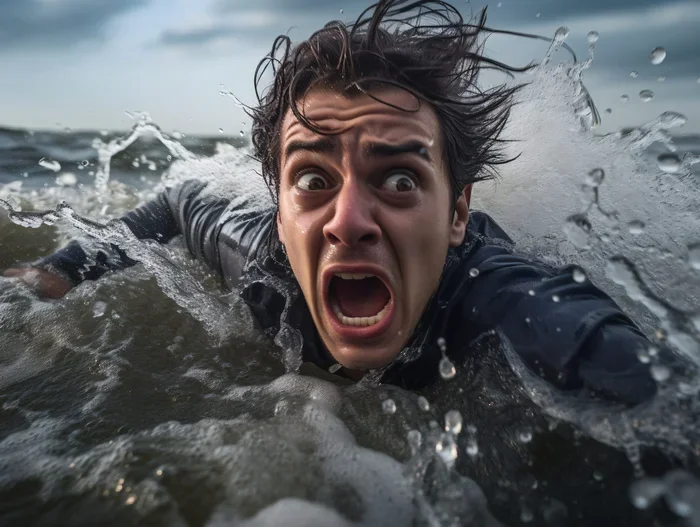
Aquaphobia, or the fear of drowning, is a specific phobia that can severely limit your life and relationships. This comprehensive guide explores the root causes, common symptoms, and proven treatment options to help you understand and overcome water-related anxiety. Whether you experience mild discomfort or full-blown panic around water, practical solutions exist to help you regain control.
Aquaphobia—the fear of drowning—affects millions of people worldwide, yet many suffer in silence, embarrassed by their inability to enjoy water activities. This intense water phobia can transform a simple beach vacation into a nightmare and make everyday situations like bathing or crossing a bridge feel terrifying. Understanding the signs, causes, and solutions for aquaphobia is the first step toward reclaiming your freedom and confidence around water. In this guide, we’ll explore everything you need to know about drowning anxiety and how to overcome it for good.
Have you ever watched friends splash in the ocean while you stood frozen on the shore? Maybe you’ve avoided pool parties, skipped family boat trips, or felt your chest tighten at the thought of swimming. You’re not alone. Many people experience water avoidance that stems from deep-seated fear rather than simple discomfort. The good news is that aquaphobia is highly treatable, and with the right approach, you can learn to manage your fear and even enjoy the water again.
Key Takeaways
- Aquaphobia is a specific phobia characterized by an intense, irrational fear of drowning that goes beyond normal water caution.
- Physical symptoms include rapid heartbeat, shortness of breath, sweating, and panic attacks when near or thinking about water.
- Common causes include traumatic water experiences, learned behavior from family members, and genetic predisposition to anxiety.
- The fear significantly impacts relationships by limiting shared activities and creating emotional distance between partners.
- Effective treatments include cognitive behavioral therapy, exposure therapy, and relaxation techniques that gradually reduce fear responses.
- Small, consistent steps toward water exposure can build confidence and eventually overcome the phobia entirely.
- Professional help is recommended when the fear interferes with daily functioning, relationships, or quality of life.
📑 Table of Contents
- What Is Aquaphobia? Understanding the Fear of Drowning
- Common Signs and Symptoms of Aquaphobia
- What Causes Aquaphobia? Exploring the Root of the Fear
- How Aquaphobia Impacts Relationships and Social Life
- Effective Solutions and Treatments for Aquaphobia
- Practical Tips for Managing Aquaphobia Day-to-Day
- Living Beyond Aquaphobia: A Path Forward
- Conclusion
What Is Aquaphobia? Understanding the Fear of Drowning
Aquaphobia is a specific phobia defined as an intense, irrational fear of water and drowning. Unlike general caution around deep water, aquaphobia triggers extreme anxiety responses that are disproportionate to the actual danger present. Someone with this fear might panic in a shallow pool, avoid bathing, or experience distress simply looking at images of water.
This condition falls under the category of specific phobias in the Diagnostic and Statistical Manual of Mental Disorders. It affects people of all ages and backgrounds, though it often begins in childhood. The fear can range from mild discomfort to debilitating panic attacks that completely restrict a person’s life.
How Aquaphobia Differs from Normal Water Caution
Everyone should respect water safety. Normal caution means wearing life jackets, supervising children near pools, and avoiding dangerous currents. Aquaphobia, however, involves an exaggerated fear response that persists even in safe environments. A person with this phobia might refuse to enter a controlled swimming pool with a lifeguard present or experience anxiety during a warm bath.
The key difference lies in the intensity and irrationality of the fear. While caution is rational and protective, aquaphobia is limiting and often recognized by the sufferer as excessive—yet they feel powerless to control it.
The Difference Between Aquaphobia and Thalassophobia
People often confuse aquaphobia with thalassophobia, but they’re distinct conditions. Thalassophobia specifically refers to the fear of deep, open water and what lies beneath it. Aquaphobia is broader—it’s the fear of drowning itself, which can occur in any body of water, including bathtubs, pools, or even large puddles.
Someone with thalassophobia might swim comfortably in a pool but panic in the ocean. Someone with aquaphobia might fear both equally because the core concern is drowning, not the water’s depth or mystery.
Common Signs and Symptoms of Aquaphobia

Visual guide about person afraid of water
Image source: images.indianexpress.com
Recognizing aquaphobia symptoms is crucial for seeking appropriate help. The signs manifest physically, emotionally, and behaviorally, often creating a cycle of avoidance that reinforces the fear over time.
Physical Symptoms You Might Experience
When confronted with water or even the thought of drowning, the body’s fight-or-flight response activates. Common physical symptoms include:
- Rapid heartbeat and palpitations
- Shortness of breath or hyperventilation
- Sweating and trembling
- Nausea or stomach distress
- Dizziness or lightheadedness
- Chest tightness or pain
- Muscle tension and weakness
- Dry mouth and difficulty swallowing
These symptoms can occur when near water, watching water-related content, or even discussing swimming. In severe cases, merely thinking about drowning can trigger a full panic attack.
Emotional and Behavioral Signs
Beyond physical reactions, aquaphobia creates distinct emotional and behavioral patterns. You might notice:
- Intense anxiety when anticipating water exposure
- Persistent worry about drowning despite statistical safety
- Avoidance behaviors that limit social activities
- Feelings of helplessness or loss of control
- Irritability when others pressure you to enter water
- Catastrophic thinking about water-related scenarios
Many people with aquaphobia develop elaborate avoidance strategies. They might decline invitations to beach resorts, avoid driving near large bodies of water, or refuse to participate in family photos near pools.
How Aquaphobia Affects Daily Life
The impact of aquaphobia extends far beyond swimming pools. This fear can affect personal hygiene, travel plans, career choices, and relationships. Some people struggle with showering or avoid rain altogether. Others limit their geographic location to areas far from oceans or lakes.
In relationships, the fear creates significant barriers. Partners may feel frustrated by canceled vacations or excluded from shared experiences. The person with aquaphobia often feels shame and isolation, which compounds the problem. Much like how holding onto fear affects your personal growth, clinging to aquaphobia without addressing it can stunt emotional development and limit life experiences.
What Causes Aquaphobia? Exploring the Root of the Fear
Visual guide about person afraid of water
Image source: alysonschafer.com
Understanding what causes aquaphobia helps demystify the condition and points toward effective treatment. Most specific phobias develop from a combination of experiences, learned behaviors, and biological factors.
Traumatic Water Experiences in Childhood
The most common cause of aquaphobia is a traumatic water experience, often occurring in childhood. Near-drowning incidents, being pushed into water, or witnessing someone else struggle in water can create lasting psychological scars. Even a single frightening experience can condition the brain to associate water with mortal danger.
Children who experienced bath time as stressful—perhaps due to harsh washing techniques or accidental submersion—may develop aquaphobia without a single dramatic incident. The cumulative effect of negative water experiences builds an association between water and threat.
Learned Behavior from Family Members
Phobias can be learned through observation. If a parent or caregiver exhibited extreme fear of water, children often adopt the same response. A mother who panics at the sight of her child near a pool teaches that water is dangerous, regardless of actual risk.
Verbal warnings also contribute. While water safety education is important, excessive warnings like “You’ll drown if you go near the water” can create irrational fear rather than healthy respect. Children absorb these messages and carry them into adulthood.
Genetic and Environmental Factors
Research suggests that anxiety disorders, including specific phobias, have a genetic component. People with a family history of anxiety disorders are more likely to develop aquaphobia. This genetic predisposition doesn’t guarantee the phobia will develop, but it lowers the threshold for fear acquisition.
Environmental factors also play a role. Growing up without access to swimming education, living in areas with water-related accidents, or consuming media coverage of drowning incidents can all contribute to developing aquaphobia. The brain’s threat-detection system becomes hypersensitive to water-related stimuli.
How Aquaphobia Impacts Relationships and Social Life
Visual guide about person afraid of water
Image source: psychologyfor.com
Water is central to many social activities, making aquaphobia particularly isolating. From pool parties and beach vacations to romantic boat rides and family reunions at lakes, water-based activities dominate leisure culture. When you fear drowning, you miss out on these shared experiences.
Avoiding Water-Based Activities with Loved Ones
Partners often struggle to understand why someone won’t simply “try harder” to overcome their fear. This misunderstanding creates tension and resentment on both sides. The person with aquaphobia feels pressured and ashamed, while their partner feels rejected or burdened by the limitations.
Social isolation frequently follows. Declining invitations repeatedly leads to fewer invitations. Friends stop planning water-related outings. The person with aquaphobia becomes increasingly isolated, which can lead to depression and relationship strain.
The Emotional Toll on Partnerships
Intimate relationships require shared experiences and mutual support. When aquaphobia prevents participation in activities a partner enjoys, it creates an imbalance. The non-phobic partner may feel they’re sacrificing experiences, while the phobic partner feels inadequate.
Communication becomes crucial. Partners who approach the situation with empathy and patience strengthen their relationship. Those who dismiss the fear as irrational or silly damage trust and intimacy. Understanding that aquaphobia is a genuine anxiety disorder—not a choice—helps partners respond with compassion rather than frustration.
Effective Solutions and Treatments for Aquaphobia
The encouraging news is that aquaphobia responds well to treatment. Most people experience significant improvement with appropriate intervention, and many overcome their fear entirely. The key is approaching treatment systematically and patiently.
Cognitive Behavioral Therapy (CBT)
CBT is the gold standard for treating specific phobias, including aquaphobia. This therapy helps you identify and challenge irrational thoughts about water and drowning. Your therapist works with you to examine the evidence for your fears and develop more balanced perspectives.
For example, if you believe “I will definitely drown if I enter a pool,” CBT helps you examine the actual statistics, your swimming ability, and safety measures in place. Over time, these cognitive shifts reduce anxiety and make exposure exercises more effective.
Exposure Therapy: Facing Your Fear Gradually
Exposure therapy involves gradual, controlled contact with water-related stimuli. The process follows a hierarchy, starting with the least anxiety-provoking situations and progressing to more challenging ones. A typical exposure hierarchy might look like:
- Looking at photographs of water
- Watching videos of people swimming
- Standing near a pool without entering
- Touching water with your hands
- Standing in shallow water
- Progressing to deeper water with support
- Eventually swimming independently
Each step is repeated until anxiety decreases before moving to the next level. This systematic desensitization rewires the brain’s fear response, teaching it that water exposure doesn’t lead to drowning.
Relaxation Techniques and Breathing Exercises
Learning to manage the physical symptoms of anxiety makes exposure work possible. Deep breathing exercises, progressive muscle relaxation, and mindfulness meditation all help calm the nervous system.
The 4-7-8 breathing technique is particularly effective: inhale for four counts, hold for seven counts, exhale for eight counts. This activates the parasympathetic nervous system, counteracting the fight-or-flight response. Practicing these techniques daily builds your ability to self-soothe during water exposure.
Professional Help vs. Self-Help Strategies
While self-help strategies work for mild cases, moderate to severe aquaphobia typically requires professional guidance. Therapists specializing in anxiety disorders provide structure, accountability, and expertise that self-help cannot replicate.
That said, self-help strategies complement professional treatment. Reading about aquaphobia, joining support groups, and practicing relaxation techniques at home all accelerate progress. The combination of professional therapy and personal commitment yields the best results.
Practical Tips for Managing Aquaphobia Day-to-Day
Beyond formal treatment, daily strategies help manage aquaphobia and prevent it from controlling your life. Small, consistent actions build momentum toward recovery.
Building a Support System
Surround yourself with understanding people who respect your boundaries while encouraging growth. Share your goals with trusted friends or family members who can offer support without pressure. Consider joining online communities of people overcoming similar fears—knowing you’re not alone provides immense comfort.
If your partner struggles to understand your fear, invite them to therapy sessions or share educational resources. When loved ones understand the neuroscience behind phobias, they respond with greater empathy.
Setting Small, Achievable Goals
Recovery happens incrementally. Set weekly goals that push your comfort zone slightly without overwhelming you. Success might mean standing at the pool’s edge for five minutes or watching a movie featuring water scenes.
Celebrate every victory, no matter how small. Each step forward rewires your brain’s fear response and builds confidence. Keep a journal tracking your progress—seeing how far you’ve come motivates continued effort.
When to Seek Professional Help
Consider professional help if aquaphobia interferes with daily functioning, causes significant distress, or damages relationships. Signs you need professional support include:
- Unable to bathe or shower normally
- Avoiding all social activities involving water
- Experiencing panic attacks when thinking about water
- Relationship problems stemming from the fear
- Feeling depressed or hopeless about the condition
- Self-help efforts haven’t produced improvement after several weeks
There’s no shame in seeking help. Just as you’d see a doctor for a physical ailment, consulting a mental health professional for aquaphobia is a wise, proactive choice. Many people find that addressing their fear of water opens doors to experiences they never thought possible, much like the strategies for overcoming other life fears that hold us back from fulfillment.
Living Beyond Aquaphobia: A Path Forward
Overcoming aquaphobia doesn’t happen overnight, but it absolutely happens. Thousands of people have moved from terror around water to comfortable enjoyment. The journey requires patience, courage, and often professional guidance, but the freedom on the other side is worth every effort.
Remember that setbacks are normal. Some days will feel harder than others. Progress isn’t linear—you might feel confident one week and anxious the next. This doesn’t mean you’re failing; it means you’re human. What matters is continuing to move forward despite the discomfort.
The brain’s neuroplasticity means it can change throughout life. Every positive water experience, no matter how small, creates new neural pathways that weaken old fear responses. With time and consistent effort, water can transform from a source of terror to a source of pleasure and relaxation.
Conclusion
Aquaphobia—the fear of drowning—is a treatable condition that doesn’t have to define your life. By understanding its signs, causes, and solutions, you’ve already taken the first step toward freedom. Whether you choose cognitive behavioral therapy, exposure techniques, or a combination of approaches, know that recovery is possible.
Your fear doesn’t make you weak or broken. It makes you human. And with the right tools and support, you can rewrite your relationship with water. Start small, be patient with yourself, and celebrate every victory along the way. The water will be waiting when you’re ready.
Frequently Asked Questions
Is aquaphobia the same as being unable to swim?
No, aquaphobia is an anxiety disorder characterized by an irrational fear of drowning, while being unable to swim is simply a lack of skill. Many people who cannot swim enjoy water activities without fear, and some skilled swimmers still experience aquaphobia. The phobia involves an emotional response that goes beyond practical swimming ability.
Can children outgrow aquaphobia?
Some children do outgrow water fears naturally, but many require intervention to overcome aquaphobia. Without treatment, specific phobias often persist into adulthood and may worsen over time. Early intervention with age-appropriate therapy techniques yields the best outcomes for children struggling with water anxiety.
How long does it take to overcome aquaphobia?
Recovery time varies based on the phobia’s severity and the individual’s commitment to treatment. Many people notice improvement within 8-12 weeks of consistent therapy, while others may need several months. The key is maintaining regular practice and not rushing the process, as gradual exposure produces more lasting results.
Can aquaphobia develop in adulthood?
Yes, while aquaphobia often begins in childhood, it can develop at any age. Adult-onset aquaphobia typically follows a traumatic water experience, such as a near-drowning incident or witnessing someone else struggle in water. Stressful life events can also trigger the emergence of specific phobias in adults with genetic predispositions.
What should I do if I have a panic attack near water?
First, move to a safe distance from the water where you feel secure. Focus on slow, deep breathing—inhale for four counts, hold for four counts, exhale for six counts. Ground yourself by naming five things you can see, four you can touch, and three you can hear. Remind yourself that panic attacks are temporary and will pass within minutes.
Are medications helpful for treating aquaphobia?
Medications aren’t typically the first-line treatment for specific phobias, but they may help manage severe anxiety symptoms during the early stages of therapy. Anti-anxiety medications or beta-blockers can reduce physical symptoms, making exposure therapy more tolerable. Always consult a psychiatrist to discuss whether medication might support your treatment plan.
