
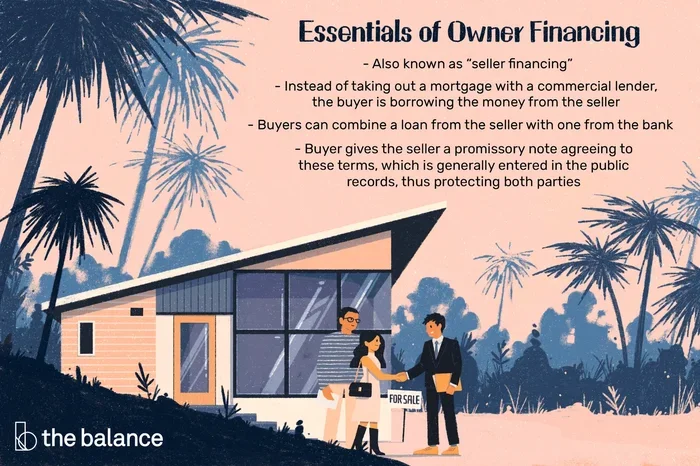
Can you owner finance a home with a mortgage? Yes, it is possible, but the setup requires careful legal and financial planning. Owner financing lets the seller act as the lender, while the buyer may still carry an existing mortgage or use a wraparound arrangement. Understanding the risks, legal rules, and payment structures helps both parties avoid costly mistakes.
Key Takeaways
- Owner financing replaces traditional lenders: The seller finances the purchase directly, often with flexible terms.
- Existing mortgages complicate the deal: You must check for due-on-sale clauses and lender approval.
- Wraparound mortgages can bridge the gap: The seller keeps the original loan and adds a new payment layer.
- Legal documentation is essential: A promissory note, deed of trust, and clear title protect both sides.
- Default risks fall on the seller: If the buyer stops paying, the seller may still owe the original lender.
- Professional guidance saves money: Real estate attorneys and tax advisors help structure safe deals.
- Exit strategies matter: Refinance paths, balloon payments, and sale clauses keep the arrangement manageable.
📑 Table of Contents
- Understanding Owner Financing Basics
- Can You Owner Finance a Home with a Mortgage on the Property
- Common Owner Financing Structures
- Risks and Protections for Both Sides
- Steps to Structure a Safe Owner Financing Deal
- When Owner Financing Makes the Most Sense
- Final Thoughts on Owner Financing with an Existing Mortgage
Understanding Owner Financing Basics
Owner financing is a simple idea. The seller acts as the bank. The buyer makes monthly payments directly to the seller. This setup skips the traditional lending process. It can move faster than a standard home purchase. It also gives buyers with limited credit history a path to homeownership. Sellers can attract more buyers and earn interest income.
Many people ask the same question: Can you owner finance a home with a mortgage? The answer depends on the existing loan, the property title, and the legal structure you choose. If the seller still owes money on the home, the original lender may have rules about transferring ownership. Those rules can shape the entire deal. You need to understand them before you sign anything.
Why Buyers Consider Owner Financing
Buyers often turn to owner financing when banks say no. Maybe the buyer is self-employed. Maybe the credit score is still rebuilding. Maybe the buyer wants to close quickly. Owner financing can offer flexible down payments and custom repayment terms. The seller and buyer can agree on an interest rate that works for both. They can also set a timeline that fits the buyer budget.
This path is not perfect. The buyer still needs to show steady income. The seller still needs to verify the buyer ability to pay. A well-structured deal protects both sides. It also keeps the transaction transparent and fair.
Why Sellers Consider Owner Financing
Sellers use owner financing to sell faster. They can earn monthly interest instead of waiting for a lump sum. They can also set a higher sale price in some cases. This approach works well in slower markets. It helps sellers reach buyers who cannot get traditional loans. It can also create a steady income stream over time.
Sellers must weigh the risks. They carry the default risk if the buyer stops paying. They may also face tax and legal complications. A clear contract reduces confusion. It also sets the rules for late payments, defaults, and payoff terms.
Can You Owner Finance a Home with a Mortgage on the Property
This is the core question for many sellers and buyers. Can you owner finance a home with a mortgage already attached to it? In many cases, yes, but the existing loan matters a lot. Some loans allow transfer with permission. Others trigger a due-on-sale clause that demands full repayment when ownership changes. That clause can disrupt the deal if you do not plan for it.

Visual guide about owner financed home mortgage
Image source: newhomeshoustontexas.com
The safest path is full transparency. The seller should review the current loan documents. The buyer should understand the payment structure. Both parties should confirm the title status. If the existing mortgage is large, the seller may need to stay responsible for it. That reality changes the risk profile of the transaction.
Due-on-Sale Clauses and Lender Rules
Many modern mortgages include a due-on-sale clause. This clause gives the lender the right to call the loan due if the property transfers. The lender may not always enforce it. Still, the risk exists. If the lender finds out about the transfer, they may demand immediate repayment. That can create pressure for the seller and confusion for the buyer.
You can reduce this risk by checking the loan terms first. Some loans are more flexible than others. Some situations may qualify for exceptions. A real estate attorney can help you review the language. Clear legal review prevents surprises later. It also helps both parties choose a safer structure.
Assumable Mortgages and Special Cases
Some loans are assumable. That means the buyer can take over the existing loan with lender approval. This is rare with many conventional loans. It is more common with certain government-backed loans. If the loan is assumable, the buyer may keep the original interest rate. That can be a big advantage in a high-rate market.
Even with an assumable loan, the process is not automatic. The lender usually reviews the buyer credit and income. The seller may need to stay involved until approval comes through. This path can work well when both sides are patient. It also requires thorough paperwork and lender communication.
Common Owner Financing Structures
There is more than one way to structure an owner-financed sale. The best choice depends on the existing mortgage, the buyer budget, and the seller goals. Each structure has pros and cons. Understanding them helps you answer the question, can you owner finance a home with a mortgage in a way that fits your situation.

Visual guide about owner financed home mortgage
Image source: ownerhomescms1-prod.s3.amazonaws.com
The most common structures include a basic seller note, a wraparound mortgage, and a lease-option arrangement. Each one handles payments differently. Each one also carries a different level of risk. The right choice should match the facts of the deal.
Basic Seller Financing
In a basic seller financing setup, the seller carries the full purchase price. The buyer pays the seller directly each month. The seller may use those payments to cover the original mortgage if one exists. This structure gives the seller control. It also keeps the buyer and seller in close contact about the loan.
This approach works best when the seller has enough equity. If the seller still owes a large balance, the monthly payments must cover both the original loan and the new note. That can create cash flow pressure. A careful budget check prevents problems later.
Wraparound Mortgages
A wraparound mortgage is a popular tool when an existing loan remains in place. The seller keeps the original mortgage. The buyer makes payments to the seller. The seller then pays the original lender. The new payment amount usually includes the old loan balance plus an additional amount for the seller equity.
This structure can simplify the deal. It also lets the buyer avoid getting a new loan from a bank. The seller can earn the difference between the original rate and the new rate. That spread can be attractive. Still, the seller remains responsible for the original loan. If the buyer defaults, the seller must keep paying the underlying mortgage.
Lease Options and Lease Purchases
A lease option gives the buyer the right to rent first and buy later. The buyer pays rent and may build a small credit toward the future purchase. This setup can help buyers who need time to improve credit or save for a down payment. It also gives the seller flexibility if the buyer is not ready yet.
A lease purchase is more binding. The buyer agrees to buy the home after a set period. This path can create commitment on both sides. It also requires careful terms for price, timeline, and maintenance responsibilities. These agreements can be useful when the buyer needs a bridge to ownership.
Risks and Protections for Both Sides
Owner financing can be helpful, but it is not risk-free. The biggest risk is default. If the buyer stops paying, the seller may face foreclosure or have to chase the debt. The seller may also still owe the original lender. That is why strong contracts and clear remedies matter so much. Both sides need a realistic view of what could go wrong.

Visual guide about owner financed home mortgage
Image source: thepalmsrealty.com
Buyers also face risks. They may pay more in interest over time. They may face unclear title issues if the seller does not resolve the existing mortgage properly. They may also lose their investment if the deal is not documented well. A careful review of the paperwork protects the buyer too.
Title, Liens, and Ownership Clarity
Title clarity is essential. The buyer should confirm that the seller has the right to sell the property. The buyer should also check for liens, tax issues, or other claims. If the seller has an existing mortgage, the lien must be handled correctly. Otherwise, the buyer could inherit a messy financial situation.
A title search helps reveal problems early. Title insurance can add another layer of protection. These steps may cost a little more upfront. They can save both parties from major headaches later. Clear ownership records make the entire arrangement safer.
Payment Security and Default Remedies
Both sides should define what happens if payments stop. The contract should explain late fees, grace periods, and default triggers. It should also explain the remedy path. In many cases, the seller may begin foreclosure or pursue a promissory note collection. The exact process depends on state law and the contract terms.
Buyers should know their rights and obligations. Sellers should know how to respond if the buyer falls behind. A practical plan for hardship can prevent a small problem from becoming a big one. Communication matters. Many issues can be solved with a short-term modification or a payment plan.
Steps to Structure a Safe Owner Financing Deal
A safe deal starts with preparation. Do not rush into terms before you understand the numbers. Review the existing mortgage, the equity, the buyer budget, and the legal requirements. Then build a structure that fits the facts. A thoughtful process makes the transaction smoother and safer.
Here is a simple roadmap that many people follow:
- Review the existing loan: Check the balance, interest rate, and due-on-sale language.
- Confirm the equity: Make sure the sale price supports the seller payoff and the buyer payment.
- Set the terms: Choose the interest rate, down payment, schedule, and balloon date if any.
- Draft the documents: Use a promissory note, deed of trust, and purchase agreement.
- Verify title and liens: Order a title search and address any issues before closing.
- Plan for taxes and reporting: Understand how interest income and gains may be treated.
- Create an exit path: Decide how the buyer can refinance or pay off the balance later.
Working with Professionals
Owner financing may seem simple, but the details matter. A real estate attorney can help draft the documents and review the loan language. A tax professional can explain the financial impact for the seller and buyer. A title company can help confirm the property status. These experts do not slow the deal down as much as they prevent expensive mistakes.
Some people try to skip professional help to save money. That can backfire. A missing clause or a misunderstood loan term can create serious problems. Good advice is usually cheaper than fixing a bad deal. If the transaction involves an existing mortgage, professional review becomes even more important.
Communication and Recordkeeping
Clear communication keeps the arrangement healthy. Both sides should know where payments go, when they are due, and what happens if there is a delay. Keep written records of every agreement and payment. Save receipts, statements, and notices. Good records reduce disputes and make refinancing easier later.
It also helps to set expectations early. If the buyer plans to refinance in a few years, talk about that now. If the seller wants a balloon payment at the end of the term, write it down clearly. When both sides understand the plan, the deal feels more stable.
When Owner Financing Makes the Most Sense
Owner financing is not right for every transaction. It works best when the seller has enough equity and the buyer has steady income but limited loan options. It can also help when the market is slow and the seller wants flexibility. In the right situation, it creates a practical path to a sale.
It may be less suitable when the existing mortgage is large, the title is unclear, or the buyer income is unstable. It may also be challenging if the seller cannot afford to keep paying the original loan during the transition. In those cases, a different approach may be safer. Match the structure to the reality of the deal.
Smart Use Cases
Owner financing can work well in several situations. It can help a buyer who is rebuilding credit. It can help a seller who wants monthly income instead of a quick payout. It can help families transfer a home with more flexibility. It can also help unique properties that traditional lenders avoid.
These deals still need discipline. The buyer should treat the payments like a serious mortgage obligation. The seller should treat the note like a real loan portfolio. When both sides take the arrangement seriously, it can be a useful tool.
Red Flags to Watch For
Some warning signs should make you slow down. If the seller hides the existing loan details, pause. If the buyer cannot explain how they will pay, pause. If the title search reveals problems, pause. If the contract leaves out default terms, pause. These issues can turn a good idea into a costly mistake.
Another red flag is pressure to skip legal review. Another is a deal that sounds too good to be true. Owner financing can be fair and practical, but it should still follow basic protections. A careful approach protects everyone involved.
Final Thoughts on Owner Financing with an Existing Mortgage
So, can you owner finance a home with a mortgage? Often, yes, but the existing loan shapes the deal. You need to understand the lender rules, the title status, and the payment structure before you move forward. A wraparound arrangement, an assumable loan, or a simple seller note may each make sense in different situations. The best choice depends on the numbers and the risk both sides are willing to carry.
If you are considering this path, take your time. Review the loan documents. Check the title. Write clear terms. Use professional help when needed. Owner financing can open doors for buyers and sellers, but it works best when it is organized, transparent, and realistic. With the right plan, it can be a practical way to buy or sell a home.
Frequently Asked Questions
Can you owner finance a home with a mortgage on it?
Yes, you often can, but the existing mortgage must be reviewed first. The loan may include a due-on-sale clause or other transfer rules that affect the deal. A clear contract and legal review help both sides manage the risk.
What happens to the original mortgage in owner financing?
In many setups, the seller keeps the original mortgage and remains responsible for it. The buyer pays the seller, and the seller continues paying the original lender. This is common in wraparound arrangements, but it adds risk for the seller.
Is a wraparound mortgage the same as owner financing?
Not exactly. A wraparound mortgage is one type of owner financing. It keeps the original loan in place while adding a new payment layer for the buyer. Basic seller financing may work differently depending on the equity and loan structure.
Do buyers need good credit for owner financing?
Buyers usually need a steady income and a realistic plan to pay, but the credit requirements can be more flexible than bank loans. The seller still wants proof that the buyer can make payments on time. Good documentation helps the deal succeed.
What documents are needed for owner financing?
Most deals need a purchase agreement, a promissory note, and a security instrument such as a deed of trust. You may also need title documents, payment records, and disclosures. A real estate attorney can help make sure the paperwork is complete.
How can the buyer eventually pay off an owner-financed home?
The buyer can often refinance with a traditional lender, sell the home, or pay off the note according to the contract terms. Some deals include a balloon payment or a set payoff date. The exit path should be written clearly from the start.