
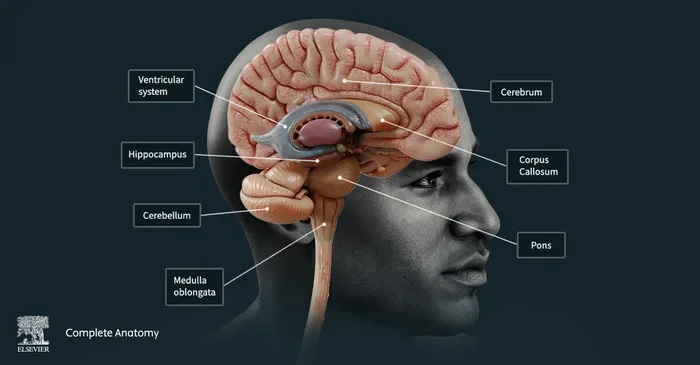
Where is the hypothalamus located in the human brain? It sits right at the base, acting as the ultimate control center for your hormones and emotions. Understanding where the hypothalamus is located helps you realize why you feel attraction, stress, and love the way you do in your dating life.
Have you ever wondered why your heart races when you see your crush? Or why a nasty argument with your partner can make you feel physically sick? The answer lies deep inside your head. While we often think of love and attraction as matters of the heart, the real magic happens in the brain. Specifically, it happens in a tiny, almond-sized region that controls everything from your hormones to your hunger.
If you have ever asked, where is the hypothalamus located, you are asking a question that bridges the gap between hard science and your everyday dating life. This little gland is the unsung hero of your romantic relationships. It dictates how you bond, how you handle conflict, and even why you feel that irresistible pull toward certain people. Let us dive deep into the anatomy of your brain to find out exactly where this powerhouse sits and why it matters so much for your love life.
Key Takeaways
- Location: The hypothalamus is located at the base of the brain, just below the thalamus and above the pituitary gland.
- Function: It serves as the nervous system’s link to the endocrine system, controlling hormone release.
- Love and Attraction: This tiny brain structure regulates dopamine and oxytocin, which drive romantic feelings and attachment.
- Stress Response: The hypothalamus controls your fight-or-flight response, which heavily impacts how you react during relationship conflicts.
- Dating Impact: Understanding this brain area explains why emotional abuse triggers physical stress responses in your body.
- Self-Care: Proper sleep, nutrition, and stress management keep your hypothalamus healthy and your love life balanced.
- Attachment Styles: The way your hypothalamus processes stress can influence your attachment style in relationships.
📑 Table of Contents
- Where Is The Hypothalamus Located In The Human Brain?
- How The Hypothalamus Controls Your Love Life
- The Hypothalamus and Relationship Stress
- Common Mistakes About The Hypothalamus
- Quick Tips For a Healthy Hypothalamus
- Expert Insights On The Brain And Love
- How Hypothalamus Dysfunction Shows Up In Dating
- Protecting Your Brain And Your Heart
Where Is The Hypothalamus Located In The Human Brain?
To understand how this tiny structure rules your love life, we first need to map out its exact location. So, where is the hypothalamus located? Imagine the center of your brain. The hypothalamus sits right at the base of the brain, acting as a crucial bridge between the nervous system and the endocrine system.
It is positioned just below the thalamus and right above the pituitary gland. If you were to draw a line straight down from your forehead to the back of your head, the hypothalamus would sit right in the middle. It is also located very near the optic chiasm, which is where your optic nerves cross. This proximity to your visual system is why physical attraction is often the first step in falling in love. What you see travels directly to this emotional control center.
The Strategic Position of the Hypothalamus
The location of the hypothalamus is not an accident. Because it sits so close to the pituitary gland, it acts as the master controller of your hormones. The pituitary gland is often called the “master gland,” but the hypothalamus is actually the boss of the boss. It sends out hormones that tell the pituitary gland what to do, which then tells the rest of your body how to act.
In the world of dating, this strategic positioning is everything. When you lock eyes with someone attractive, the signal travels to your hypothalamus. Because of its prime location, it immediately starts pumping out chemicals that make you feel excited, nervous, and drawn to that person.
A Quick Brain Anatomy Comparison
To really understand where the hypothalamus is located, it helps to see how it compares to other nearby brain structures.
| Brain Structure | Location | Primary Function |
|---|---|---|
| Hypothalamus | Base of brain, below thalamus | Hormone regulation, emotional responses, attraction |
| Thalamus | Above the hypothalamus | Relay station for sensory information |
| Pituitary Gland | Directly below the hypothalamus | Releases hormones that control growth and reproduction |
| Amygdala | Near the hypothalamus (limbic system) | Fear processing, emotional reactions |
How The Hypothalamus Controls Your Love Life
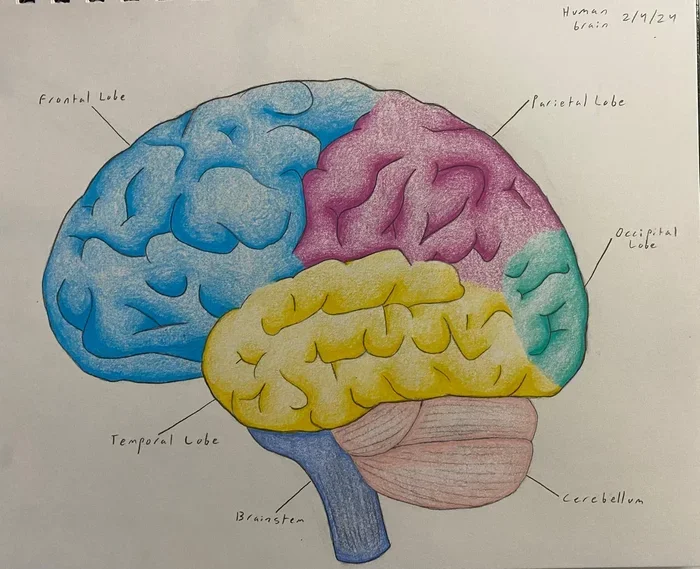
Visual guide about human brain anatomy
Image source: images-wixmp-ed30a86b8c4ca887773594c2.wixmp.com
Now that you know exactly where the hypothalamus is located, let us talk about why it matters so much for your dating life. This tiny region is the headquarters of your emotional regulation. It dictates how you feel, how you react to stress, and how you bond with your partner.
When you are in a happy, healthy relationship, your hypothalamus is working overtime to keep you connected. It releases a steady stream of oxytocin, often called the “cuddle hormone,” which makes you feel safe and bonded to your partner. But when things go wrong, this same gland can trigger a massive stress response that makes you want to fight or flee.
The Chemistry of Attraction
Attraction is not just a feeling. It is a chemical reaction, and the hypothalamus is the chemist. When you first start dating someone, your hypothalamus releases dopamine. This is the reward chemical. It gives you that rush of excitement and makes you crave more time with that person.
This chemical process is very similar to what happens in the brain during other rewarding activities. It is why the early stages of dating can feel so addictive. Your brain is literally rewarding you for spending time with this new person. Understanding this process can help you figure out the difference between attraction and sexual objectification. True attraction involves this deep, emotional bonding driven by the hypothalamus, while objectification skips the emotional connection entirely.
The Role of Oxytocin and Bonding
Once the initial dopamine rush fades, the hypothalamus shifts to producing oxytocin. This hormone is crucial for long-term relationships. It is released during physical touch, like hugging, cuddling, and sex. Oxytocin creates a sense of deep attachment and trust.
If you have ever wondered why you feel so close to your partner after a long embrace, you can thank your hypothalamus. It is working hard to create a bond that keeps you two together through the ups and downs of life. Without this tiny gland doing its job, forming lasting romantic connections would be incredibly difficult.
The Hypothalamus and Relationship Stress
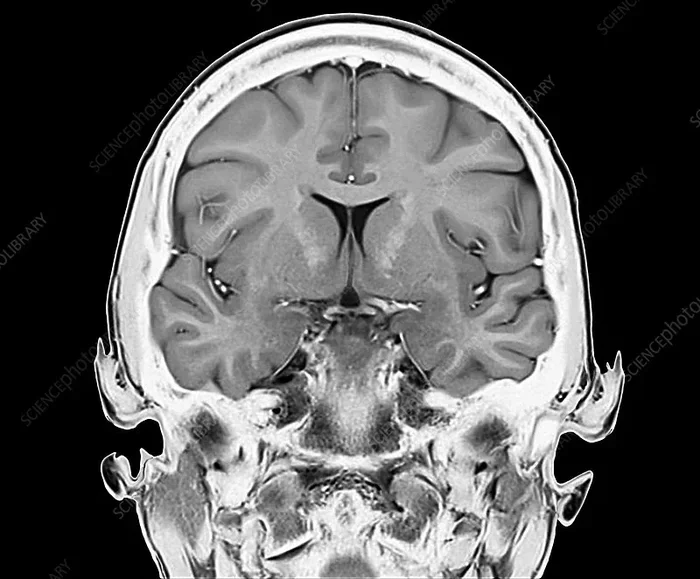
Visual guide about human brain anatomy
Image source: media.sciencephoto.com
Knowing where the hypothalamus is located also helps you understand why relationship conflicts can feel so physically painful. Because the hypothalamus controls your autonomic nervous system, it is directly responsible for your fight-or-flight response. When you feel threatened by an argument with your partner, your hypothalamus kicks into high gear.
It floods your body with cortisol and adrenaline. Your heart rate goes up, your breathing gets shallow, and your muscles tense up. This is your body preparing for a physical threat. But in a relationship, the threat is usually emotional, not physical.
How Emotional Abuse Affects the Brain
When you are in a toxic relationship, your hypothalamus is constantly bombarded with stress signals. Over time, this chronic stress can actually change the way your brain works. It can make you hypervigilant, anxious, and unable to relax.
This is why emotional abuse is so damaging. It is not just hurt feelings. It is a physiological response that wears down your body. For example, if your partner shuts down and refuses to communicate, it triggers a massive stress response. Understanding why stonewalling is the most overlooked form of emotional abuse is easier when you realize how severely it impacts your brain chemistry and overall health.
Attachment Styles and the Brain
Your attachment style is deeply connected to how your hypothalamus processes stress. If you have an anxious attachment style, your hypothalamus might be overreacting to perceived threats of abandonment. If you have an avoidant attachment style, you might have learned to suppress these stress responses, but they are still happening internally.
Learning how to meet the needs of an avoidant attachment style requires understanding that their brain is often in a state of high stress, even if they look calm on the outside. Their hypothalamus is working overtime to protect them from emotional pain, which often manifests as pulling away from their partner.
Common Mistakes About The Hypothalamus
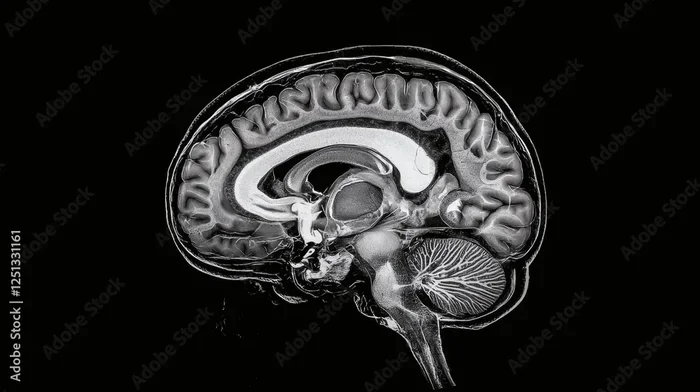
Visual guide about human brain anatomy
Image source: as2.ftcdn.net
Because the hypothalamus controls so many automatic functions, people often make mistakes when thinking about how it affects their relationships. Here are a few common misconceptions.
Mistake 1: Blaming Hormones for Bad Behavior
It is easy to say, “Oh, my hypothalamus just made me jealous.” But understanding where the hypothalamus is located and how it works does not give you a free pass to act poorly. While your brain chemistry influences your feelings, you still have control over your actions. You can learn to recognize when your stress response is taking over and choose a healthier way to react.
Mistake 2: Ignoring Physical Symptoms of Stress
Many people try to push through relationship anxiety without realizing the toll it takes on their physical health. If you constantly have a tight chest, headaches, or stomach issues during a breakup or a rough patch in your relationship, your hypothalamus is sounding the alarm. Ignoring these signs can lead to burnout and chronic health issues.
Mistake 3: Thinking Love Is Only Emotional
Love is not just an emotion. It is a biological process. When you are trying to figure out your dating life, you cannot just look at your feelings. You have to look at your physical well-being. A healthy relationship supports a healthy brain, and a healthy brain supports a healthy relationship.
Quick Tips For a Healthy Hypothalamus
If you want to improve your love life, start by taking care of the brain structure that controls it. Here are some quick tips to keep your hypothalamus functioning at its best.
- Prioritize Your Sleep: The hypothalamus controls your sleep-wake cycle. When you do not sleep enough, your hypothalamus cannot regulate your emotions properly. Aim for 7 to 9 hours of quality sleep every night.
- Eat a Balanced Diet: Your brain needs healthy fats and nutrients to produce hormones. Omega-3 fatty acids, found in fish and walnuts, are excellent for brain health.
- Practice Mindfulness: Deep breathing and meditation can calm an overactive hypothalamus. When you feel your stress response kicking in, take a few deep breaths to signal to your brain that you are safe.
- Exercise Regularly: Physical activity releases endorphins and helps regulate cortisol. A daily walk can do wonders for your relationship stress levels.
- Stay Hydrated: Dehydration puts stress on the body, which triggers the hypothalamus to release cortisol. Drink plenty of water throughout the day.
Expert Insights On The Brain And Love
Neuroscientists and relationship experts agree that understanding brain chemistry is key to understanding human connection. According to leading experts in neurobiology, the human brain is wired for connection. The hypothalamus is the central hub for this wiring. When we understand the biological basis of our emotions, we can approach our relationships with more empathy and less judgment.
Experts also point out that while we cannot control our initial hormonal reactions, we can control how we respond to them. By practicing self-awareness, you can learn to separate a biological stress response from a genuine relationship problem. This is the key to breaking unhealthy dating patterns.
How Hypothalamus Dysfunction Shows Up In Dating
When the hypothalamus is not functioning properly due to chronic stress or trauma, it can manifest in very specific ways in your dating life. You might find yourself constantly picking fights, feeling numb to affection, or being unable to trust your partner.
Sometimes, a dysfunctional stress response can even affect your physical desire. If you are trying to figure out signs your man is not sexually attracted to you, it is worth considering whether chronic stress has shut down his hypothalamic response. Long-term stress can suppress the reproductive system, making it incredibly difficult to feel desire or arousal, even if he loves his partner deeply.
Protecting Your Brain And Your Heart
Ultimately, knowing where the hypothalamus is located empowers you to take control of your romantic life. You are no longer at the mercy of confusing feelings and physical reactions. You can look at your relationship dynamics through a biological lens and make better choices for your mental and physical health.
If you are in a relationship that constantly triggers your fight-or-flight response, your hypothalamus is trying to tell you something. Listen to it. Protecting your brain health is just as important as finding the right partner. A healthy hypothalamus leads to healthier relationships, better communication, and a more fulfilling love life.
Frequently Asked Questions
Where is the hypothalamus located exactly?
The hypothalamus is located at the very base of the brain, sitting just below the thalamus and right above the pituitary gland. It is positioned near the center of the brain, acting as a bridge between the nervous system and the endocrine system.
How does the hypothalamus affect romantic relationships?
The hypothalamus controls the release of key hormones like dopamine, oxytocin, and cortisol. These chemicals dictate how we experience attraction, bond with our partners, and react to relationship stress or conflict.
Can stress damage the hypothalamus?
Chronic stress can overwork the hypothalamus, leading to an overactive fight-or-flight response. Over time, this can disrupt your sleep, emotional regulation, and even your ability to form healthy romantic attachments.
Why do I feel physical pain during a breakup?
During a breakup, your hypothalamus triggers a massive stress response, flooding your body with cortisol. This can cause physical symptoms like chest tightness, headaches, and stomach aches because your brain is processing emotional pain as a physical threat.
How can I calm my hypothalamus during an argument?
You can calm your hypothalamus by taking slow, deep breaths. This signals to your brain that you are safe, which lowers your heart rate and reduces the production of stress hormones like cortisol and adrenaline.
Does the hypothalamus control attachment styles?
Yes, the way your hypothalamus processes stress and releases bonding hormones heavily influences your attachment style. An overactive stress response can contribute to anxious attachment, while a suppressed response might relate to avoidant attachment.
