
The HPA hypothalamic pituitary adrenal axis is your body’s central stress response system that connects your brain to your adrenal glands. Understanding this powerful network can help you manage stress, improve energy levels, and protect your long-term health from the damaging effects of chronic cortisol exposure.
The HPA hypothalamic pituitary adrenal axis is one of the most important systems in your body, yet most people have never heard of it. This complex network controls how you respond to stress, regulates your energy, influences your mood, and even affects your immune system. When it works properly, you handle challenges with resilience. When it breaks down, everything feels harder.
Think of your HPA axis as your body’s internal alarm system. It decides when to sound the alarm and when to stand down. Understanding how it works gives you powerful tools to take control of your health, manage stress more effectively, and feel better every single day.
Key Takeaways
- The HPA axis controls your stress response: It is the communication network between your hypothalamus, pituitary gland, and adrenal glands that determines how you react to stress.
- Cortisol is the primary stress hormone: The HPA axis regulates cortisol production, which affects nearly every organ system in your body.
- Chronic stress disrupts HPA axis function: Prolonged stress can lead to HPA axis dysregulation, causing fatigue, weight gain, anxiety, and immune suppression.
- The feedback loop is essential: Your body uses a negative feedback system to turn off cortisol production once a threat has passed.
- Lifestyle choices directly impact HPA axis health: Sleep, exercise, nutrition, and mindfulness practices all influence how well this system functions.
- HPA axis dysfunction is linked to multiple conditions: Depression, anxiety, PTSD, fibromyalgia, and chronic fatigue syndrome all involve HPA axis abnormalities.
- Recovery is possible: Targeted lifestyle interventions can restore healthy HPA axis function and improve overall wellbeing.
📑 Table of Contents
- What Is the HPA Hypothalamic Pituitary Adrenal Axis?
- How the HPA Axis Works Step by Step
- Why the HPA Axis Matters for Your Health
- What Happens When the HPA Axis Goes Wrong
- Common Mistakes That Damage Your HPA Axis
- How to Support Healthy HPA Axis Function
- The HPA Axis and Chronic Disease Connection
- Expert Insights on HPA Axis Testing
- Comparison of HPA Axis States
- Building Long-Term HPA Axis Resilience
- Conclusion
What Is the HPA Hypothalamic Pituitary Adrenal Axis?
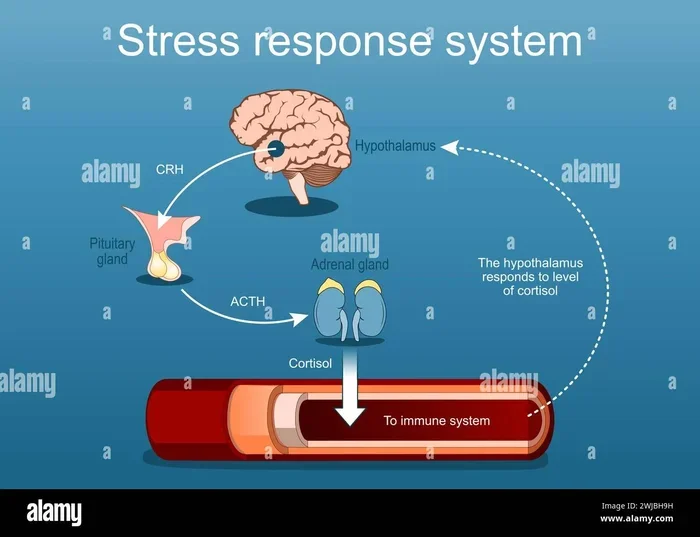
The HPA axis is a complex communication network involving three major components: the hypothalamus, the pituitary gland, and the adrenal glands. These three players work together to manage your body’s response to stress and maintain internal balance.
Your hypothalamus sits at the base of your brain and acts as the command center. It receives signals from your environment and decides when to activate your stress response. The pituitary gland, often called the master gland, receives messages from the hypothalamus and releases hormones into your bloodstream. Your adrenal glands, which sit on top of your kidneys, produce cortisol and other stress hormones that prepare your body for action.
Together, these three structures form a sophisticated system that helps you survive threats, adapt to challenges, and return to a calm state when danger passes.
The Three Key Players Explained
Hypothalamus: This small but mighty brain region monitors your internal and external environment constantly. It detects stressors like a looming deadline, an argument, or even a perceived threat. When it senses trouble, it releases corticotropin-releasing hormone (CRH).
Pituitary Gland: Located just below the hypothalamus, this pea-sized gland responds to CRH by releasing adrenocorticotropic hormone (ACTH) into your bloodstream. ACTH travels directly to your adrenal glands.
Adrenal Glands: These triangular glands receive the ACTH signal and produce cortisol, the primary stress hormone. Cortisol mobilizes energy, sharpens focus, and prepares your body for fight or flight.
How the HPA Axis Works Step by Step
Understanding the HPA axis stress response requires following the signal from start to finish. The process happens in a precise sequence that unfolds within minutes of encountering a stressor.
Step 1: Threat Detection
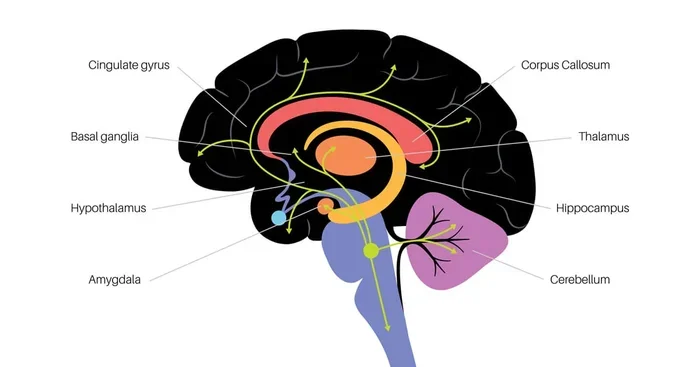
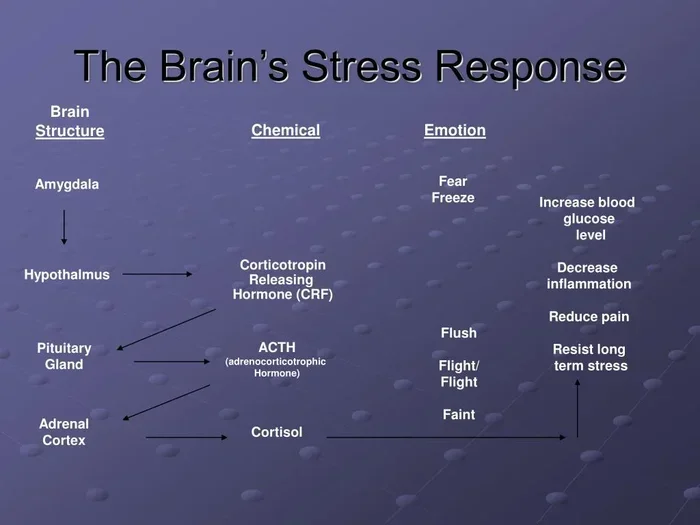
Your brain detects a stressor. This could be physical danger, emotional pressure, or even a thought that triggers worry. The amygdala, your brain’s fear center, sends a distress signal to the hypothalamus.
Step 2: CRH Release
The hypothalamus responds by releasing corticotropin-releasing hormone. This hormone travels through a special blood vessel network to the pituitary gland.
Step 3: ACTH Production
The pituitary gland detects CRH and releases adrenocorticotropic hormone into your general bloodstream. ACTH then travels to your adrenal glands.
Step 4: Cortisol Surge
Your adrenal glands respond to ACTH by producing cortisol. Within 15 to 30 minutes, cortisol levels peak in your bloodstream. This hormone increases blood sugar, sharpens your attention, and suppresses non-essential functions like digestion and immune response.
Step 5: The Feedback Loop
Once cortisol levels rise sufficiently, they signal back to the hypothalamus and pituitary gland to stop producing CRH and ACTH. This negative feedback loop is crucial because it prevents cortisol from staying elevated indefinitely.
Why the HPA Axis Matters for Your Health
The HPA axis function extends far beyond stress management. This system influences virtually every aspect of your physical and mental health.
Metabolism and Energy Regulation
Cortisol plays a central role in how your body processes glucose, fats, and proteins. It helps maintain blood sugar levels during fasting and stress. However, chronic cortisol elevation can lead to insulin resistance, weight gain around the midsection, and increased appetite for sugary foods.
Immune System Function
Short-term cortisol release actually boosts immune function. But when cortisol stays high for weeks or months, it suppresses your immune system. This makes you more susceptible to infections, slows wound healing, and can trigger autoimmune flare-ups.
Sleep and Circadian Rhythm
Your HPA axis follows a daily rhythm. Cortisol peaks in the morning to help you wake up and reaches its lowest point at night to allow sleep. When this rhythm gets disrupted, you may experience insomnia, morning grogginess, or nighttime anxiety.
Mental Health and Cognitive Function
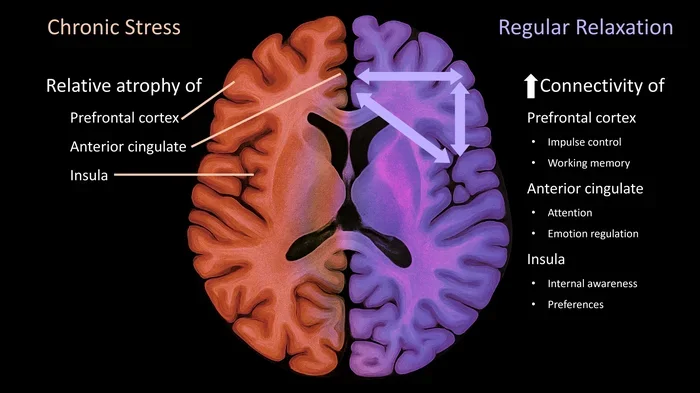
The HPA axis and mental health are deeply connected. Chronic HPA axis activation is strongly linked to depression, anxiety disorders, and cognitive decline. High cortisol levels can actually shrink the hippocampus, a brain region essential for memory and learning.
What Happens When the HPA Axis Goes Wrong
HPA axis dysregulation occurs when this finely tuned system stops working properly. This can happen in several ways, each with distinct consequences.
HPA Axis Overactivation
Chronic stress keeps your HPA axis constantly engaged. Your body produces too much cortisol for too long. Symptoms include:
- Persistent fatigue despite adequate sleep
- Difficulty falling or staying asleep
- Weight gain, especially around the abdomen
- Brain fog and difficulty concentrating
- Frequent infections or slow recovery from illness
- Anxiety, irritability, or mood swings
- High blood pressure and elevated blood sugar
HPA Axis Underactivation
Sometimes the HPA axis becomes exhausted from chronic overstimulation. Cortisol levels drop too low. This condition is sometimes called adrenal fatigue, though many medical professionals prefer the term HPA axis dysfunction. Symptoms include:
- Extreme fatigue that sleep does not relieve
- Difficulty handling any stress
- Low blood pressure and dizziness
- Salt and sugar cravings
- Feeling overwhelmed by minor tasks
- Brain fog and poor memory
- Low mood or depression
Disrupted Circadian Rhythm
Your HPA axis cortisol rhythm can become flattened or inverted. Instead of peaking in the morning and dropping at night, levels may stay constant or even rise in the evening. This pattern is common in people with chronic stress, shift work sleep disorder, and depression.
Quick Tip: Recognizing HPA Axis Dysfunction
Pay attention to your energy patterns throughout the day. If you wake up exhausted, feel a mid-afternoon crash, and get a second wind at bedtime, your HPA axis rhythm may be disrupted. Tracking your symptoms can help you identify patterns and seek appropriate support.
Visual guide about brain stress response
Image source: c8.alamy.com
Visual guide about brain stress response
Image source: brainandlife.org
Visual guide about brain stress response
Image source: image.slideserve.com
Common Mistakes That Damage Your HPA Axis
Many everyday habits silently harm your HPA axis health. Recognizing these mistakes is the first step toward protecting this vital system.
Mistake 1: Ignoring Chronic Stress
Many people normalize constant stress. They accept feeling overwhelmed as simply part of modern life. But your HPA axis does not distinguish between a life-threatening emergency and a stressful email. Both trigger the same response.
Mistake 2: Poor Sleep Habits
Sleep deprivation is one of the most potent disruptors of HPA axis function. Staying up late, using screens before bed, and inconsistent sleep schedules all interfere with your natural cortisol rhythm.
Mistake 3: Over-Exercising
While moderate exercise supports HPA axis health, excessive training without adequate recovery acts as a chronic stressor. Endurance athletes and fitness enthusiasts who overtrain often experience HPA axis suppression.
Mistake 4: Skipping Meals or Crash Dieting
Your body perceives food restriction as a stressor. Irregular eating patterns, very low-calorie diets, and skipping meals all activate the HPA axis and can lead to dysregulation over time.
Mistake 5: Excessive Caffeine Consumption
Caffeine directly stimulates cortisol release. While morning coffee is generally fine, relying on caffeine throughout the day keeps your HPA axis artificially activated and can disrupt your natural rhythm.
How to Support Healthy HPA Axis Function
The good news is that your HPA axis recovery is absolutely possible. Targeted lifestyle changes can restore healthy function and improve your resilience to stress.
Prioritize Quality Sleep
Sleep is the single most important factor for HPA axis health. Aim for seven to nine hours of quality sleep each night. Create a consistent sleep schedule, keep your bedroom cool and dark, and avoid screens for at least one hour before bed.
Practice Stress Management Techniques
Mindfulness meditation, deep breathing exercises, and progressive muscle relaxation all help calm the HPA axis. Even ten minutes of daily practice can significantly reduce cortisol levels over time.
Exercise Smart, Not Just Hard
Moderate exercise like walking, swimming, yoga, and cycling supports HPA axis function. High-intensity training is beneficial in moderation but requires adequate recovery. Listen to your body and rest when needed.
Eat to Support Your HPA Axis
A balanced diet rich in whole foods provides the nutrients your HPA axis needs. Focus on:
- Complex carbohydrates for steady blood sugar
- Healthy fats for hormone production
- Adequate protein for neurotransmitter synthesis
- Magnesium-rich foods like leafy greens and nuts
- Omega-3 fatty acids from fish, flaxseed, and walnuts
- Vitamin C to support adrenal gland function
Build Meaningful Social Connections
Positive social interactions reduce cortisol and activate the parasympathetic nervous system. Spending time with loved ones, joining community groups, and maintaining close friendships all support HPA axis health.
Consider Adaptogenic Herbs
Certain herbs called adaptogens may help modulate HPA axis function. Ashwagandha, rhodiola rosea, holy basil, and ginseng have shown promise in research studies. Always consult a healthcare provider before starting supplements.
The HPA Axis and Chronic Disease Connection
Research increasingly links HPA axis dysfunction to numerous chronic health conditions. Understanding these connections highlights why maintaining HPA axis health matters so much.
Depression and Anxiety Disorders
Approximately 50 to 60 percent of people with major depression show HPA axis hyperactivity. Elevated cortisol levels are one of the most consistent biological findings in depression. Many effective treatments, including antidepressants and cognitive behavioral therapy, appear to normalize HPA axis function.
Post-Traumatic Stress Disorder
PTSD involves a paradoxical HPA axis pattern. Despite high levels of psychological stress, many PTSD patients show lower-than-expected baseline cortisol but enhanced negative feedback sensitivity. This unique pattern helps explain the hypervigilance and flashbacks characteristic of the disorder.
Chronic Fatigue Syndrome
People with chronic fatigue syndrome typically show HPA axis underactivation. Their cortisol levels are lower than normal, particularly in the morning. This may contribute to the profound fatigue and stress intolerance that define the condition.
Fibromyalgia
Fibromyalgia patients often exhibit flattened cortisol rhythms and blunted responses to stress. This HPA axis abnormality may contribute to the widespread pain, fatigue, and cognitive difficulties associated with the condition.
Metabolic Syndrome and Diabetes
Chronic cortisol elevation promotes insulin resistance, abdominal obesity, and dyslipidemia. These are the hallmarks of metabolic syndrome. Over time, this cascade significantly increases the risk of type 2 diabetes and cardiovascular disease.
Expert Insights on HPA Axis Testing
Healthcare providers can assess HPA axis testing through several methods. Understanding your options helps you have informed conversations with your doctor.
Salivary Cortisol Testing
This non-invasive test measures cortisol levels at multiple points throughout the day. It reveals your cortisol rhythm and can identify patterns like flattened curves or evening elevations.
Blood Tests
Standard blood tests can measure morning cortisol and ACTH levels. These provide a snapshot of HPA axis function at a single point in time.
Dexamethasone Suppression Test
This test evaluates how well your negative feedback loop works. You take dexamethasone, which should suppress cortisol production. If cortisol remains high, it suggests HPA axis dysregulation.
CRH Stimulation Test
This test measures how your pituitary and adrenal glands respond to synthetic CRH. It helps determine whether dysfunction originates in the brain or the adrenal glands.
Quick Tip: When to Get Tested
Consider HPA axis testing if you experience persistent fatigue, unexplained weight changes, chronic anxiety, or difficulty managing stress. A functional medicine practitioner or endocrinologist can help interpret results and develop a personalized treatment plan.
Comparison of HPA Axis States
| State | Cortisol Pattern | Common Symptoms | Primary Causes |
|---|---|---|---|
| Healthy Function | High morning, low evening | Good energy, restful sleep, stress resilience | Balanced lifestyle, adequate sleep |
| Overactivation | Elevated throughout day | Anxiety, insomnia, weight gain, fatigue | Chronic stress, poor sleep, overtraining |
| Underactivation | Low throughout day | Exhaustion, low motivation, salt cravings | Prolonged stress, burnout, trauma |
| Disrupted Rhythm | Flat or inverted pattern | Morning fatigue, evening alertness, brain fog | Shift work, jet lag, irregular schedule |
Building Long-Term HPA Axis Resilience
Creating lasting HPA axis balance requires consistent daily practices rather than quick fixes. Small, sustainable changes compound over time to produce significant improvements.
Morning Routine Matters
How you start your day sets the tone for your cortisol rhythm. Get natural light exposure within 30 minutes of waking. Eat a protein-rich breakfast. Avoid immediately checking emails or news. These simple habits support a healthy morning cortisol peak.
Create Boundaries Around Stress
Not every stressor deserves a full HPA axis response. Practice distinguishing between genuine emergencies and everyday annoyances. Cognitive reframing techniques can help you respond more calmly to situations that previously triggered intense stress reactions.
Embrace Rest and Recovery
Rest is not laziness. It is a biological necessity for HPA axis recovery. Schedule downtime just as you would important meetings. Take breaks during the workday. Allow yourself guilt-free relaxation.
Track Your Progress
Keep a simple journal noting your energy levels, sleep quality, and stress responses. Over time, patterns emerge that help you identify what supports your HPA axis and what undermines it.
Conclusion
The HPA hypothalamic pituitary adrenal axis is far more than a biological curiosity. It is the master control system that determines how you experience and respond to stress. When it functions well, you feel energized, resilient, and capable of handling life’s challenges. When it breaks down, every aspect of your health suffers.
The most empowering truth about your HPA axis is that you have significant influence over it. Through quality sleep, mindful stress management, balanced nutrition, regular movement, and meaningful connections, you can actively support this system and restore its function.
You do not need to overhaul your life overnight. Start with one change, perhaps a consistent bedtime or ten minutes of daily meditation. Your HPA axis will respond. Over weeks and months, these small investments compound into transformative improvements in your energy, mood, and overall health.
Your body wants to find balance. Give it the right conditions, and your HPA axis will do exactly what it was designed to do: protect you, energize you, and help you thrive.
Frequently Asked Questions
What does HPA axis stand for?
HPA stands for hypothalamic pituitary adrenal. It describes the communication pathway between your hypothalamus, pituitary gland, and adrenal glands that controls your body’s stress response and regulates cortisol production.
What are the symptoms of HPA axis dysfunction?
Common symptoms include persistent fatigue, difficulty sleeping, brain fog, weight changes, anxiety, frequent infections, low blood pressure, and feeling overwhelmed by minor stressors. Symptoms vary depending on whether your HPA axis is overactive or underactive.
Can HPA axis damage be reversed?
Yes, HPA axis dysfunction can often be reversed through lifestyle changes. Prioritizing sleep, managing stress, eating balanced meals, exercising moderately, and building social connections all support recovery. Most people see improvement within a few weeks to months.
How does chronic stress affect the HPA axis?
Chronic stress keeps the HPA axis constantly activated, leading to persistently high cortisol levels. Over time, this can exhaust the system, disrupt the natural cortisol rhythm, and cause widespread effects on metabolism, immunity, mood, and cognitive function.
What is the connection between HPA axis and weight gain?
Elevated cortisol from HPA axis overactivation increases appetite, promotes fat storage around the abdomen, and causes insulin resistance. This combination makes weight loss difficult and encourages weight gain, especially in the midsection.
How can I test my HPA axis function?
The most common test is salivary cortisol testing, which measures cortisol levels at multiple points throughout the day. Blood tests for morning cortisol and ACTH are also available. Consult a healthcare provider to determine which test is right for your situation.
