
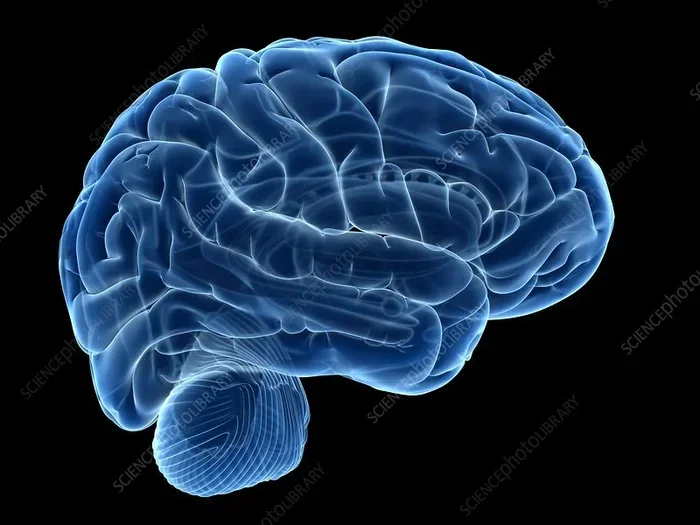
The thalamus is a small but powerful brain structure that acts as the brain’s central relay station, processing sensory information, regulating consciousness, and influencing emotional responses. Understanding how it works can help you make sense of everything from your sleep patterns to your mental health and daily energy levels.
Have you ever wondered how your brain manages to process everything you see, hear, touch, and feel all at once? Deep inside your brain sits a small, egg-shaped structure that handles this incredible workload every single second. It’s called the thalamus, and without it, your brain would be completely overwhelmed by sensory chaos.
The thalamus might be small, but it’s one of the most important structures in your entire nervous system. Think of it as the brain’s air traffic controller — it decides what information gets through, where it goes, and when it arrives. Understanding this tiny powerhouse can help you make sense of everything from why you feel exhausted to why certain emotions hit you out of nowhere.
In this guide, we’ll break down exactly what the thalamus does, why it matters for your daily life, and how it connects to your mental health, sleep quality, and emotional wellbeing. Whether you’re curious about brain science or trying to understand your own mental health better, this article covers everything you need to know.
Key Takeaways
- Sensory Relay Hub: The thalamus processes nearly all sensory information before sending it to the correct part of the brain.
- Sleep and Wakefulness: It controls your sleep-wake cycle and helps regulate consciousness throughout the day.
- Emotional Processing: The thalamus connects directly to the amygdala, playing a key role in how you experience and regulate emotions.
- Memory Formation: It works closely with the hippocampus to help form and retrieve memories.
- Attention and Focus: The thalamus filters important information, helping you concentrate on what matters.
- Mental Health Connection: Thalamus dysfunction is linked to anxiety, depression, and other mental health conditions.
- Motor Control: It helps coordinate movement by relaying signals between the cerebellum and motor cortex.
📑 Table of Contents
- What Is The Thalamus? A Quick Overview
- What Does The Thalamus Do? The Brain’s Central Relay Station
- The Thalamus and Your Emotional Life
- The Thalamus and Memory Formation
- The Thalamus and Mental Health Conditions
- How To Support Your Thalamus And Brain Health
- Common Misconceptions About The Thalamus
- Quick Tips For Optimal Brain Function
- When To Seek Professional Help
- The Future of Thalamus Research
- Conclusion
What Is The Thalamus? A Quick Overview
The thalamus is a small, bilateral structure located deep in the center of your brain, sitting right above the brainstem and between the cerebral cortex and the midbrain. It’s roughly the size of a walnut, but don’t let its small size fool you — this structure contains multiple specialized nuclei that handle different types of information.
Each side of the thalamus mirrors the other, and together they form a critical gateway for information traveling to and from the cerebral cortex. Almost every piece of sensory information — except smell — passes through the thalamus before reaching the parts of your brain that interpret it.
The Anatomy of the Thalamus
The thalamus isn’t just one uniform structure. It contains over 30 distinct nuclei, each with its own specific job. Some handle visual information, others process sound, and some manage emotional signals. This organization allows the thalamus to multitask efficiently, processing multiple streams of information simultaneously.
These nuclei are grouped into three main categories:
- Relay nuclei: These pass specific sensory or motor information to targeted areas of the cortex.
- Association nuclei: These connect to broader cortical regions and handle complex functions like attention and memory.
- Nonspecific nuclei: These project diffusely throughout the cortex and help regulate overall arousal and consciousness.
What Does The Thalamus Do? The Brain’s Central Relay Station
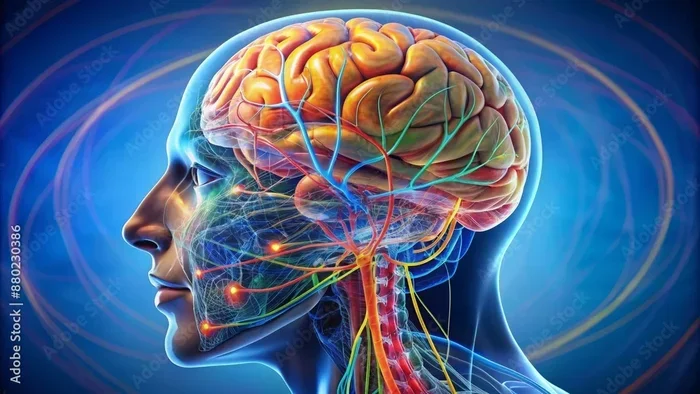
Visual guide about human brain illustration
Image source: as2.ftcdn.net
When people ask “what does the thalamus do,” the simplest answer is that it acts as the brain’s central relay station. But this description barely scratches the surface of its complexity. Let’s explore the major functions that make this structure so essential.
Sensory Processing and Relay
Every sensation you experience — the warmth of sunlight, the sound of music, the taste of your morning coffee — gets routed through the thalamus first. This structure receives sensory input from your body and directs it to the correct cortical area for processing.
Here’s how it works for each sense:
- Vision: The lateral geniculate nucleus receives visual input from your eyes and sends it to the visual cortex.
- Hearing: The medial geniculate nucleus processes auditory information before routing it to the auditory cortex.
- Touch and sensation: The ventral posterior nucleus handles somatosensory information from your body.
- Taste: Gustatory information also passes through specific thalamic nuclei.
Without the thalamus, your brain wouldn’t know what to do with the raw data coming from your senses. It’s the translator and traffic director all in one.
Regulating Consciousness and Sleep
One of the most fascinating roles of the thalamus is its involvement in consciousness and sleep regulation. The thalamus helps determine whether you’re awake, asleep, or somewhere in between. During deep sleep, thalamic neurons change their firing patterns, essentially blocking sensory information from reaching the cortex.
This is why you don’t hear most sounds while sleeping — your thalamus is actively filtering them out. During REM sleep, however, the thalamus becomes active again, which may contribute to the vivid experiences we have during dreams.
Speaking of dreams, if you’ve ever wondered what it means when you dream about someone, the thalamus plays a role in that too. During sleep, it helps generate the spontaneous activity that creates dream content by sending signals to the cortex without external sensory input.
Motor Control and Coordination
The thalamus doesn’t just handle sensory information. It also plays a crucial role in movement and motor control. The ventral lateral and ventral anterior nuclei connect the cerebellum and basal ganglia to the motor cortex, helping coordinate smooth, purposeful movements.
When you reach for a glass of water or type on your keyboard, your thalamus is helping coordinate those movements by relaying signals between the planning areas of your brain and the execution areas. Damage to these thalamic regions can result in tremors, coordination problems, and difficulties with voluntary movement.
The Thalamus and Your Emotional Life
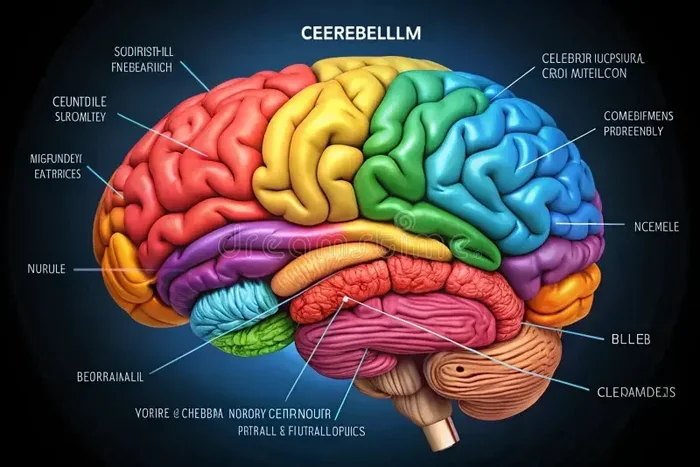
Visual guide about human brain illustration
Image source: thumbs.dreamstime.com
Here’s where things get really interesting. The thalamus isn’t just a passive relay station — it’s deeply involved in how you experience and process emotions. This connection between the thalamus and emotional regulation has profound implications for your mental health.
The Thalamus-Amygdala Connection
The thalamus has a direct line to the amygdala, your brain’s emotional processing center. This connection allows for rapid emotional responses to potential threats — sometimes before you’re even consciously aware of what you’re reacting to.
This is why you might jump at a loud noise before you realize what happened. Your thalamus sends a quick signal to the amygdala, triggering a fear response, while simultaneously sending a more detailed signal to the cortex for conscious processing. This dual pathway is essential for survival but can also contribute to anxiety when it becomes overactive.
If you’ve ever experienced moments where you feel overwhelmed by emotion without understanding why, like feeling like crying for no reason, this thalamic-amygdala connection might be part of the explanation. Sometimes emotional signals get processed before the conscious brain can make sense of them.
How The Thalamus Influences Mood
Research has shown that thalamic activity is closely linked to mood regulation. People with depression and bipolar disorder often show altered thalamic function, and some treatments specifically target thalamus-related pathways.
The thalamus helps regulate the flow of information to the prefrontal cortex — the part of your brain responsible for decision-making, emotional regulation, and personality. When thalamic function is disrupted, it can affect your ability to manage emotions effectively.
This connection between the thalamus and mental health is one reason why understanding what energy has to do with mental health matters so much. The thalamus plays a role in both energy regulation and emotional processing, creating a direct link between how you feel physically and emotionally.
The Thalamus and Memory Formation
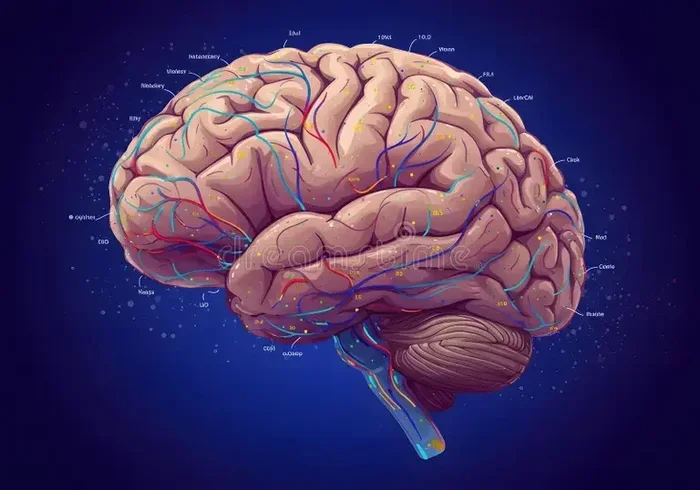
Visual guide about human brain illustration
Image source: thumbs.dreamstime.com
Memory isn’t stored in the thalamus, but this structure plays a critical role in how memories are formed and retrieved. The anterior thalamic nuclei have strong connections to the hippocampus, which is essential for creating new memories.
Working Memory and Attention
The thalamus helps maintain working memory — the ability to hold information in your mind for short periods while using it. It does this by sustaining activity in the prefrontal cortex, essentially keeping important information “online” while you work with it.
This is why you can remember a phone number long enough to dial it, or keep track of a conversation while formulating your response. The thalamus acts as a kind of mental workspace, holding information accessible until you no longer need it.
Thalamic Damage and Memory Loss
Damage to the thalamus, particularly from stroke or injury, can result in significant memory problems. People with thalamic damage may struggle to form new memories or have difficulty retrieving existing ones. This condition, known as thalamic amnesia, demonstrates just how important this structure is for normal memory function.
The Thalamus and Mental Health Conditions
Understanding what the thalamus does opens a window into various mental health conditions. Researchers have discovered that thalamic dysfunction plays a role in several psychiatric and neurological disorders.
Anxiety Disorders
People with anxiety disorders often show heightened thalamic reactivity to threatening or ambiguous stimuli. The thalamus may be sending too many “danger signals” to the amygdala, creating a constant state of hypervigilance.
This overactive thalamic-amygdala pathway can make everyday situations feel threatening, leading to the persistent worry and physical symptoms associated with anxiety. Treatments that help calm this pathway — including certain medications and mindfulness practices — can reduce anxiety symptoms.
Depression
Depression is associated with altered thalamic connectivity, particularly with the prefrontal cortex and limbic system. These changes may contribute to the emotional numbness, difficulty concentrating, and lack of motivation that characterize depression.
Some researchers believe that normalizing thalamic function could be a key to treating depression, especially in cases that don’t respond to traditional antidepressants. Emerging treatments like deep brain stimulation are exploring this possibility.
Schizophrenia
One of the most striking findings in schizophrenia research involves the thalamus. People with schizophrenia often show reduced thalamic volume and altered connectivity, which may contribute to the sensory processing problems and hallucinations associated with the condition.
The thalamus normally filters sensory information, preventing the cortex from being overwhelmed. In schizophrenia, this filtering mechanism may break down, leading to sensory overload and difficulty distinguishing between internally generated and externally perceived experiences.
Post-Traumatic Stress Disorder
PTSD involves changes in how the brain processes threat-related information, and the thalamus is right at the center of this. People with PTSD often show altered thalamic responses to trauma-related cues, which may contribute to flashbacks, hypervigilance, and emotional reactivity.
The thalamus’s role in sensory processing means that trauma-related sensory triggers can activate the thalamic-amygdala pathway, creating intense emotional responses even when the person knows they’re safe.
How To Support Your Thalamus And Brain Health
Now that you understand what the thalamus does, you might be wondering how to keep this crucial structure healthy. While you can’t directly “exercise” your thalamus, there are several evidence-based strategies that support overall brain health and optimal thalamic function.
Prioritize Quality Sleep
Since the thalamus plays a central role in sleep regulation, getting adequate sleep is essential for maintaining healthy thalamic function. Aim for 7-9 hours of quality sleep per night, and maintain a consistent sleep schedule.
During sleep, the thalamus helps consolidate memories and clear metabolic waste from the brain. Poor sleep disrupts these processes and can lead to impaired thalamic function over time.
Manage Stress Effectively
Chronic stress can alter thalamic function and strengthen the thalamic-amygdala pathway, making you more reactive to potential threats. Stress management techniques like meditation, deep breathing, and regular exercise can help maintain balanced thalamic activity.
Mindfulness meditation, in particular, has been shown to change thalamic connectivity and improve emotional regulation. Even a few minutes of daily practice can make a difference over time.
Stay Physically Active
Regular exercise supports brain health in multiple ways, including improved blood flow to the thalamus and enhanced connectivity between the thalamus and other brain regions. Aerobic exercise is particularly beneficial, as it increases the production of brain-derived neurotrophic factor (BDNF), which supports neuronal health and plasticity.
Eat a Brain-Healthy Diet
Nutrition plays a crucial role in brain health. A diet rich in omega-3 fatty acids, antioxidants, and B vitamins supports optimal brain function. Foods like fatty fish, leafy greens, berries, and nuts provide the nutrients your thalamus and other brain structures need to function properly.
Protect Your Brain
Preventing head injuries is important for protecting the thalamus. Wear helmets during sports and cycling, use seatbelts, and take steps to prevent falls. Even mild traumatic brain injuries can affect thalamic function and lead to lasting cognitive and emotional problems.
Common Misconceptions About The Thalamus
Despite its importance, the thalamus is often misunderstood. Let’s clear up some common myths.
Myth: The Thalamus Only Handles Sensory Information
While sensory relay is a major function, the thalamus does much more. It’s involved in motor control, emotional processing, memory, attention, and consciousness regulation. Reducing it to just a sensory relay station ignores its complex and varied roles.
Myth: The Thalamus Works Alone
The thalamus doesn’t operate in isolation. It’s deeply interconnected with the cortex, amygdala, hippocampus, and many other brain structures. Its function depends on these connections, and damage to any part of these networks can affect thalamic processing.
Myth: Thalamus Damage Is Always Permanent
While severe thalamic damage can have lasting effects, the brain has a remarkable ability to adapt. Neuroplasticity allows other brain regions to partially compensate for thalamic damage, especially with appropriate rehabilitation and support.
Quick Tips For Optimal Brain Function
- Get 7-9 hours of sleep nightly to support thalamic function and memory consolidation.
- Practice daily mindfulness to strengthen attention networks involving the thalamus.
- Exercise regularly to improve blood flow and connectivity throughout the brain.
- Eat omega-3 rich foods like salmon, walnuts, and flaxseeds for brain health.
- Limit alcohol consumption as excessive drinking can damage thalamic neurons.
- Stay mentally active with puzzles, reading, and learning new skills.
- Manage stress through relaxation techniques and social connection.
When To Seek Professional Help
If you’re experiencing persistent symptoms that might relate to thalamic dysfunction, it’s important to consult a healthcare professional. Signs that warrant evaluation include:
- Persistent memory problems that interfere with daily life
- Unexplained sensory changes or disturbances
- Difficulty sleeping despite good sleep hygiene
- Severe anxiety or mood changes that don’t improve
- Problems with coordination or movement
- Chronic fatigue that doesn’t have an obvious cause
A neurologist or psychiatrist can evaluate your symptoms and determine whether thalamic dysfunction or other neurological factors might be contributing to your experience.
The Future of Thalamus Research
Scientists are making exciting discoveries about the thalamus all the time. New imaging techniques are revealing previously unknown connections between the thalamus and other brain regions, while advances in genetics are helping researchers understand how thalamic development goes wrong in various disorders.
Emerging treatments like focused ultrasound and advanced deep brain stimulation offer hope for people with thalamic disorders that don’t respond to conventional treatments. As our understanding of the thalamus grows, so does our ability to develop targeted interventions for a wide range of neurological and psychiatric conditions.
The thalamus is also being studied for its role in consciousness itself. Some researchers believe that understanding thalamic function may be key to solving one of science’s biggest mysteries: how the brain creates conscious experience.
Conclusion
So, what does the thalamus do? As you’ve learned, this small but mighty brain structure does far more than most people realize. It serves as the brain’s central relay station, processing sensory information, regulating consciousness and sleep, coordinating movement, supporting memory formation, and playing a crucial role in emotional processing.
The thalamus connects to virtually every important brain region, making it a hub for information integration and communication. Its dysfunction can contribute to anxiety, depression, schizophrenia, PTSD, and other mental health conditions, highlighting just how important this structure is for overall wellbeing.
By understanding the thalamus and taking steps to support your brain health — through quality sleep, stress management, regular exercise, and proper nutrition — you can help this remarkable structure function at its best. Your thalamus works tirelessly every moment of every day to keep you connected to the world around you and to yourself. Taking care of your brain is one of the best investments you can make in your overall health and quality of life.
Frequently Asked Questions
What happens if the thalamus is damaged?
Thalamic damage can cause a range of problems including sensory disturbances, memory difficulties, movement coordination issues, and emotional regulation problems. The specific effects depend on which part of the thalamus is affected and the severity of the damage.
Can you live without a thalamus?
No, you cannot live without a thalamus. This structure is essential for consciousness, sensory processing, and many basic brain functions. Complete bilateral thalamic damage typically results in a persistent vegetative state.
How does the thalamus affect sleep?
The thalamus regulates sleep by changing its firing patterns to block sensory information from reaching the cortex during deep sleep. It also plays a role in generating the brain activity associated with REM sleep and dreaming.
Is the thalamus involved in emotional processing?
Yes, the thalamus is deeply involved in emotional processing through its connections to the amygdala and prefrontal cortex. It helps determine emotional responses to sensory information and plays a key role in mood regulation.
What foods support thalamus health?
Foods rich in omega-3 fatty acids (salmon, walnuts), antioxidants (berries, dark chocolate), and B vitamins (leafy greens, eggs) support overall brain health including thalamic function. Staying hydrated and limiting alcohol also helps.
How is the thalamus connected to mental health?
The thalamus is connected to mental health through its role in emotional regulation, sensory filtering, and stress response. Dysfunction in thalamic pathways is linked to anxiety, depression, PTSD, and schizophrenia.
