
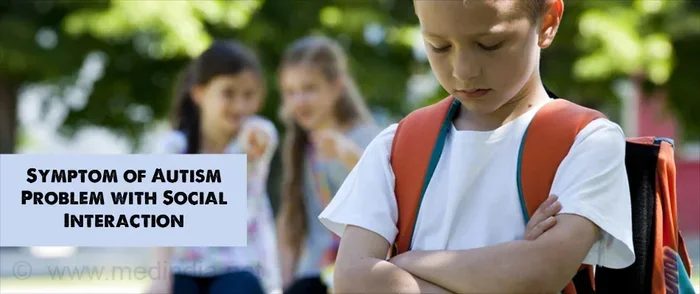
Social functioning and anxiety in autistic children are deeply connected challenges that affect daily life, friendships, and emotional well-being. Many autistic kids struggle with social interactions because their brains process communication and sensory input differently. This article explains the link between social difficulties and anxiety, offers clear signs to watch for, and gives parents and caregivers actionable steps to help children thrive.
Social functioning and anxiety in autistic children form a complex cycle that many families navigate every day. When a child struggles to connect with peers, read social cues, or manage sensory input, anxiety often follows. This anxiety then makes social situations even harder, creating a loop that can feel impossible to break.
Understanding this connection is the first step toward helping your child. Autistic children experience the world differently, and their social challenges are not a choice. They are rooted in how their brains process information, emotions, and interactions with others.
In this article, we will explore the relationship between social functioning and anxiety in autistic children. You will learn to recognize the signs, understand the underlying causes, and discover practical strategies that actually work. Whether you are a parent, teacher, or caregiver, this guide will give you tools to support the child in your life.
Key Takeaways
- Social anxiety in autistic children is common and often rooted in sensory overwhelm and communication differences.
- Early recognition of anxiety symptoms helps parents and caregivers intervene before challenges worsen.
- Practical strategies like social stories, role-playing, and occupational therapy can significantly improve social functioning.
- Understanding demand avoidance in autistic children helps caregivers respond with empathy rather than frustration.
- Building a supportive home environment reduces anxiety and strengthens a child’s confidence in social settings.
- Professional therapeutic interventions tailored to autism can make a lasting positive difference.
- Staying healthy and positive through personal challenges is essential for both children and their families.
📑 Table of Contents
Understanding Social Functioning In Autistic Children
Social functioning refers to how a person interacts with others, builds relationships, and navigates social situations. For autistic children, these skills do not always develop naturally or at the same pace as they do for neurotypical peers. This difference is not a deficit of character. It is simply a different way the brain processes social information.
What Social Functioning Looks Like In Autism
Autistic children may find certain aspects of social interaction particularly challenging. These challenges vary widely from child to child. Some may love being around people but struggle to read facial expressions. Others may prefer solitude because social settings feel overwhelming.
Common areas where social functioning differs include:
- Eye contact — Many autistic children find direct eye contact uncomfortable or distressing.
- Conversational flow — Taking turns in conversation, understanding tone, and picking up on sarcasm can be difficult.
- Play and imagination — Cooperative play and pretend play may develop later or look different.
- Understanding social rules — Unwritten social rules that neurotypical kids pick up naturally may need to be explicitly taught.
- Friendship building — Making and keeping friends requires skills that may need direct instruction and practice.
These differences are not flaws. They are part of the neurodivergent experience. When we understand this, we can stop expecting autistic children to fit a mold that was never designed for them.
Why Social Challenges Lead To Anxiety
When a child consistently struggles in social situations, anxiety naturally builds. Imagine walking into a room where everyone seems to know the rules except you. That feeling of confusion and isolation is exactly what many autistic children experience daily.
Anxiety in autistic children often stems from:
- Sensory overload — Noisy, crowded environments can trigger fight-or-flight responses.
- Fear of judgment — Children who know they are different often worry about being rejected.
- Difficulty predicting outcomes — Unstructured social situations feel unpredictable and unsafe.
- Past negative experiences — Bullying, rejection, or embarrassing moments create lasting anxiety.
When a child’s social anxiety goes unrecognized, it can worsen over time. They may start avoiding social situations altogether, which limits their growth and deepens feelings of loneliness.
Recognizing The Signs Of Anxiety In Autistic Children
Anxiety in autistic children does not always look like typical worry. Because communication challenges are part of autism, anxiety may show up in behaviors rather than words. Recognizing these signs early is crucial for providing the right support.
Behavioral Signs To Watch For
Anxiety often reveals itself through observable behaviors. Some common signs include:
- Meltdowns that seem to come out of nowhere, especially in social or sensory-heavy environments
- Avoidance behaviors — refusing to go to school, avoiding group activities, or withdrawing from family gatherings
- Repetitive behaviors that increase during stressful periods, such as hand-flapping or rocking
- Sleep disturbances — difficulty falling asleep, staying asleep, or having nightmares
- Physical symptoms — stomachaches, headaches, or tense muscles without a clear medical cause
- Regression — losing previously acquired skills, especially language or self-care abilities
If you notice these patterns, it is worth exploring whether anxiety is playing a role. Many parents find that understanding their child’s anxiety symptoms transforms how they respond at home.
The Connection Between Demand Avoidance And Anxiety
Some autistic children exhibit what is known as pathological demand avoidance. This means they avoid everyday requests and expectations at a level that significantly impacts their daily life. Demand avoidance is not stubbornness. It is an anxiety-driven response to feeling overwhelmed by demands from the environment.
When a child with demand avoidance is asked to join a group activity or try something new, their brain perceives it as a threat. The avoidance behavior is a coping mechanism. Understanding this connection helps caregivers approach these moments with patience and empathy rather than punishment.
For a deeper look at how demand avoidance manifests in daily life, you can explore what pathological demand avoidance looks like in adults. The principles of understanding demand-driven anxiety apply across ages and can inform how we support children as well.
Practical Strategies To Support Social Functioning
The good news is that social skills can be taught, and anxiety can be managed. With the right approaches, autistic children can build confidence and develop meaningful connections. Here are proven strategies that work.
Use Social Stories
Social stories are short, personalized narratives that describe a social situation, what to expect, and appropriate responses. They were developed by Carol Gray and remain one of the most effective tools for teaching social skills to autistic children.
For example, before a birthday party, you might write a simple story that describes what will happen, who will be there, and how the child might feel. This preparation reduces uncertainty and lowers anxiety.
Practice Through Role-Playing
Role-playing allows children to practice social interactions in a safe, low-pressure environment. You can act out scenarios like greeting a new classmate, asking to join a game, or handling a disagreement.
Keep these practice sessions light and fun. The goal is not perfection. It is building familiarity and comfort with social exchanges.
Address Communication Differences
Many autistic children communicate differently. Some are verbal but struggle with the back-and-forth of conversation. Others may use alternative communication methods like picture cards or speech-generating devices.
Understanding and respecting these differences is essential. When we meet children where they are, we reduce the frustration that fuels social anxiety. Learning to navigate different communication styles and love languages can transform relationships and reduce misunderstandings.
Incorporate Occupational Therapy
Occupational therapy (OT) can be incredibly helpful for autistic children. OT practitioners work on sensory regulation, motor skills, and social participation. They create customized programs that address the unique needs of each child.
Through OT, children learn to manage sensory input, develop coping strategies, and build the foundational skills needed for social engagement.
Building A Supportive Environment At Home
The home environment plays a massive role in how an autistic child manages anxiety and develops social confidence. Small, consistent changes can create a foundation of safety and belonging.
Create Predictable Routines
Autistic children often thrive with predictability. Clear routines reduce anxiety because the child knows what to expect. Visual schedules, timers, and advance warnings about transitions can make a world of difference.
Validate Their Feelings
When your child feels anxious or overwhelmed, resist the urge to dismiss their experience. Instead, acknowledge their feelings and offer comfort. Saying “I see that this is really hard for you” builds trust and emotional security.
Celebrate Small Wins
Every social interaction, no matter how small, is worth celebrating. Did your child make eye contact for a moment? Did they try to join a game? Did they express a feeling verbally? These victories matter. Recognizing them builds momentum and motivation.
Manage Your Own Stress
Caregivers need support too. Raising an autistic child with anxiety can be emotionally draining. Finding healthy ways to stay positive and manage your own challenges is not selfish. It is essential. Staying healthy and positive through personal challenges gives you the energy and patience your child needs from you.
When To Seek Professional Help
While home strategies are powerful, some situations benefit from professional support. Knowing when to seek help is an important part of being an effective advocate for your child.
Consider professional guidance if:
- Your child’s anxiety significantly interferes with daily functioning or school attendance
- Meltdowns or avoidance behaviors increase in frequency or intensity
- Your child expresses feelings of hopelessness or extreme fear
- Social isolation is affecting their self-esteem or development
- Home strategies are not producing the progress you hoped for
Therapists who specialize in autism support can provide behavioral therapy, cognitive behavioral therapy (adapted for the child’s developmental level), and social skills groups. These interventions are tailored to the unique needs of autistic children and can produce meaningful, lasting results.
Remember, seeking help is a sign of strength. It means you are committed to giving your child the best possible support.
Key Takeaways
- Social functioning and anxiety are deeply connected in autistic children, and understanding this link is the first step toward effective support.
- Anxiety in autistic children often shows up through behaviors like meltdowns, avoidance, and sensory overwhelm rather than verbal expressions of worry.
- Demand avoidance is an anxiety-driven response, not defiance, and requires empathy-based approaches from caregivers.
- Social stories, role-playing, and occupational therapy are proven methods for improving social functioning and reducing anxiety.
- A predictable, validating home environment provides the safety net autistic children need to take social risks and grow.
- Professional help should be sought when anxiety significantly impacts daily life, and doing so is a mark of strong, informed parenting.
- Every child progresses at their own pace, and celebrating small steps builds lasting confidence and resilience.
Conclusion
Social functioning and anxiety in autistic children are not separate problems. They are deeply intertwined, and addressing them together leads to better outcomes. When we understand that social challenges create anxiety, and anxiety worsens social challenges, we can break the cycle with compassion and the right strategies.
You do not need to have all the answers. You just need to be willing to learn, adapt, and show up for your child. Every small step you take toward understanding their experience builds a bridge of trust and connection.
The world needs all kinds of minds, including autistic ones. By supporting your child’s social growth and managing their anxiety with patience and evidence-based strategies, you are helping them find their place in it. And that is a beautiful thing.
Frequently Asked Questions
What causes anxiety in autistic children?
Anxiety in autistic children often stems from sensory overload, difficulty predicting social situations, fear of judgment, and past negative experiences like bullying. The gap between what a child expects and what actually happens in social settings can trigger intense worry and avoidance behaviors.
How can I tell if my autistic child has social anxiety?
Look for signs like avoiding social situations, increased meltdowns before or after group activities, physical complaints like stomachaches, and regression in skills. Many autistic children do not verbalize their anxiety, so behavioral changes are the most reliable indicators.
What are social stories and how do they help?
Social stories are short, personalized narratives that describe a social situation, what will happen, and how the child might respond. They reduce uncertainty by preparing the child for what to expect, which lowers anxiety and builds confidence in social settings.
Can occupational therapy really improve social functioning?
Yes, occupational therapy addresses the sensory, motor, and emotional foundations that underpin social interaction. An OT practitioner creates a customized program that helps children manage sensory input, develop coping strategies, and participate more comfortably in social environments.
Is demand avoidance the same as being defiant?
No, demand avoidance in autistic children is an anxiety-driven response to feeling overwhelmed, not intentional defiance. When demands from the environment feel threatening, avoidance becomes a coping mechanism. Responding with empathy rather than punishment is far more effective.
How can I support my autistic child’s friendships?
Start by creating low-pressure social opportunities with one or two peers in familiar settings. Role-play social scenarios at home, celebrate small social wins, and consider social skills groups led by professionals. Building friendships takes time, and every child’s pace is different.
