
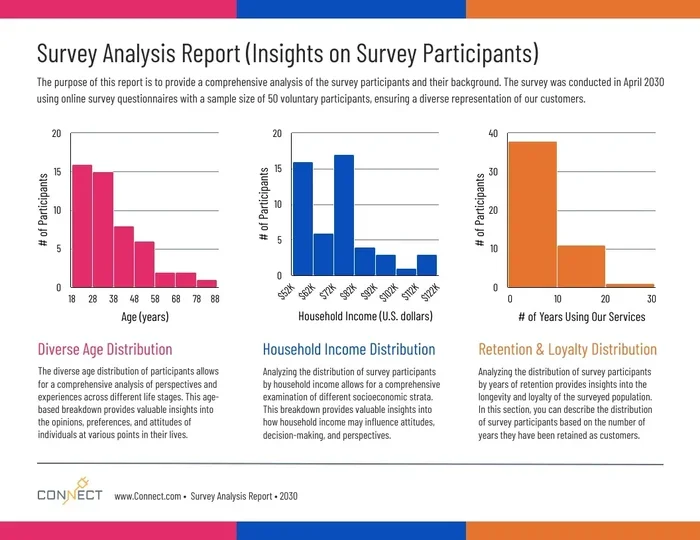
Thematic analysis is a flexible and widely used qualitative research method that can absolutely work with questionnaire data. When you combine thematic analysis with well-designed surveys, you unlock deeper insights from respondent answers that numbers alone cannot capture. This guide walks you through every step, from coding themes to presenting findings, so you can use thematic analysis for questionnaires with confidence.
Have you ever collected survey responses and felt overwhelmed by all the text? You are not alone. Many researchers face this challenge when they design questionnaire design projects that include open-ended questions. The good news is that thematic analysis offers a structured way to make sense of all that rich qualitative data. In this article, we will explore whether thematic analysis can be used for questionnaires and how you can apply it in your own research methodology projects.
Thematic analysis is one of the most popular approaches in qualitative research. It helps you identify, organize, and report patterns within data. When you pair it with surveys, something powerful happens. You move beyond simple counts and percentages. You start understanding the stories, emotions, and meanings behind respondent answers. Whether you are a student, a market researcher, or a social scientist, this combination can elevate your work significantly.
Key Takeaways
- Thematic analysis works with questionnaires: It is a proven method for finding patterns in survey responses, especially open-ended questions.
- The process is flexible: You can use inductive or deductive approaches depending on your research goals and analytical framework.
- Step-by-step coding matters: From familiarization to theme refinement, each stage builds toward meaningful data interpretation.
- Common pitfalls are avoidable: Watch out for bias, vague themes, and poor questionnaire design that muddies your results.
- Mix methods for best results: Combining qualitative data from thematic analysis with quantitative survey scores gives you a fuller picture.
- Practice makes progress: The more you apply thematic coding, the better your pattern identification skills become.
📑 Table of Contents
- What Is Thematic Analysis and Why Does It Matter?
- Can Thematic Analysis Be Used For Questionnaires Effectively?
- The Step-by-Step Process for Analyzing Questionnaire Data
- Benefits of Combining Thematic Analysis With Questionnaires
- Common Mistakes to Avoid When Using Thematic Analysis for Questionnaires
- Tips and Best Practices for Success
- Conclusion
What Is Thematic Analysis and Why Does It Matter?
Thematic analysis is a method for identifying recurring themes or patterns across a dataset. It is commonly used in qualitative research to analyze interview transcripts, focus group notes, and yes, survey questions with open-ended responses. The goal is not just to describe data but to interpret it. You look for pattern identification across multiple respondent answers and group them into meaningful categories.
What makes thematic analysis so appealing is its flexibility. Unlike some rigid analytical frameworks, it adapts to your research questions. You do not need a massive budget or specialized software to start. All you need is a clear set of research questions, a willingness to read carefully, and a system for thematic coding. This accessibility is one reason it has become a go-to method for analyzing questionnaire data.
How Thematic Analysis Differs from Other Methods
Not all data analysis methods are the same. Content analysis often focuses on counting specific words or phrases. Grounded theory aims to build new theories from data. Thematic analysis sits somewhere in between. It focuses on identifying themes that capture the essence of the data without forcing you into a strict theoretical model. This makes it ideal for survey research where you want insights that are grounded in what people actually said.
Think of it this way. If quantitative research tells you what happened, thematic analysis helps you understand why it happened. When you apply it to questionnaires, you get both the numbers and the narratives. That dual perspective is incredibly valuable for data interpretation.
Can Thematic Analysis Be Used For Questionnaires Effectively?
The short answer is yes. Thematic analysis works well with questionnaires, especially those that include open-ended questions. However, effectiveness depends on several factors. Let us break down what makes this combination successful and where it might fall short.
When Thematic Analysis Shines With Survey Data
Thematic analysis is most effective when your questionnaire includes questions that invite detailed responses. For example, questions like “What challenges did you face?” or “How did this experience affect you?” produce rich text that is perfect for thematic coding. These types of survey questions give respondents room to express themselves fully.
Here are situations where thematic analysis works particularly well with questionnaires:
- Exploratory research: When you are investigating a new topic and need to discover themes rather than test existing ones.
- Follow-up studies: After collecting quantitative data, open-ended questions can reveal the reasons behind the numbers.
- Program evaluation: Understanding participant experiences with a service or intervention through their own words.
- Customer feedback surveys: Identifying recurring pain points or positive themes in consumer responses.
Good questionnaire design is the foundation. If your open-ended questions are vague or leading, the themes you extract will reflect poor questions rather than genuine insights. Always pilot-test your survey before full deployment.
Limitations to Keep in Mind
No method is perfect, and thematic analysis has its limits. When questionnaires have mostly closed-ended questions with very few open-ended responses, there is less material for pattern identification. Also, data saturation matters. If you have only a small number of responses, your themes may not capture the full range of experiences.
Another challenge is subjectivity. Because thematic analysis involves interpretation, different researchers might identify different themes from the same data. This is why transparency in your coding framework and analytical framework is so important. Document your decisions clearly so others can follow your reasoning.
The Step-by-Step Process for Analyzing Questionnaire Data
Now let us get practical. Here is how you actually apply thematic analysis to questionnaire data. This process follows the widely recognized six-phase approach developed by Braun and Clarke, adapted specifically for survey research.
Phase 1: Familiarize Yourself With the Data
Start by reading through all the respondent answers multiple times. This is not a speed-reading exercise. You want to immerse yourself in the data. Print out responses if needed. Highlight interesting phrases, surprising comments, and recurring ideas. This first phase builds your intuition about the dataset and helps you start noticing patterns naturally.
During this stage, good researchers share characteristics of people who don’t beat themselves up for mistakes, because not every response will immediately make sense and that is perfectly fine. Give yourself permission to sit with ambiguity before jumping to conclusions.
Phase 2: Generate Initial Codes
Coding is the heart of thematic coding. Go through the data line by line and assign short labels to chunks of text. For example, if a respondent writes about feeling overwhelmed by too many survey questions, you might code that as “survey fatigue.” If another person mentions feeling heard by the researcher, you might code that as “validation.”
Keep your codes descriptive and concise. Avoid being too broad or too narrow. A code like “feelings” is too vague, while “the exact shade of blue mentioned in paragraph three” is too narrow. Find the sweet spot. Your coding framework should capture meaningful units of meaning within the qualitative data.
Phase 3: Search for Themes
Once you have a list of codes, start grouping them into potential themes. A theme is broader than a code. It captures a pattern across multiple responses. For instance, codes like “survey fatigue,” “too many questions,” and “lost interest” might all fall under a theme called “questionnaire burden.”
Use visual tools during this phase. Create tables, charts, or simple lists that map codes to potential themes. This helps you see connections you might miss otherwise. Remember, inductive analysis lets themes emerge from the data, while deductive coding starts with preconceived categories based on your research questions. You can use either approach or combine them.
Phase 4: Review and Refine Themes
This is where the real rigor comes in. Go back to your raw data and check whether each theme truly fits. Are there responses that don’t fit any theme? Are two themes actually the same thing? Refine your themes until they are distinct, meaningful, and well-supported by the qualitative data.
Think of this phase like learning how some people learn to not trust everybody blindly — you need to critically evaluate each theme and not accept the first interpretation. Check for internal coherence (does everything within a theme fit together?) and external distinctiveness (is this theme clearly different from others?).
Phase 5: Define and Name Your Themes
Give each theme a clear, descriptive name. The name should capture the essence of the theme and its significance to your research questions. Write a brief summary for each theme that explains what it captures and why it matters. This step transforms a collection of codes into a coherent analytical story.
For example, instead of naming a theme “Negative feelings,” you might call it “Frustration With Survey Length.” The second name is specific, informative, and immediately useful to anyone reading your findings.
Phase 6: Write Up Your Findings
The final phase is all about presentation. Write up your data interpretation in a clear and engaging way. Use vivid quotes from respondent answers to illustrate each theme. Explain how each theme relates to your original research questions and the broader context of your study.
Remember, sharing your findings is a way of being a good person to give hope to others, because your analysis can reveal insights that lead to real improvements in programs, products, or policies. Make your write-up accessible to both academic and non-academic audiences.
Benefits of Combining Thematic Analysis With Questionnaires
There are several compelling reasons to use thematic analysis alongside your questionnaire data. Let us look at the biggest advantages.
- Richness of insight: Numbers tell you what happened. Themes tell you why it happened and how people felt about it.
- Flexibility: Thematic analysis works with small or large datasets and adapts to various research designs.
- Accessibility: You do not need expensive software. Basic tools like spreadsheets or even pen and paper work fine for thematic coding.
- Participant voice: Thematic analysis preserves the authentic voice of respondents, which quantitative methods often flatten into numbers.
- Identifying surprises: Sometimes the most valuable findings are the ones you did not expect. Open-ended responses can reveal themes you never anticipated.
When you combine qualitative data from thematic analysis with quantitative survey scores, you create a mixed-methods approach that is stronger than either method alone. This triangulation strengthens your data interpretation and increases the credibility of your findings.
Common Mistakes to Avoid When Using Thematic Analysis for Questionnaires
Even experienced researchers make mistakes. Here are the most common pitfalls and how to avoid them.
Rushing the Coding Process
Coding takes time. If you rush through thematic coding, you will miss subtle but important patterns. Give yourself enough time to read each response carefully. Set a realistic schedule and stick to it. Quality always beats speed in qualitative research.
Forcing Data Into Preconceived Themes
It is tempting to fit data into themes you already have in mind. Resist this urge. Let the data guide you. If a theme emerges that you did not expect, embrace it. That unexpected theme might be the most valuable finding in your entire study. This connects to why it is so hard to speak up for yourself when your findings challenge your original assumptions — but doing so leads to more honest and accurate research.
Ignoring Negative Cases
A negative case is a response that does not fit your dominant theme. Do not ignore these. They are often the most interesting data points. Negative cases can refine your themes, reveal exceptions, or even lead to entirely new insights. Document them and explain how they influenced your analytical framework.
Poor Questionnaire Design
If your survey questions are poorly worded, biased, or too narrow, no amount of thematic analysis will save your results. Invest time in questionnaire design before you collect any data. Use clear language, avoid leading questions, and include a mix of question types to capture both breadth and depth of experience.
Tips and Best Practices for Success
Want to get the most out of thematic analysis for your questionnaire data? Here are practical tips that make a real difference.
Start With Clear Research Questions
Before you analyze a single response, make sure your research questions are sharp and focused. Your questions should guide your coding framework and help you stay on track. Vague questions lead to vague themes, which leads to weak data interpretation.
Use Software Tools When Needed
You do not need software to do thematic analysis, but it can help with larger datasets. Tools like NVivo, ATLAS.ti, or even simple spreadsheet programs can organize your codes and speed up the pattern identification process. Choose the tool that fits your budget and comfort level.
Involve Multiple Coders
If possible, have a colleague code a subset of your data independently. Compare your themes and discuss differences. This inter-coder reliability check strengthens the trustworthiness of your findings and is a hallmark of rigorous qualitative research.
Stay Close to the Data
Always let the respondent answers drive your themes. Do not force your preconceptions onto the data. The best themes feel authentic and grounded in what people actually said. This connection to real voices is what makes thematic analysis so powerful for questionnaire research.
Report Transparently
Be open about your process. Describe how you collected data, how you coded it, how you developed themes, and what limitations exist. Transparency builds trust and allows others to evaluate and build on your work. It also helps you stay accountable to the standards of research methodology.
Conclusion
Thematic analysis can absolutely be used for questionnaires effectively. It is a versatile, accessible, and powerful method for uncovering the rich insights hidden in survey responses. From open-ended questions to detailed respondent answers, thematic analysis transforms raw text into meaningful patterns that inform real decisions.
The key is to approach it with patience, rigor, and curiosity. Follow the steps we outlined, avoid common mistakes, and always let the data speak for itself. Whether you are new to qualitative research or looking to refine your skills, applying thematic analysis to questionnaire data is a skill worth developing. Start small, practice regularly, and watch your data interpretation abilities grow with each project you complete.
Frequently Asked Questions
What type of questionnaire questions work best with thematic analysis?
Open-ended questions work best because they generate rich text that contains meaningful patterns for thematic coding. Questions that ask “how,” “what,” or “why” tend to produce the most useful qualitative data for identifying themes and conducting data interpretation.
Do I need special software to perform thematic analysis on survey data?
No, special software is not required. Many researchers start with simple tools like spreadsheets or word processors. However, for larger datasets, software like NVivo or ATLAS.ti can streamline thematic coding and help with pattern identification across hundreds of respondent answers.
Can thematic analysis be combined with quantitative survey results?
Yes, absolutely. This is called a mixed-methods approach. You can use quantitative data for overall trends and thematic analysis for deeper understanding of why those trends exist. Combining both gives you a more complete picture and strengthens your analytical framework.
How many responses do I need for thematic analysis of questionnaire data?
There is no fixed number, but aim for enough responses to achieve data saturation, which means new responses no longer introduce new themes. For many studies, 15 to 30 detailed responses are sufficient, though larger surveys may require more to capture the full range of experiences.
Is thematic analysis the same as content analysis for questionnaires?
They are related but different. Content analysis often focuses on counting specific words or categories, while thematic analysis focuses on identifying broader patterns and meanings. Thematic analysis tends to be more interpretive and flexible, making it well-suited for understanding the depth of survey questions responses.
How do I ensure my themes are valid and reliable?
Use multiple strategies: involve more than one coder to check for agreement, keep a detailed audit trail of your decisions, go back to the raw data frequently, and be transparent about your coding framework. These practices increase the trustworthiness of your qualitative research findings.
