
Buying a home is exciting, but knowing your budget matters most. With a 200k salary, you have strong earning power. Yet, lenders look at more than just income. They check debt, credit, and down payment size. This guide breaks down exactly how much mortgage can I afford with 200k salary. You will learn simple rules, real numbers, and smart strategies. Let us help you buy with confidence.
Key Takeaways
- Income is just the start: Lenders weigh debt-to-income ratio, credit score, and down payment heavily.
- The 28/36 rule works: Keep housing costs under 28% of gross income and total debt under 36%.
- Location changes everything: Property taxes, insurance, and HOA fees vary widely by city and state.
- Down payment size matters: A larger down payment lowers monthly payments and may remove PMI.
- Pre-approval saves time: Getting pre-approved shows sellers you are serious and reveals your true budget.
- Emergency funds stay essential: Never stretch your budget so thin that you lose your safety net.
- Professional guidance helps: A trusted loan officer or financial planner can personalize your numbers.
📑 Table of Contents
- What Does a 200k Salary Really Mean for Home Buying?
- The 28/36 Rule and How It Shapes Your Budget
- How Much Mortgage Can I Afford With 200k Salary?
- Credit Score, Debt, and Other Hidden Factors
- Location, Taxes, and Insurance: The Hidden Costs
- Smart Strategies to Maximize Your Buying Power
- Planning for the Long Term
- Final Thoughts on Your Home Buying Journey
What Does a 200k Salary Really Mean for Home Buying?
Earning 200k salary puts you in a strong financial position. You have room to save, invest, and plan for a home. But home buying is not just about your paycheck. Lenders look at the full picture. They want to see steady income, low debt, and good credit habits. Your salary opens doors. Your financial habits walk you through them.
Many people think a high salary guarantees a big mortgage. That is not always true. Your monthly debts, credit score, and down payment size all shape your offer. A clean financial profile can stretch your buying power. A cluttered one can shrink it fast. Let us look at how lenders really view your income.
Gross Income vs. Net Income
Lenders use your gross income before taxes. They do not count your take-home pay. This matters because taxes, retirement contributions, and health costs reduce your actual cash. You should still plan with your net pay in mind. A home budget that looks fine on paper can feel tight in real life. Always leave room for your daily living costs.
Stable Income Matters Most
A 200k salary looks great on an application. But lenders also want consistency. They prefer two years of steady employment. Freelancers and bonus-heavy workers may face extra scrutiny. Keep records handy. Pay stubs, tax returns, and bank statements help your case. The clearer your income trail, the smoother your approval.
The 28/36 Rule and How It Shapes Your Budget
The 28/36 rule is a classic lending guideline. It helps you stay within safe limits. The first number says housing costs should stay below 28% of your gross monthly income. The second says total debt payments should stay below 36%. This includes your mortgage, car loans, student loans, and credit cards. It is a simple way to protect your cash flow.
Visual guide about mortgage home buying budget
Image source: i.etsystatic.com
With a 200k salary, your gross monthly income is about 16,667 dollars. Twenty-eight percent of that is roughly 4,667 dollars. That is your target for housing costs. Thirty-six percent of your gross monthly income is about 6,000 dollars. That is your ceiling for all debt payments combined. These numbers give you a strong starting point. They are not rigid laws, but they work well in practice.
Why Lenders Use Debt-to-Income Ratio
Your debt-to-income ratio tells lenders how stretched you are. A lower ratio means more breathing room. A higher ratio signals risk. Most lenders prefer a DTI under 43%. Some programs allow higher ratios with strong compensating factors. A high credit score or large down payment can help. Still, keeping your DTI modest gives you more options.
Housing Costs Beyond the Mortgage
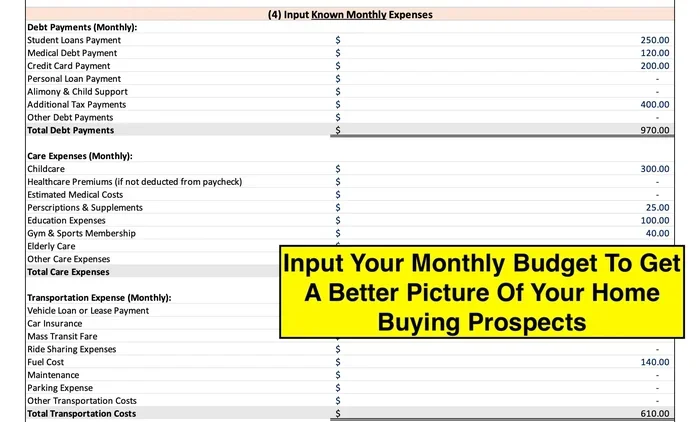
Your monthly payment is not just principal and interest. It also includes property taxes, homeowners insurance, and sometimes PMI. If your loan type requires mortgage insurance, that adds to your cost. HOA fees can add more. Maintenance and utilities matter too. A good budget covers the full monthly picture, not just the loan payment.
How Much Mortgage Can I Afford With 200k Salary?
This is the core question many buyers ask. The short answer is that a 200k salary can support a large mortgage. But the exact number depends on your debts, credit, down payment, and local costs. A clean financial profile can push your buying power higher. A heavier debt load can pull it down. Let us walk through a realistic example.
Visual guide about mortgage home buying budget
Image source: a-us.storyblok.com
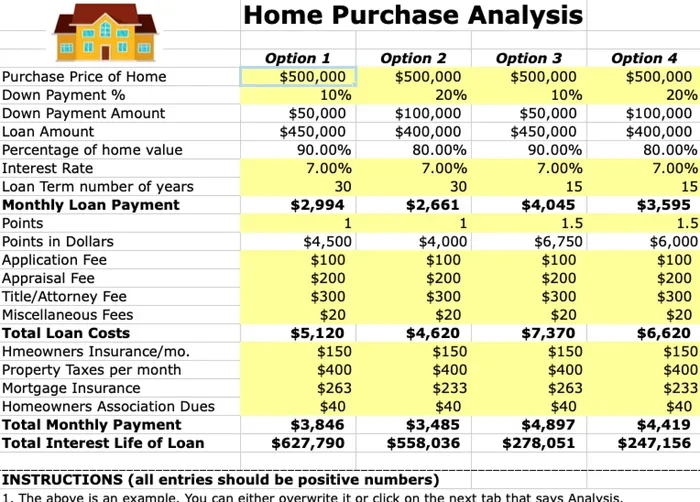
Imagine you have minimal debt and a strong credit score. You plan to put 20% down. You want a 30-year fixed loan. At current rates, your monthly payment per 100,000 dollars borrowed is roughly 550 to 650 dollars for principal and interest. Taxes and insurance vary by location. If you keep housing costs near the 28% guideline, you can target a home price in a strong range. Many buyers in this income bracket look at homes in the mid to high six figures. Some can go higher with a larger down payment and low debts.
Example Budget Breakdown
Let us keep it simple. Suppose your gross monthly income is 16,667 dollars. You have no major debts. You aim for a 28% housing ratio. That gives you about 4,667 dollars per month for PITI. If taxes and insurance run 800 dollars, your mortgage payment target is around 3,867 dollars. At a 6.5% rate, that supports a loan in the 550,000 to 600,000 dollar range, depending on taxes and insurance. Add a 20% down payment, and your home price target moves higher. This is a rough sketch, not a promise. Rates and costs change often.
How Down Payment Changes the Math
A bigger down payment reduces your loan amount. It also can remove PMI. That lowers your monthly cost. It improves your chances with sellers too. A smaller down payment keeps more cash in your pocket today. But it raises your monthly payment and may add mortgage insurance. Both paths can work. Choose the one that fits your savings and comfort level.
Credit Score, Debt, and Other Hidden Factors
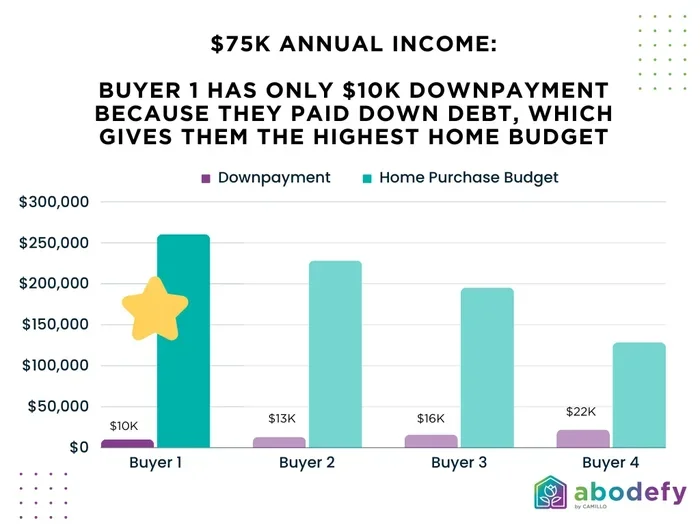
Your credit score plays a huge role. Higher scores usually earn better rates. Better rates mean lower monthly payments. That increases your buying power. Lower scores can raise your rate and shrink your options. Paying down credit cards before applying can help a lot. Even small balance reductions can improve your profile.
Visual guide about mortgage home buying budget
Image source: img.pikbest.com
Your existing debt also matters. Car payments, student loans, and minimum credit card payments all count. They eat into your 36% limit. If you carry heavy debt, your mortgage budget shrinks. If you carry little debt, your housing budget grows. This is why many buyers pay down balances before house hunting. It is one of the fastest ways to improve your numbers.
The Role of Cash Reserves
Lenders like to see cash reserves. These are funds left after closing. Reserves show you can handle surprises. They also help if your income fluctuates. Aim to keep a few months of expenses in the bank. This protects you and strengthens your application. A solid savings cushion is a quiet advantage.
Job Stability and Income Type
Salaried workers often get a smoother review. Bonus income may count only if it is consistent. Self-employed buyers usually need two years of tax returns. Commission-based income can be trickier. The key is documentation. Clear records build trust. Trust builds approvals.
Location, Taxes, and Insurance: The Hidden Costs
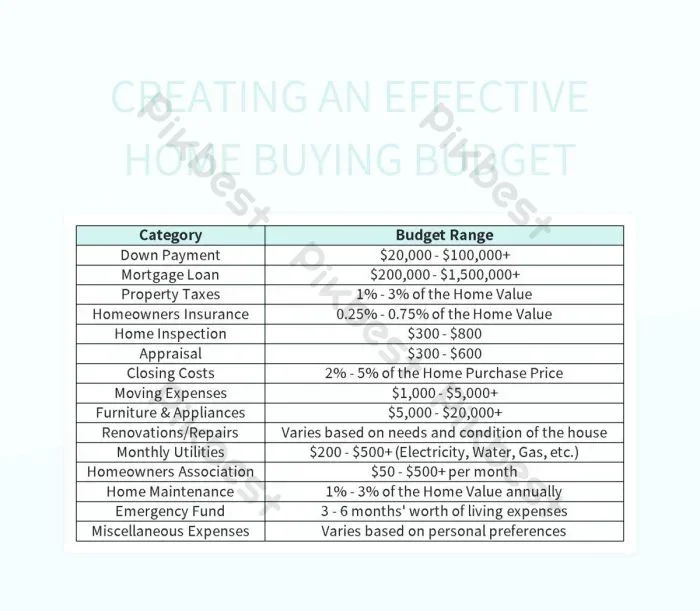
Where you buy changes your budget a lot. Property taxes vary by county and state. Some areas charge much more than others. Homeowners insurance also differs by region. Storm-prone areas often cost more. If you buy in a high-tax area, your PITI rises. That lowers the loan amount you can comfortably carry.
HOA fees can add another layer. Some communities charge modest fees. Others charge heavily for amenities. These fees count as part of your housing cost. Always ask for the HOA budget and rules before you commit. A low mortgage payment can still feel heavy if HOA fees are high.
Maintenance and Utilities
Homeownership brings ongoing costs. You will need repairs, replacements, and routine care. A common rule is to save 1% to 3% of the home price each year for maintenance. Utilities can also rise compared to renting. Plan for these costs early. A realistic budget keeps your home fun, not stressful.
Comparing Two Markets
Consider two cities with very different costs. In a lower-tax area, your monthly PITI may stay lean. In a high-tax area, the same loan payment can feel much heavier. Insurance can shift too. The best move is to compare total monthly costs, not just the sticker price. A cheaper home in a costly area may not be cheaper at all.
Smart Strategies to Maximize Your Buying Power
You can stretch your budget wisely. Start by lowering your debt before you apply. Pay down credit cards and avoid new loans. Next, boost your credit score with on-time payments and low utilization. Then, save for a stronger down payment if possible. Each step improves your terms and your monthly comfort.
Shop around for lenders. Rates and fees differ. A small rate drop can save a lot over time. Ask about loan programs that fit your situation. Some buyers benefit from different loan structures. Compare total costs, not just the monthly payment. Look at closing costs, rate locks, and points too.
Quick Tips for Stronger Offers
- Get pre-approved early: It shows sellers you are ready and clarifies your range.
- Keep finances stable: Avoid big purchases or new debt before closing.
- Compare at least three lenders: Small differences add up fast.
- Ask about rate locks: They can protect you during market swings.
- Review the full closing estimate: Know your cash to close before you sign.
Common Mistakes to Avoid
- Stretching too far: A maxed-out budget leaves no room for life events.
- Ignoring total monthly costs: Taxes, insurance, HOA, and maintenance matter.
- Changing jobs mid-process: Stability helps your approval stay intact.
- Opening new credit cards: New debt can derail your closing.
- Skipping the emergency fund: Reserves protect you after move-in day.
Planning for the Long Term
A mortgage is a long commitment. Your income today may change tomorrow. Think about future goals too. Career shifts, family plans, and retirement savings all matter. A home should support your life, not strain it. Choose a payment that lets you keep investing in your future.
Build a budget that survives rough months. Keep an emergency fund intact. Stay flexible with your housing choices. Sometimes a slightly smaller home gives you more freedom. That freedom can be worth more than extra square footage. Buy for the life you actually live.
When to Rethink Your Target
If your monthly payment leaves you tight, pause. Consider a lower price or a different area. You can also wait and strengthen your finances. A better credit score or larger down payment can improve your terms. There is no rush to overextend. Patience often pays off in better sleep and better options.
Expert Insight on Comfortable Payments
Many advisors suggest choosing a payment that feels easy, not just one that qualifies. If your housing cost fits comfortably within your cash flow, you have room to breathe. That room helps during repairs, job changes, or family needs. A comfortable payment is a quiet win. It keeps your home a blessing, not a burden.
Final Thoughts on Your Home Buying Journey
A 200k salary gives you real strength in the housing market. You have the income to aim high. But your best budget comes from looking at the full picture. Debt, credit, down payment, taxes, and insurance all shape your number. Use the 28/36 rule as a guide. Then adjust for your life and your goals.
When you ask how much mortgage can I afford with 200k salary, remember this: the best answer is the one that lets you sleep well at night. Compare lenders, plan for hidden costs, and keep your emergency fund healthy. With steady habits and clear numbers, you can buy with confidence. Your next chapter starts with a smart budget and a calm mind.
Frequently Asked Questions
How much house can I buy with a 200k salary?
It depends on your debts, credit score, down payment, and local taxes. Many buyers with a clean financial profile can target homes in a strong mid-to-high range. Use the 28/36 rule to keep your budget comfortable.
What mortgage amount fits a 200k income best?
A good starting point is a payment that keeps housing costs near 28% of your gross monthly income. That gives you room for taxes, insurance, and maintenance. Lower debt and a larger down payment can increase your buying power.
Does a higher salary guarantee a bigger mortgage?
No, a higher salary helps, but lenders also weigh debt, credit, and job stability. A heavy debt load or weak credit can reduce your options. A strong overall profile matters more than income alone.
How much down payment should I save first?
Saving at least 20% can lower your monthly payment and may remove mortgage insurance. A smaller down payment is okay too, but it usually raises your monthly cost. Choose the amount that keeps your cash reserves healthy.
What hidden costs should I plan for?
Plan for property taxes, homeowners insurance, HOA fees, maintenance, and utilities. These costs can change your true monthly payment a lot. Always compare the full PITI, not just principal and interest.
Should I get pre-approved before house hunting?
Yes, pre-approval shows sellers you are serious and clarifies your budget. It also helps you move faster when you find the right home. Just keep your finances stable until closing day.