

Yes, you can often get a mortgage with a derogatory mark, but approval depends on the type, age, and severity of the credit issue. Lenders look at your full financial picture, not just one negative item. With the right preparation, you can still qualify for a home loan.
Key Takeaways
- Derogatory marks vary in impact: Late payments, collections, charge-offs, and bankruptcies affect mortgage approval differently.
- Time matters: Older derogatory marks weigh less than recent ones, and many lenders prefer waiting periods after major credit events.
- Overall credit health counts: A strong payment history, low debt, and stable income can offset a single negative mark.
- Loan programs differ: Conventional, FHA, VA, and USDA loans each have unique rules for credit issues.
- Documentation helps: Explain circumstances, show steady employment, and provide proof of reserves to strengthen your application.
- Repair options exist: Paying down balances, correcting errors, and rebuilding credit can improve your chances before applying.
- Professional guidance pays off: A knowledgeable loan officer can match your situation to the right program and lender.
📑 Table of Contents
- Can I Get a Mortgage with a Derogatory Mark
- Understanding Derogatory Marks and How They Affect Approval
- How Lenders Evaluate Credit Issues
- Loan Program Options When You Have a Derogatory Mark
- Steps to Improve Your Chances Before Applying
- When It May Be Better to Wait
- Working With Professionals to Navigate the Process
Can I Get a Mortgage with a Derogatory Mark
Getting a home loan with a blemish on your credit report can feel stressful. Many people worry that one negative item will shut the door on homeownership. The good news is that lenders look at the whole picture, not just a single mark. Your income, employment, debt, and overall credit behavior all play a role. If you have a derogatory mark, you still have paths to explore.
A derogatory mark is a negative entry on your credit report. It can come from missed payments, collections, charge-offs, or more serious events like bankruptcy. These items signal risk to lenders, but they do not automatically disqualify you. The key is understanding how different loan programs treat credit issues and what you can do to improve your odds.
This guide breaks down what lenders consider, how various loan types handle derogatory marks, and practical steps you can take. You will learn how to prepare, what to expect, and when it may make sense to wait before applying.
Understanding Derogatory Marks and How They Affect Approval
A derogatory mark is any negative credit entry that shows you did not meet a financial obligation as agreed. Common examples include late payments, accounts sent to collections, charge-offs, foreclosures, and bankruptcies. Each type carries a different level of concern for mortgage lenders.
Late payments are the most common issue. A single 30-day late payment is less serious than a pattern of missed payments. Lenders often look for a recent history of on-time payments. If your late payments are older and followed by good behavior, your application may still be strong.
Collections and charge-offs show that an account went unpaid for a long time. These items can lower your credit score and raise questions about how you handle debt. Still, many lenders will consider your application if the balance is small, the item is old, or you have since rebuilt your credit.
More serious events, such as foreclosure or bankruptcy, usually come with waiting periods. Lenders want to see that you have recovered and maintained good credit since the event. The length of the waiting period depends on the loan program and the type of event.
It helps to remember that credit reports are historical records. They show what happened, but they do not tell the full story. Lenders also review your current income, employment stability, savings, and debt-to-income ratio. A single derogatory mark does not erase years of responsible financial behavior.
Common Types of Derogatory Marks
- Late payments: Missed payments on credit cards, loans, or utilities.
- Collections: Accounts handed to a collection agency after long-term non-payment.
- Charge-offs: Debts written off by a lender as unlikely to be collected.
- Foreclosure: A lender takes possession of a home after mortgage non-payment.
- Bankruptcy: A legal process that reorganizes or discharges debt.
- Public records: Tax liens or civil judgments, though these appear less often now.
Quick Tips
- Check your credit reports from all three bureaus for accuracy.
- Note the date, type, and amount of each derogatory mark.
- Track your recent payment history to show improvement.
- Keep old accounts open if they help your credit age and utilization.
How Lenders Evaluate Credit Issues
Lenders use guidelines to assess risk, but they also use judgment. Automated systems may flag certain items, yet human underwriters can review context. They look at the severity, recency, and frequency of negative marks. They also compare your file against program rules.
Your credit score is important, but it is not the only factor. A lower score from one old collection may be less concerning than a higher score with recent missed payments. Underwriters want to see a clear pattern of responsibility. They often ask for explanations when something looks unusual.
Documentation can make a big difference. If a late payment happened because of a temporary job loss, medical issue, or administrative error, a brief letter of explanation can help. Keep it factual and concise. Show that the issue is resolved and that your current habits are strong.
Your debt-to-income ratio matters too. This ratio compares your monthly debt payments to your gross income. A healthy ratio shows you can handle a mortgage payment along with other obligations. Even with a derogatory mark, a solid income and manageable debt can support approval.
What Underwriters Look For
- Recency: How long ago the negative item occurred.
- Frequency: Whether the issue is isolated or part of a pattern.
- Severity: The type of mark and the amount involved.
- Recovery: Evidence of on-time payments since the event.
- Stability: Steady employment, consistent income, and reasonable debt.
Common Mistakes
- Applying with several lenders in a short window without a plan.
- Ignoring errors on your credit report before submitting an application.
- Carrying high credit card balances right before applying.
- Making large purchases or opening new accounts during the process.
- Withholding context that could explain a temporary setback.
Loan Program Options When You Have a Derogatory Mark
Different loan programs treat credit issues in different ways. Knowing the general rules can help you target the right path. Conventional loans, FHA loans, VA loans, and USDA loans each have their own expectations. Your situation may fit one program better than another.
Conventional loans often require stronger credit profiles. They may accept certain derogatory marks if enough time has passed and your recent history is solid. These loans can be a good fit if your credit has recovered and you have stable income.
FHA loans are known for more flexible credit standards. They can work for borrowers with past credit challenges, including some late payments or collections. There are still limits, and lenders may add their own requirements. FHA loans can be a practical option when you need a lower down payment and more forgiving credit review.
VA loans serve eligible service members and veterans. They often feature competitive terms and flexible credit review. A derogatory mark does not automatically block eligibility, but lenders will still assess risk. If you qualify for VA benefits, this path may offer strong advantages.
USDA loans support homebuyers in eligible rural and suburban areas. They also consider credit history with some flexibility. Like other programs, they look at the full application, including income and property location. If the home and your finances align, this can be a viable choice.
Comparison of Program Flexibility
| Program | General Credit Flexibility | Typical Considerations |
|---|---|---|
| Conventional | Moderate to strict | Waiting periods, strong recent history, lower debt ratios |
| FHA | More flexible | Lower score thresholds, manual underwriting options, down payment rules |
| VA | Flexible for eligible borrowers | Service requirements, lender overlays, residual income focus |
| USDA | Moderate flexibility | Location eligibility, income limits, stable employment |
Expert Insights
- Work with a loan officer who understands multiple programs.
- Ask about lender overlays, which can be stricter than base guidelines.
- Request a pre-evaluation to gauge your options before full application.
- Compare costs, rates, and terms across programs, not just approval odds.
Steps to Improve Your Chances Before Applying
Preparation can turn a shaky application into a stronger one. You do not need perfect credit to move forward, but you do want to show progress. Small, consistent actions often matter more than dramatic fixes.
Start by reviewing your credit reports. Dispute any errors, such as accounts that do not belong to you or incorrect dates and balances. Fixing mistakes can give your score a quick boost and remove unnecessary friction.
Next, focus on recent payment behavior. Pay every bill on time for several months. This builds a positive trail that underwriters can see. Set up reminders or automatic payments to reduce the chance of slips.
Lower your credit card balances. High utilization can drag down your score and signal risk. Aim to keep balances well below your limits. Even a modest reduction can help your profile.
Save for reserves and closing costs. Cash in the bank shows resilience. It also reduces pressure on your debt-to-income ratio if you can use it for a larger down payment or to pay down debt.
Gather your documents early. Pay stubs, tax returns, bank statements, and employment verification help speed up review. If you have a letter of explanation for a derogatory mark, prepare it now. Keep it short, factual, and focused on resolution.
Practical Example
A borrower with an old collection account paid it off and waited three months while keeping all other payments on time. She reduced her credit card balances and documented two years of steady employment. Her loan officer matched her with a program that accepted the older collection, and she moved forward with a clear explanation letter.
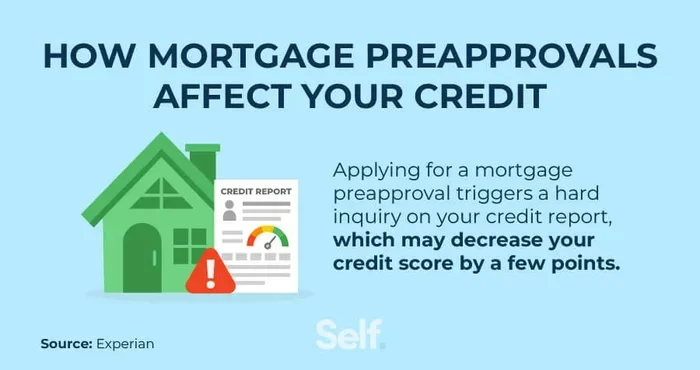
Visual guide about mortgage approval with credit issues
Image source: images.ctfassets.net

Visual guide about mortgage approval with credit issues
Image source: asapcreditrepairusa.com
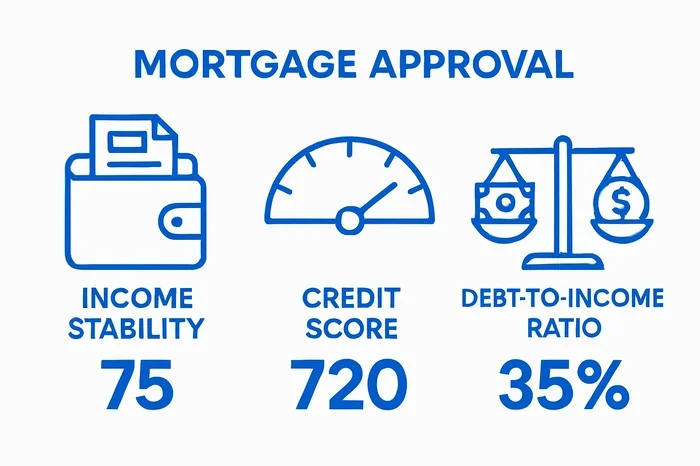
Visual guide about mortgage approval with credit issues
Image source: csuxjmfbwmkxiegfpljm.supabase.co
Quick Tips
- Dispute inaccuracies before you apply.
- Build at least a few months of clean payment history.
- Reduce revolving balances to improve utilization.
- Avoid new credit inquiries unless necessary.
- Prepare a concise letter of explanation for any negative item.
When It May Be Better to Wait
Sometimes the best move is to pause and strengthen your file. If your derogatory mark is recent or part of a larger pattern, waiting can lead to better terms and a smoother process. The right timing depends on your goals and your current financial picture.
Recent late payments or a new collection may weigh heavily. In these cases, a few months of on-time payments can change how lenders view your application. Patience can also help you qualify for a lower rate, which saves money over the life of the loan.
Major events often come with waiting periods. After a foreclosure or bankruptcy, many programs require time to pass before you can apply again. Use that time to rebuild credit, stabilize income, and reduce debt. When the waiting period ends, you want your file to look as strong as possible.
Waiting also makes sense if your income is changing or your debt is rising. A new job, a temporary gap, or a large upcoming expense can complicate approval. Stabilizing these factors first can prevent delays and protect your budget.
Signs You Should Consider Waiting
- Multiple recent late payments across different accounts.
- A new collection or charge-off within the last several months.
- An active waiting period tied to a past foreclosure or bankruptcy.
- Unstable income or a major career transition in progress.
- High debt levels that strain your monthly budget.
Common Mistakes
- Rushing to apply before correcting obvious credit errors.
- Taking on new debt right before closing.
- Changing jobs without considering the timing impact.
- Assuming one program is the only option without comparing others.
- Ignoring the value of a few months of clean payment history.
Working With Professionals to Navigate the Process
A knowledgeable team can make this process clearer and less stressful. Loan officers, credit counselors, and housing advisors can help you understand your options and avoid missteps. You do not have to figure everything out alone.
Choose a loan officer who asks thoughtful questions and explains program differences in plain language. They should review your full situation, not just your score. A good professional will tell you when to apply, when to wait, and which documents will help your case.
If your credit needs rebuilding, a nonprofit credit counselor can help you create a plan. They can review your budget, suggest ways to reduce debt, and explain how to build a stronger payment history. Be sure to work with a reputable organization that offers education, not quick fixes.
Housing counselors can also help first-time buyers and those returning to homeownership. They may offer workshops, budgeting tools, and guidance on saving for a down payment. These resources can be especially useful if you are recovering from a financial setback.
What to Ask a Loan Officer
- Which programs fit my credit history and income?
- Do you have lender overlays that affect my options?
- What documents will strengthen my application?
- How long should I wait before reapplying if needed?
- What costs should I expect beyond the monthly payment?
Key Takeaways
- A derogatory mark does not end your homeownership plans.
- Lenders weigh recency, severity, and your overall financial health.
- Different loan programs offer different levels of flexibility.
- Preparation, documentation, and timing can improve your odds.
- Professional guidance helps you choose the right path.
Conclusion
If you are asking can I get a mortgage with a derogatory mark, the answer is often yes, with the right approach. Lenders care about the full story, including your recent behavior, income stability, and debt management. A single negative item is rarely the whole decision. By understanding your options, correcting errors, and showing consistent progress, you can move closer to approval. Take the time to prepare, compare programs, and work with professionals who understand your goals. With steady effort, homeownership can remain within reach.
Frequently Asked Questions
Can I get a mortgage with a derogatory mark on my credit report?
Yes, many borrowers still qualify even with a negative item, especially if it is old and followed by good payment history. Lenders review your full financial profile, not just one mark. The exact outcome depends on the type of mark, your score, and the loan program.
How long after a derogatory mark can I apply for a home loan?
It depends on the event and the program. Some issues can be considered sooner if your recent history is strong, while major events often require a waiting period. A loan officer can tell you when your file may be ready based on your specific situation.
Do collections and charge-offs always block mortgage approval?
No, they do not always block approval. Lenders look at the age, amount, and context of the item, along with your current credit behavior. Paying down balances and showing steady payments can improve your chances.
Will a letter of explanation help if I have a negative mark?
Yes, a concise letter can provide useful context. It should explain what happened, show that the issue is resolved, and highlight your recent responsible habits. Keep it factual and brief.
Which loan program is best if I have credit issues?
The best program depends on your full profile, including income, down payment, and the type of derogatory mark. Some borrowers do well with FHA or VA loans, while others may qualify for conventional or USDA loans. Comparing options with a professional is the smartest approach.
Should I wait to apply if my credit mark is recent?
Often, yes. A recent mark can weigh more heavily than an older one, so a few months of on-time payments and lower balances can help. Waiting can also improve your rate and terms, which may save money over time.